

Commentary
Russia’s maximalist demands are preventing any serious attempt at ending the war in Ukraine. To make peace a realistic prospect, Putin must recognize that diplomacy is a two-way street.
Kadri Liik
{
  "authors": [
    "Maria Lipman",
    "Robert Kagan",
    "Anne Barnard"
  ],
  "type": "legacyinthemedia",
  "centerAffiliationAll": "dc",
  "centers": [
    "Carnegie Endowment for International Peace",
    "Carnegie Russia Eurasia Center"
  ],
  "collections": [],
  "englishNewsletterAll": "ctw",
  "nonEnglishNewsletterAll": "",
  "primaryCenter": "Carnegie Russia Eurasia Center",
  "programAffiliation": "russia",
  "programs": [
    "Russia and Eurasia"
  ],
  "projects": [],
  "regions": [
    "Caucasus",
    "Russia",
    "Georgia"
  ],
  "topics": [
    "Foreign Policy"
  ]
}
REQUIRED IMAGE
As Russian forces move deeper into Georgia, it is clear that despite questions over who started the conflict Russia’s ambitions are far larger than attaining the two Georgian separatist regions- South Ossetia and Abkhazia.
Source: NPR's On Point with Tom Ashbrook
As the Russia-Georgia conflict escalates, Masha Lipman and Bob Kagan analyze the catalyst for this clash on NPR’s On Point with Tom Ashbrook. While both agree that the crisis indicates a greater Russian ambition than simply annexing South Ossetia and Abkhazia, Lipman and Kagan disagree over what originally prompted the conflict.
Lipman argues that, “There is no doubt that Georgia has started it” and calls the original Georgian strikes, “a very bad miscalculation." Kagan on the other hand sees Russia as the main driver for the events that have now unfolded. He says, “Putin has been putting pressure on Georgia for years,” and that, “everyone was hoping that Saakashvili would tolerate this indefinitely.”
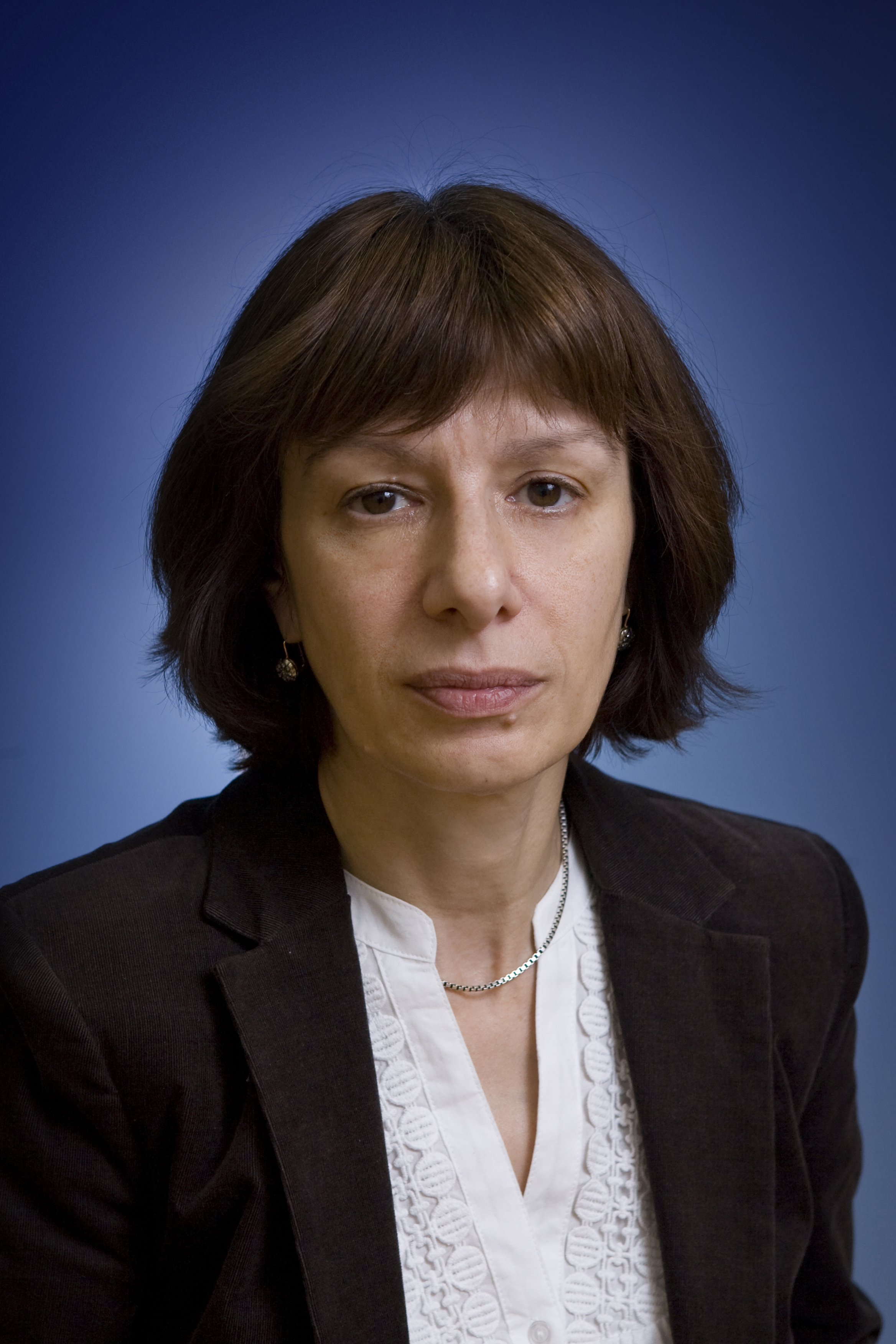
Former Scholar in Residence, Society and Regions Program, Editor in Chief, Pro et Contra, Moscow Center
Lipman was the editor in chief of the Pro et Contra journal, published by the Carnegie Moscow Center. She was also the expert of the Carnegie Moscow Center’s Society and Regions Program.
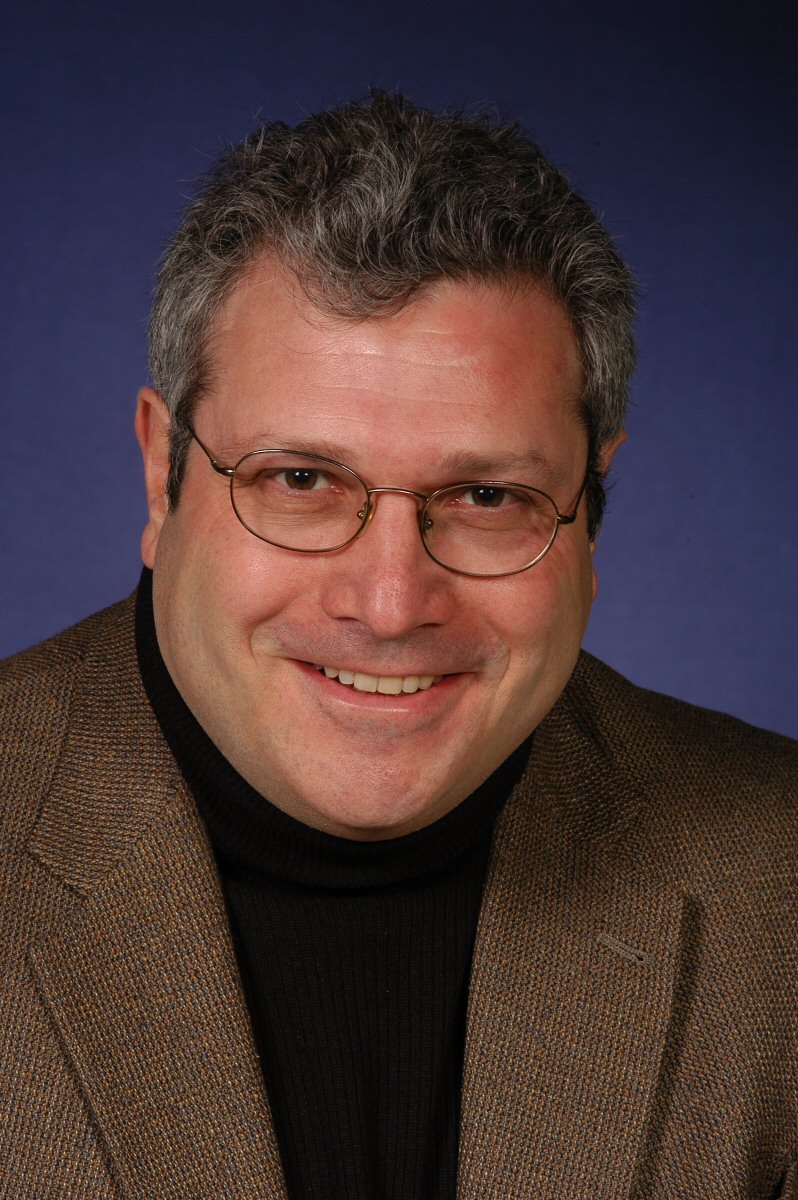
Former Senior Associate
Kagan, author of the recent book, The Return of History and the End of Dreams (Knopf 2008), writes a monthly column on world affairs for the Washington Post and is a contributing editor at both the Weekly Standard and the New Republic.
Anne Barnard
Carnegie does not take institutional positions on public policy issues; the views represented herein are those of the author(s) and do not necessarily reflect the views of Carnegie, its staff, or its trustees.
Russia’s maximalist demands are preventing any serious attempt at ending the war in Ukraine. To make peace a realistic prospect, Putin must recognize that diplomacy is a two-way street.
Kadri Liik

Too many national interests, too many EU institutions, and too little political will are preventing Europe from acting in its own best interests.
Judy Dempsey

As the nuclear order rapidly evolves, what can Europeans and other key players do to strengthen deterrence and reduce risks?

Jamie Kwong, ed.
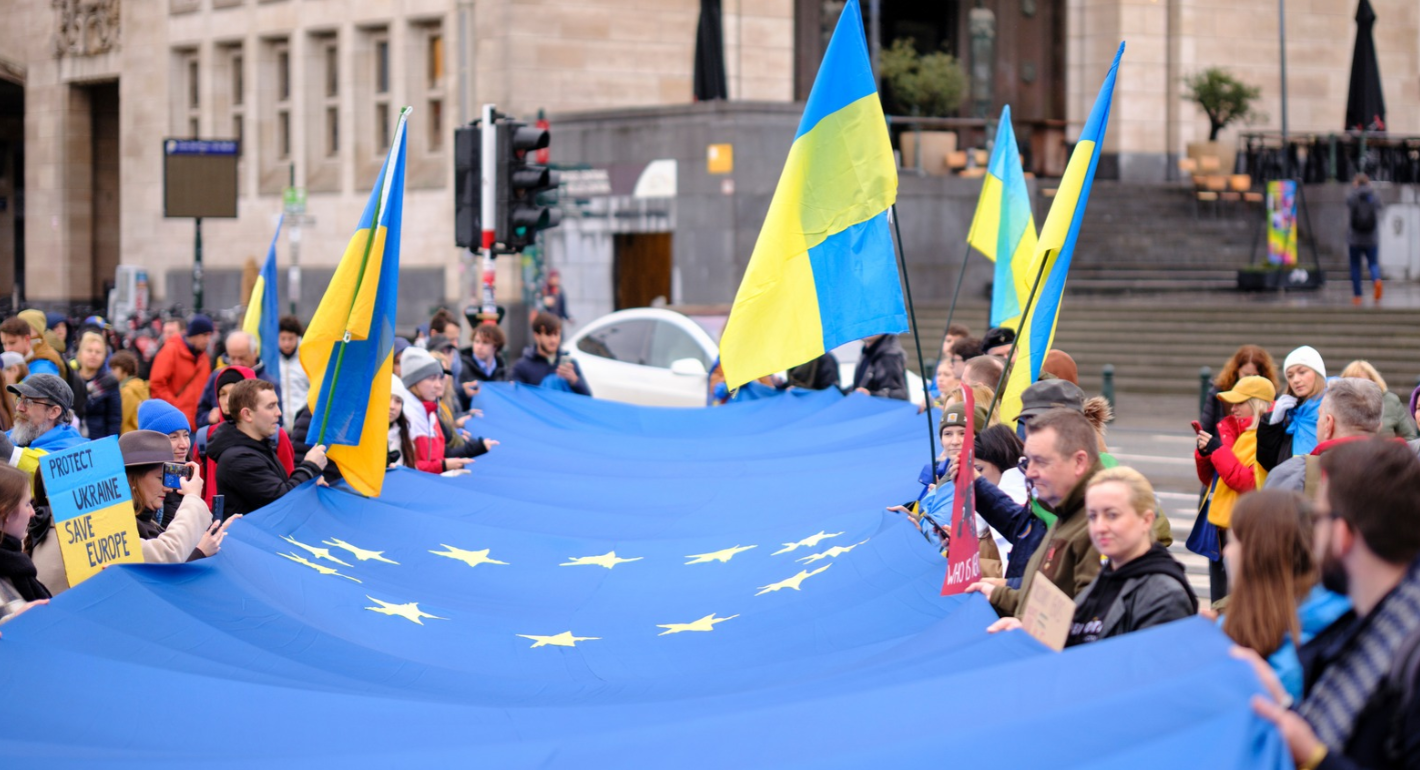
A sizeable funding shortfall looks increasingly likely to hit Ukraine in 2027. Can the Europeans, with their strained budgets and economies, come up with the cash without seizing frozen Russian assets?

Rym Momtaz, ed.
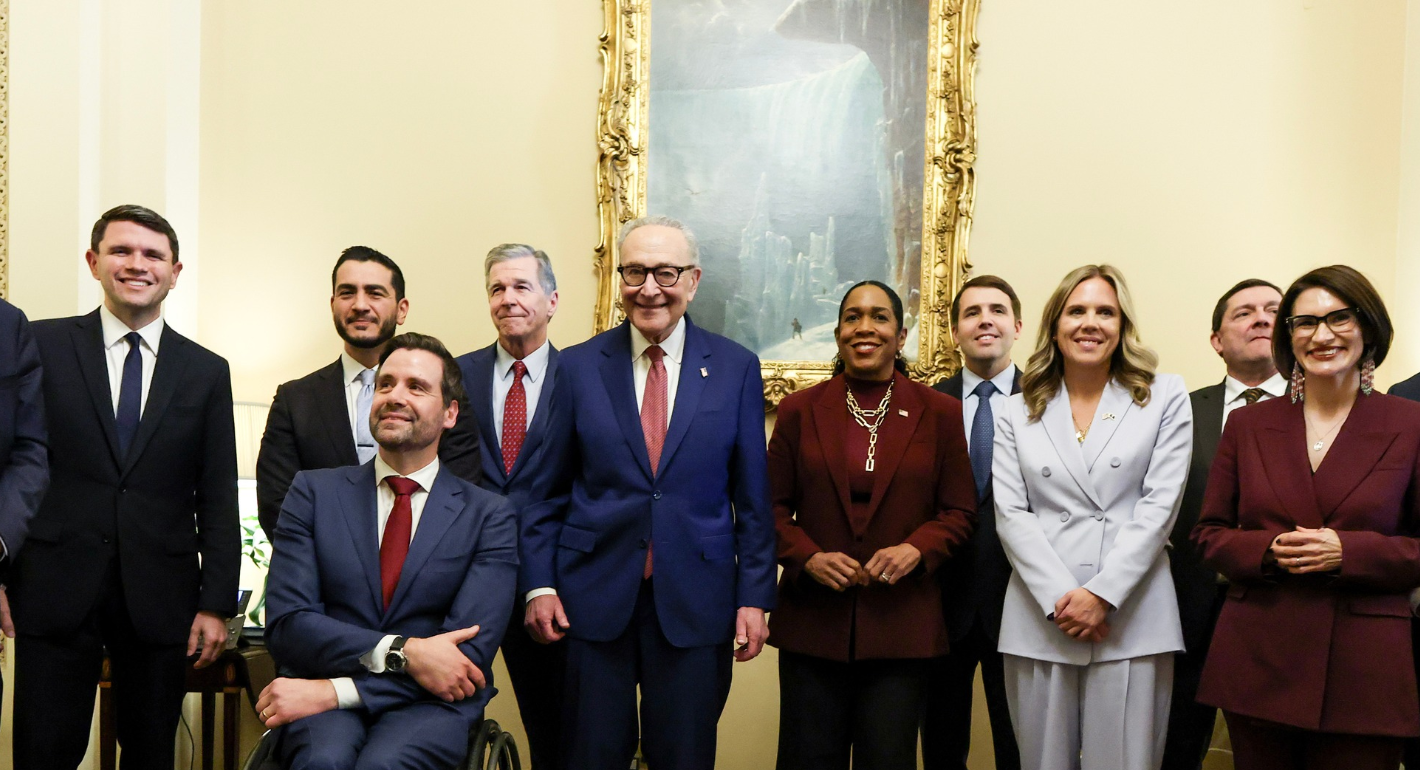
A blue wave has swept over the U.S. midterms, with Democrats regaining control of both houses of Congress. But Europeans hoping for a return to business as usual should think again.
Rym Momtaz