

Paper
Ashley J. Tellis
{
  "authors": [
    "Ashley J. Tellis"
  ],
  "type": "other",
  "centerAffiliationAll": "dc",
  "centers": [
    "Carnegie Endowment for International Peace"
  ],
  "collections": [],
  "englishNewsletterAll": "ctw",
  "nonEnglishNewsletterAll": "",
  "primaryCenter": "Carnegie Endowment for International Peace",
  "programAffiliation": "SAP",
  "programs": [
    "South Asia"
  ],
  "projects": [],
  "regions": [
    "North America",
    "United States",
    "South Asia",
    "Pakistan"
  ],
  "topics": [
    "Foreign Policy"
  ]
}
Source: Getty
The next U.S. president must pursue a balanced strategy toward Pakistan that simultaneously strengthens the civilian government—the best hope for Pakistan’s long-term stability—without alienating the Pakistani army.
The next U.S. president must pursue a balanced strategy toward Pakistan that simultaneously strengthens the civilian government—the best hope for Pakistan’s long-term stability—without alienating the Pakistani army, warns a new policy brief by South Asia expert Ashley J. Tellis.
While strong U.S. support for Pakistan’s civilian government risks undermining military cooperation in U.S. counterterrorism efforts, recognizing the military as the preeminent center of power reinforces a status quo that allowed the Afghan–Pakistan border region to become a sanctuary for terrorist organizations. Managing this dilemma will be difficult but necessary for the success of U.S. engagement with Pakistan.
Recommendations for the next U.S. president:
On Governance:
On Military Cooperation:
On Regional Relations:
Tellis concludes:
“Even if Islamabad were to overcome the immediate problems related to terrorism, the permanent transformation of Pakistan would be decades away. Consequently, the United States should be patient and satisfied in the interim merely if the trend lines in Pakistan pertaining to good governance, stable macroeconomic management, focused investments in human capital, responsible foreign and strategic policy, and temperate ideological orientations are all at least relatively positive.”
About the Author
Ashley J. Tellis is Senior Associate at the Carnegie Endowment for International Peace, specializing in international security, defense, and Asian strategic issues. He was recently on assignment to the U.S. Department of State as Senior Adviser to the Undersecretary of State for Political Affairs, during which time he was intimately involved in negotiating the civil nuclear agreement with India. Previously he was commissioned into the Foreign Service and served as Senior Adviser to the Ambassador at the U.S. Embassy in New Delhi.
Former Senior Fellow
Ashley J. Tellis was a senior fellow at the Carnegie Endowment for International Peace.
Recent Work
Ashley J. Tellis
Ashley J. Tellis
Carnegie does not take institutional positions on public policy issues; the views represented herein are those of the author(s) and do not necessarily reflect the views of Carnegie, its staff, or its trustees.
Following Ursula von der Leyen’s gaffe equating Turkey to Russia and China, relations with Ankara risk deteriorating even further. Without better, more consistent diplomatic messaging, how can the EU pretend to be a geopolitical power?

Sinan Ülgen
Closer EU-UK ties could help address urgent European concerns. But is the EU ready for rapprochement with the United Kingdom?

Rym Momtaz, ed.
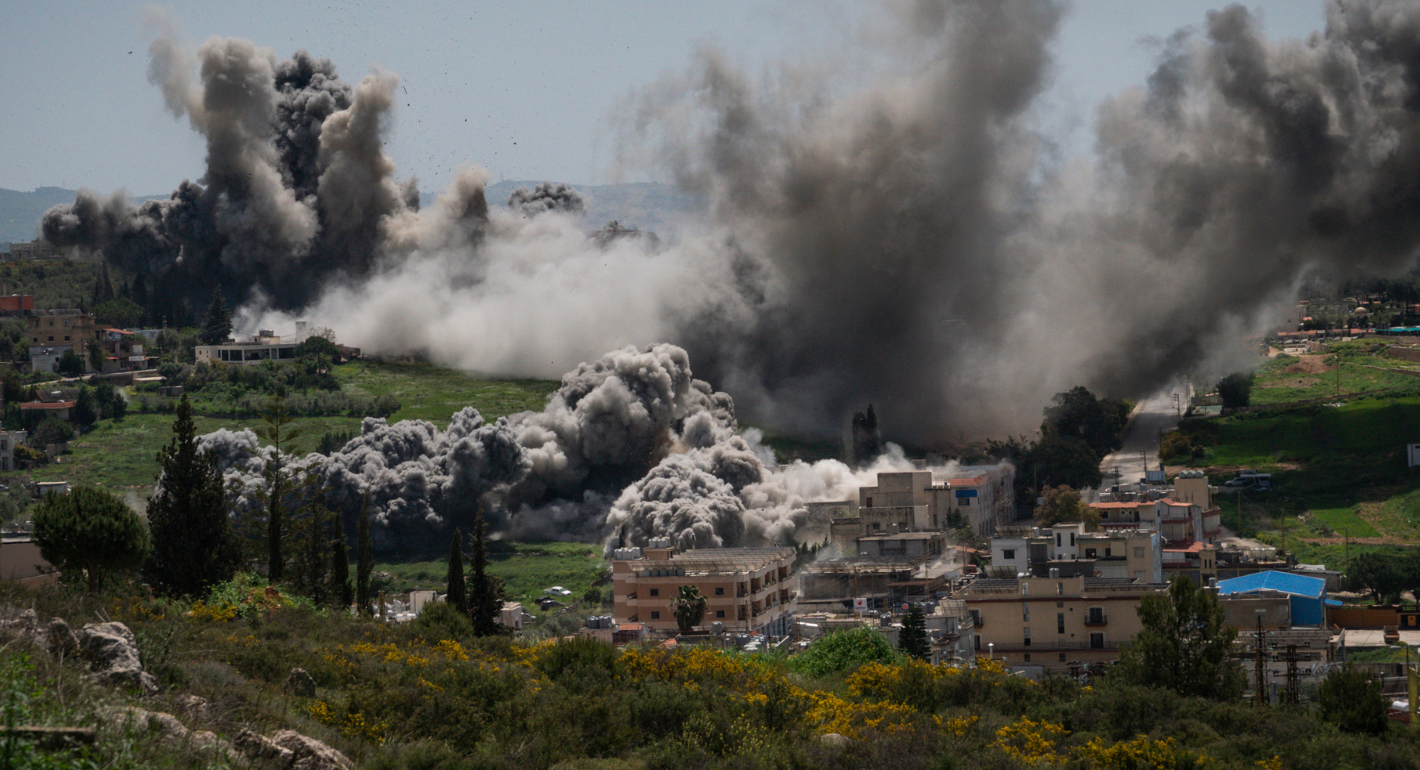
Europe has been standing by while its Southern neighborhood is being redrawn by force. To establish a path to peace between Israel and Lebanon, it’s time for Europeans to get involved with hard power.
Rym Momtaz
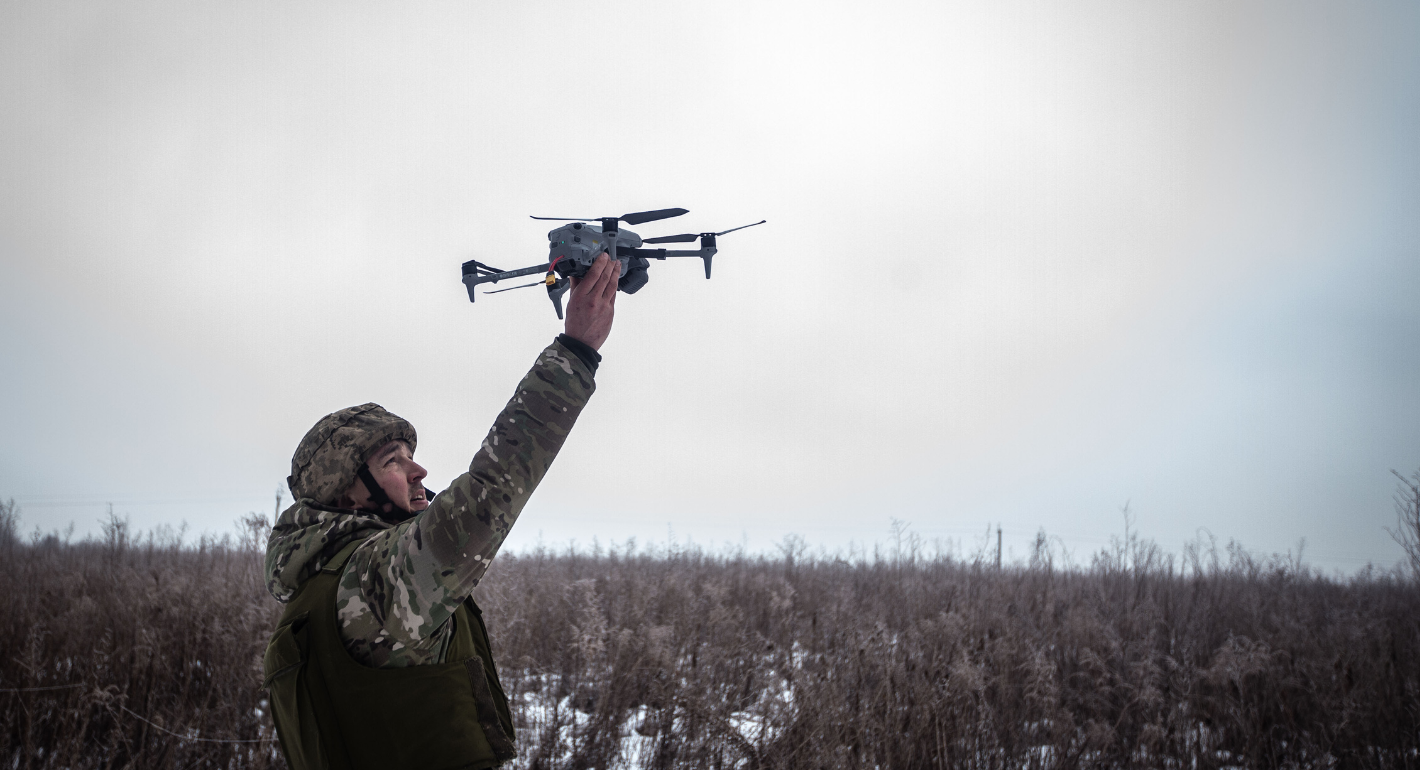
In Ukraine, Gaza, and Iran, AI warfare has come to dominate, with barely any oversight or accountability. Europe must lead the charge on the responsible use of new military technologies.

Raluca Csernatoni

Montenegro and Albania are frontrunners for EU enlargement in the Western Balkans, but they can’t just sit back and wait. To meet their 2030 accession ambitions, they must make a strong positive case.


Dimitar Bechev, Iliriana Gjoni