

Commentary
Are Germany’s economic, industrial, and political struggles becoming a liability for the EU’s ability to rise to the geopolitical moment?
Rym Momtaz, ed.
{
  "authors": [],
  "type": "pressRelease",
  "centerAffiliationAll": "dc",
  "centers": [
    "Carnegie Endowment for International Peace"
  ],
  "collections": [],
  "englishNewsletterAll": "menaTransitions",
  "nonEnglishNewsletterAll": "",
  "primaryCenter": "Carnegie Endowment for International Peace",
  "programAffiliation": "MEP",
  "programs": [
    "Middle East"
  ],
  "projects": [],
  "regions": [
    "Middle East",
    "Israel",
    "Lebanon",
    "Palestine",
    "Syria",
    "Western Europe"
  ],
  "topics": []
}
REQUIRED IMAGE
Although Europe actively tries to manage Middle East crises, it undermines its economic, political, and security interests by assuming a secondary role to the United States and following its policy line.
BEIRUT, Mar 5—Although Europe actively tries to manage Middle East crises, it undermines its economic, political, and security interests by assuming a secondary role to the United States and following its policy line. For the EU to be an effective player in the Middle East peace process, it must pursue greater political engagement on three tracks: the Palestinian territories, Syria, and Lebanon, concludes a new paper by the Carnegie Middle East Center.
Drawing on interviews with EU delegations and European embassies as well as a wealth of local actors in Lebanon, Syria, and the Palestinian territories, Muriel Asseburg assesses Europe’s on-the-ground efforts in conflict management and recommends a more effective European approach to the Arab–Israeli conflict.
Key Conclusions:
Asseburg concludes:
“It is time for Europeans to rethink their policy approaches, refocus their activities, and seek a more effective coordination and division of labor with the new U.S. administration. Not only are intensified efforts needed to reinvigorate the Israeli–Palestinian negotiations, Europeans should also stand ready to help advance the other tracks of the peace process. In the end, for Europeans, it is not about claiming a role as a ‘player,’ but about assuming that role and engaging in politics.”
###
NOTES
Carnegie does not take institutional positions on public policy issues; the views represented herein are those of the author(s) and do not necessarily reflect the views of Carnegie, its staff, or its trustees.

Are Germany’s economic, industrial, and political struggles becoming a liability for the EU’s ability to rise to the geopolitical moment?

Rym Momtaz, ed.
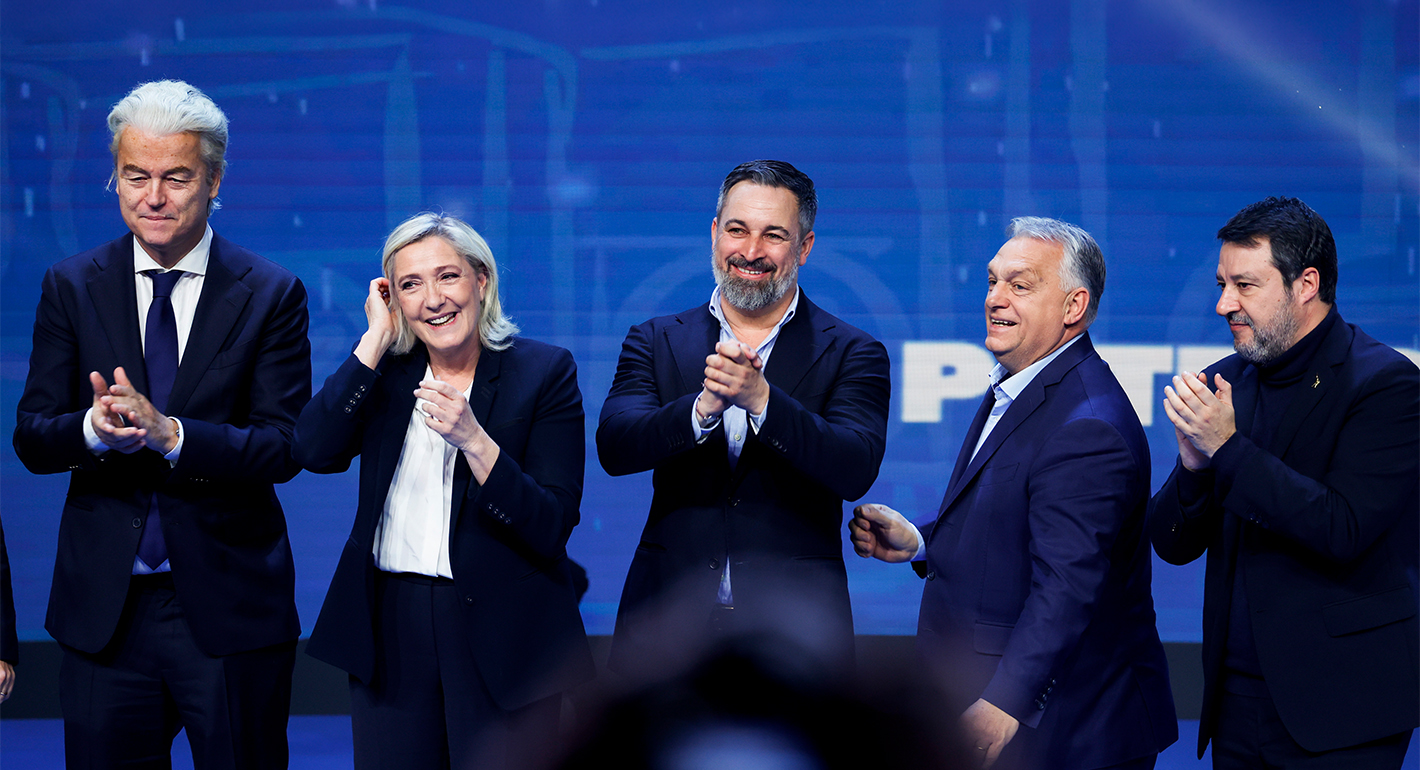
In supporting Europe’s far-right, MAGA and Russia both want the same thing: a weaker EU. Europe must defend itself without abandoning the openness these forces exploit.

Armida van Rij
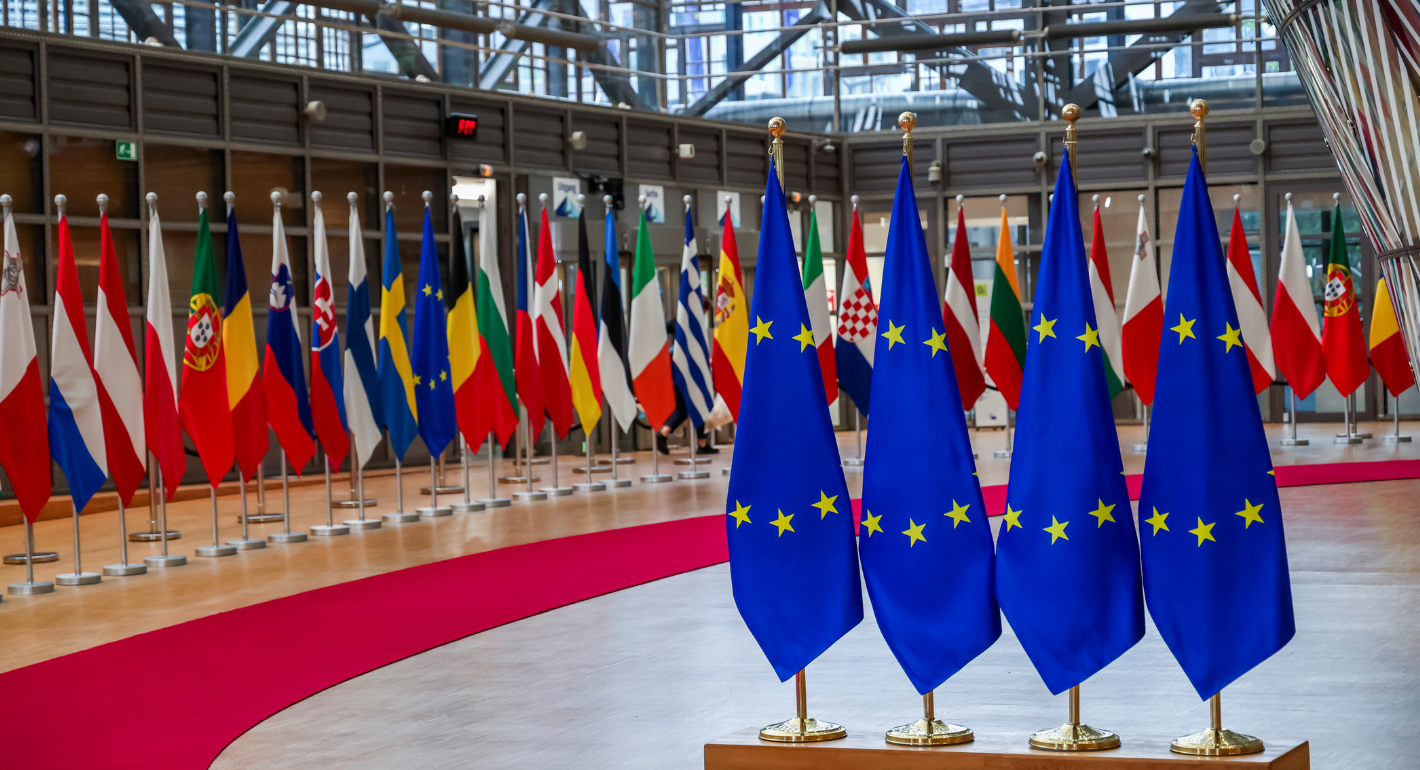
As we close out another season of Strategic Europe, it is worth taking stock of the deep shifts underway.
Rym Momtaz

As the EU confronts profound challenges, several leaders have called for fundamental reform to the union’s model—but only modest, superficial changes have resulted. What if Europe really could be reimagined from zero today: What should such a redesigned European order look like?

Richard Youngs, ed.
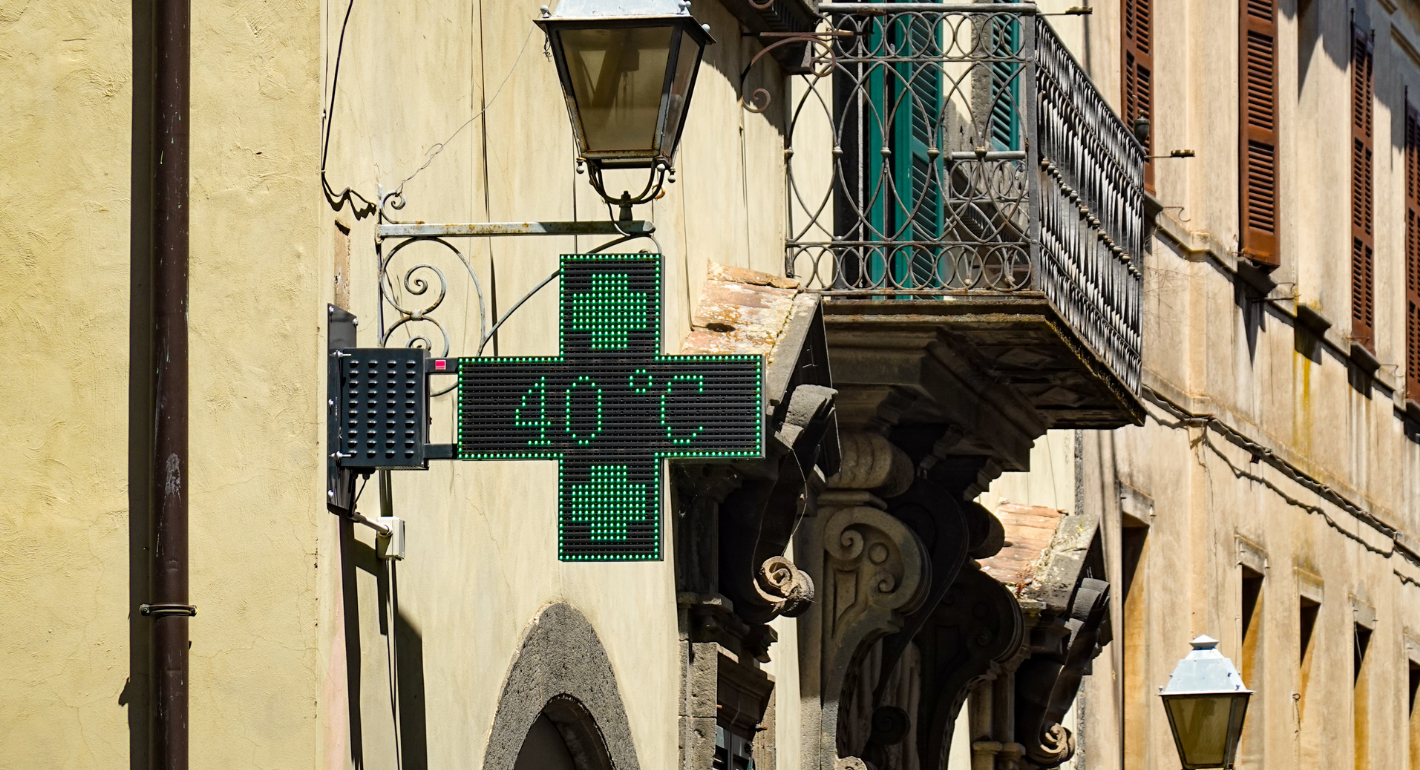
Western Europe’s dual-use infrastructure melted down during its latest heat wave. If a predicted hot weather event can take the continent by surprise, what chance does it have to withstand unexpected geopolitical crises?
Rym Momtaz