

Commentary
Nearly a year and a half after Europeans leaned into sucking up to Trump, the strategy has produced some benefits when it comes to Ukraine.
Rym Momtaz
{
  "authors": [
    "Ashesh Prasann"
  ],
  "type": "legacyinthemedia",
  "centerAffiliationAll": "dc",
  "centers": [
    "Carnegie Endowment for International Peace"
  ],
  "collections": [],
  "englishNewsletterAll": "ctw",
  "nonEnglishNewsletterAll": "",
  "primaryCenter": "Carnegie Endowment for International Peace",
  "programAffiliation": "SAP",
  "programs": [
    "South Asia"
  ],
  "projects": [],
  "regions": [
    "South Asia",
    "India",
    "Afghanistan",
    "Pakistan"
  ],
  "topics": [
    "Security",
    "Military",
    "Foreign Policy"
  ]
}
Source: Getty
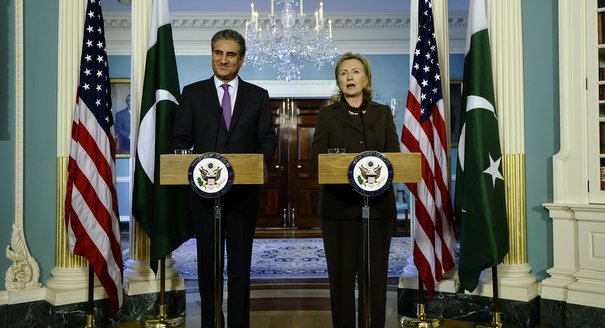
U.S. aid to Pakistan can ensure decisive action against terrorist groups only if it is explicitly conditioned on concrete and verifiable benchmarks which can be evaluated
Source: The Asian Age

The problem with that analogy, though, is that Washington restructured the companies it bailed out. With Pakistan, it has no such luxury — a Pakistan state dominated by an Army hesitant to fight terrorists is not going to restructure anytime soon. The US can still influence Pakistan’s actions, however, by making its aid conditional on Pakistan taking concrete, verifiable, steps against terror groups.
In this context, the ongoing Congressional battle between the House and the Senate could determine the form and effectiveness of the US aid to Pakistan. While the House bill, approved by the Committee on Foreign Affairs May 21, links aid to verifiable benchmarks, the Senate version (Kerry-Lugar bill) takes them away. If the Senate version is approved unchanged, it could entrench the same Pakistani Army habits that have prevented decisive action against the Taliban and Al Qaeda despite receiving $11 billion in aid since 2001.
In the past, US aid to Pakistan has invariably been siphoned off by the country’s military to buy arms, support terror groups in a low-cost war against India and maintain "strategic depth" in Afghanistan. Pentagon documents accessed by Press Trust of India last week revealed that Pakistan diverted US funds meant for fighting terrorism to buy conventional weapons. In July last year, US intelligence uncovered evidence that the Pakistan’s intelligence agency, Inter-Services Intelligence (ISI), has assisted militants in escaping missile strikes in tribal areas, actively undermining American efforts in the region. Moreover, the Pakistani Army has left the Quetta shura of Al Qaeda’s top operatives untouched until now. In essence, providing aid to Pakistan carries with it the danger of US taxpayer money being used to undermine US national security objectives.
Why, then, should the Obama administration provide more aid to Pakistan? The short answer is President Zardari is right. The costs of a weak Pakistan unable to control all its territory are too high. The strategic explanation is that too often in the past, the Pakistani Army has fought jihadi militants in spurts, only to lose steam when it thinks the threat has become "manageable". Also, during President Musharraf’s reign, these spurts often coincided with US consideration of aid to Pakistan, which should be taken into account by analysts who cite the current Swat offensive as a sign of decisive change in Pakistani strategy. To keep Pakistan from backsliding this time, the US needs leverage. Senator Kerry candidly said as much while introducing the Senate bill: "Our leverage (in Pakistan) is limited. This bill aims to increase that".
Ironically, the Kerry-Lugar bill erodes that leverage by deleting key provisions present in the House version. Congressman Berman’s Pakistan Enduring Assistance and Cooperation Enhancement Act 2009 (PEACE) conditions military assistance on the President’s certification that Pakistan had dismantled proliferation networks and had ceased to provide support to terrorist groups which had conducted attacks against the US, its forces in Afghanistan, the Afghan Army or neighbouring countries (a thinly veiled reference to India). Further, it conditions aid on Pakistan closing terrorist camps in Federally Administered Tribal Areas (Fata), dismantling terrorist bases in Quetta and Muridke, and taking action when provided with intelligence about high-level terrorist groups. Finally, the bill would halt all assistance if the democratic government of Pakistan was overthrown in a coup.
Now, for a government which claims to take the Taliban threat seriously, these conditions would serve as a checklist. Yet after the PEACE Act was introduced, it experienced tremendous pushback by the Pakistan government in April. Tellingly, the opposition to the bill attacked it for seeking to infringe Pakistan’s sovereignty. Hussain Haqqani, Pakistan’s ambassador to the US, termed it "intrusive" and opposed it on the grounds that some of its conditions were connected to domestic affairs.
Indeed, there is language in the bill which aims to focus US aid on strengthening Pakistan’s democracy and justice system. But surely, dismantling global terror networks doesn’t qualify as "domestic affairs". Besides, the principles regarding domestic affairs have remained intact in the Kerry-Lugar bill, which ambassador Haqqani has welcomed.
Ironically, the changes in the Kerry-Lugar bill are not owed completely to the Pakistan government and its Washington lobbyists’ pushback. The Obama administration has itself expressed reservations about the House bill, with secretary Robert Gates and Admiral Michael Mullen writing to Representative Berman that the conditions "severely constrain the flexibility necessary for the executive branch and department of defence given the fluid and dynamic environment that exists in Pakistan".
In other words, US aid to Pakistan could continue even if does not take concrete steps to shut down terror networks on its soil. One might well ask, what leverage does the aid provide then?
The unwillingness to create verifiable benchmarks is even more baffling given Pakistan’s track record. Despite this, the Obama administration wants to remove benchmarks in the hope that the Pakistani Army will now decisively fight militants. In sum, the Kerry-Lugar bill provides for more of the same and hopes for a different result. If it becomes law instead of the House bill, it may end up being precisely the "blank cheque" that President Obama had promised Pakistan would not get. US taxpayers and the people of Pakistan surely deserve better.
Ashesh Prasann is a Junior Fellow at the South Asia Programme, Carnegie Endowment for International Peace in Washington D.C.
This article first appeared in the Asian Age on June 13, 2009.
Ashesh Prasann
Former Junior Fellow, South Asia Program
Carnegie does not take institutional positions on public policy issues; the views represented herein are those of the author(s) and do not necessarily reflect the views of Carnegie, its staff, or its trustees.
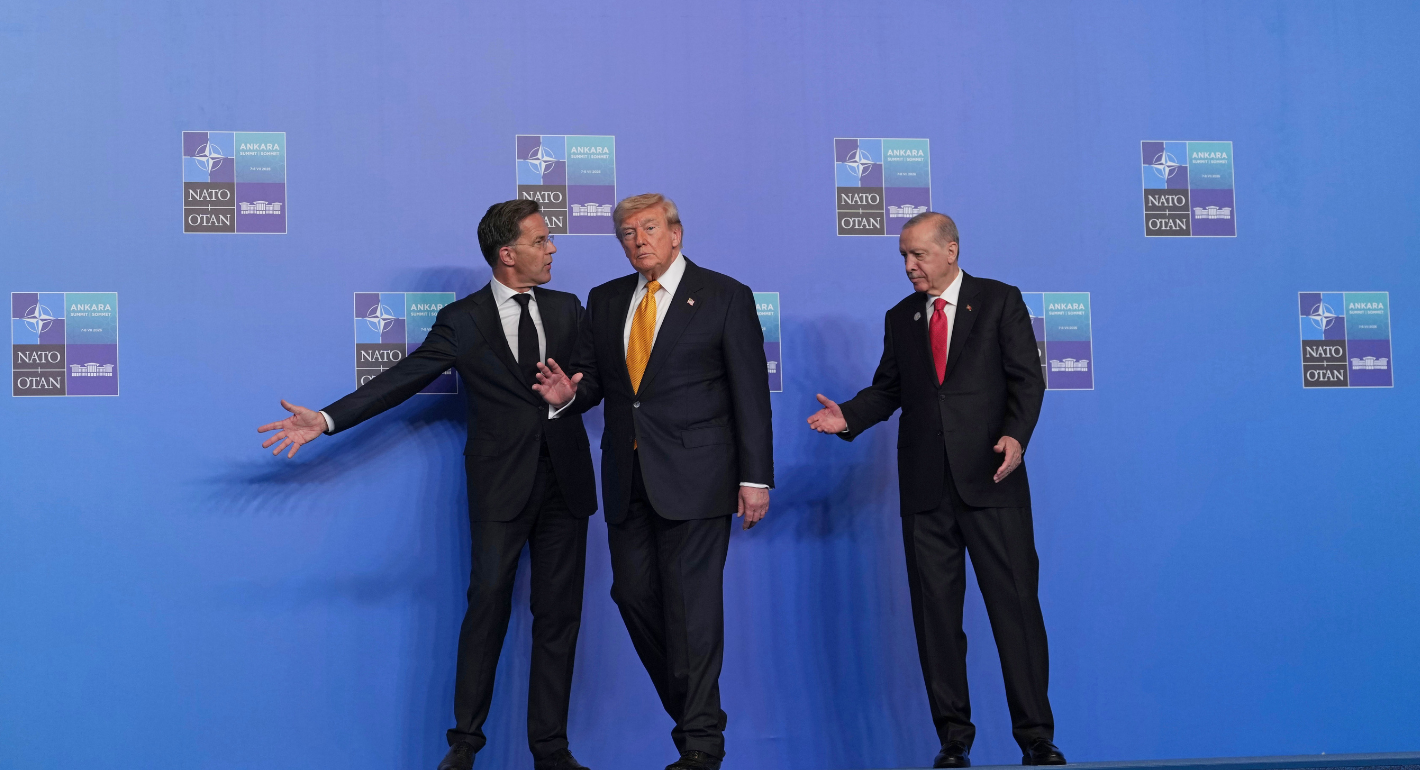
Nearly a year and a half after Europeans leaned into sucking up to Trump, the strategy has produced some benefits when it comes to Ukraine.

Rym Momtaz
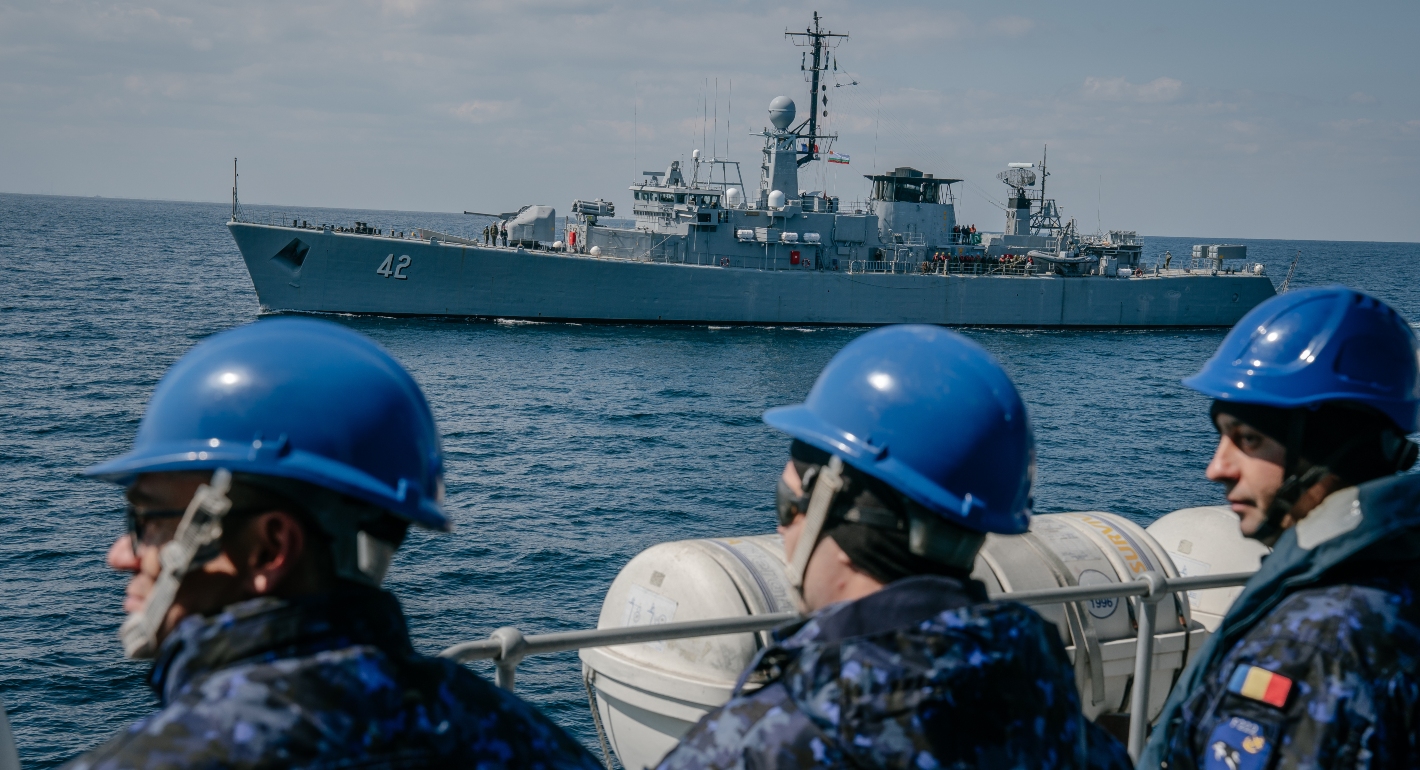
As Russia's war on Ukraine drags on, NATO is expanding its footprint in the Black Sea. Turkey, Romania, and Bulgaria are upgrading their fleets and deepening trilateral cooperation.

Dimitar Bechev
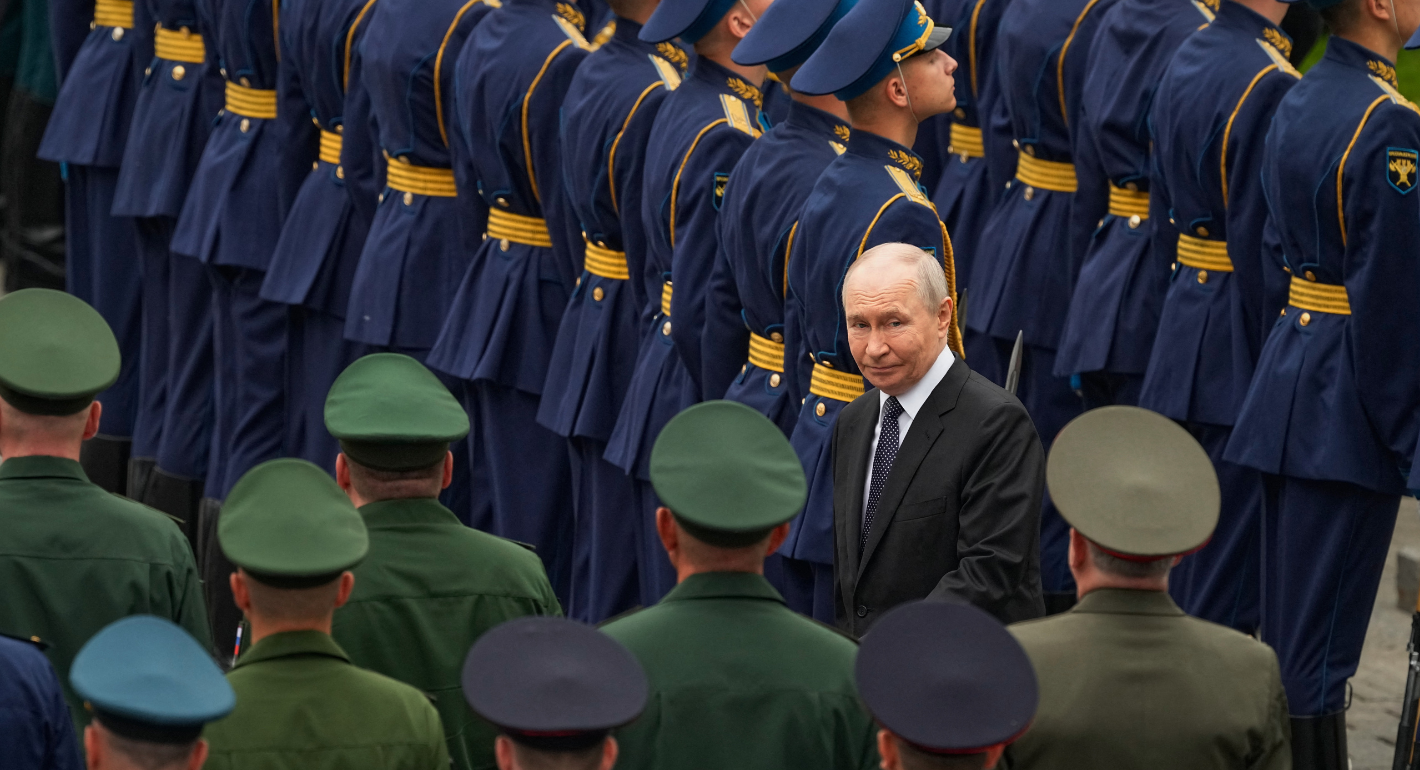
While Russia is not ready to sue for peace on Europe’s terms, it could still either seek a ceasefire in Ukraine or try escalation. Brussels needs to prepare for both and prioritize that preparation over normative discussions.

Kadri Liik
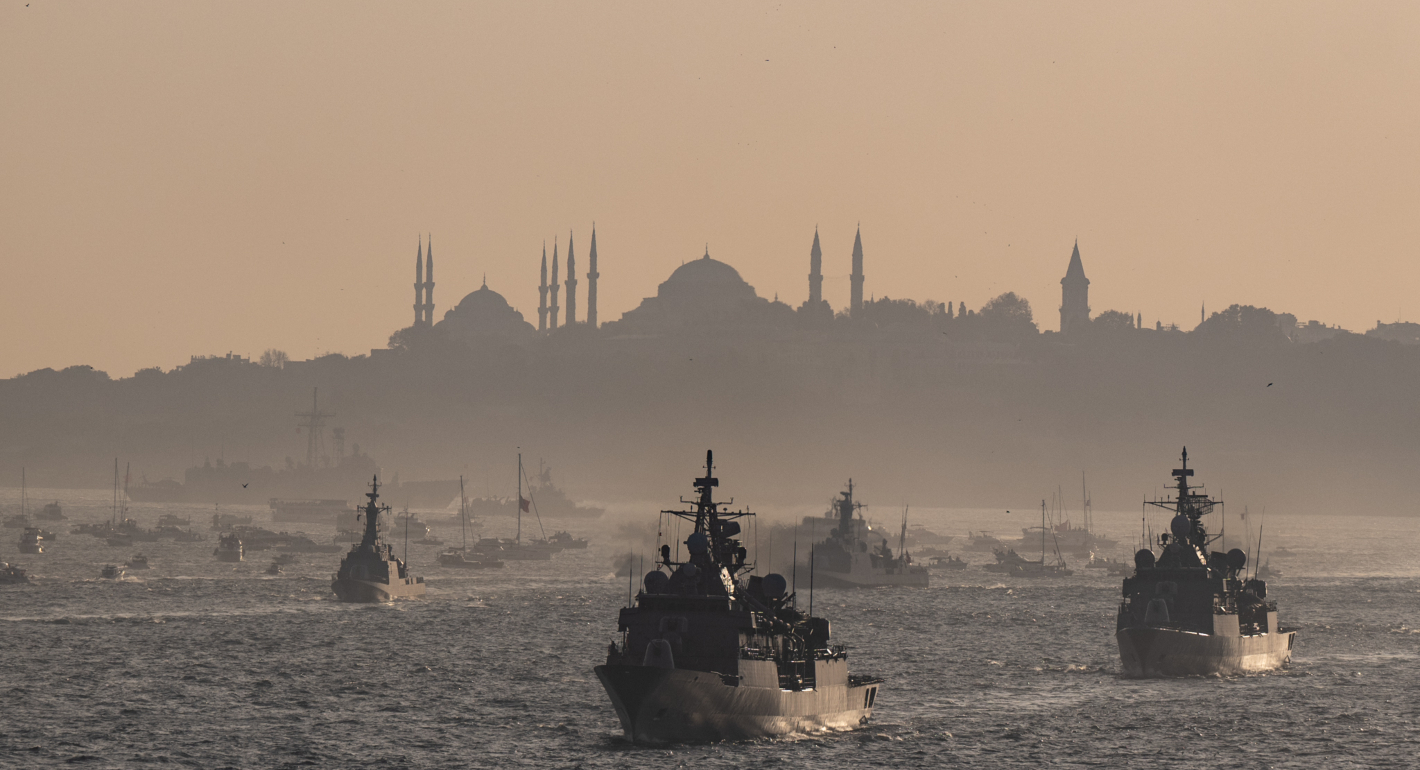
For ninety years, Turkey has been positioned as the principal gatekeeper of Black Sea security. As a result, European and NATO efforts to support Ukraine will require closer engagement with Ankara.

Thomas de Waal

Western Europe’s dual-use infrastructure melted down during its latest heat wave. If a predicted hot weather event can take the continent by surprise, what chance does it have to withstand unexpected geopolitical crises?
Rym Momtaz