• Research
  • Strategic Europe
  • About
  • Experts
Carnegie Europe logoCarnegie lettermark logo
EUDemocracy
  • Donate
{
  "authors": [],
  "type": "pressRelease",
  "centerAffiliationAll": "dc",
  "centers": [
    "Carnegie Endowment for International Peace"
  ],
  "collections": [],
  "englishNewsletterAll": "ctw",
  "nonEnglishNewsletterAll": "",
  "primaryCenter": "Carnegie Endowment for International Peace",
  "programAffiliation": "SAP",
  "programs": [
    "South Asia"
  ],
  "projects": [],
  "regions": [
    "United States",
    "South Asia",
    "India"
  ],
  "topics": [
    "Climate Change",
    "Foreign Policy",
    "Nuclear Policy"
  ]
}
REQUIRED IMAGE

REQUIRED IMAGE

Press Release

U.S. should support India for Security Council

The Obama administration should announce its support for a permanent seat for India on the UN Security Council during Indian Prime Minister Manmohan Singh’s visit to the White House. It would produce no immediate results, but the bold declaration would signal New Delhi’s growing importance to Washington, and the recognition of the changing global center of gravity.

Link Copied
Published on Nov 18, 2009

WASHINGTON, Nov 18—The Obama administration should announce its support for a permanent seat for India on the United Nations Security Council during Indian Prime Minister Manmohan Singh’s visit to the White House next week, contends a new policy brief by Ashley J. Tellis. Although it would produce no immediate results, the bold declaration would signal New Delhi’s growing importance to Washington, and the Obama administration’s recognition of the changing global center of gravity.

During Singh’s visit, both countries will likely announce new programs on areas ranging from agriculture to counterterrorism, medicine, energy, trade, and more. Tellis identifies two areas where cooperation will be most challenging, and most vital: nonproliferation and climate change.

Nonproliferation

  • India is unlikely to sign the Comprehensive Test Ban Treaty (CTBT), leaving a strong possibility that even if the United States ratifies the agreement, it will never come into force. 
  • India’s integration into the global nonproliferation regime remains incomplete. The United States should work to integrate India into global nonproliferation institutions, including the Proliferation Security Initiative, the Nuclear Suppliers Group, Australia Group, and the Zangger Committee.
  • Though it shares American concerns over Iran’s nuclear ambitions, India has not been asked to do much about the Iranian program. The Obama administration should persuade New Delhi to pressure Tehran to remain engaged in international negotiations, in hopes of achieving a peaceful resolution.
  • Obama’s nuclear security summit next year will be a golden opportunity for the United States and India to collaborate on universal nuclear security standards, but New Delhi will need to overcome its misplaced anxieties about discussing its nuclear program in public.

Climate change

  • If Obama focuses on persuading Singh to commit to a binding CO2 emissions cap or a multilateral treaty, there will be little hope for cooperation on climate change. Instead, the United States and India should focus on practical initiatives to reduce emissions and improve efficiency in the realms of agriculture, transportation, and infrastructure.
  • The United States should give India access to priority technologies that could reduce its emissions growth.
  • India is not yet convinced that it can play an important role in combating climate change, and does not want to jeopardize its economic growth. But economic progress and sustainable development are compatible, as little-noticed programs by the Singh government have proven.  

###


NOTES

  • Click here to read the policy brief online
  • Ashley J. Tellis is a senior associate in the Carnegie South Asia program. He specializes in international security, defense, and Asian strategic issues and helped the U.S. State Department negotiate the civil nuclear agreement with India. Previously, he was a senior adviser to the U.S. ambassador to India and was a special assistant to the president and senior director for strategic planning and Southwest Asia in the National Security Council.
  • This publication follows his earlier brief, The United States and India 3.0: Cave! Hic Dragones, in which Tellis argues that U.S.–India relations will continue to advance as long as India is assured of U.S. support on its major security challenges—terrorism, Kashmir, and the balance of power in Asia.
  • The Carnegie South Asia Program offers in-depth expertise on a range of issues relating to South Asia, including nonproliferation, international security, and political and economic development.
  • Press Contact: David Kampf, 202/939-2233, dkampf@ceip.org
Climate ChangeForeign PolicyNuclear PolicyUnited StatesSouth AsiaIndia

Carnegie does not take institutional positions on public policy issues; the views represented herein are those of the author(s) and do not necessarily reflect the views of Carnegie, its staff, or its trustees.

More Work from Carnegie Europe

  • Commentary
    Strategic Europe
    Why Europe Must Take Charge of its Russia Diplomacy Now

    Trump is distracted and Ukraine wants Europe to step up. The continent’s leaders must find their voice and assert it in talks with Russia.

      Alissa de Carbonnel

  • Commentary
    Strategic Europe
    Why Russia Could Escalate Hybrid Warfare Against Europe

    Mounting economic strain and battlefield losses will not necessarily make the Kremlin less dangerous. They could instead push Moscow toward a more aggressive hybrid campaign designed to test NATO’s Eastern flank, exploit allied hesitation, and fracture European resolve.

      Maksym Beznosiuk

  • Commentary
    Strategic Europe
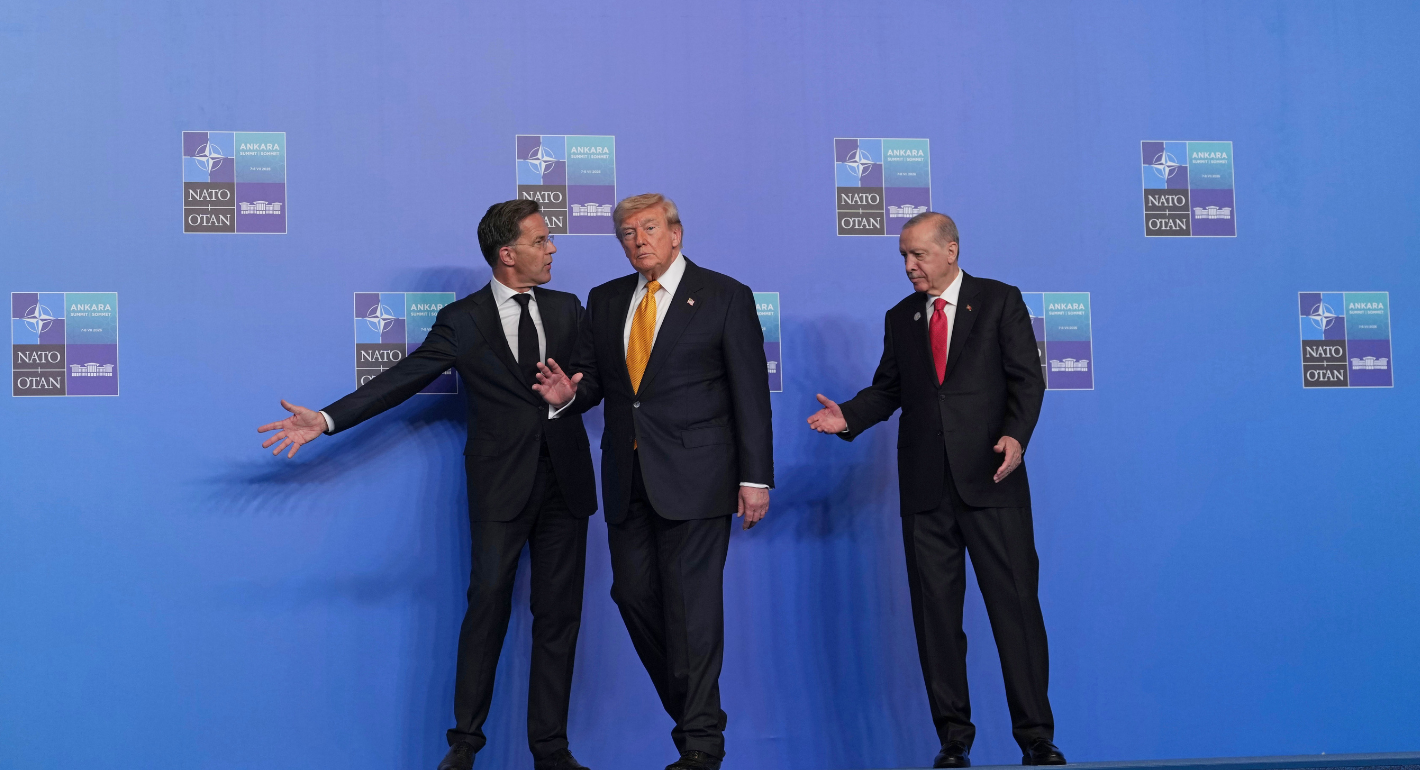
    Taking the Pulse: Enough with the Annual NATO Summits, Already?

    Over the past ten years, NATO has held almost as many summits as it did during the entirety of the Cold War. Are they still useful, or is it time to stop holding annual meetings?

      • Rym Momtaz

      Rym Momtaz, ed.

  • Commentary
    Strategic Europe
    European Sycophancy Worked on Trump

    Nearly a year and a half after Europeans leaned into sucking up to Trump, the strategy has produced some benefits when it comes to Ukraine.

      • Rym Momtaz

      Rym Momtaz

  • Romania Bulgaria Turkey Black Sea naval
    Commentary
    How NATO Became Anchored in the Black Sea

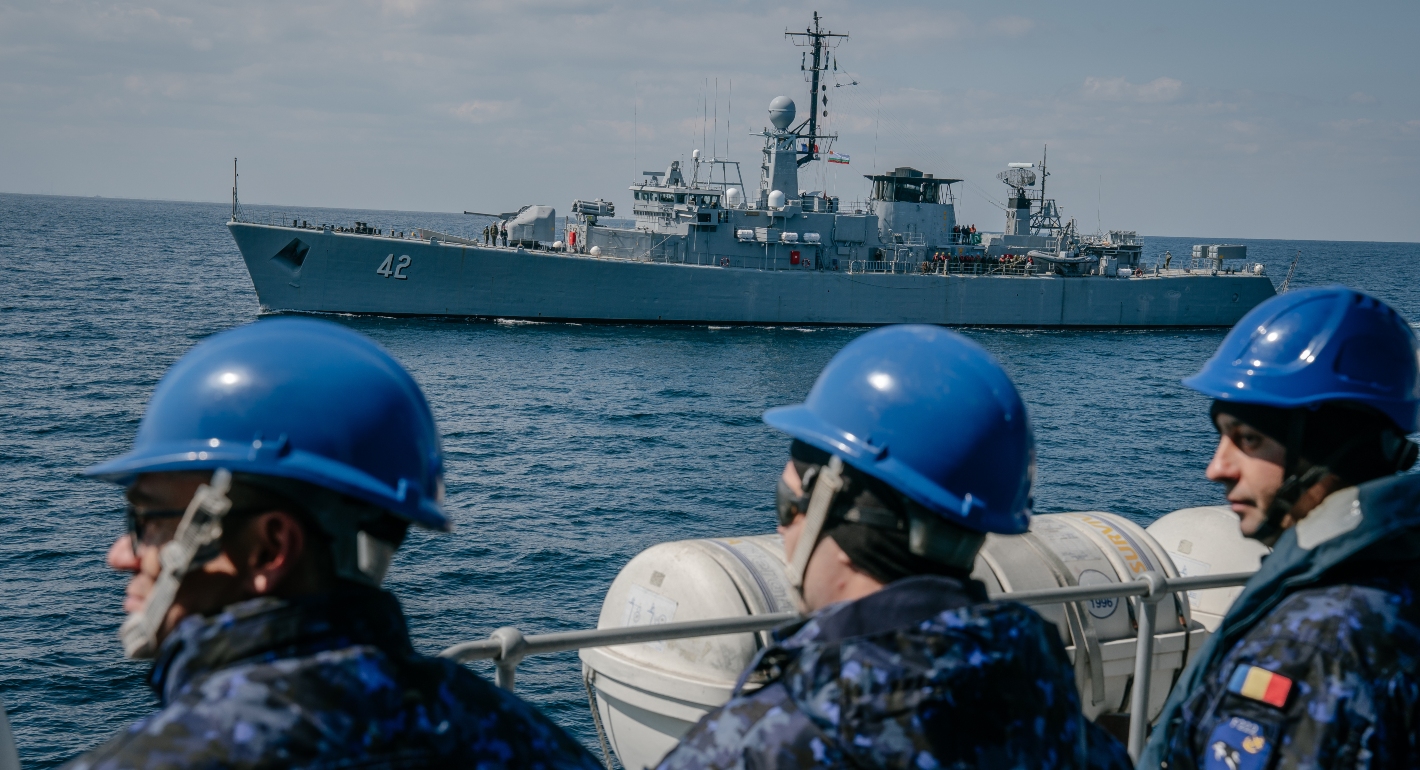
    As Russia's war on Ukraine drags on, NATO is expanding its footprint in the Black Sea. Turkey, Romania, and Bulgaria are upgrading their fleets and deepening trilateral cooperation.

      Dimitar Bechev

Get more news and analysis from
Carnegie Europe
Carnegie Europe logo, white
Rue du Congrès, 151000 Brussels, Belgium
  • Research
  • Strategic Europe
  • About
  • Experts
  • Projects
  • Events
  • Contact
  • Careers
  • Privacy
  • For Media
  • Gender Equality Plan
Get more news and analysis from
Carnegie Europe
© 2026 Carnegie Endowment for International Peace. All rights reserved.