

Q&A
Suzanne Maloney, Aaron David Miller, Karim Sadjadpour
{
  "authors": [
    "Karim Sadjadpour"
  ],
  "type": "legacyinthemedia",
  "centerAffiliationAll": "dc",
  "centers": [
    "Carnegie Endowment for International Peace",
    "Malcolm H. Kerr Carnegie Middle East Center"
  ],
  "collections": [],
  "englishNewsletterAll": "menaTransitions",
  "nonEnglishNewsletterAll": "",
  "primaryCenter": "Carnegie Endowment for International Peace",
  "programAffiliation": "MEP",
  "programs": [
    "Middle East"
  ],
  "projects": [],
  "regions": [
    "Middle East",
    "Iran",
    "Gulf"
  ],
  "topics": [
    "Security",
    "Political Reform",
    "Democracy",
    "Foreign Policy",
    "Nuclear Policy"
  ]
}
Source: Getty
It remains to be seen how the Obama administration’s efforts at engagement with Iran will affect the domestic situation, as tensions grow between the opposition leadership’s calls for reform and the movement’s younger members, who are looking for a more fundamental change.
Source: On Point

The regime has dug in its heels as the opposition has become more vehement and daring. Karim Sadjadpour suggests that “the political elites of the regime have no where to go outside of Iran and therefore will not give up power without a fight.” Ayatollah Khamenei learned from the Shah’s mistake of apologizing for past grievances, which opened the door for the Islamic revolution to overthrow the Shah in 1979. Accordingly, “Khamenei has created a zero-sum game”, notes Sadjadpour, where his regime will fight to the bitter end.
The approach of the Obama administration with regards to engagement has unsettled the regime and created dissension among the political elites over how to respond to Obama’s overtures. The administration’s efforts at engagement have demonstrated that “the problems lie in Tehran, not in Washington,” according to Sadjadpour.

Senior Fellow, Middle East Program
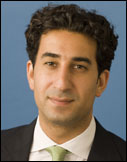
Karim Sadjadpour is a senior fellow at the Carnegie Endowment for International Peace, where he focuses on Iran and U.S. foreign policy toward the Middle East.
Recent Work


Suzanne Maloney, Aaron David Miller, Karim Sadjadpour

Aaron David Miller, Karim Sadjadpour, Robin Wright
Carnegie does not take institutional positions on public policy issues; the views represented herein are those of the author(s) and do not necessarily reflect the views of Carnegie, its staff, or its trustees.

The EU’s responses to two recent incidents expose the gulf between European perceptions and capabilities. Unless the union can bridge that gap, it will never become a real geostrategic power.

Rym Momtaz

European states control several Overseas Countries and Territories around the world that carry strategic, economic, and environmental weight. As great powers challenge the rules-based order, defending them is a geopolitical imperative for Europe.

Marc Pierini
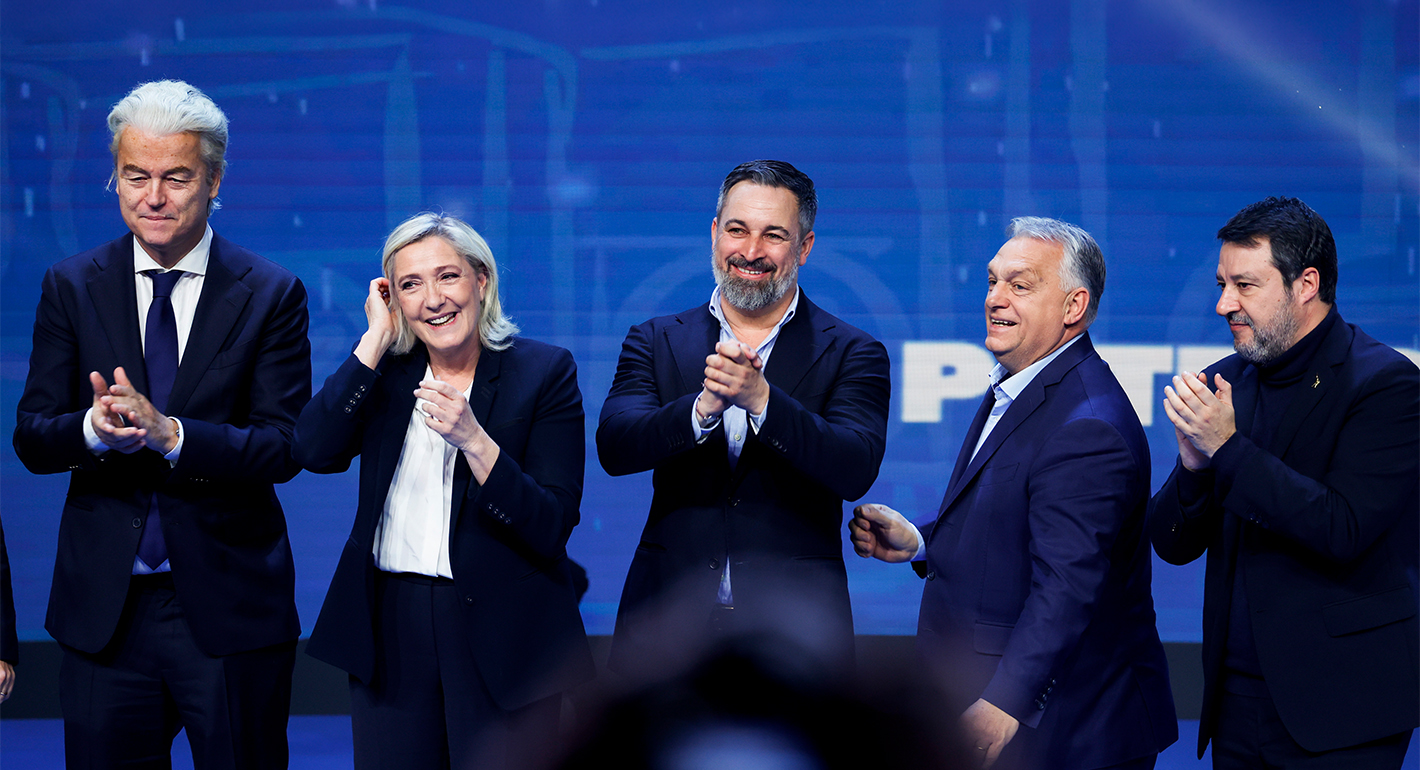
In supporting Europe’s far-right, MAGA and Russia both want the same thing: a weaker EU. Europe must defend itself without abandoning the openness these forces exploit.

Armida van Rij
As we close out another season of Strategic Europe, it is worth taking stock of the deep shifts underway.
Rym Momtaz

The hybrid warfare landscape is evolving rapidly, leaving policymakers without clear strategies. To better inform their work in addressing emerging challenges, governments must dig deeper into the underlying dynamics at play.


Raluca Csernatoni, Alicia Wanless