

Article
Henri J. Barkey
{
  "authors": [
    "Henri J. Barkey"
  ],
  "type": "legacyinthemedia",
  "centerAffiliationAll": "dc",
  "centers": [
    "Carnegie Endowment for International Peace",
    "Carnegie Europe",
    "Malcolm H. Kerr Carnegie Middle East Center"
  ],
  "collections": [
    "Turkey’s Transformation"
  ],
  "englishNewsletterAll": "menaTransitions",
  "nonEnglishNewsletterAll": "",
  "primaryCenter": "Carnegie Endowment for International Peace",
  "programAffiliation": "MEP",
  "programs": [
    "Middle East"
  ],
  "projects": [],
  "regions": [
    "Middle East",
    "Türkiye",
    "Egypt",
    "Gulf",
    "Levant",
    "Europe"
  ],
  "topics": [
    "Security"
  ]
}
Source: Getty
Turkey is one of the most economically and politically powerful states in the Middle East and it has recently been taking steps to fill the leadership vacuum that exists in the region.
Source: Al Jazeera's Inside Story
During the end of the Bush administration, Turkey began to position itself to fill the leadership vacuum in the Middle East. Turkey is one of the most economically and politically powerful states in the region. Its government brokered negotiations between the Syrians and the Israelis. Yet while those negotiations demonstrate the strength of Turkey’s ambitions, Carnegie’s Henri Barkey suggested that “the importance of these negotiations should not be exaggerated;” no real deal could have been made without U.S. involvement and approval.
Addressing concerns that the United States and Turkey are becoming increasingly estranged, Barkey asserted that “the big problem between the United States and Turkey is Iran; everything else is just a sideshow.” Ultimately, he concluded, the Turks and Americans remain important allies and will continue to cooperate on the multitude of regional issues where their interests coincide.
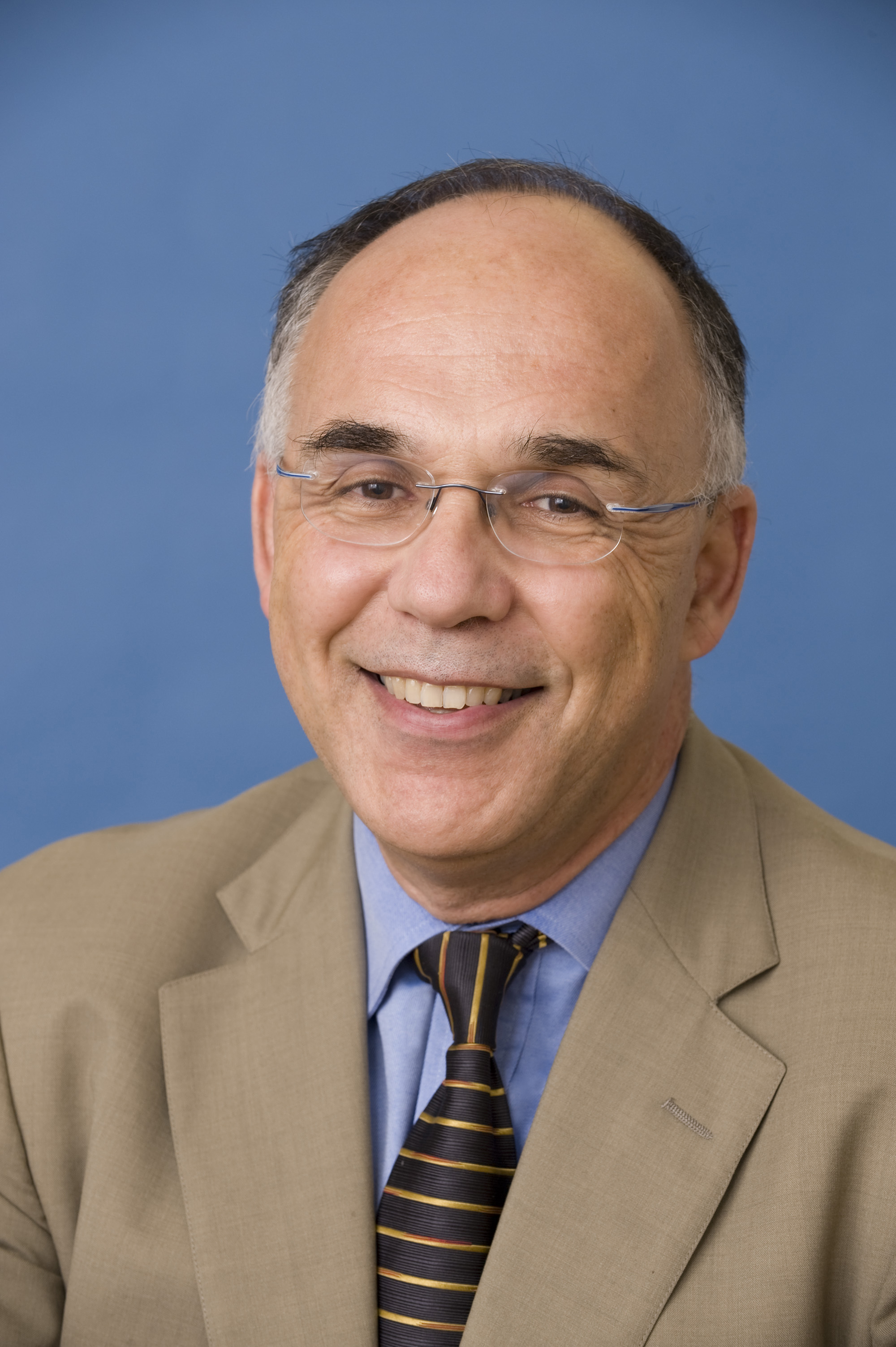
Former Visiting Scholar, Middle East Program
Barkey served as a member of the U.S. State Department Policy Planning Staff, working primarily on issues related to the Middle East, the Eastern Mediterranean, and intelligence from 1998 to 2000.
Recent Work
Henri J. Barkey
Henri J. Barkey

European Commission President Ursula von der Leyen is about to give her annual address on the state of the EU. Here’s what she won’t—but should—say.

Rym Momtaz

Radical-right parties are expected to do well in upcoming elections in four of the EU's biggest member states. If successful, they could prevent the union from addressing key challenges ahead.

Stefan Lehne

The aftermath of the Ceuta crisis shows Europe has drawn the wrong lessons. Rather than doubling down on failed migration policies, the EU needs to address the underlying roots of such episodes.

Richard Youngs

An overwhelming victory by a far-right-wing party in a small state in eastern Germany will have major repercussions for Chancellor Friedrich Merz’s coalition.

Judy Dempsey

Canadian Prime Minister Mark Carney has twice inspired praise for standing up to U.S. President Donald Trump: at the 2026 World Economic Forum in Davos and on Canada-U.S. trade negotiations. Is Carney showing a third way better than the EU has in dealing with the Trump administration?
Rym Momtaz, ed.