• Research
  • Strategic Europe
  • About
  • Experts
Carnegie Europe logoCarnegie lettermark logo
EUUkraine
  • Donate
{
  "authors": [
    "Paul Salem"
  ],
  "type": "legacyinthemedia",
  "centerAffiliationAll": "",
  "centers": [
    "Carnegie Endowment for International Peace",
    "Malcolm H. Kerr Carnegie Middle East Center"
  ],
  "collections": [],
  "englishNewsletterAll": "",
  "nonEnglishNewsletterAll": "",
  "primaryCenter": "Malcolm H. Kerr Carnegie Middle East Center",
  "programAffiliation": "",
  "programs": [],
  "projects": [],
  "regions": [
    "Egypt",
    "Levant"
  ],
  "topics": []
}
Source: Getty

In The Media
Malcolm H. Kerr Carnegie Middle East Center

Turkey-Egypt Relations

While areas of cooperation between Egypt and Turkey are numerous, Egypt has not entirely reconciled itself to Ankara’s larger ambitions in the Middle East.

Link Copied
By Paul Salem
Published on Aug 5, 2010

Source: World Politics Review

Turkey-Egypt RelationsTurkish President Abdullah Gül met with Egyptian President Hosni Mubarak late last month to discuss bilateral relations and the Middle East peace process. In a Q&A, Paul Salem discusses Turkey-Egypt bilateral relations historically, explains their actual status, and reviews the potential issues for increased cooperation and/or conflict between the two countries.

How would you characterize Turkish-Egyptian relations historically?

For most of the 2Oth century, Egypt and Turkey were effectively part of different "regions." Until recently, Turkey was generally orientated toward the West -- with its inclusion in the NATO alliance -- and had fairly tense relations with the countries of the Arab East. Turkey was viewed suspiciously by the Egyptian-led Arab world, but relations improved after Egypt's peace treaty with Israel, as Turkey had strong relations with Israel in the 1970s, 1980s, and 1990s. 
 

Has that changed recently? If so, how?

The general situation has shifted over the past decade for several reasons: The rise of the AKP party helped Turkey rebuild relations with the Arab world. The growth of Turkish exports pushed Ankara to seek markets in the Middle East. And the collapse of Iraq and rise of Iran encouraged Egypt and other Arab states to reach out to Turkey to help counterbalance Tehran's growing reach. 
 
The Turkish role rose to a new level after the Gaza war of December 2008 to January 2009 and the flotilla incident of June 2010. These crises catapulted Turkey to a leadership position in the eyes of the public over the blockade of Gaza and consequently raised tensions with Egypt, which considers the Gaza issue an area of exclusive Egyptian influence. 
 

What are the potential issues for increased cooperation and/or conflict between the two?
Areas of cooperation between Egypt and Turkey are numerous. They are both strongly in favor of stability, Arab-Israeli peace, and a non-nuclear Iran. They also share an interest in good relations with the West. Furthermore, they have complementary economic interests. There is significant Turkish investment in Egypt, and Egypt is an important market for Turkey. Both Egypt and Turkey need access to Arab Gulf markets and would benefit from significant economic development in Iraq. Their economic interests are compatible because Egypt mainly exports labor whereas Turkey exports manufactured goods. 
 
There are no major conflicts between Turkey and Egypt. Egypt was not happy, however, that Turkish Prime Minister Recep Tayyip Erdogan claimed a strong public role over the Gaza issue after the flotilla incident. In terms of the peace process, the two countries have complementary advantages in the sense that Egypt can play a significant role with Hamas and Fatah, whereas Turkey can play a significant role mediating between Syria and Israel. 
 
Egypt initially was not open to a larger Turkish diplomatic and political role in the Middle East. Cairo has softened its position, and Arab League Secretary-General Amr Moussa has proposed the establishment of a committee within the Arab League that would include Turkey and Iran in order to work together on regional issues.

About the Author

Paul Salem

Senior Fellow at the Middle East Institute

Paul Salem is a senior fellow at the Middle East Institute.

    Recent Work

  • Paper
    Iraq’s Tangled Foreign Interests and Relations

      Paul Salem

  • Article
    Bracing for Impact in Syria

      Paul Salem

Paul Salem
Senior Fellow at the Middle East Institute
Paul Salem
EgyptLevant

Carnegie does not take institutional positions on public policy issues; the views represented herein are those of the author(s) and do not necessarily reflect the views of Carnegie, its staff, or its trustees.

More Work from Carnegie Europe

  • Paper
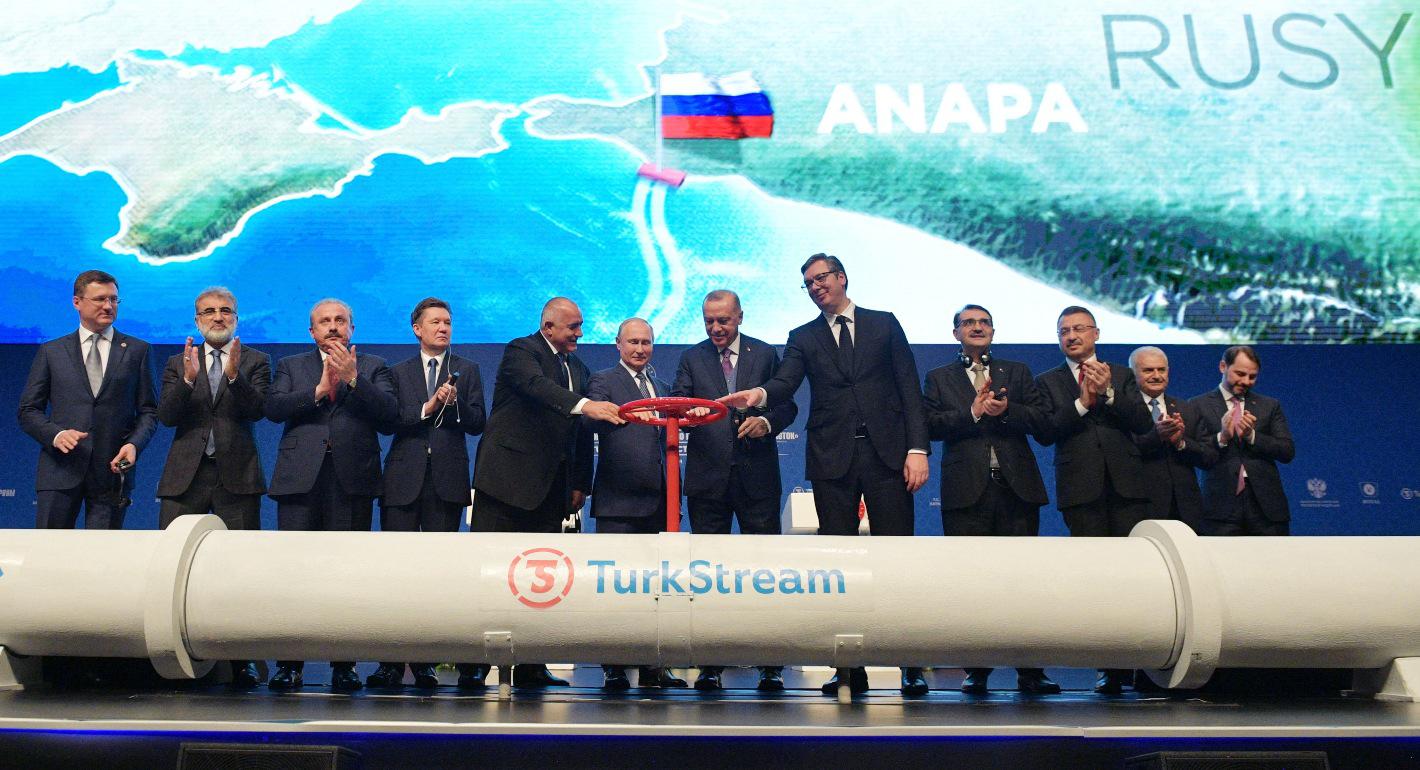
    Understanding the Energy Drivers of Turkey’s Foreign Policy

    Turkey’s dependence on energy imports has an impact on the country’s economic and geopolitical orientation. Turkish leaders should devise energy policies that respond to domestic priorities, regional ambitions, and the challenges posed by climate change.
      • Francesco Siccardi

      Francesco Siccardi

  • Commentary
    Diwan
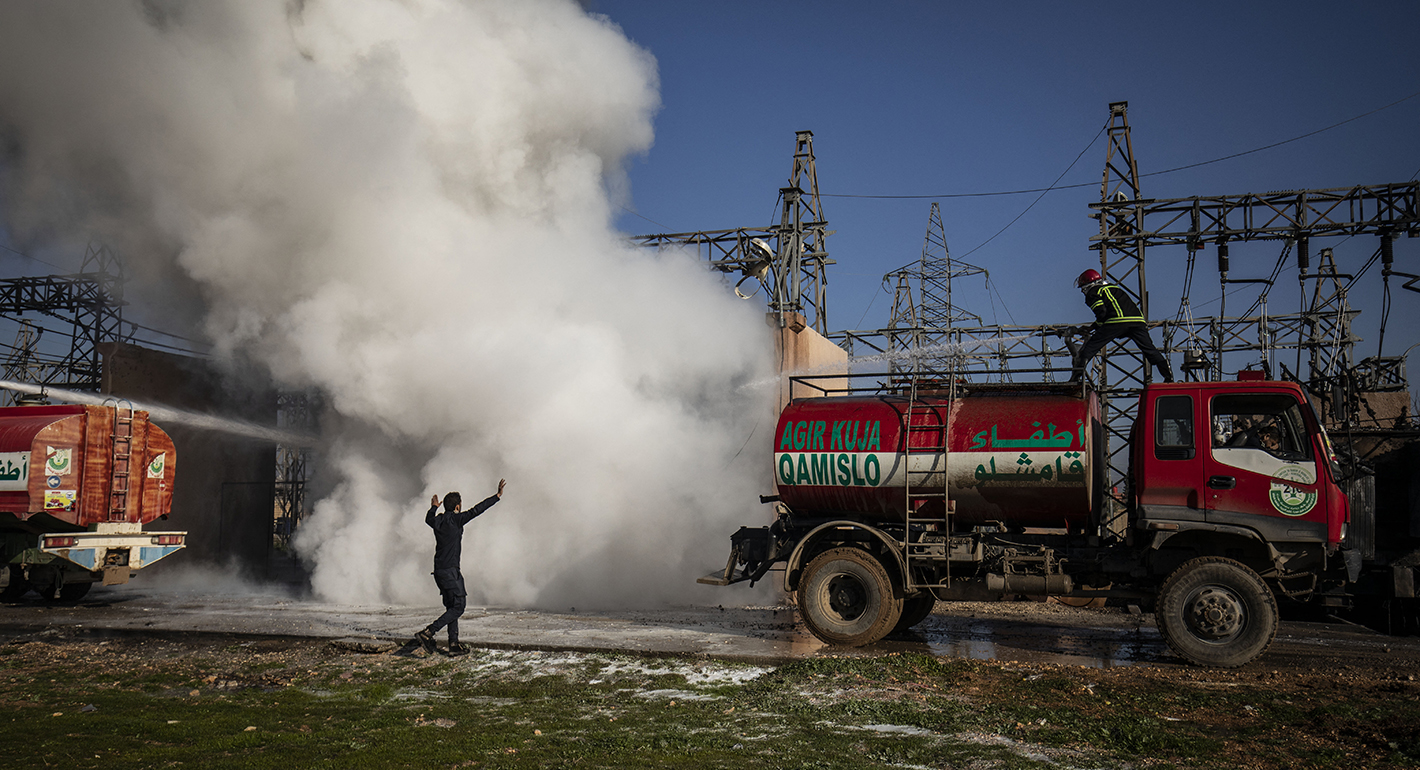
    Why Turkey’s Syria Policy May Be About to Change

    As municipal elections near, the Erdogan government feels it is facing a dangerous situation that imposes a new military intervention.

      • Francesco Siccardi

      Francesco Siccardi

  • Commentary
    Strategic Europe
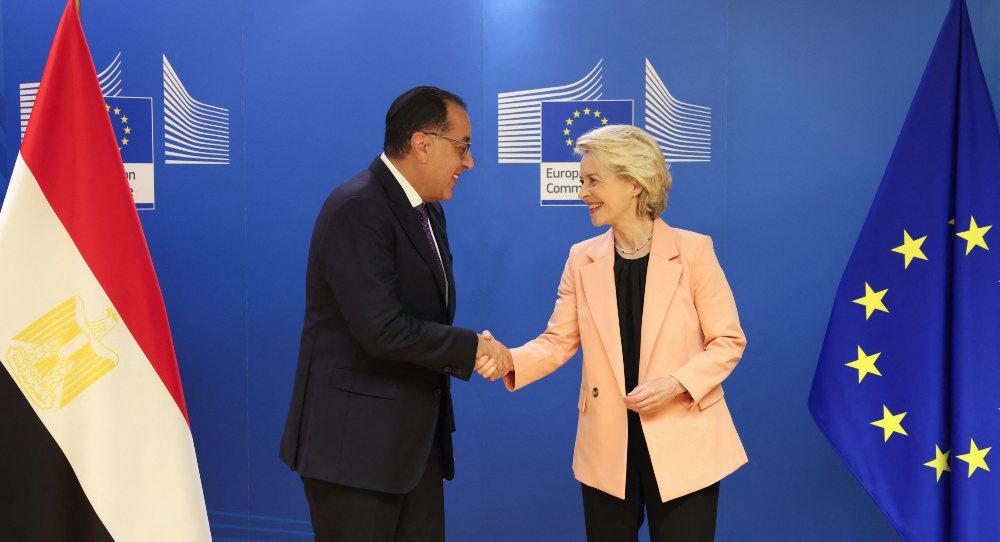
    How the EU Supports Authoritarianism in Egypt

    Brussels is overlooking Egypt’s lack of democratic reforms to secure Cairo’s cooperation in other fields. This short-sighted approach is emboldening the regime and hurting Egyptian civil society.
      Christian Achrainer, Michelle Pace
  • Commentary
    Diwan
    Nagorno-Karabakh: The Broader Implications

    Beyond the tragedy of the Armenians, many countries in the region and internationally have a stake in what happens in the territory.

      Marc Pierini
  • Commentary
    Diwan
    After the Disaster

    Donors have pledged money to Turkey and Syria after the recent earthquake, but now the hard part begins.

      • Francesco Siccardi

      Marc Pierini, Francesco Siccardi

Get more news and analysis from
Carnegie Europe
Carnegie Europe logo, white
Rue du Congrès, 151000 Brussels, Belgium
  • Research
  • Strategic Europe
  • About
  • Experts
  • Projects
  • Events
  • Contact
  • Careers
  • Privacy
  • For Media
  • Gender Equality Plan
Get more news and analysis from
Carnegie Europe
© 2026 Carnegie Endowment for International Peace. All rights reserved.