

Q&A
Christopher Boucek
{
  "authors": [
    "Christopher Boucek"
  ],
  "type": "legacyinthemedia",
  "centerAffiliationAll": "dc",
  "centers": [
    "Carnegie Endowment for International Peace",
    "Malcolm H. Kerr Carnegie Middle East Center"
  ],
  "collections": [],
  "englishNewsletterAll": "menaTransitions",
  "nonEnglishNewsletterAll": "",
  "primaryCenter": "Carnegie Endowment for International Peace",
  "programAffiliation": "MEP",
  "programs": [
    "Middle East"
  ],
  "projects": [],
  "regions": [
    "Middle East",
    "Yemen",
    "Gulf"
  ],
  "topics": [
    "Security",
    "Military"
  ]
}
Source: Getty
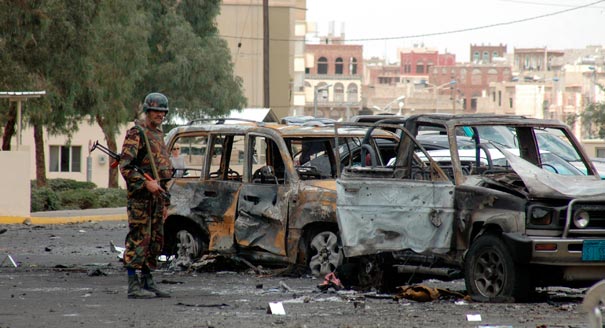
If U.S. counterterrorism assistance to Yemen only takes the form of military and security cooperation, the result is likely to be an increase in the popular grievances that fuel militant groups like al-Qaeda in the Arabian Peninsula.
Source: CTC Sentinel

AQAP has evolved into an increasingly lethal and agile organization, with a proven track record of mounting operations within Yemen, regionally, and internationally. AQAP has been clear in stating its planned objectives, and it has repeatedly delivered on its threats. These concerns have been heightened by the presence of Yemeni-American cleric Anwar al-`Awlaqi in Yemen and his alleged role in inciting English-speaking foreigners to engage in violence and militancy. There are also increasing worries about the involvement of Western, and especially American, nationals in alleged domestic terrorist plots related to or connected with Yemen, AQAP, and Anwar al-`Awlaqi. Moreover, Yemen itself is being transformed from a rest and training arena into an actual theater of jihad.
This article originally appeared in the CTC Sentinel
Former Associate, Middle East Program
Boucek was an associate in the Carnegie Middle East Program where his research focused on security challenges in the Arabian Peninsula and Northern Africa.
Recent Work
Christopher Boucek

Christopher Boucek, Karim Sadjadpour
Carnegie does not take institutional positions on public policy issues; the views represented herein are those of the author(s) and do not necessarily reflect the views of Carnegie, its staff, or its trustees.

Mounting economic strain and battlefield losses will not necessarily make the Kremlin less dangerous. They could instead push Moscow toward a more aggressive hybrid campaign designed to test NATO’s Eastern flank, exploit allied hesitation, and fracture European resolve.

Maksym Beznosiuk
Over the past ten years, NATO has held almost as many summits as it did during the entirety of the Cold War. Are they still useful, or is it time to stop holding annual meetings?

Rym Momtaz, ed.
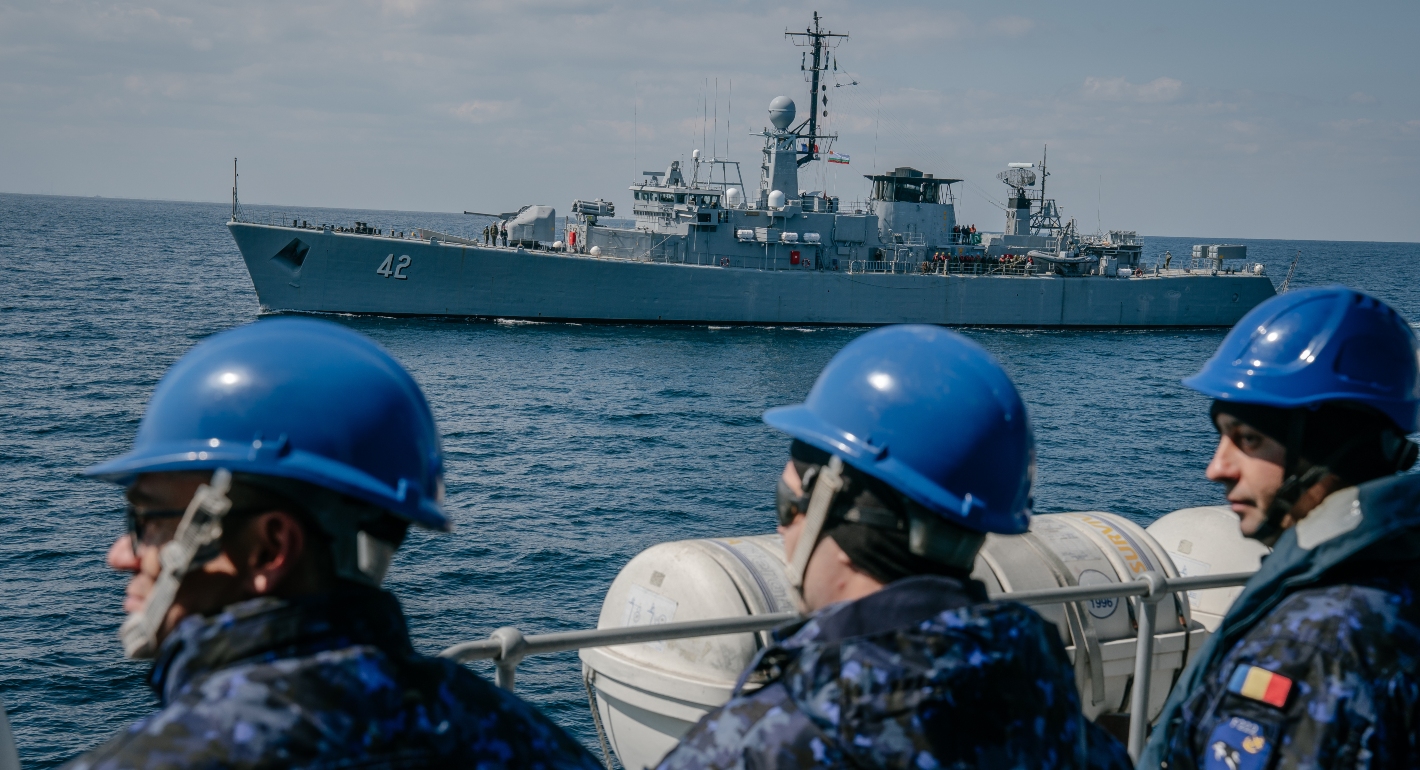
As Russia's war on Ukraine drags on, NATO is expanding its footprint in the Black Sea. Turkey, Romania, and Bulgaria are upgrading their fleets and deepening trilateral cooperation.

Dimitar Bechev
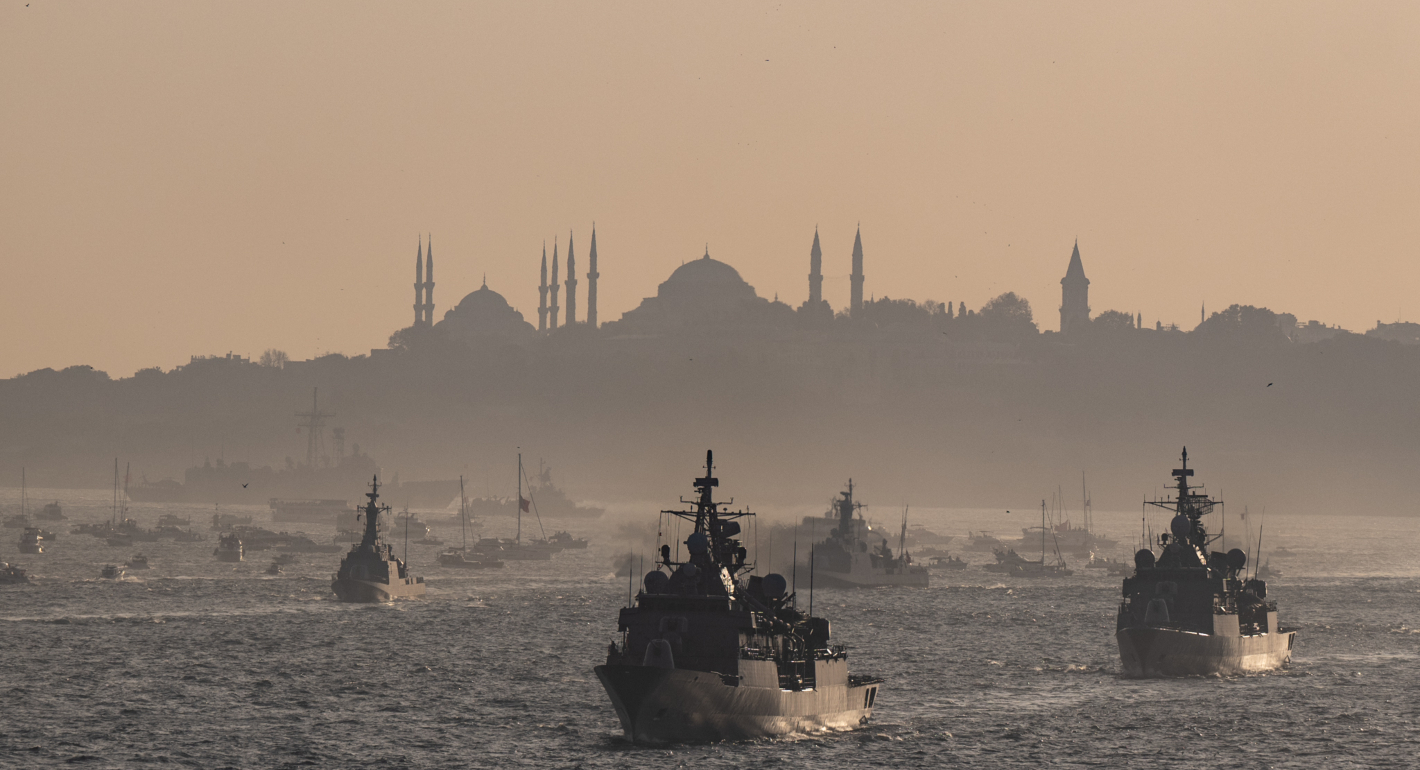
For ninety years, Turkey has been positioned as the principal gatekeeper of Black Sea security. As a result, European and NATO efforts to support Ukraine will require closer engagement with Ankara.

Thomas de Waal

Western Europe’s dual-use infrastructure melted down during its latest heat wave. If a predicted hot weather event can take the continent by surprise, what chance does it have to withstand unexpected geopolitical crises?
Rym Momtaz