• Research
  • Strategic Europe
  • About
  • Experts
Carnegie Europe logoCarnegie lettermark logo
EUUkraine
  • Donate
{
  "authors": [
    "Nathan J. Brown"
  ],
  "type": "legacyinthemedia",
  "centerAffiliationAll": "dc",
  "centers": [
    "Carnegie Endowment for International Peace",
    "Malcolm H. Kerr Carnegie Middle East Center"
  ],
  "collections": [
    "Arab Awakening"
  ],
  "englishNewsletterAll": "menaTransitions",
  "nonEnglishNewsletterAll": "",
  "primaryCenter": "Carnegie Endowment for International Peace",
  "programAffiliation": "MEP",
  "programs": [
    "Middle East"
  ],
  "projects": [],
  "regions": [
    "North Africa",
    "Egypt"
  ],
  "topics": [
    "Political Reform"
  ]
}
Source: Getty

In The Media

Uncertainty Ahead for Egypt

While the Egyptian opposition wants an inclusive and fundamental reform and a transition to a more pluralist and democratic system, it remains to be seen whether their demands will be met by the military.

Link Copied
By Nathan J. Brown
Published on Feb 12, 2011

Source: Australian Broadcasting Company

ELIZABETH JACKSON: Nathan Brown is a Professor of international affairs at George Washington University in the US.
 
He's written extensively about Egypt and the Middle East and he's been watching the events unfold overnight.
 
I spoke to Professor Brown just a short time ago and asked him what's likely to happen next.
 
NATHAN BROWN: Well that's the big question because nobody has said. Some foreign leaders have made clear what they expect to happen and some of the demonstrators have made clear what they expect to happen, but the military simply has not tipped their hand.
 
When vice president Omar Suleiman announced Mubarak's stepping down he simply said they will be administering the affairs of the country, that's all that he said.
 
Now presumably there's going to be some kind of political reconstruction process but how inclusive that's going to be, how drawn out that's going to be, who's going to be doing it and what they're going to be doing - none of this is at all clear.
 
The opposition clearly want an inclusive and a fundamental reform, really a transition to a more pluralist and democratic system but it's not clear if that's what the military has in mind or even if it knows yet what it wants to do.
 
ELIZABETH JACKSON: And with the country's Supreme Military Council in charge, is Egypt necessarily on the way to democracy?
 
NATHAN BROWN: Absolutely not. What we've seen so far is essentially a military coup, a military coup that in response to public pressure has pushed the political leadership of the country aside. But what they're going to do with that authority now that they have grasped it is unclear.
 
And the military thus far has been acting essentially to preserve public order but also a little bit to harass demonstrators, try to cut them down to size a little bit. There are even reports that some arrested them.
 
So it's not clear that they're all that friendly toward the idea of a democratic transition.
 
ELIZABETH JACKSON: What do we know of the Military Council and its agenda?
 
NATHAN BROWN: We don't know. I mean, we do know that this council is composed of the leaders of the, of each of the armed forces. But the military in Egypt is a little bit of a society unto itself. So these are not people with a large public profile or public face.
 
In addition it's not clear who is joining them, if anybody else is. Omar Suleiman's role - he is the vice president, that's unclear. Is this group ruling a sort of presidency council or are they still maintaining the fiction of a constitutional system, in which case the speaker of the parliament or the president of the Constitutional Court would nominally serve as acting president. That's not clear.
 
Are they going to appoint a Civilian Cabinet, and if so are they going to reach out to the opposition. That's unclear.
 
ELIZABETH JACKSON: Now it seems unlikely that Hosni Mubarak left of his own volition. Do you think he was given an ultimatum by the army?
 
NATHAN BROWN: Well it was clear there was steadily increasing pressure on him, internationally and probably more importantly domestically and it was also clear that yesterday they had secured from him an agreement to hand over power. But the announcement that they actually got was so, was worded in such a patronising way and the bit about him handing over power to Omar Suleiman was tucked in there with absolutely no elaboration. So most people actually missed it.
 
So what we see naturally, is clearly there's enormous pressure that was being brought to bear on him, that brought him step by step, very reluctant, screaming all the way and very stubborn just to release political authority.
 
Exactly who made this pressure, how it was done, we don't know that yet. But it's clear it was not really all that voluntary.
 
ELIZABETH JACKSON: Nathan Brown a Professor of international affairs at George Washington University in the US.

About the Author

Nathan J. Brown

Nonresident Senior Fellow, Middle East Program

Nathan J. Brown, a professor of political science and international affairs at George Washington University, is a distinguished scholar and author of nine books on Arab politics and governance, as well as editor of five books.

    Recent Work

  • Commentary
    In the Trump Gaza Plan, Diplomatic Failure is Success

      Nathan J. Brown

  • Commentary
    Looking Past the Wall on Palestine-Israel

      Nathan J. Brown

Nathan J. Brown
Nonresident Senior Fellow, Middle East Program
Nathan J. Brown
Political ReformNorth AfricaEgypt

Carnegie does not take institutional positions on public policy issues; the views represented herein are those of the author(s) and do not necessarily reflect the views of Carnegie, its staff, or its trustees.

More Work from Carnegie Europe

  • Europe from Scratch: Visions for a New European Order
    Report
    Europe from Scratch: Visions for a New European Order

    As the EU confronts profound challenges, several leaders have called for fundamental reform to the union’s model—but only modest, superficial changes have resulted. What if Europe really could be reimagined from zero today: What should such a redesigned European order look like?

      Richard Youngs, ed.

  • Commentary
    Strategic Europe
    The Climate Blind Spot in Europe’s New Migration Pact

    The EU’s new migration policy is not suited to today’s realities. With climate change increasingly becoming a driver of displacement, Europe needs to rethink its deterrence-focused approach.

      • Shana Tabak headshot

      Shana Tabak

  • Europe flags citizens demonstration
    Commentary
    Strategic Europe
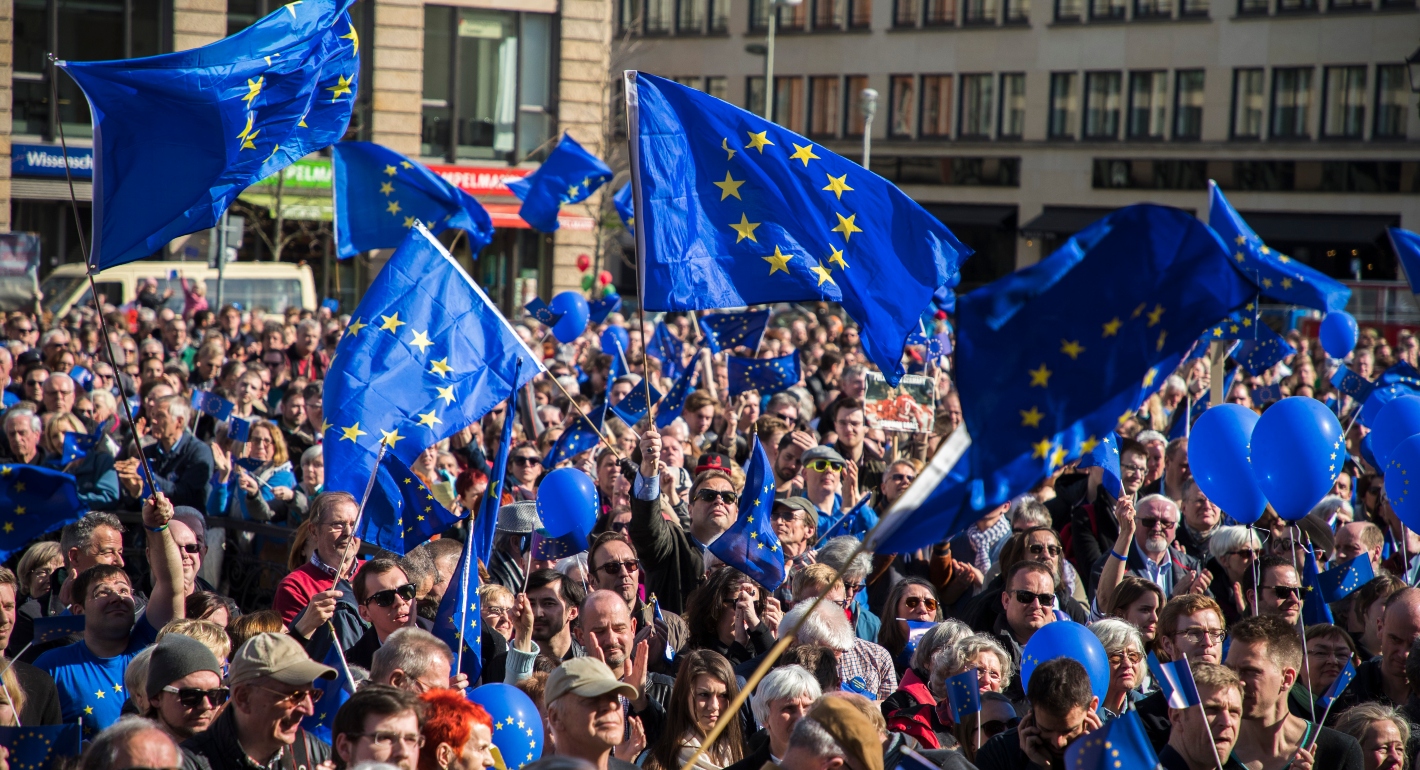
    EU Enlargement Forgets Europeans

    Preparing candidate countries for EU membership is no longer enough. As the enlargement process becomes a reality, the union must also prepare its own societies.

      Iliriana Gjoni
  • Article
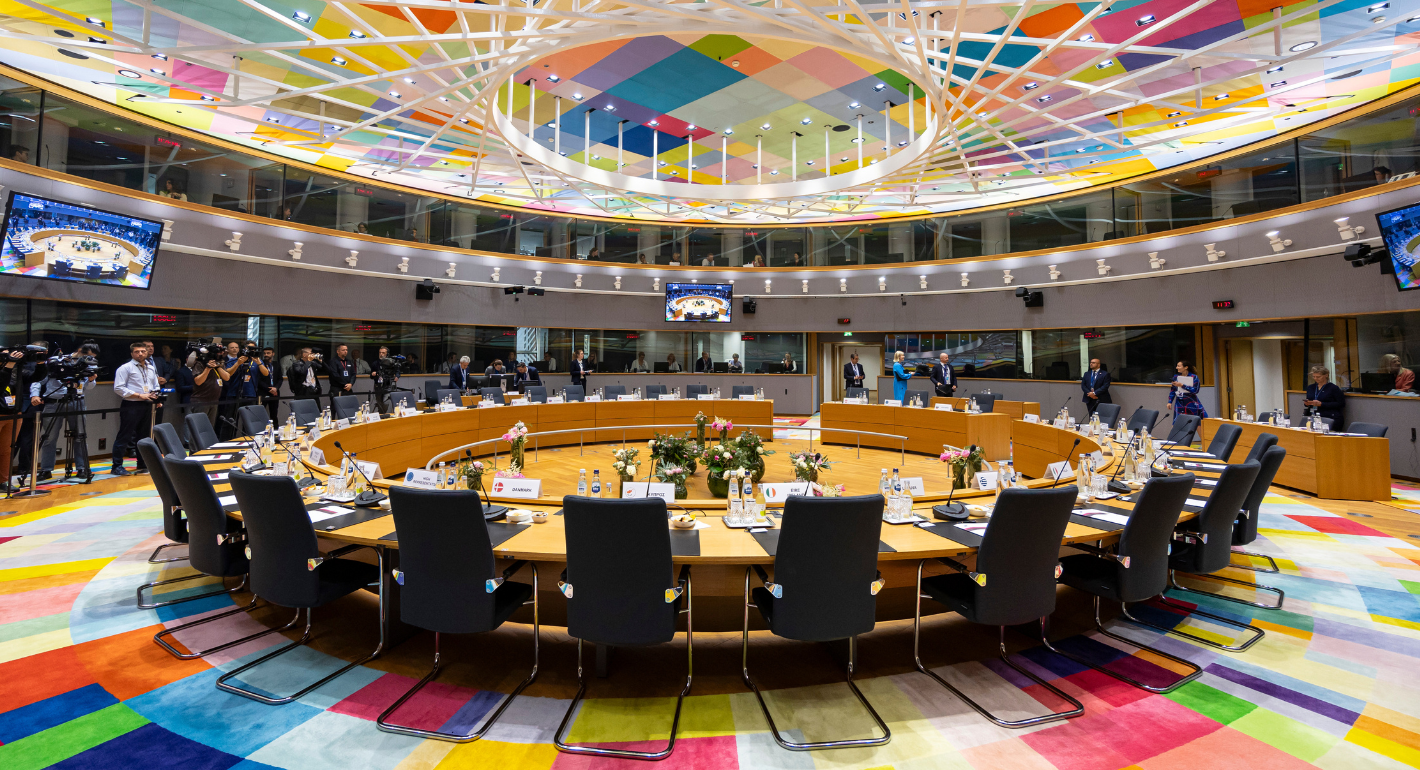
    EU Integration Without Ratification?

    Countries face several hurdles in joining the EU, including the final stage of ratifying their accession treaties. Procedural reforms and substantive adjustments could help move the process forward.

      Stefan Lehne
  • Commentary
    Strategic Europe
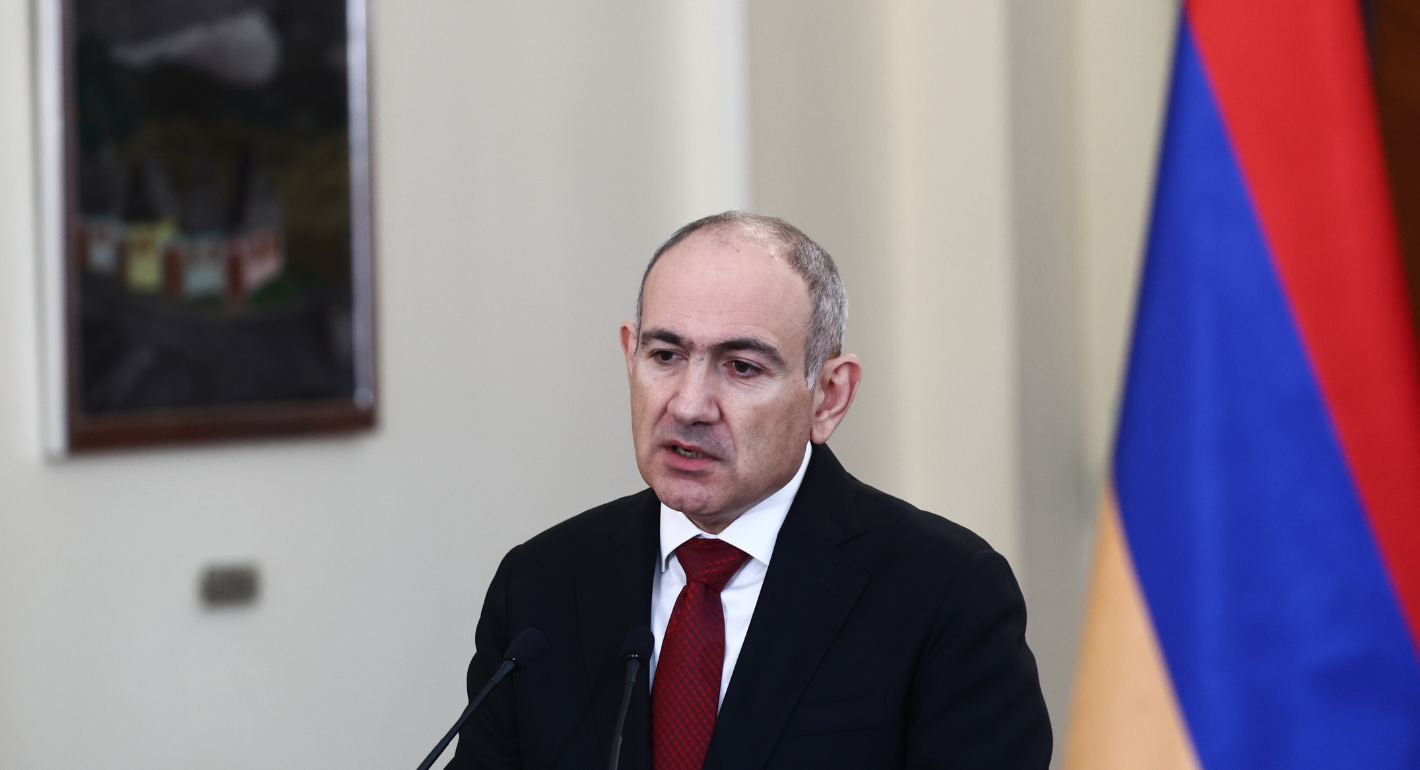
    There Is No Shortcut for Europe in Armenia

    Europe has an interest in supporting Armenian leader Nikol Pashinyan as he tries to make peace with neighbors and loosen ties with Russia. But it is depersonalized support in the long term, not quickfire flash, that will win the day.

      Thomas de Waal

Get more news and analysis from
Carnegie Europe
Carnegie Europe logo, white
Rue du Congrès, 151000 Brussels, Belgium
  • Research
  • Strategic Europe
  • About
  • Experts
  • Projects
  • Events
  • Contact
  • Careers
  • Privacy
  • For Media
  • Gender Equality Plan
Get more news and analysis from
Carnegie Europe
© 2026 Carnegie Endowment for International Peace. All rights reserved.