

Commentary
Before the next wave of EU enlargement takes place, the union needs to grapple with thorny questions of how power is distributed among its members.
Emil Sondaj Hansen, Ditte Brasso Sørensen
{
  "authors": [
    "Yana Alekseyenko",
    "Petr Topychkanov"
  ],
  "type": "legacyinthemedia",
  "centerAffiliationAll": "",
  "centers": [
    "Carnegie Endowment for International Peace",
    "Carnegie Russia Eurasia Center"
  ],
  "collections": [],
  "englishNewsletterAll": "",
  "nonEnglishNewsletterAll": "",
  "primaryCenter": "Carnegie Russia Eurasia Center",
  "programAffiliation": "",
  "programs": [],
  "projects": [
    "Eurasia in Transition"
  ],
  "regions": [
    "Egypt"
  ],
  "topics": [
    "Political Reform"
  ]
}
Source: Getty
Calls for mass demonstrations after Friday prayers on May 27 indicate the frustration some Egyptians feel toward a political process were elites remain in power.
Source: Voice of Russia

An Egyptian youth movement has called for new protests to demand a step-up in the prosecution of officials from deposed leader Hosni Mubarak's administration. Does that mean a new wave of unrest in Egypt, and how long will it take?
First of all, I would like to say that the events in Egypt can be hardly described as a revolution. This is a large-scale upset, but it is not a revolution or revolution of the Arab Spring as some analysts prefer to describe the events in Egypt. The reasons of this upset could be policies of the Mubarak family – not only himself, but also his cousins and other members of his family. It was not only dissatisfaction among young people and other levels of society in Egypt, but the most important was that there was upset among the Egyptian elite and the military. So, all the levels of the Egyptian society were not satisfied with the policies of the Mubarak family. Now we can see that there is a change of power in Egypt, but it is not a revolution.
And how do you see further destiny of the former President Hosni Mubarak? Will he manage to avoid jail?
It is difficult to say what results he will get in the future, but, of course, he is out of power, maybe he will not be in prison, but this case can be an example for future changes of power in Egypt if Mubarak will be in prison. So, the next leader in case of the change of power in Egypt can be brief as well. But it cannot be a home arrest or some kind of arrest. Anyway, the most important thing here is that we should wait for the change in the economic field because the Mubarak family used to possess many assets in the economic area. So, now other families, other members of the Egyptian elite can be more powerful in the economic field. We can wait for some kind of competition between them, and I believe that military and security agencies of Egypt can play a very important role in this competition.
Several new protests kicked off in Cairo last week after traditional prayers. The protesters said they were preparing a mass demonstration on May 27 because many Egyptians have not seen any changes since Mubarak was forced to stand down. So, what can you say about the current political situation in Egypt? How do you see it developing?
I understand the feelings of people in Egypt because in fact they did not get anything they wanted to get from the change of power in Egypt. Only the family of Mubarak was moved from power, but other groups, the military, the political elite are still in power.
What political and economical support can the West provide to Egypt nowadays?
First of all, the West has to continue trade and economic relations with Egypt, and for the government and for the political elite of Egypt it is a very important resource of support. The second point is that you can see that the West and, for example, the United States, now decided not to intervene with the political forces in Egypt. So, now we can see that the most important thing, the most important influence for the political and economic future of Egypt depends on relations between the elite, the military and the population of Egypt, not between the West, the United States and Egypt, because before, at the beginning of this event, the position of the West was very important for moving the family of Mubarak from power.
And as for relations between Muslims and Coptic Christians in Egypt, they are darkened by acts of violence, and the Christian minority complains of unfair treatment in the country. So, how do you see further development of relations between these two communities?
The situation with the status and the position of Coptic Christian minority in Egypt became very difficult and very hard before these events. We could expect that these events would bring democracy, transparency and social satisfaction to all groups of Egyptian society, but it is not true because a very important role in these events is related to the Muslim Brotherhood and in the streets we can see the influence of Islamic ideology, Islamic ideas and Islamic slogans. That is why now the position of the Christian minorities in Egypt is not so good as we could expect. So, it seems to me that during this transition period which may continue for years we can expect some conflicts and violence in relations between the Christian minority and some Muslim organizations, because it happens during this kind of events in any society, for example, in Pakistan, in India, and in other states where there are some religious minorities.
So, these religious clashes in the country can lead to civil war?
I am not sure because the military agencies, the security agencies of Egypt are not interested in any civil war now, because a civil war will lead Egypt to a revolutionary change of power, and no political group now is interested in this change, even the Muslim Brotherhood. So, what they need now is to control conflicts and to control violence, and in these circumstances the conflict relating to religious minorities is very useful and can be used for political games.
Some experts believe that a new crime wave is engulfing Egypt and the mounting disorder is a synonym with democracy. And what is your opinion?
First of all, for me it is not easy to believe that changes in the Middle East and particularly in Egypt can be described as a moving democracy. People did not get power, they did not get influence on policy-making decisions, and we can see that the political power is still under control of the same elite, of the same groups. Unfortunately, we cannot see good opportunities for new political forces.
Yana Alekseyenko
Former Fellow, Nonproliferation Program, Moscow Center
Topychkanov was a fellow in the Carnegie Moscow Center’s Nonproliferation Program.
Carnegie does not take institutional positions on public policy issues; the views represented herein are those of the author(s) and do not necessarily reflect the views of Carnegie, its staff, or its trustees.

Before the next wave of EU enlargement takes place, the union needs to grapple with thorny questions of how power is distributed among its members.


Emil Sondaj Hansen, Ditte Brasso Sørensen

As the EU confronts profound challenges, several leaders have called for fundamental reform to the union’s model—but only modest, superficial changes have resulted. What if Europe really could be reimagined from zero today: What should such a redesigned European order look like?

Richard Youngs, ed.
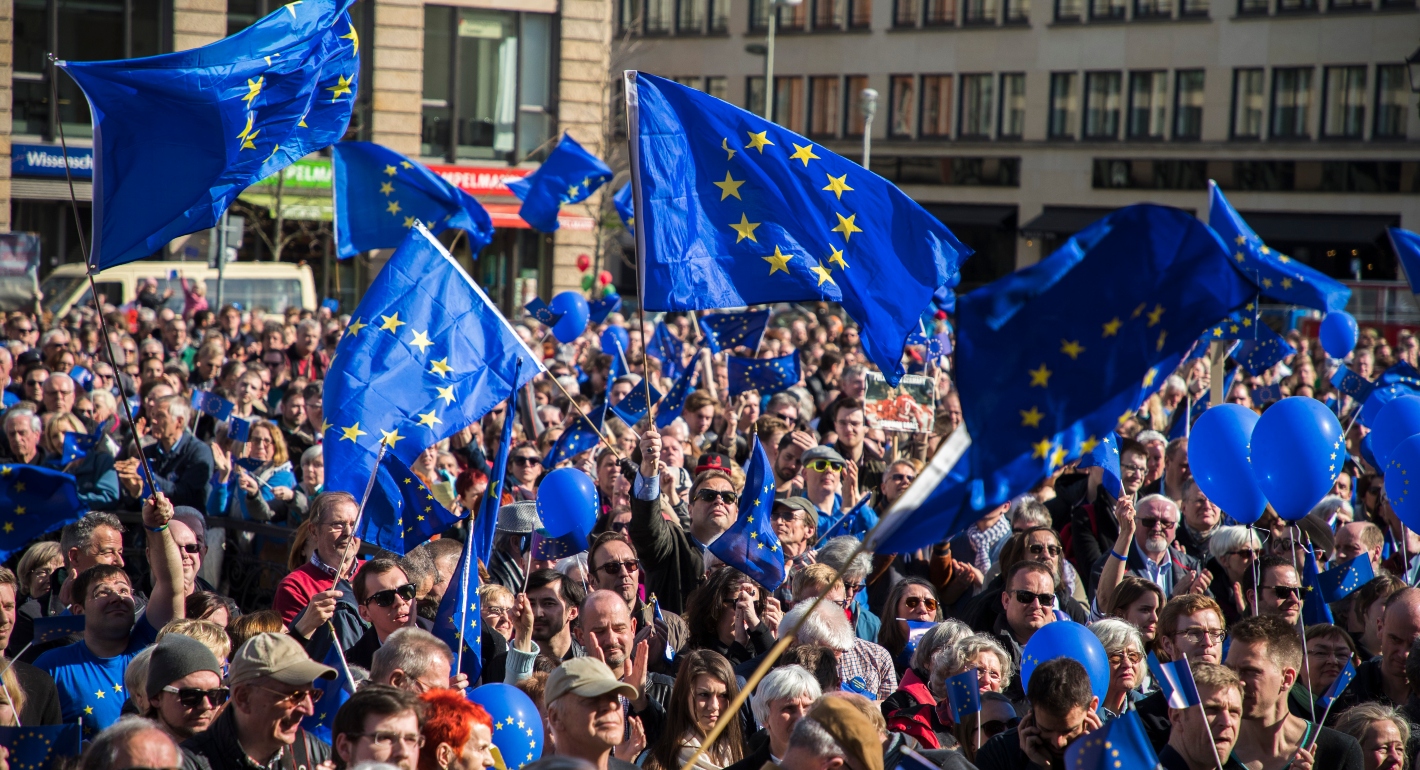
Preparing candidate countries for EU membership is no longer enough. As the enlargement process becomes a reality, the union must also prepare its own societies.

Iliriana Gjoni
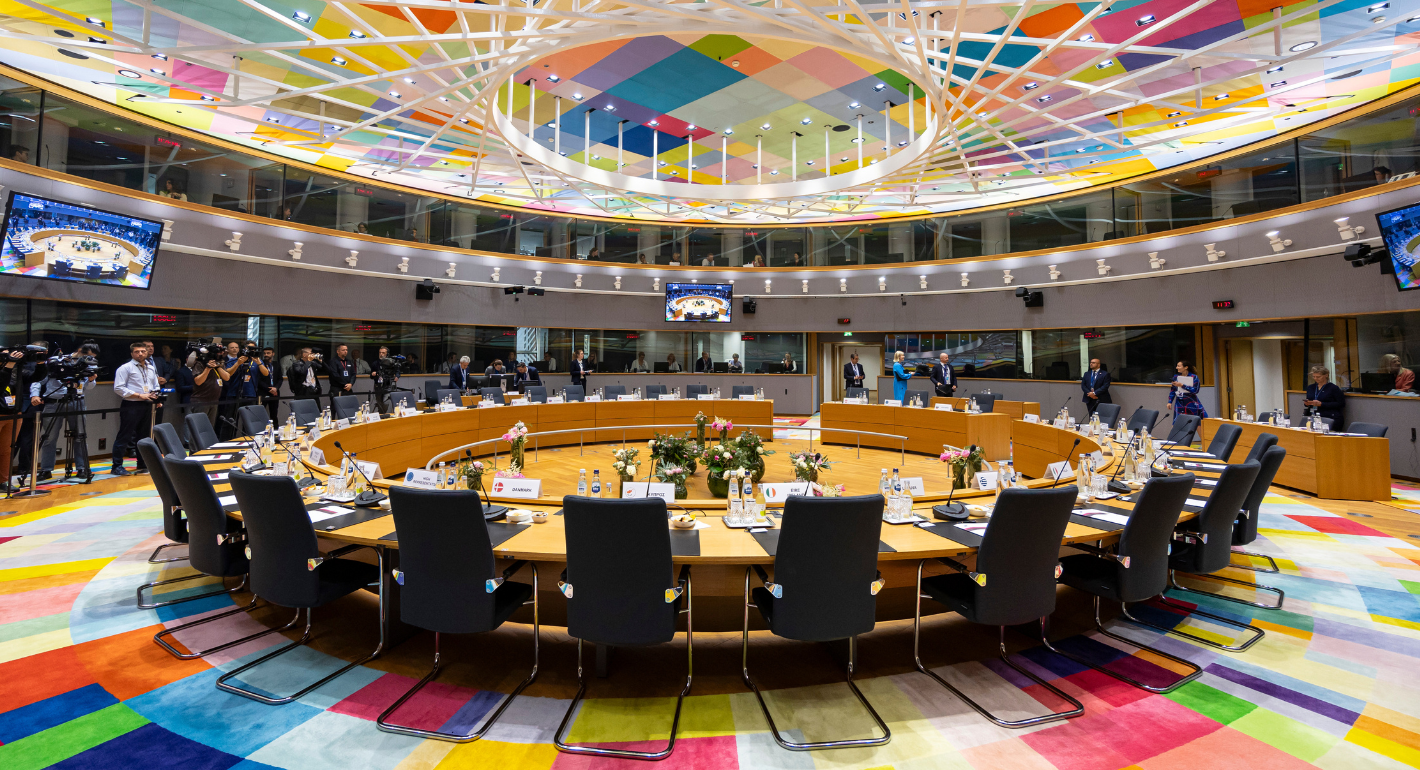
Countries face several hurdles in joining the EU, including the final stage of ratifying their accession treaties. Procedural reforms and substantive adjustments could help move the process forward.

Stefan Lehne
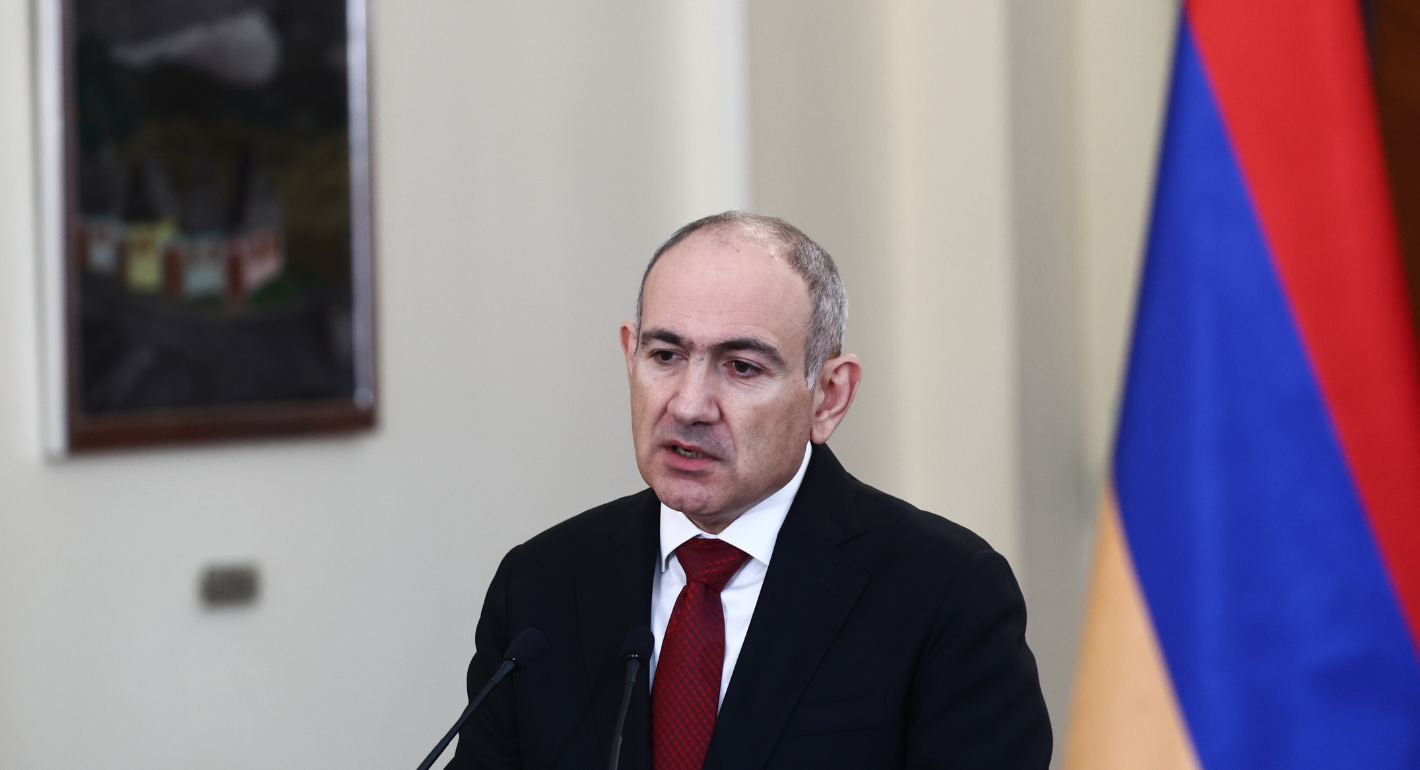
Europe has an interest in supporting Armenian leader Nikol Pashinyan as he tries to make peace with neighbors and loosen ties with Russia. But it is depersonalized support in the long term, not quickfire flash, that will win the day.

Thomas de Waal