As demonstrations continue in Syria, the Assad regime has two options: either it will accept a new deal based on serious political reform or inclusion, or the country will drift toward civil war.
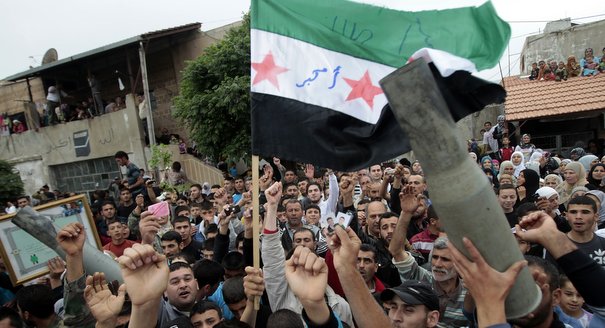
Syria: Past the Point of No ReturnThe crisis in Syria is passing the tipping point. After four months of repression, protests are large and getting larger. The government is using about 50,000 Special Forces to combat the unrest, but every Friday many times that number are out on the streets. Although Damascus and Aleppo, the two largest cities, are still relatively calm, Hama, Homs and several other towns and areas are in near-open rebellion.
The unrest has also unleashed a wave of economic consequences that are only pushing the Syrian state closer to collapse. According to recent reports, business and trade are down 50 percent, unemployment has doubled, food and electricity shortages are escalating, $20 billion has already left the country, banks fear a run on their assets and the government is printing pounds at a furious pace, which risks a rapid devaluation of the national currency.
The large merchant and middle classes of the big cities had accepted the Assad-regime bargain of giving up political rights in exchange for economic prosperity. With the government no longer able to deliver either, the so-far silent majority in Syria are likely to finally speak out.
The holy month of Ramadan, which comes in August of this year and in which mosque gatherings (and hence demonstrations) will be a daily occurrence, harkens a decisive month for Syria.
The Assad regime faces a stark choice: change or be changed. Either way, Syria will be a very different place by the end of this year. What might the change look like, and how will it affect power balances and relations in the rest of the Middle East?
Looking ahead, there seem to be two paths open to Syria. Either the regime will accept a new deal based on serious political reform and inclusion, or the country will drift toward civil war.
It is not clear that a political deal is still possible after so much blood has been shed, but Turkey is still urging the Assad regime to accept a political package in which—in exchange for Assad’s survival—the regime opens up the political process, expands public liberties, forms a national unity government along with the opposition and organizes meaningful elections. Such a process would imply a new deal between the Alawi minority and Sunni majority and would involve not only Turkish mediation but also approval by Saudi Arabia—not to mention tacit agreement from the United States.
This would be a major success for Turkey, a whole new level of influence for it in the Middle East. Any deal would also probably include stipulations from Riyadh and Washington that Damascus put more distance between itself and Iran. Although a complete break is not in the offing, Syria could reign in Hezbollah’s influence in Lebanon, play a more even hand in Iraq and reduce its intervention in Palestinian affairs.
If a political deal is not reached—and most indications so far are that the regime is unwilling (or unable) to do so—the alternative is increasing violence and a move toward civil war. The drift toward widespread violence has been far slower than in Egypt or Tunisia or Libya, but it has steadily gained momentum. If public opinion within the Sunni majority shifts suddenly, widespread revolt could happen overnight. And if the masses of Aleppo or Damascus join the revolt, the regime can no longer survive. It will be a bloody transition. The regime will not give up without a fight. The country will effectively enter a period of civil war.
As bloodshed spreads, sectarian identities will come to the fore. Only the Alawi community (and not all of it) will fight for the regime, and sooner or later the Sunni majority will win. The Christian, Druze and Kurdish minorities will probably stay out of the conflict.
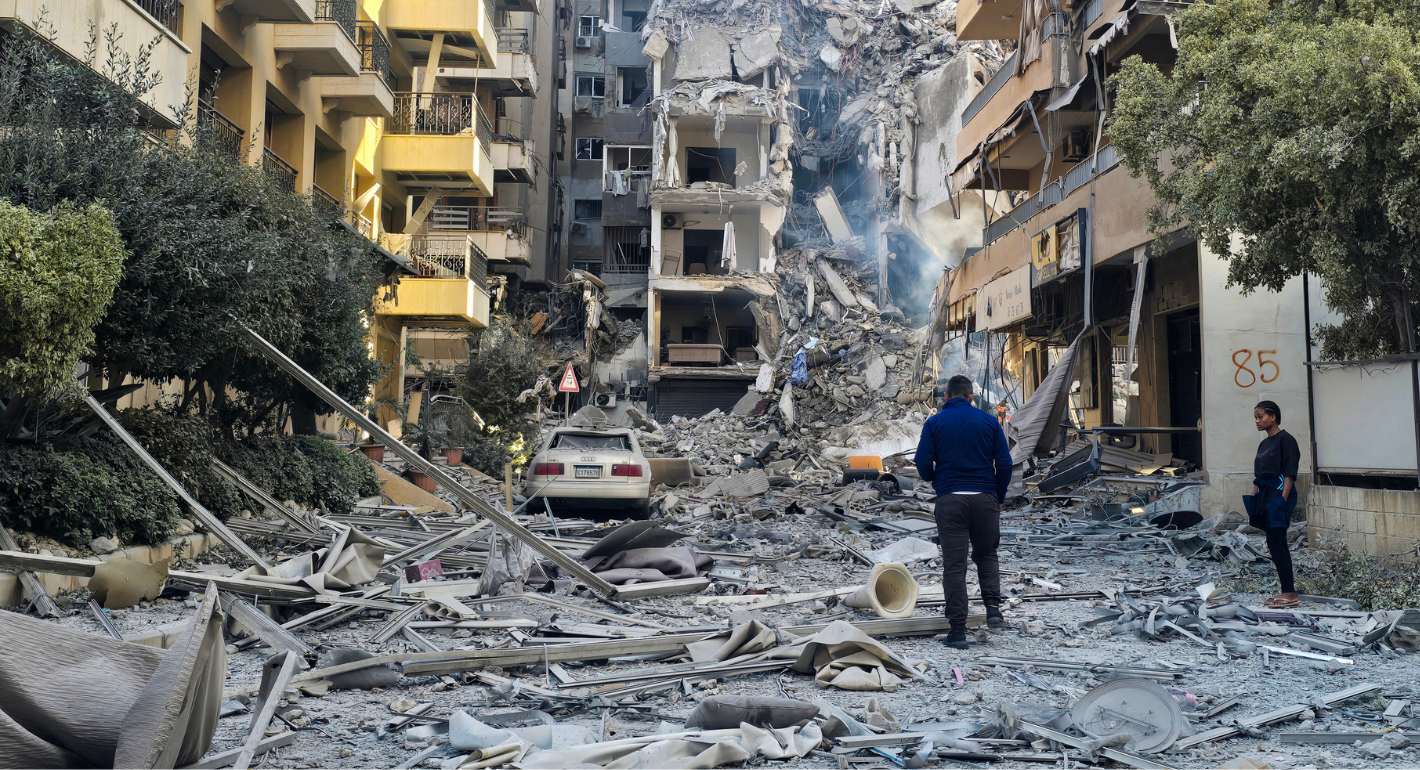
In such a scenario, given the near congruity between regime and state in Syria, a civil war will leave the country devastated, with major state-building tasks to accomplish to regain normalcy. Unlike in Egypt and Tunisia, it would not imply the replacement of one ruling group by another; rather, it would involve the uprooting of much of the regime-state apparatus and the creation of new ones.
Second, a Sunni-led government issuing from a bloody civil war with the ancien régime will come to power with a strong animus against Iran and Hezbollah. Although such a new regime might have a strong Islamist influence and might remain hostile to Israel and the West, it would likely break relations with these traditional allies and seek closer ties to Turkey, Saudi Arabia and the GCC. Alternatively, cooler heads might prevail and a more liberal Sunni merchant elite could play a leading role in the new order, in which case Syria would still break with Iran and Hezbollah but would take a more moderate stance in relations toward Israel and the West.
As Yogi Berra once said, “it is hard to make predictions, especially about the future.” Nevertheless, the fast-moving events indicate that Syria is already past the point of no return.
Carnegie does not take institutional positions on public policy issues; the views represented herein are those of the author(s) and do not necessarily reflect the views of Carnegie, its staff, or its trustees.
As the EU confronts profound challenges, several leaders have called for fundamental reform to the union’s model—but only modest, superficial changes have resulted. What if Europe really could be reimagined from zero today: What should such a redesigned European order look like?
The EU’s new migration policy is not suited to today’s realities. With climate change increasingly becoming a driver of displacement, Europe needs to rethink its deterrence-focused approach.
Europe seems to have accepted its sidelining in the Middle East. The EU must reassert its support for the international rules-based order and step up engagement.
Preparing candidate countries for EU membership is no longer enough. As the enlargement process becomes a reality, the union must also prepare its own societies.
Countries face several hurdles in joining the EU, including the final stage of ratifying their accession treaties. Procedural reforms and substantive adjustments could help move the process forward.