

In The Media
Lilia Shevtsova
{
  "authors": [
    "Lilia Shevtsova"
  ],
  "type": "legacyinthemedia",
  "centerAffiliationAll": "",
  "centers": [
    "Carnegie Endowment for International Peace",
    "Carnegie Russia Eurasia Center"
  ],
  "collections": [],
  "englishNewsletterAll": "",
  "nonEnglishNewsletterAll": "",
  "primaryCenter": "Carnegie Russia Eurasia Center",
  "programAffiliation": "",
  "programs": [],
  "projects": [],
  "regions": [
    "Caucasus",
    "Russia"
  ],
  "topics": [
    "Political Reform"
  ]
}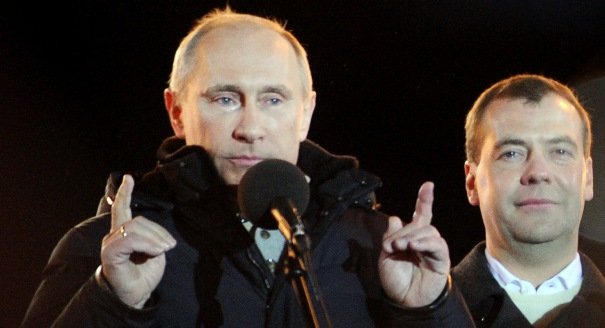
Source: Getty
Despite the Kremlin's need for domestic and international legitimacy, there was widespread irregularity and fraud in Russia's recent presidential elections.
Source: WAMU's Diane Rehm Show

Shevtsova outlined the widespread irregularity and fraud in the recent elections, which occurred despite the authorities’ need for domestic and international legitimacy. “Putin strangely preferred numbers instead of getting legitimacy,” she said.
Shevtsova also noticed that the Putin's current system of power could not survive with real freedom of media, parliamentary elections, and independent courts.
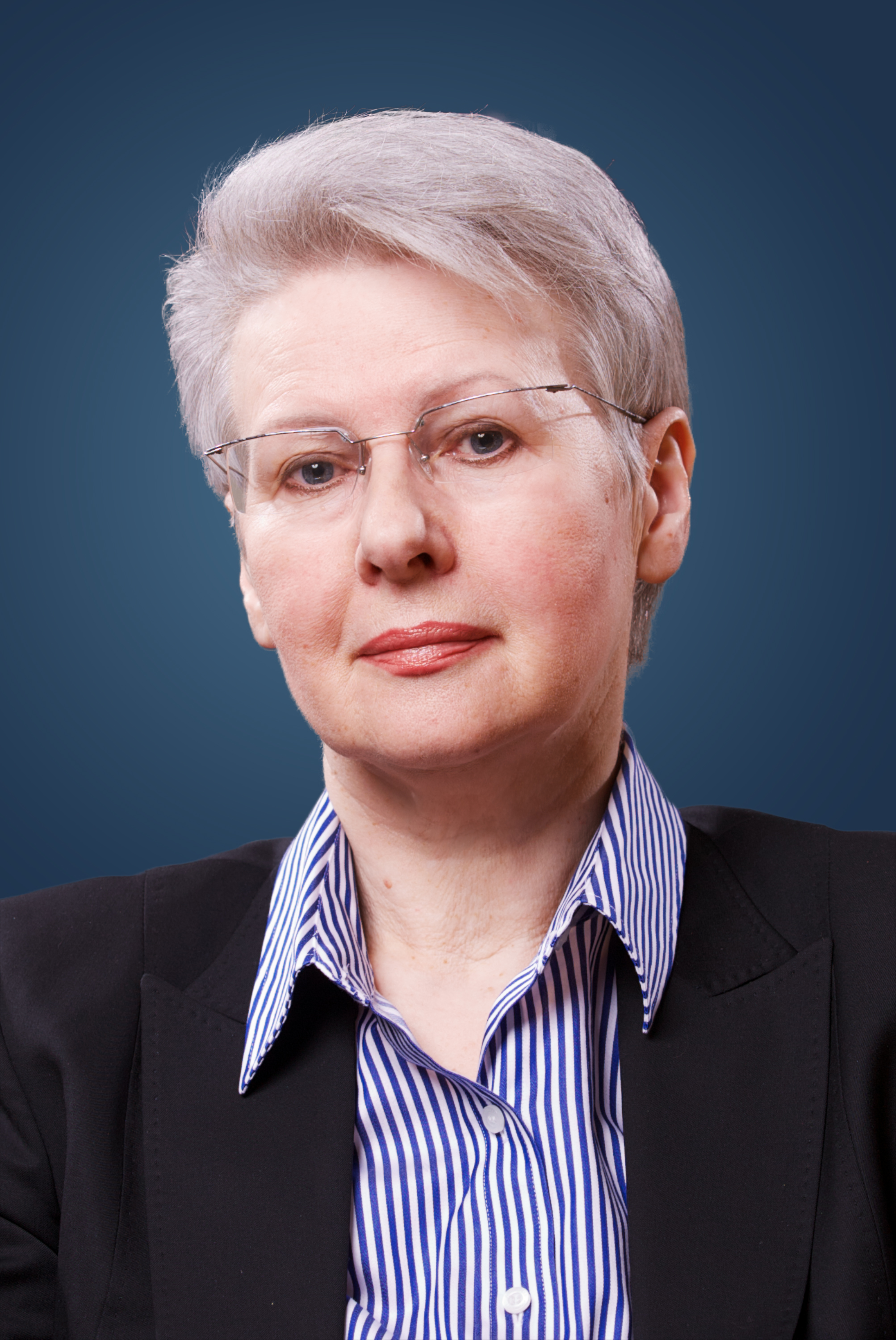
Former Senior Associate, Russian Domestic Politics and Political Institutions Program, Moscow Center
Shevtsova chaired the Russian Domestic Politics and Political Institutions Program at the Carnegie Moscow Center, dividing her time between Carnegie’s offices in Washington, DC, and Moscow. She had been with Carnegie since 1995.
Recent Work
Lilia Shevtsova
Lilia Shevtsova
Carnegie does not take institutional positions on public policy issues; the views represented herein are those of the author(s) and do not necessarily reflect the views of Carnegie, its staff, or its trustees.
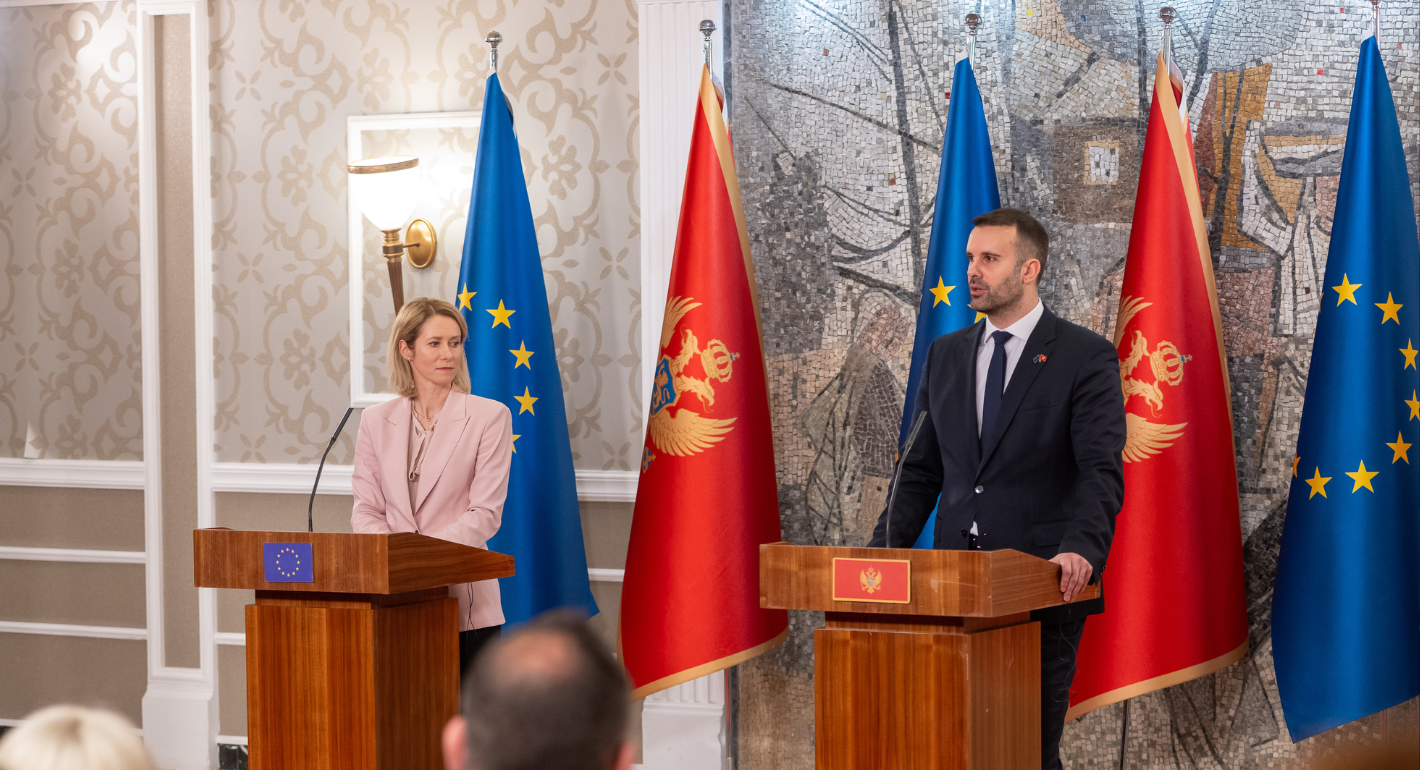
Montenegro and Albania are frontrunners for EU enlargement in the Western Balkans, but they can’t just sit back and wait. To meet their 2030 accession ambitions, they must make a strong positive case.


Dimitar Bechev, Iliriana Gjoni
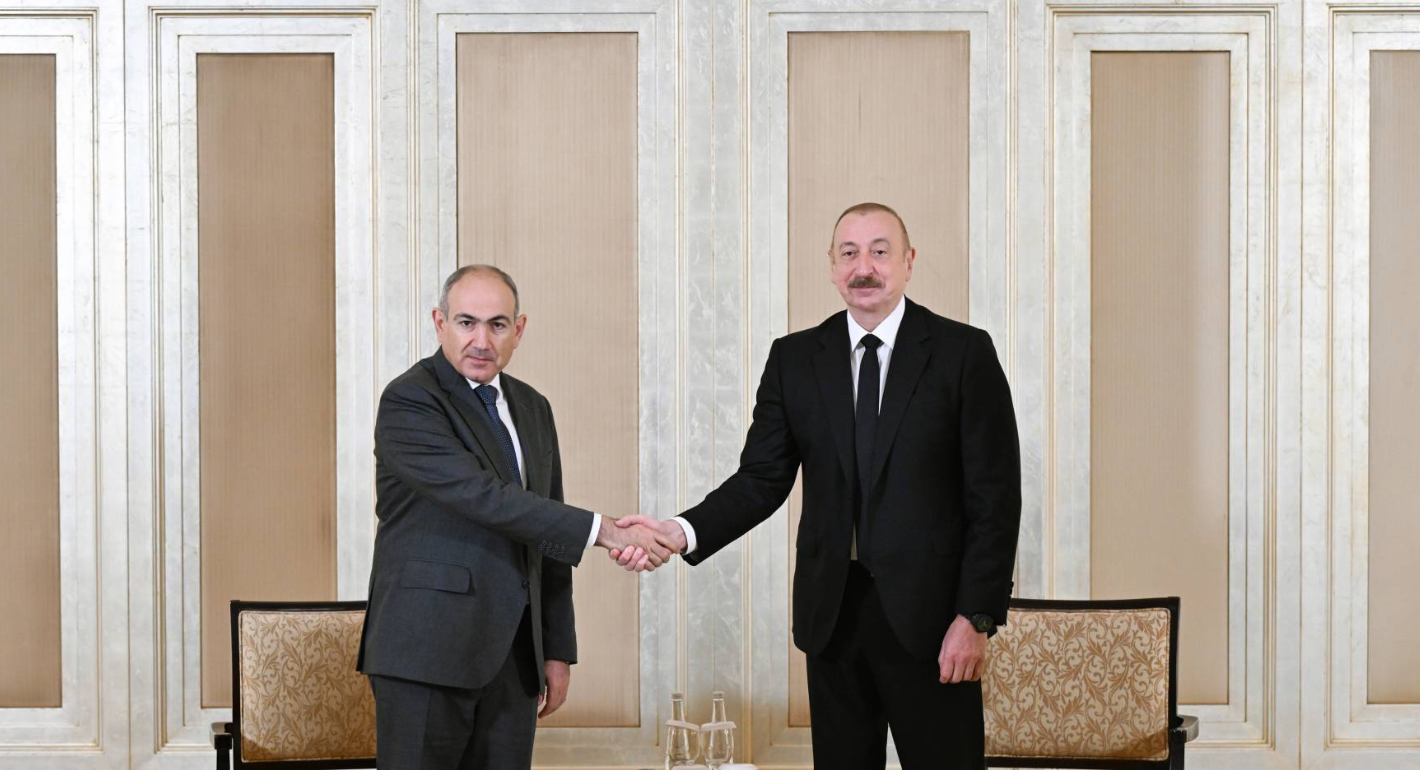
The U.S.-sponsored TRIPP deal is driving the Armenia-Azerbaijan peace process forward. But foreign and domestic hurdles remain before connectivity and economic interdependence can open up the South Caucasus.

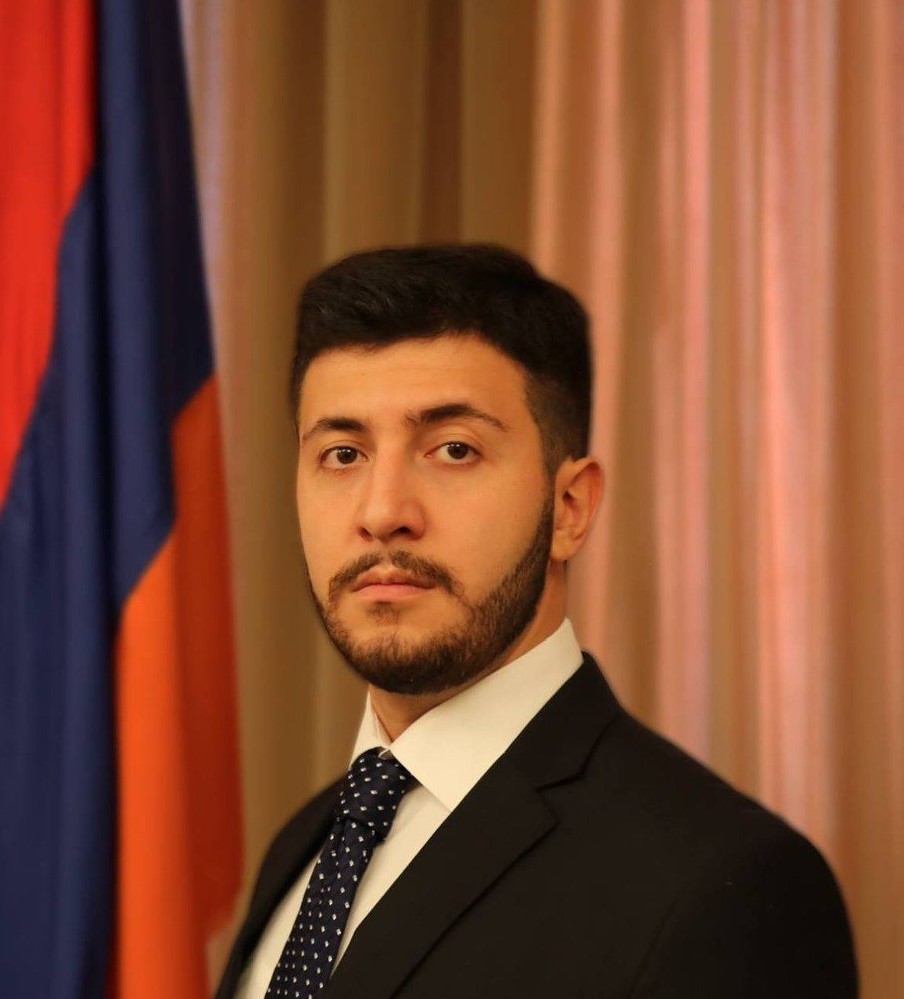

Thomas de Waal, Areg Kochinyan, Zaur Shiriyev
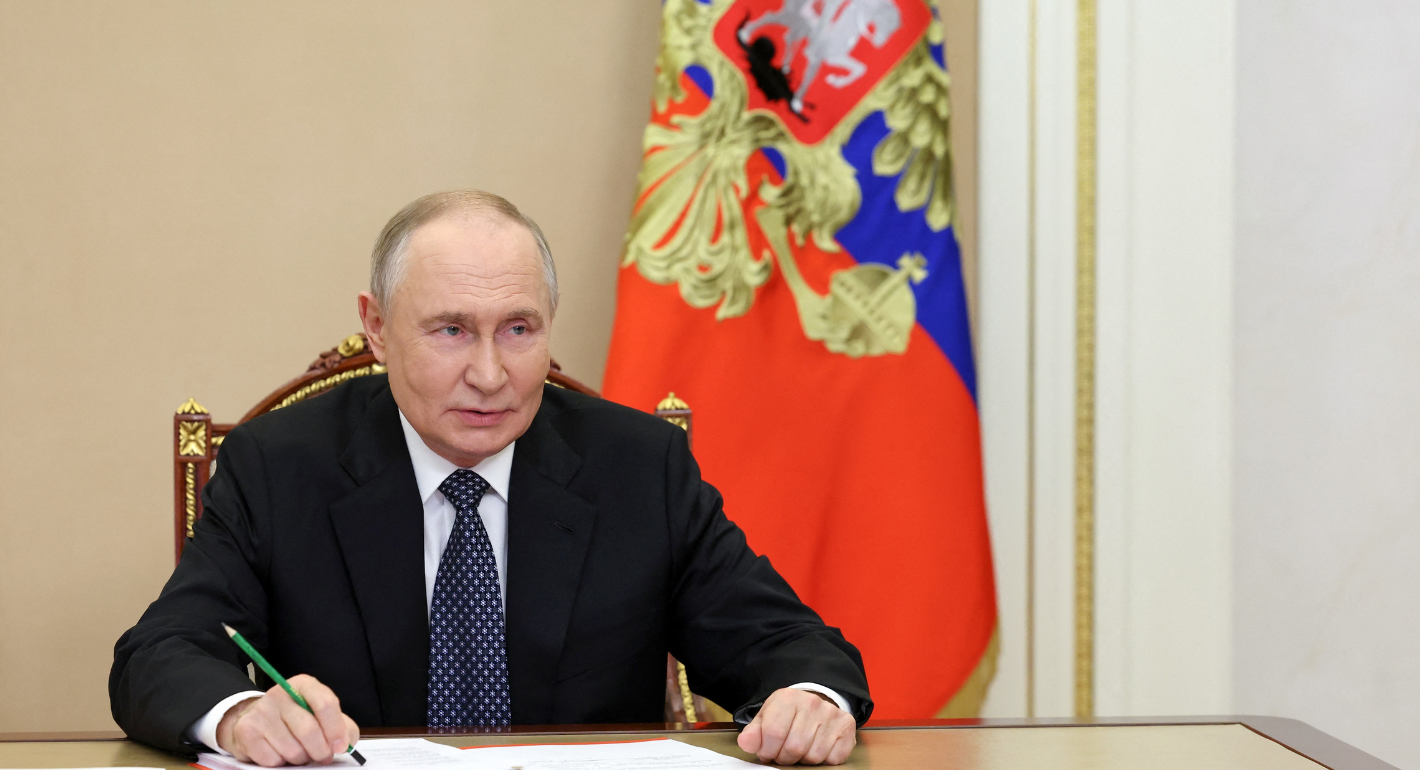
The war in Ukraine is costing Russia its leverage overseas. Across the South Caucasus and Middle East, this presents an opportunity for Europe to pick up the pieces and claim its own sphere of influence.
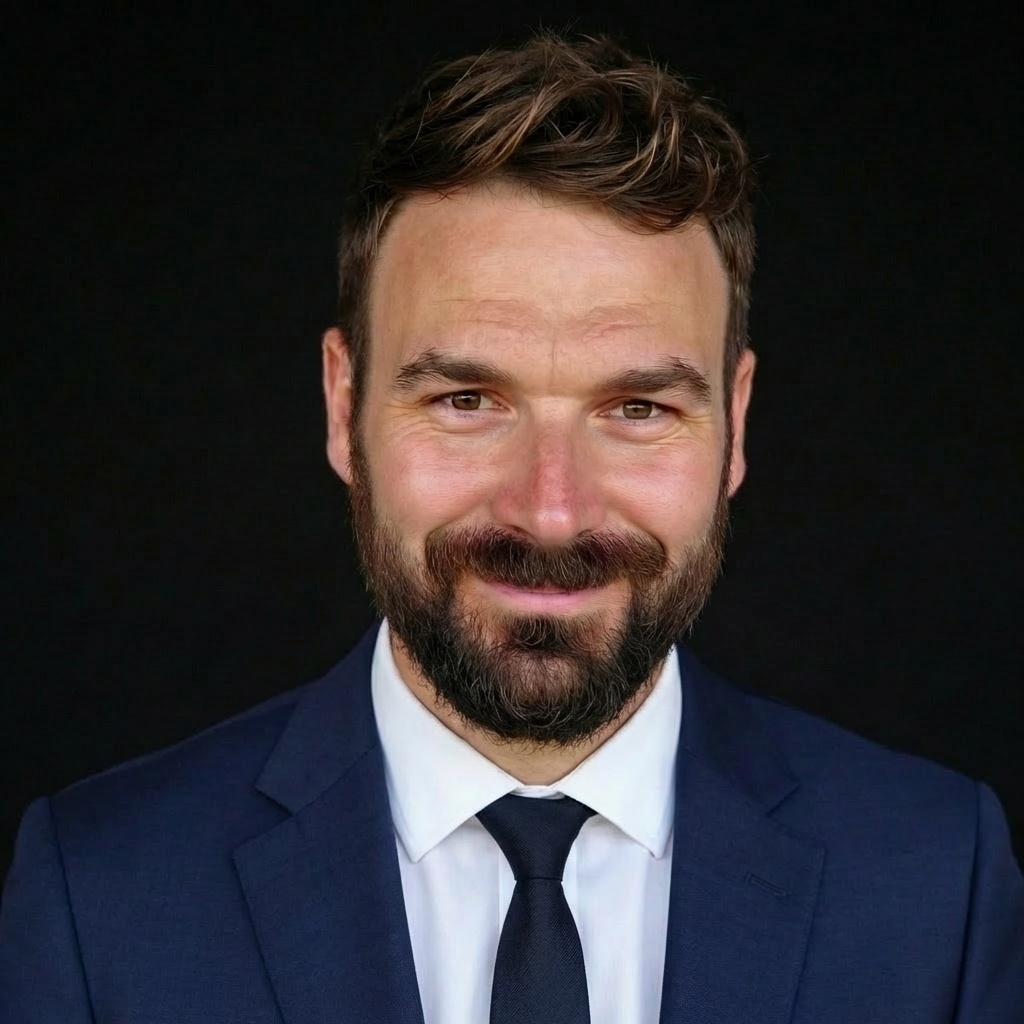

William Dixon, Maksym Beznosiuk

Amid increased polarization and the influence of disinformation, radical-right parties are once again gaining traction across Europe. With landmark elections on the horizon in several countries, are the EU’s geostrategic vision and fundamental values under existential threat?
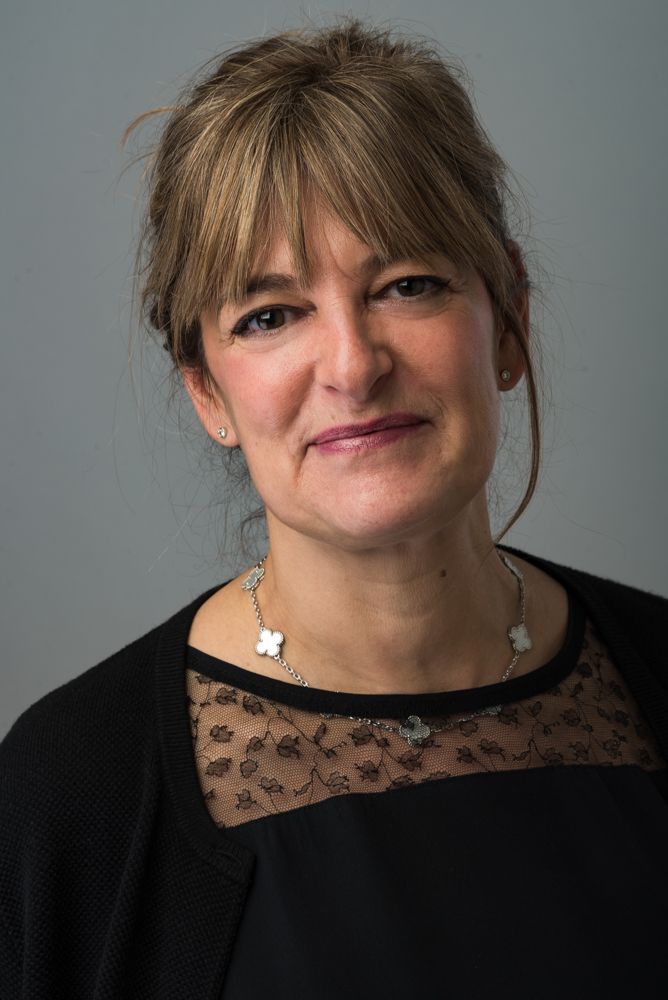
Catherine Fieschi, Cas Mudde

French President Emmanuel Macron has unveiled his country’s new nuclear doctrine. Are the changes he has made enough to reassure France’s European partners in the current geopolitical context?

Rym Momtaz, ed.