

In The Media
David Rothkopf
{
  "authors": [
    "David Rothkopf"
  ],
  "type": "legacyinthemedia",
  "centerAffiliationAll": "",
  "centers": [
    "Carnegie Endowment for International Peace",
    "Malcolm H. Kerr Carnegie Middle East Center"
  ],
  "collections": [],
  "englishNewsletterAll": "",
  "nonEnglishNewsletterAll": "",
  "primaryCenter": "Carnegie Endowment for International Peace",
  "programAffiliation": "",
  "programs": [],
  "projects": [],
  "regions": [
    "North America",
    "United States",
    "Middle East",
    "Iran",
    "Gulf"
  ],
  "topics": [
    "Economy",
    "Climate Change",
    "Security",
    "Military"
  ]
}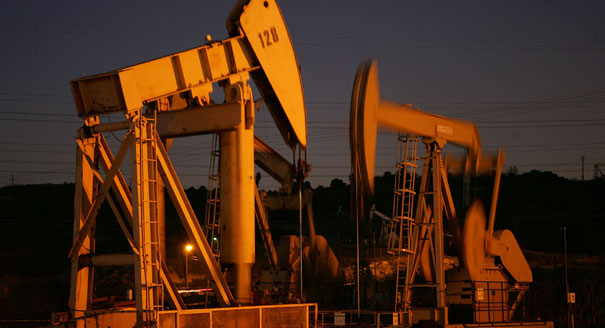
Source: Getty
Iran's threat to shut down the Strait of Hormuz and strangle the U.S. oil supply could provide a much-needed impetus for the United States to reconsider its energy policies.
Source: Foreign Policy

One former top national security official told me he thought that the administration was so worried about the possibility of spiking gas prices as the result of an Israeli strike on Iran that they "made a deal with the devil: getting Netanyahu to agree not to strike until after November in exchange for a promise that we would have his back after that." (Prompting one Israeli to say to me, "We're now trying to figure out what this American expression 'I've got your back' really means." I told him it meant something different for police officers who were real partners than it did for inmates that found themselves reluctantly forced to occupy the same prison cell.)
These days it is a fairly regular occurrence for visiting heads of state, whether or not they are from big oil-producing nations, to be asked by the White House to make some kind of statement saying they will help keep prices low by releasing reserves or increasing production. It was a top item on the agenda when President Obama met with British Prime Minister David Cameron, another guy who is already getting absolutely hammered due to unusually high prices at the pump. It is likely to be a top item on the agenda when Brazil's President Dilma Rousseff visits Washington next week -- even though Brazil's role as a major oil producer is still years in the future.But while at the White House they worry that high gas prices might threaten their reelection chances, I say bring 'em on. I say to Americans, if you have a shred of patriotism in you, every time you head down to the gas station and the price goes up a dime or a quarter or a buck, you say, "Thank you sir, may I have another." Say, "If the average Frenchman can pay 8 bucks a gallon for gas, I can handle $5 without whining." Rather than worrying about high gas prices, we should all be cheering them on, because nothing will do more to advance the progress of our economy and the health of our environment than high gas prices.
Economists know this. They know that the best way to reduce our consumption of gasoline isn't some complicated cap-and-trade program but a simple charge that makes it harder to buy the stuff in such quantities. That will be the best reason to force us to use more of the increasingly abundant energy supplies we have right here within our borders. Of course, economists would prefer a tax, but why wait for a dysfunctional government here at home to produce a tax when dysfunctional or maliciously inclined governments in the Middle East will do the same thing?
Sure, high gas prices will be a burden on some folks. That's not the problem, that's the point. Perhaps we can offer some special tax reductions for the poor so this is not so onerous for them that they can't make their way to work or school or to receive health care. (In fact, I would welcome seeing the Democrats, who at least in theory care about such things, propose such a deal and the Republicans come back demanding we give relief to the top 1 percent too, because if their chauffeurs can't afford to drive them to work, how will they earn those giant bonuses that will come trickling down to us any minute now?)
Either way, we should be sending a note to Ayatollah Khamenei over there in Tehran saying, "Go ahead, make our day. Shut down the Strait of Hormuz. Help us break our addiction to what you're selling. Not only will it be good for us, but perhaps it will trigger your downfall."
It's fascinating how energy policy has become so central to the 2012 elections. I spend a lot of time talking to senior people in energy companies of one sort or another, and pretty much the conventional wisdom among them has been that this would be a year when precious little got accomplished on the big energy issues. But instead, energy has become not only a top issue in the campaign but perhaps the central question -- tied as it is not only to gas prices (which are a domestic as well as a foreign-policy issue) but also to the question of how to create the next American economic renaissance and new jobs along with it.
Already, the list of energy issues rating politically in 2012 is longer than it has been in any recent year, from the impact of new domestic shale-gas supplies and debates over pipelines connecting us to vast oil sands reserves in the Canadian North to the promise of new technologies or offshore reserves and the controversies over the role of the Environmental Protection Agency (which has become perhaps the leading non-health care symbol of "big government") and Energy Department loan programs. And of course, there are the global implications of the energy debate, from political upheaval in the Middle East to the impact spiking oil prices might have on Europe's fragile social dynamic or that in China.
Make a list of the big issues in the world and put a check next to the ones that have an important energy component. The list is long: Iran; Iraq; the Arab Spring; terrorism; the rise of China; resource competition worldwide; the focus in our pivot to Asia on keeping open sea lanes for the shipment of energy through the Indian Ocean, Straits of Malacca, and the South China Sea; the future of the Japanese economy; our concerns about instability in Africa; the rise of the BRICS and other emerging powers. Then think for a minute about the huge impact that growing American energy independence, fueled by a dramatic increase in U.S. oil and gas production from previously inaccessible or newly discovered sources, might have on geopolitics.
Despite all this, we remain a country without a coherent whole-of-government, whole-of-the-economy energy policy -- or even a responsible debate about what such a policy would look like. The candidate who comes closest to remedying this long-lamented vacuum and who seems best able to seize our burgeoning new energy opportunities and reduce our enduring energy risks will likely win the upcoming election. Which one is it? For now, it's not yet clear: While Obama emphasizes alternative energy somewhat more than his presumptive GOP challenger Mitt Romney, both have essentially adopted 2008 Republican nominee John McCain's "all of the above" approach. Obama is likely to go after Big Oil as a theme and Romney is likely to protect the oil companies in the name of keeping prices low. But the x-factor is that until now, neither has built a compelling, specific, realistic vision for the future of our economy with a comprehensive energy policy at its core.
But even as we wait for vision in high places in Washington -- which history suggests could be a very long wait -- we are fortunate that the utter absence of good policies is having the most important effect we could hope for: Spiking gas prices will make it more profitable to look for alternatives, more profitable to drill at home, more profitable to embrace efficiency, and more profitable to conserve. Rather than being careful what we wish for, we should be careful not to fear what we need most.
Former Visiting Scholar
David Rothkopf was a visiting scholar at the Carnegie Endowment as well as the former CEO and editor in chief of the FP Group.
Recent Work
David Rothkopf
David Rothkopf
Carnegie does not take institutional positions on public policy issues; the views represented herein are those of the author(s) and do not necessarily reflect the views of Carnegie, its staff, or its trustees.
Following Ursula von der Leyen’s gaffe equating Turkey to Russia and China, relations with Ankara risk deteriorating even further. Without better, more consistent diplomatic messaging, how can the EU pretend to be a geopolitical power?

Sinan Ülgen
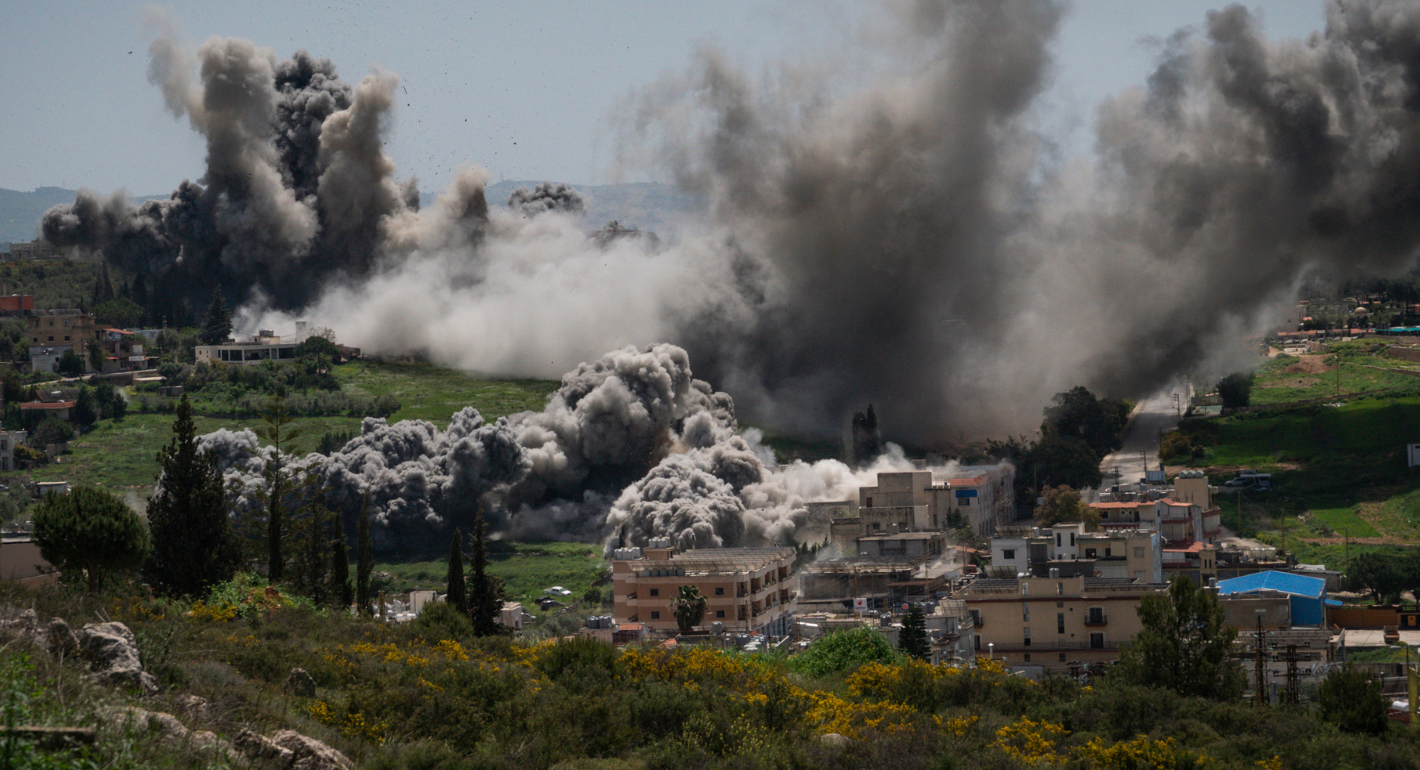
Europe has been standing by while its Southern neighborhood is being redrawn by force. To establish a path to peace between Israel and Lebanon, it’s time for Europeans to get involved with hard power.

Rym Momtaz
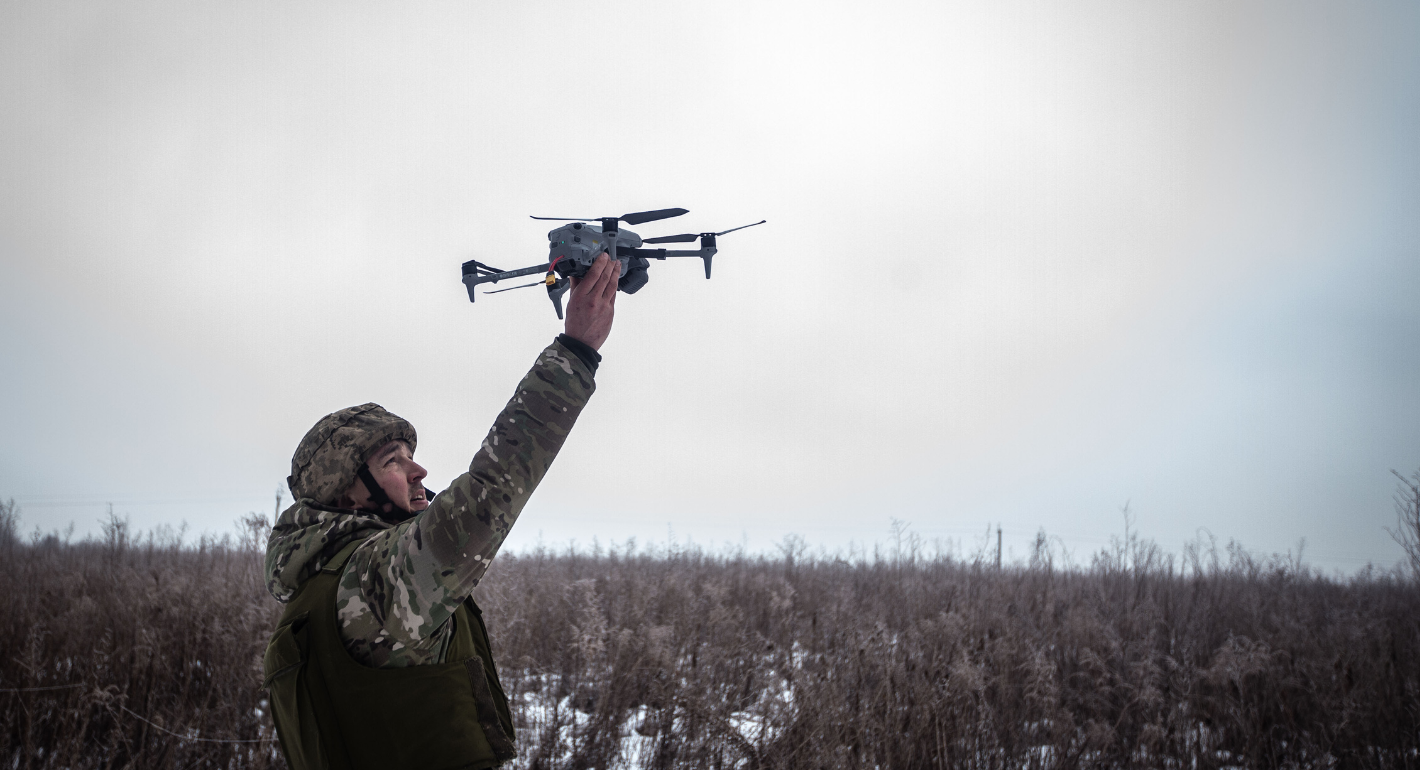
In Ukraine, Gaza, and Iran, AI warfare has come to dominate, with barely any oversight or accountability. Europe must lead the charge on the responsible use of new military technologies.

Raluca Csernatoni
Montenegro and Albania are frontrunners for EU enlargement in the Western Balkans, but they can’t just sit back and wait. To meet their 2030 accession ambitions, they must make a strong positive case.


Dimitar Bechev, Iliriana Gjoni
Donald Trump has repeatedly bashed NATO and European allies, threatening to annex Canada and Greenland and deploring their lack of enthusiasm for his war of choice in Iran. Is this latest round of abuse the final straw?
Rym Momtaz, ed.