

Article
Deborah Gordon, Stephen D. Ziman
{
  "authors": [
    "Deborah Gordon"
  ],
  "type": "legacyinthemedia",
  "centerAffiliationAll": "dc",
  "centers": [
    "Carnegie Endowment for International Peace"
  ],
  "collections": [],
  "englishNewsletterAll": "ctw",
  "nonEnglishNewsletterAll": "",
  "primaryCenter": "Carnegie Endowment for International Peace",
  "programAffiliation": "SCP",
  "programs": [
    "Sustainability, Climate, and Geopolitics"
  ],
  "projects": [
    "Carnegie Oil Initiative"
  ],
  "regions": [
    "North America"
  ],
  "topics": [
    "Climate Change"
  ]
}
Source: Getty
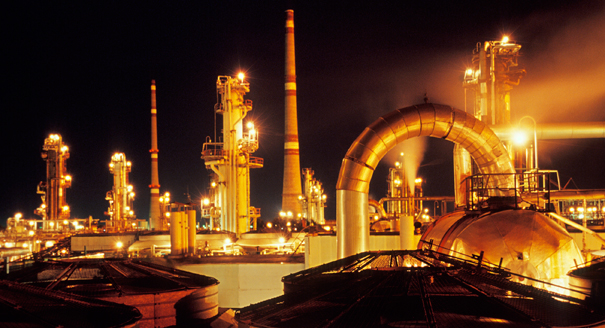
The shift from extracting, processing, and consuming conventional fuel sources to unconventional oils carries a host of still unknown consequences for international economics, technology development, and the environment.
Source: U.S. Embassy Berlin
Speaking at the U.S. Embassy in Berlin, Carnegie's Deborah Gordon explained that the global energy supply is witnessing a major shift in petroleum sources as production of conventional oils plateau and will soon begin a steady decline. Unlike the mostly homogeneous oils the world community has increasingly extracted, processed, and consumed for the last forty years, unconventional oils are both more difficult to tap and more varied in characteristics, Gordon said. Unconventional oils, however, are still fossil fuels, which means their emissions of carbon dioxide still contribute to climate change. Because the international community is in the early stages of exploration and extraction, the regulatory system that is currently held for conventional oils may not safeguard against the new, potential harms of unconventional oil production, Gordon concluded.

Former Director and Senior Fellow, Energy and Climate Program
Gordon was director of Carnegie’s Energy and Climate Program, where her research focuses on oil and climate change issues in North America and globally.
Recent Work
Deborah Gordon, Stephen D. Ziman
Deborah Gordon, Smriti Kumble, David Livingston
Carnegie does not take institutional positions on public policy issues; the views represented herein are those of the author(s) and do not necessarily reflect the views of Carnegie, its staff, or its trustees.

Montenegro and Albania are frontrunners for EU enlargement in the Western Balkans, but they can’t just sit back and wait. To meet their 2030 accession ambitions, they must make a strong positive case.


Dimitar Bechev, Iliriana Gjoni

COP30 takes place amidst increased pessimism about the world’s commitment to energy transition and ecological protection. Beset by a host of other challenges, can Europe still maintain its role as a driver of global climate action?

Thomas de Waal

The second Trump administration has shifted the cornerstones of the liberal international order. How the EU responds will determine not only its global standing but also the very integrity of the European project.

Rym Momtaz
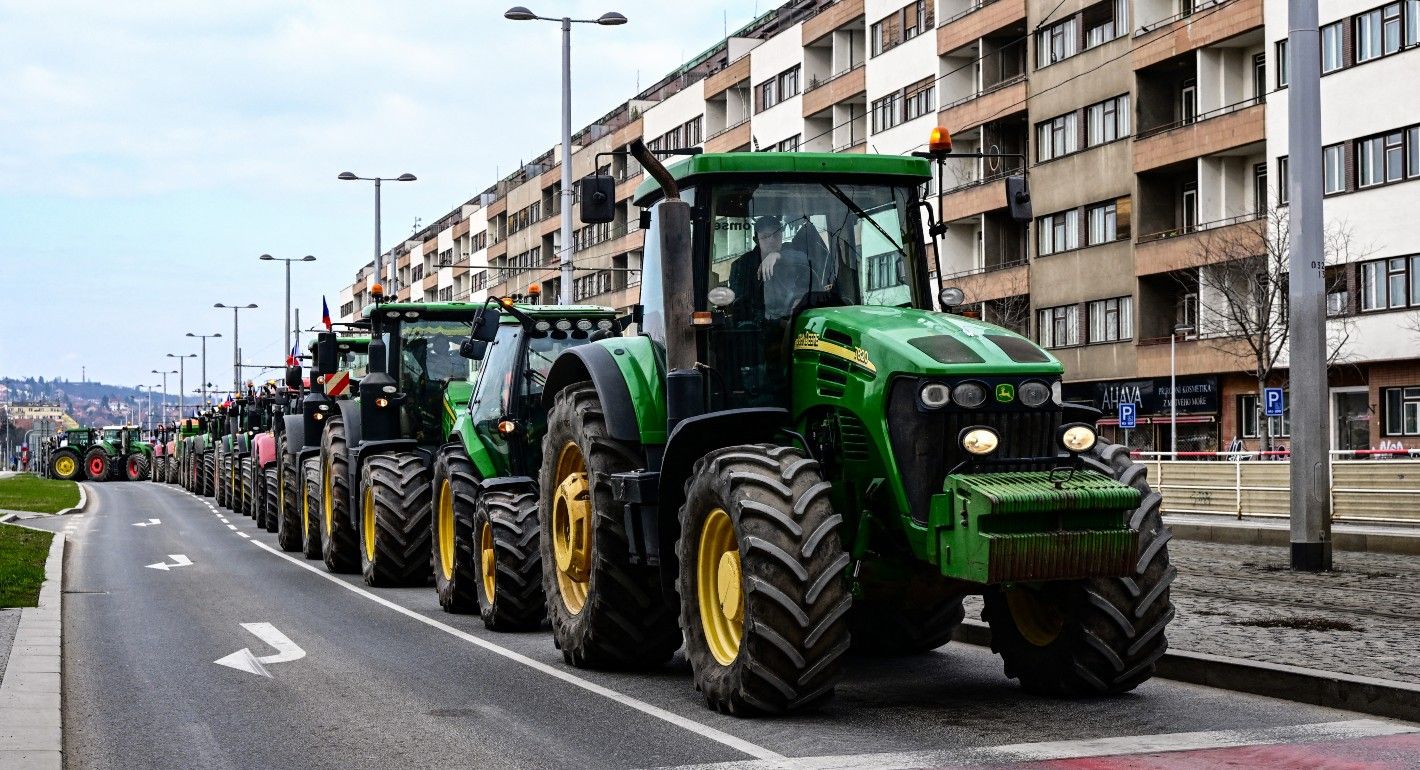
Greenlash is driven by an increasingly diverse set of actors. It is also prompting groups in favor of ambitious climate action to seek more effective strategies.


Erin Jones, Richard Youngs
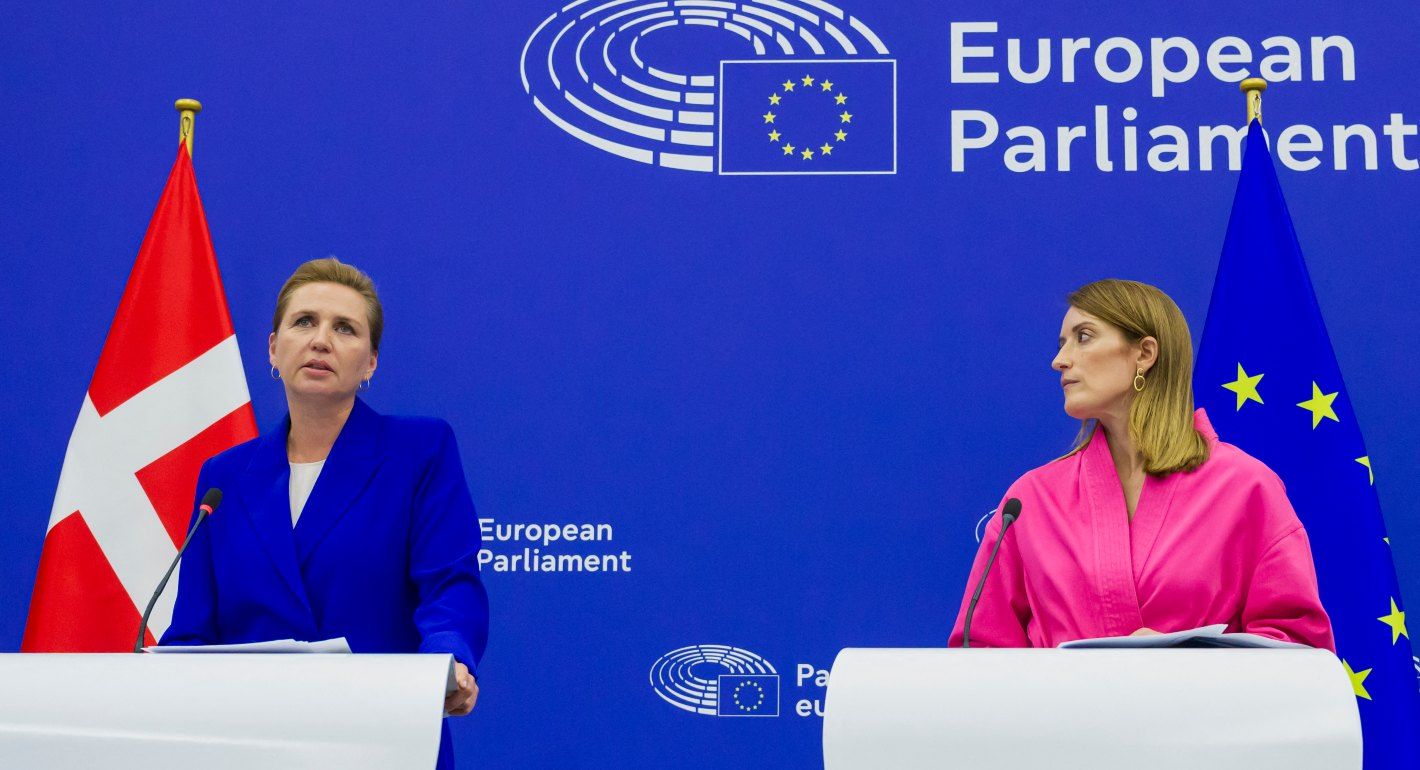
The EU’s ambition to slash carbon emissions by 90 percent by 2040 is challenged by internal divisions and global turmoil. But this target must cement a new era of European climate action, linked to innovation, competitiveness, and security.

Emil Sondaj Hansen