

Q&A
- +1
Amr Hamzawy, Andrew Leber, Eric Lob, …
{
  "authors": [
    "Marwan Muasher"
  ],
  "type": "legacyinthemedia",
  "centerAffiliationAll": "dc",
  "centers": [
    "Carnegie Endowment for International Peace",
    "Malcolm H. Kerr Carnegie Middle East Center"
  ],
  "collections": [
    "Arab Awakening"
  ],
  "englishNewsletterAll": "menaTransitions",
  "nonEnglishNewsletterAll": "",
  "primaryCenter": "Carnegie Endowment for International Peace",
  "programAffiliation": "MEP",
  "programs": [
    "Middle East"
  ],
  "projects": [],
  "regions": [
    "Middle East",
    "North Africa",
    "Egypt",
    "Gulf",
    "Levant",
    "Maghreb"
  ],
  "topics": [
    "Political Reform",
    "Security",
    "Foreign Policy"
  ]
}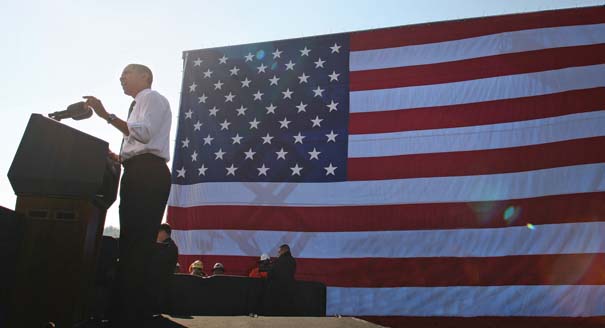
Source: Getty
The United States needs to concentrate on where it can make a difference in the Middle East, instead of focusing, as some have suggested, on an old notion that it should dictate outcomes.
Source: International Herald Tribune

Times have changed. Many factors brought us to this point. Perhaps most important is the fact that though the region has changed, U.S. policies have not adapted.
The debate in America surrounding the presidential elections once again signals nostalgia for a time when Washington could dictate outcomes — reward friends and punish enemies. If the United States wants to remain relevant in the region, it needs to move beyond this outdated view of its role and adapt to a new Middle East where citizens are increasingly aware of their own power and of the gaps between U.S. policies and American values.Today, the United States is perceived by the Arab public as increasingly irrelevant to the issues Arabs care about. This perception is reinforced by Washington’s reluctance or inability in recent years to take decisive action in several areas.
On the political front, the United States is seen, rightly or wrongly, as supporting whoever the West finds the least-scary option, rather than backing a dynamic process of change toward pluralism and elected government. In addition, the failure of successive U.S. presidents to engage seriously on the issue of Israeli-Palestinian peace has reinforced perceptions of Washington’s irrelevance.
Despite a near consensus among Arabs and Israelis that the United States holds most of the cards on the peace process, U.S. leaders appear unwilling — or unable — to play them. As a result, the United States is seen as increasingly on the sidelines — not because it isn’t needed, but because it continues to shy away from a leadership role. The perception that American presidents are not able, or willing, to take independent action in order to pursue peace has created a situation where most people in the region have given up on Washington in this regard.
In the military arena, perceptions of U.S. power remain damaged by the war in Iraq — a war that was won on the battlefield within weeks, but still has not achieved its stated political objectives. Many Arabs logically wonder what relevance the U.S. military has if 10 years after the invasion and occupation of Iraq, U.S. troops withdrew without leaving behind a functioning democracy.
America’s reduced economic strength has weakened U.S. soft power on the ground. Even if the United States wanted to generously devote funds to help build new Arab democracies, its ability to do so is severely hampered. There is little expectation today that U.S. assistance can be a decisive factor in the economic transformations that the region must undergo.
These setbacks have reinforced an image of a weakened power increasingly on the sidelines in the Middle East. But even as U.S. policymakers need to accept the new reality of Washington’s diminished influence, they must also recognize that America still matters.
Despite conventional wisdom, it’s not anti-Americanism that limits U.S. influence. People still identify very positively with American values. But in the new Middle East, Arab citizens are increasingly looking for evidence that U.S. policy matches American values.
What will it take to revive American relevance in the region?
First, the next president must embrace the challenge of Israeli-Arab peace. No other country can play this role. The United States, staunch ally of Israel and defender of the principles of international law, is still the only partner that can garner the credibility of both sides. Arabs and Israelis need Washington’s leadership to arrive at an agreement over a two-state solution and to create the opportunity for genuine compromise before it is too late.
Second, America needs to embrace the political transformation process playing out in the Arab world today. The United States needs to contribute to the development of a pluralistic culture in the region by supporting the democratic process and the building of new institutions that will establish the primacy of law and the principles of international human rights. Washington must support the process, not individual leaders — both in countries that are transitioning and those that have not started to transition.
Finally, America needs to recognize that political Islam is not the enemy — the enemy is intolerance, extremism and dogmatism wherever it exists in religious or secular form. If the United States wants to rebuild its credibility, it needs to embrace a policy that rewards performance over ideology and recognizes that Arab citizens should choose their own leaders. America and other members of the world community can help keep these leaders accountable to international norms and human rights.
The United States needs to concentrate on where it can make a difference, instead of focusing, as some conservatives have suggested, on an old notion that it should dictate outcomes. Now’s the time to incorporate U.S. values into American foreign policy.
As the Middle East undergoes historic transformation, America must stand up for peace and for change that will lead to the development of open, pluralistic cultures. This is the critical project of Arabs and it will be far from easy. But failure is unthinkable. Washington should engage as a friend, acknowledging that the process is largely a responsibility the region must assume for itself.
This article originally appeared in the International Herald Tribune.

Vice President for Studies
Marwan Muasher is vice president for studies at Carnegie, where he oversees research in Washington and Beirut on the Middle East. Muasher served as foreign minister (2002–2004) and deputy prime minister (2004–2005) of Jordan, and his career has spanned the areas of diplomacy, development, civil society, and communications.
Recent Work



Amr Hamzawy, Andrew Leber, Eric Lob, …
Marwan Muasher
Carnegie does not take institutional positions on public policy issues; the views represented herein are those of the author(s) and do not necessarily reflect the views of Carnegie, its staff, or its trustees.
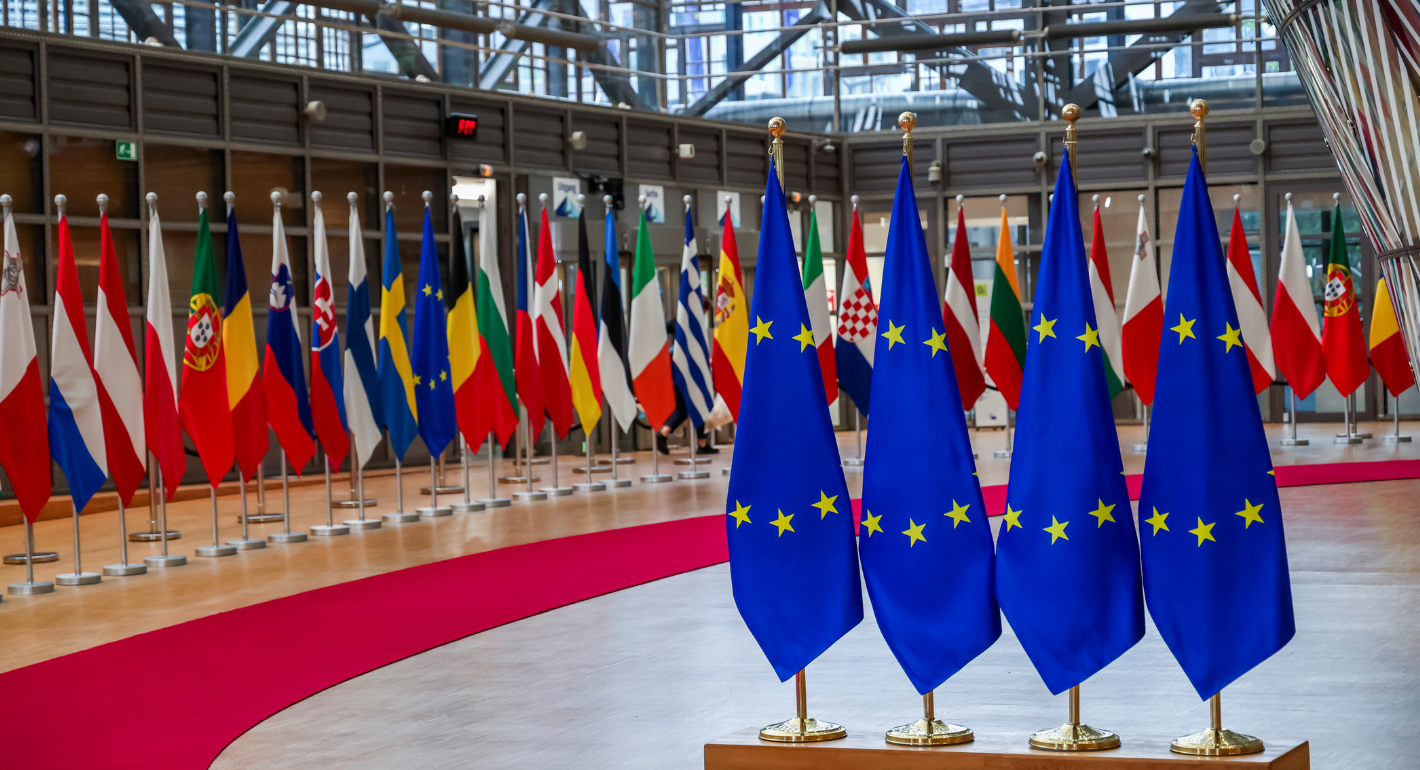
As we close out another season of Strategic Europe, it is worth taking stock of the deep shifts underway.

Rym Momtaz
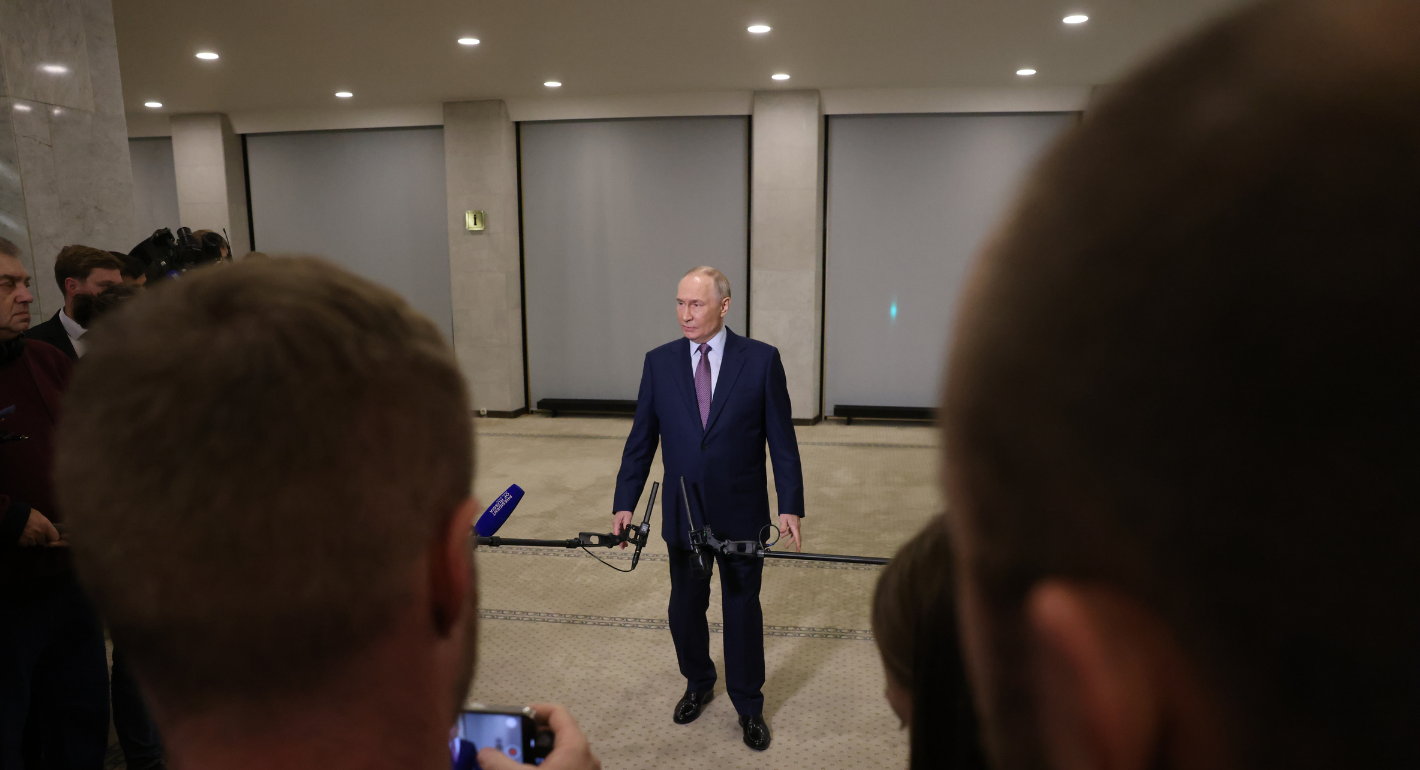
The EU had to compromise to adopt a twenty-first sanctions package against Russia, exposing growing cracks in the union’s resolve. Is this latest, weaker round worth it to keep pressure on Moscow?
Rym Momtaz, ed.
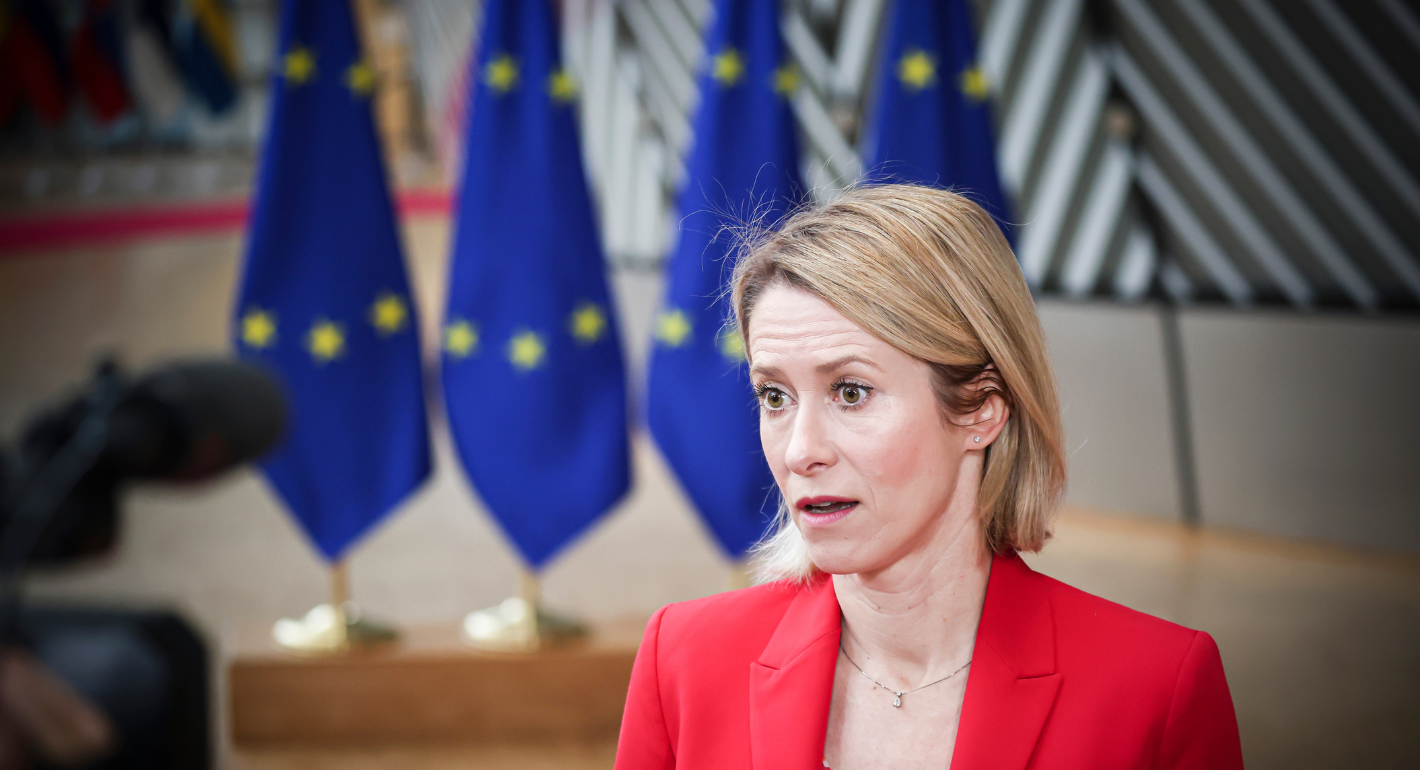
Trump is distracted and Ukraine wants Europe to step up. The continent’s leaders must find their voice and assert it in talks with Russia.

Alissa de Carbonnel

Mounting economic strain and battlefield losses will not necessarily make the Kremlin less dangerous. They could instead push Moscow toward a more aggressive hybrid campaign designed to test NATO’s Eastern flank, exploit allied hesitation, and fracture European resolve.

Maksym Beznosiuk
Over the past ten years, NATO has held almost as many summits as it did during the entirety of the Cold War. Are they still useful, or is it time to stop holding annual meetings?
Rym Momtaz, ed.