

Article
C. Raja Mohan, Darshana M. Baruah
{
  "authors": [
    "C. Raja Mohan"
  ],
  "type": "legacyinthemedia",
  "centerAffiliationAll": "dc",
  "centers": [
    "Carnegie Endowment for International Peace",
    "Carnegie India"
  ],
  "collections": [],
  "englishNewsletterAll": "ctw",
  "nonEnglishNewsletterAll": "",
  "primaryCenter": "Carnegie India",
  "programAffiliation": "SAP",
  "programs": [
    "South Asia"
  ],
  "projects": [],
  "regions": [
    "North America",
    "United States",
    "South Asia",
    "India",
    "Afghanistan",
    "Pakistan"
  ],
  "topics": [
    "Political Reform",
    "Security",
    "Military",
    "Foreign Policy"
  ]
}
Source: Getty
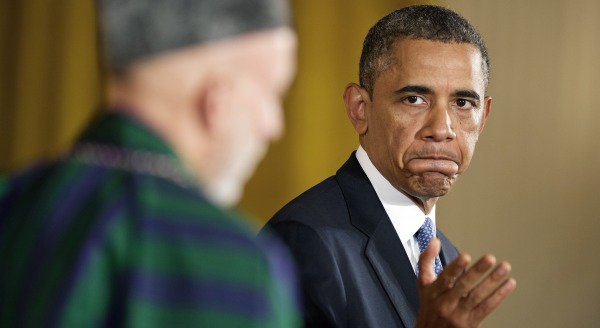
Washington and London seem desperate for talks with the Taliban and any deal that would let them declare victory and get out of Afghanistan.
Source: Indian Express
As the Obama administration debates the speed of its military withdrawal from Afghanistan between now and 2014, there is mounting pressure on all parties to find negotiated solutions.
Meeting in London earlier this week, the presidents of Afghanistan and Pakistan, Hamid Karzai and Asif Ali Zardari respectively, set themselves the ambitious target of achieving peace in just six months.
After nearly four decades of war in Afghanistan, six months would seem a tad too short to build peace. Sceptics might say that Karzai and Zardari were probably saying it for the benefit of their host, British Prime Minister David Cameron. A joint statement issued after their trilateral summit held in Cameron's country home outside London said that the leaders "committed themselves to take all necessary measures to achieve the goal of a peaceful settlement over the next six months." The party that is critical for the peace process, the Taliban, was not present at the London talks.Even if the joint statement meant what it said, Zardari has no say over those who really control the Taliban — the Pakistan army and the ISI. And the Taliban has repeatedly reaffirmed that it has no intention to talk to Karzai or his representative.
The joint statement also supported "the opening of an office in Doha for the purpose of negotiations between the Taliban and the High Peace Council as part of an Afghan-led peace process."
It is not clear if the statement marks a resolution of the differences between Karzai and the West on the terms of the talks with the Taliban. Until recently, Karzai had insisted that the main purpose of the Doha office should be talks with the Afghan government.
He is rightly concerned that Doha will be used for the legitimisation of the Taliban and holding talks with them behind Kabul's back. Washington and London seem desperate for talks with the Taliban and any deal that would let them declare victory and get out of Afghanistan.
While few in India would take seriously the good neighbourly talk between Karzai and Zardari in London, Delhi might want to pay closer attention to the recent visit to Pakistan by General Bismillah Khan Ahmadi, the Afghan defence minister.
Ahmadi's consultations with the Pakistan army chief, General Ashfaq Kayani, lends some credence to the London joint statement underlining the commitment of Karzai and Zardari to start negotiating a strategic partnership agreement between Afghanistan and Pakistan.
An official statement issued in Rawalpindi after Kayani's talks with Ahmadi said the two leaders focused on "enhancing mutual defence cooperation and measures that the Afghan National Army and Pakistan Army intend to initiate for an enduring training relationship."
Rawalpindi has long been pressing Kabul to send its forces for training in Pakistan and has deeply resented the military relationship between India and Afghanistan. Pakistani officials also pointed out that Ahmadi is a non-Pashtun and a Tajik by origin.
The engagement with Ahmadi, the officials said, underlines the Pakistan army's determined effort to reach out to the non-Pashtun minorities that have long viewed Rawalpindi's support to the Taliban with great hostility. The message, credible or not, from Rawalpindi is that Pakistan is no longer taking sides in the Afghan conflict that it wants "peaceful, stable, united Afghanistan."
As Pakistan consolidates its primacy in the Afghan conflict resolution, it is also exploring a peace deal with the Tehreek-e-Taliban Pakistan (TTP) that has emerged as the biggest security threat to the nation.
Last week, the TTP has laid down its terms for the talks. Among them are the release of some its top leaders held by Pakistan's security forces and the naming of three opposition leaders — former PM Nawaz Sharif of Pakistan Muslim League-Nawaz, Maulana Fazlur Rehman of the Jamiat Ulema-e-Islam (JUI) and Munawar Hasan of the Jamaat-e-Islami — as guarantors for the talks.
Pakistan's Interior Minister Rehman Malik did not respond to these demands but said the government is ready to talk to the TTP. The army and many political parties have become weary of the prolonged conflict with the TTP and are eager to see an end. Many in Pakistan suspect that the TTP is not serious and fear that a weak government might be tempted to appease them.
Former Nonresident Senior Fellow, Carnegie India
A leading analyst of India’s foreign policy, Mohan is also an expert on South Asian security, great-power relations in Asia, and arms control.
Recent Work

C. Raja Mohan, Darshana M. Baruah


Alexander Gabuev, Paul Haenle, C. Raja Mohan, …
Carnegie does not take institutional positions on public policy issues; the views represented herein are those of the author(s) and do not necessarily reflect the views of Carnegie, its staff, or its trustees.
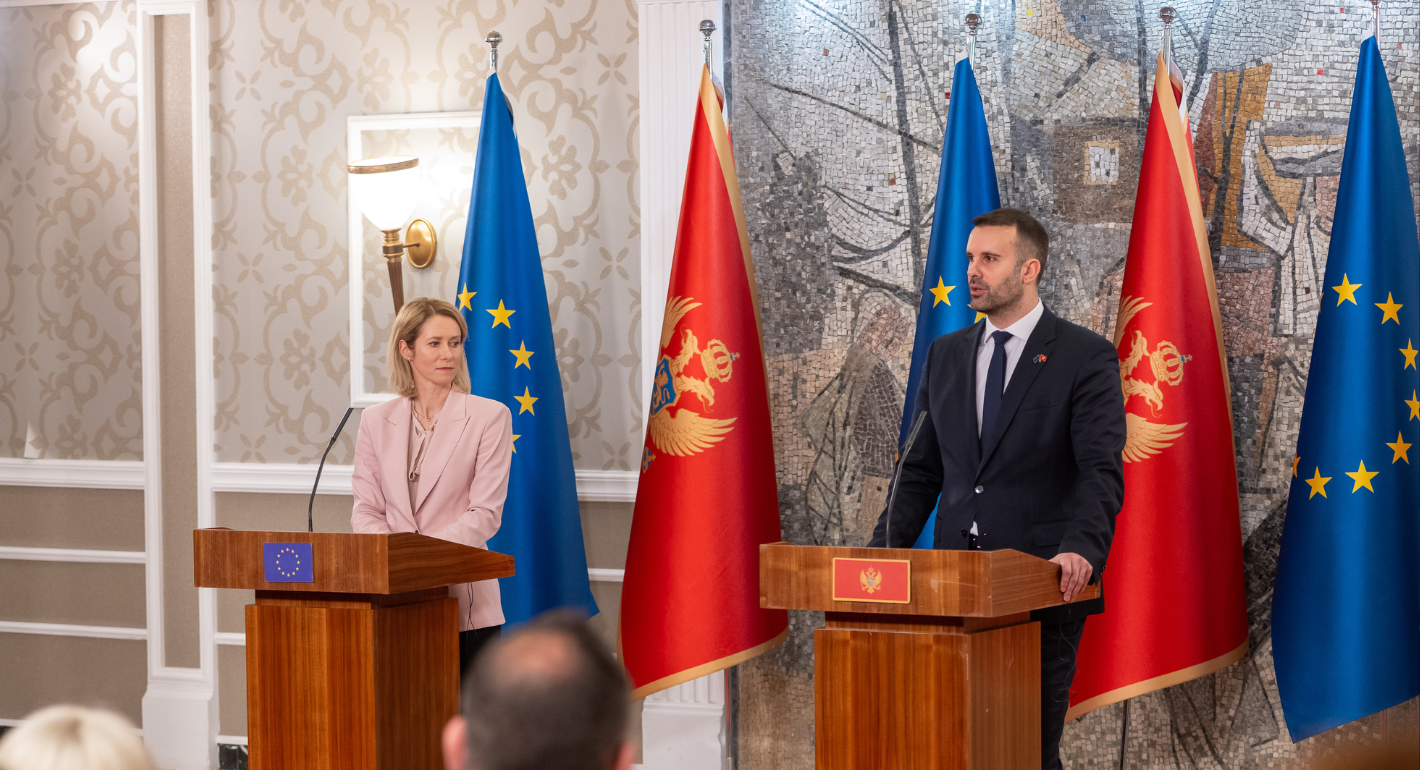
Montenegro and Albania are frontrunners for EU enlargement in the Western Balkans, but they can’t just sit back and wait. To meet their 2030 accession ambitions, they must make a strong positive case.


Dimitar Bechev, Iliriana Gjoni
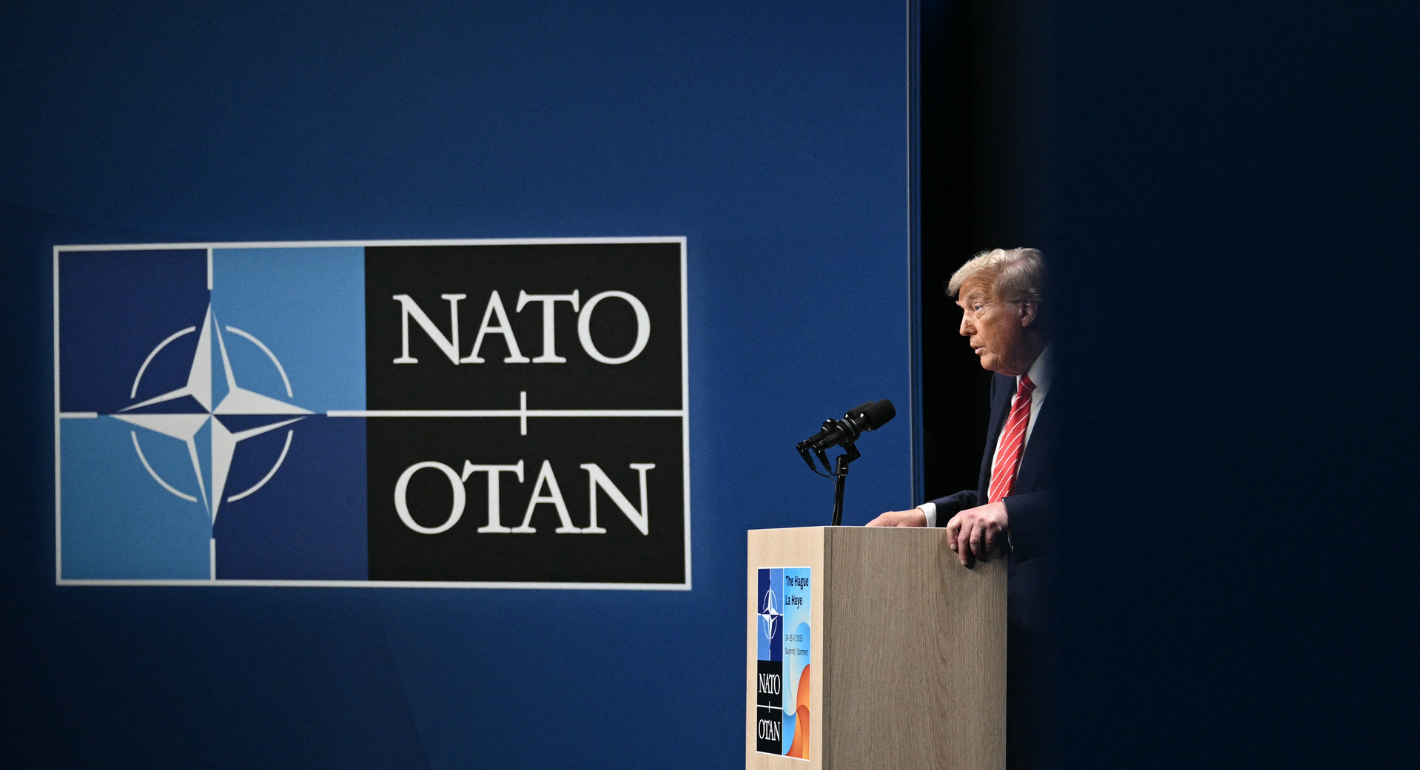
Donald Trump has repeatedly bashed NATO and European allies, threatening to annex Canada and Greenland and deploring their lack of enthusiasm for his war of choice in Iran. Is this latest round of abuse the final straw?

Rym Momtaz, ed.
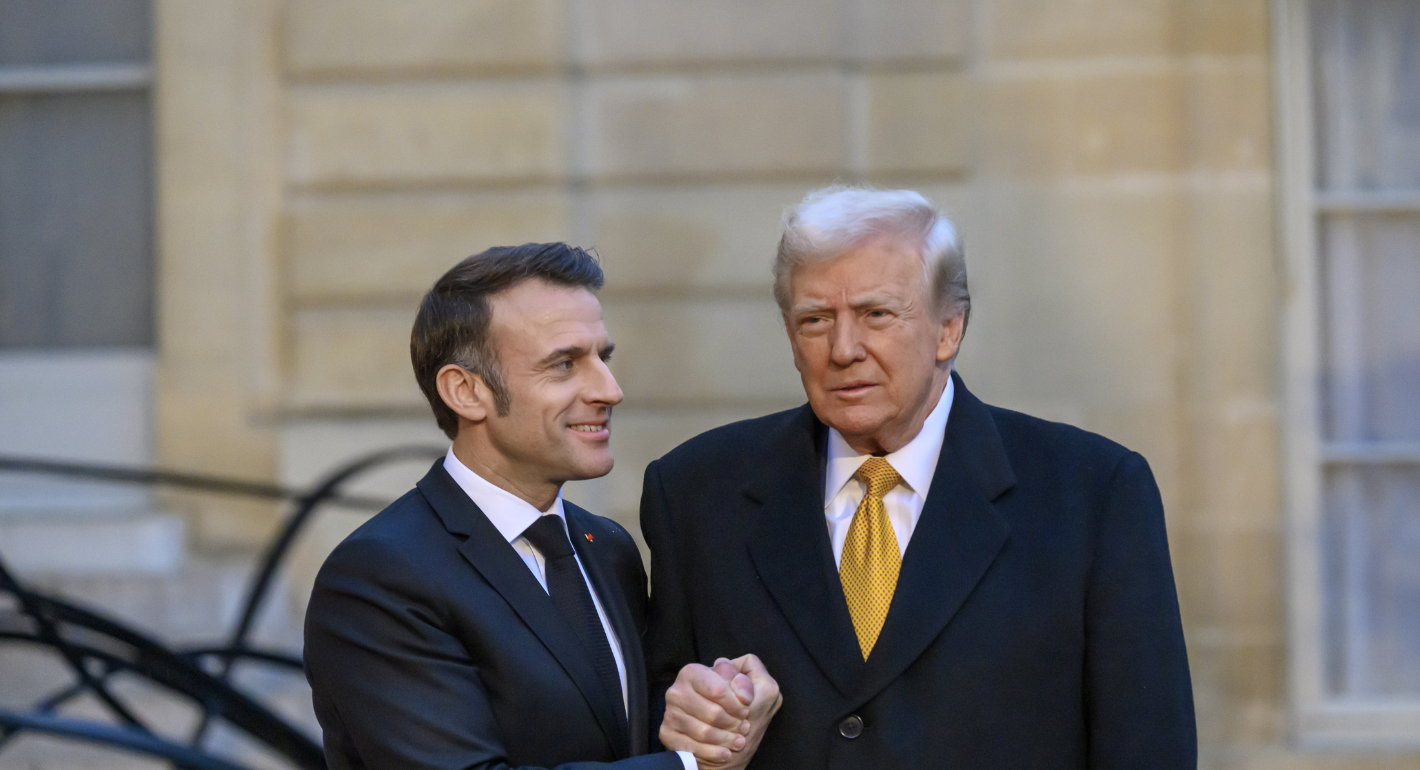
Donald Trump’s repudiation of NATO goes against the Make America Great Again vision of a U.S.-centered foreign policy. If the goal is to preserve the alliance by boosting Europe’s commitments, leaning into France’s vision is the most America First way forward.
Rym Momtaz
The wars in Ukraine and the Middle East are existential threats to Europe as a peace project. Leaders and citizens alike must reaffirm their solidarity to face up to today’s multifaceted challenges.

Marc Pierini
The U.S.-sponsored TRIPP deal is driving the Armenia-Azerbaijan peace process forward. But foreign and domestic hurdles remain before connectivity and economic interdependence can open up the South Caucasus.

Thomas de Waal, Areg Kochinyan, Zaur Shiriyev