

Commentary
Dmitri Trenin
{
  "authors": [
    "Dmitri Trenin"
  ],
  "type": "legacyinthemedia",
  "centerAffiliationAll": "",
  "centers": [
    "Carnegie Endowment for International Peace",
    "Carnegie Russia Eurasia Center"
  ],
  "collections": [],
  "englishNewsletterAll": "",
  "nonEnglishNewsletterAll": "",
  "primaryCenter": "Carnegie Russia Eurasia Center",
  "programAffiliation": "",
  "programs": [],
  "projects": [],
  "regions": [
    "North America",
    "United States",
    "Russia"
  ],
  "topics": [
    "Foreign Policy",
    "Global Governance"
  ]
}
Source: Getty
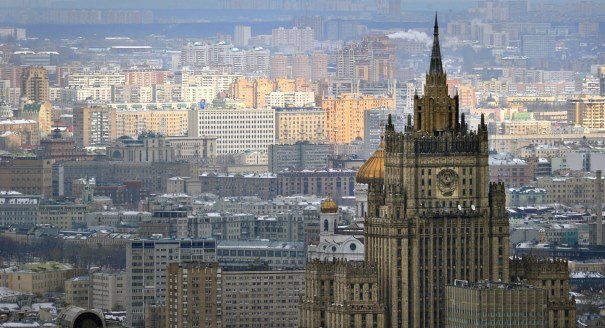
Russia’s decision to offer Edward Snowden asylum stems from Vladimir Putin’s desire to maintain a global image as the one major power that can resist U.S. pressure.
Source: NPR's Morning Edition
DAVID GREENE, HOST: And let's get some more insight now into what's at stake for Russia in the Snowden case. We've reached analyst Dmitri Trenin. He's director of the Carnegie Moscow Center. And we reached him this morning outside the Russian capital.
Dmitri, good morning.
DMITRI TRENIN: Good morning.GREENE: So you follow Russia's President Vladimir Putin pretty closely. Did this move surprise you?
TRENIN: It didn't surprise me at all. I expected it. And we all understood that there was no way out of the transit lounge other than into Russia itself.
GREENE: No way out, but presumably, Vladimir Putin could have responded to President Obama's demands that he turn Snowden over. So why this decision from Putin?
TRENIN: Putin said it himself. He said that "we have an independent foreign policy in this country" - quote-unquote. Putin chose to stand his ground and basically not to extradite, not to cede U.S. demand to extradite Snowden into the United States.
GREENE: You're saying it's not Putin's style to potentially appear weak and bow to the demands of another country.
TRENIN: It's not only appearing weak. Putin doesn't have to play to the gallery, as it were. He doesn't have to watch out for political rivals who would seize upon this sign of weakness and use it against him. He is in a different position from President Obama. So I think that Putin, basically, does not believe that handing Snowden off to the United States is the right thing at this time. He could have exchanged, conceivably, Snowden against people who are in the U.S. jails, Russian people who Moscow wants back. But that was never an issue for negotiations, as President Obama declared at Dakar, in Senegal.
GREENE: And what image of Russia does he feel like he is protecting by not bowing to the demands from the United States?
TRENIN: Well, he is protecting or trying to sustain an image of Russia as the one country, the one major power in the world that can stand up to the United States' pressure. The action by the European allies of the United States, who prevented the Bolivian presidential plane to fly over Europe, was seen in Moscow as, essentially, an action by U.S. vassals. That's the image that Putin doesn't want for Russia.
GREENE: Dmitri, one of the interesting things - I mean, Vladimir Putin, a former KGB spy himself, not a fan of people who appear to be betraying their own country. I mean, this Edward Snowden, what kind of life can he expect to lead in Russia while he's there?
TRENIN: I think it's going to be a comfortable life, but it's going to be a quiet life. I think that Putin is serious when he said that Snowden should not open his mouth and continue with these revelations - which, again, in Putin's words - are damaging to our U.S. (unintelligible).
GREENE: And finally, Dmitri, as we heard in Michele Kelemen's piece, the White House now saying it's rethinking the planned summit between Putin and Obama, some say that Obama could get, quote, "beaten up" politically here in the United States if he goes to meet Putin. What about Vladimir Putin's side? Is it important for him to host President Obama?
TRENIN: I think it's important for him to have a meeting with Obama and try to nail down the parameters of a future relationship for the remainder of the Obama administration's time. But a presidential visit to Moscow - although very desirable, something that Putin has been working hard to get - is not seen as some kind of a reward that Russia gets for good behavior, and not something that can be withdrawn for political reasons within the United States. It would be a pity, in my view, if politics, in this case, undermines the strategy, which I think means wider and longer-term U.S. interests that are related to Russia.
GREENE: You're saying that if U.S. politics causes this to be canceled, you would see it as a missed opportunity but that Putin is under no obligation to make this go forward.
TRENIN: If Mr. Obama, for domestic political reasons, decides eventually to cancel the Russia trip, then it will be perceived in the Kremlin as a sign of domestic political weakness of the Obama administration, and they will make consequent conclusions.
GREENE: Dmitri, thanks so much for talking to us.
TRENIN: David, you're welcome.
GREENE: That's analyst Dmitri Trenin. He's director of the Carnegie Moscow Center.
Former Director, Carnegie Moscow Center
Trenin was director of the Carnegie Moscow Center from 2008 to early 2022.
Recent Work
Dmitri Trenin
Dmitri Trenin
Carnegie does not take institutional positions on public policy issues; the views represented herein are those of the author(s) and do not necessarily reflect the views of Carnegie, its staff, or its trustees.
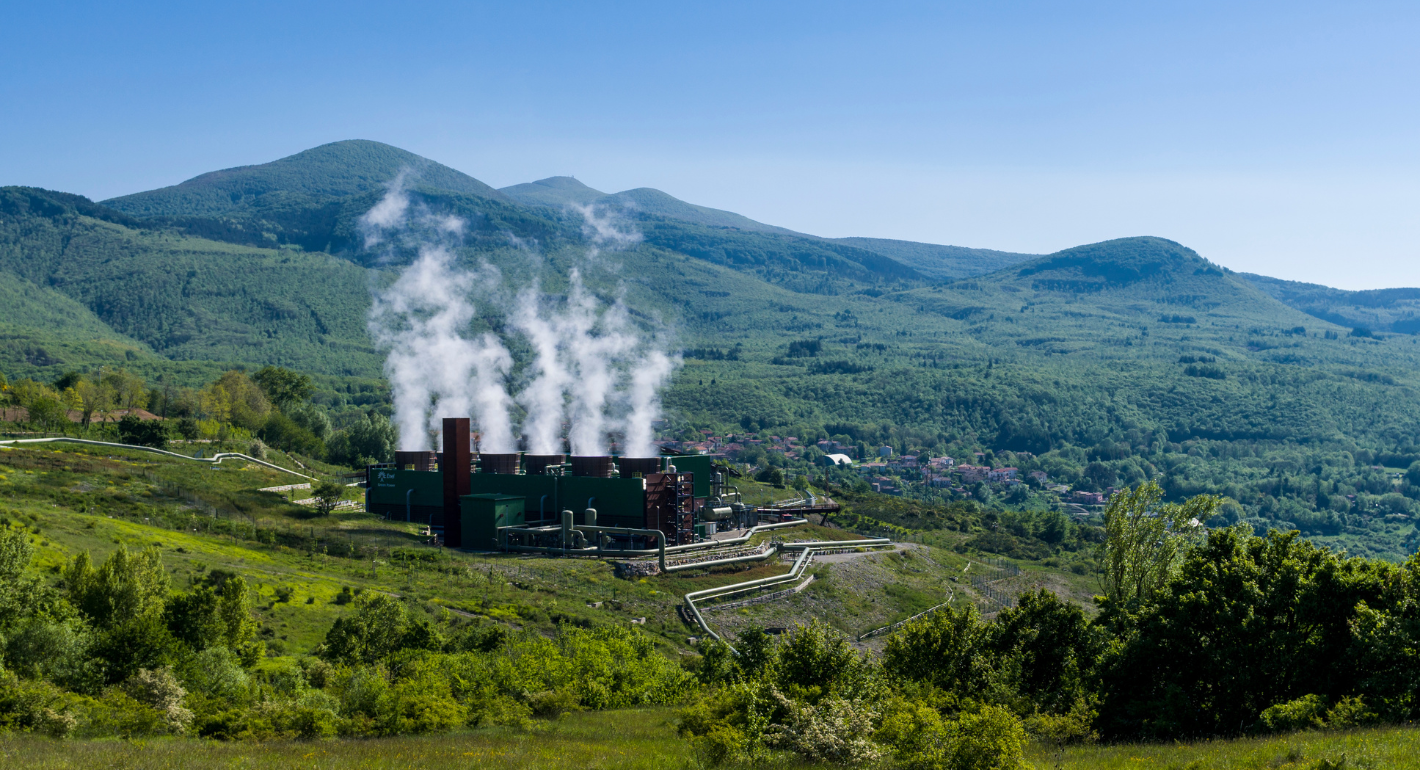
Europe’s industrial supply chains leave it vulnerable to global shocks. The EU needs a pragmatic green industrial strategy that balances durable partnerships and bolsters homegrown clean tech without sacrificing low-carbon ambition.

Milo McBride, Pauline Gerard
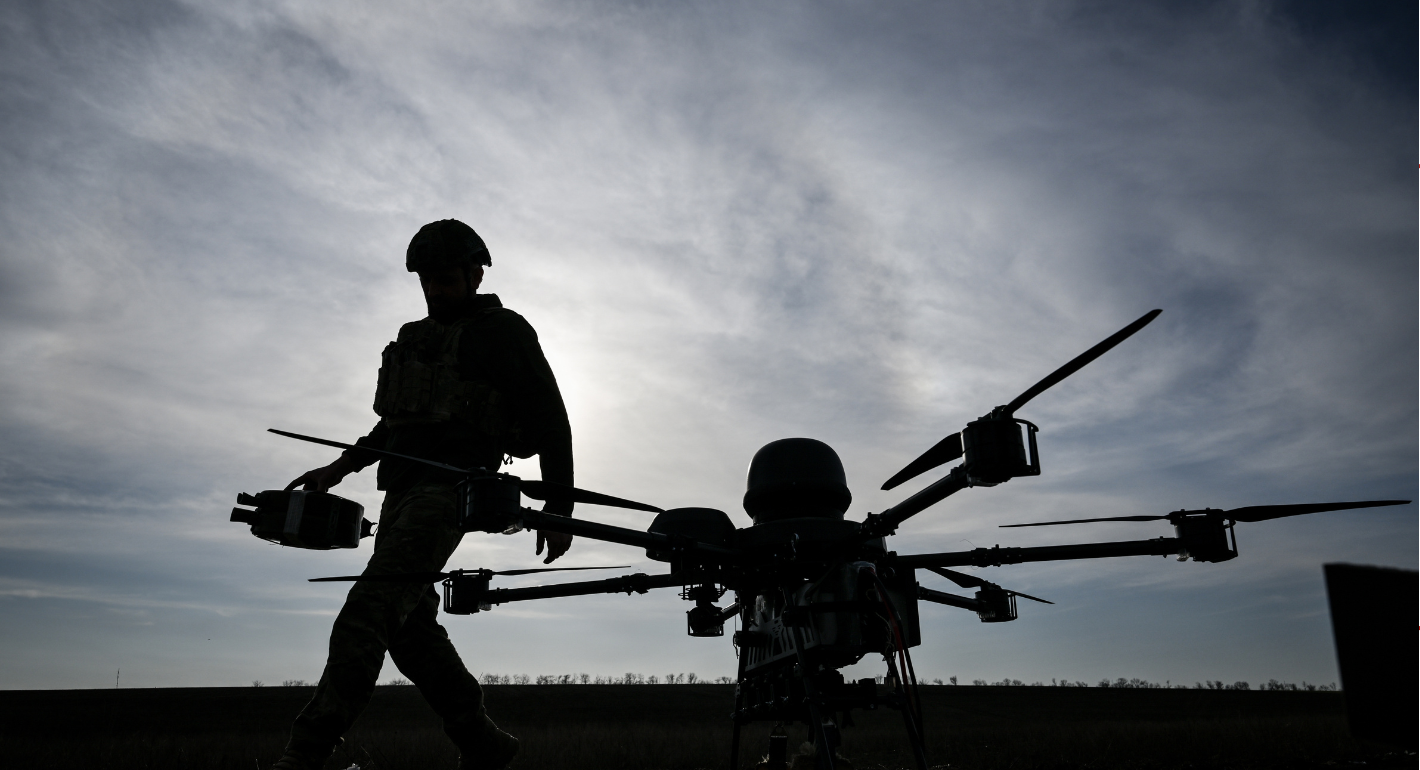
Defense tech innovations will be at the heart of Europe’s new security strategy. But so far, Brussels has been making moves without a broader plan, undermining readiness and credibility.

Raluca Csernatoni

When the U.S.-Iran memorandum of understanding was announced, the UK, France, Germany, and Italy declared their readiness to help demine the Strait of Hormuz and lift nuclear sanctions on Tehran. But does Europe need new tools to recover a diplomatic role?

Rym Momtaz, ed.
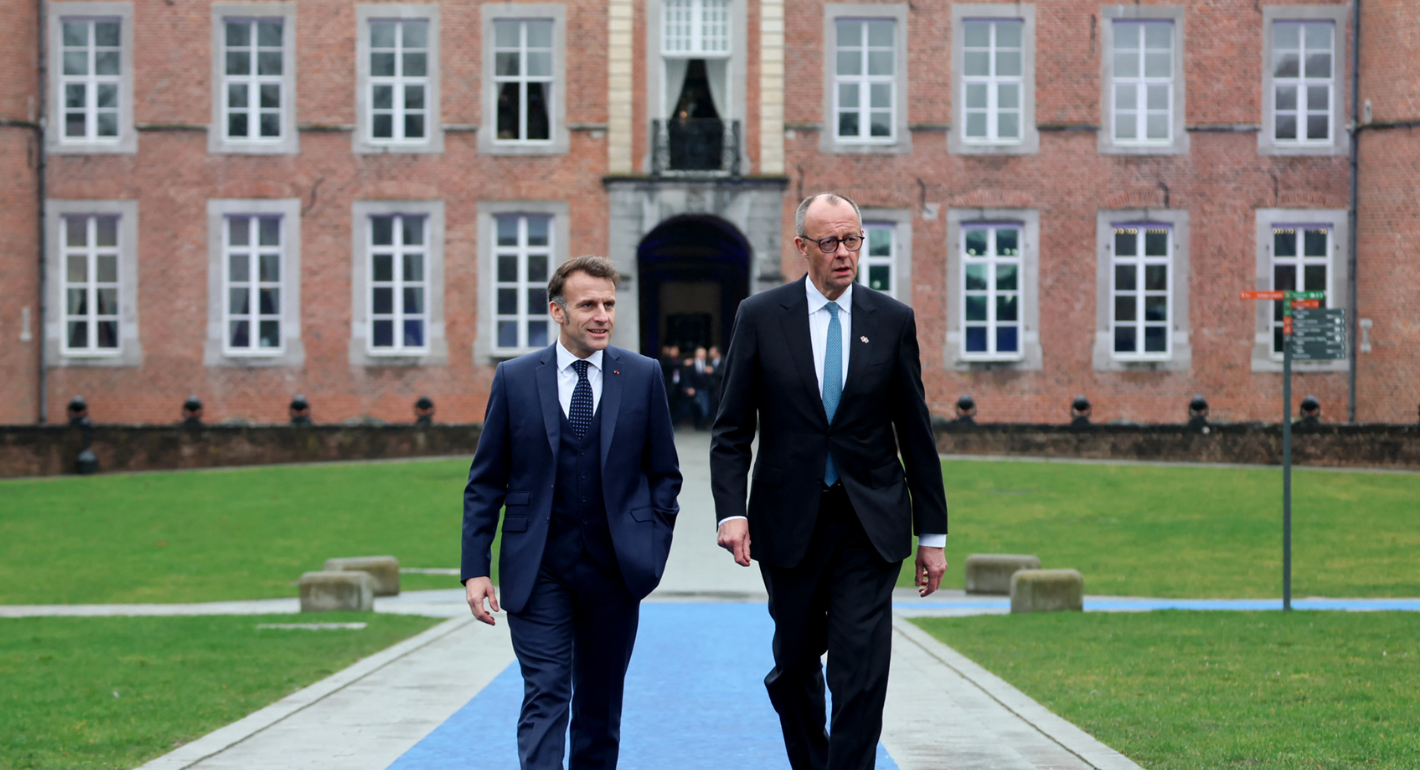
The Franco-German relationship is on the rocks again. But unlike previous moments of tension, the epochal changes on the world stage require that both step up investment in their bilateral ties.
Rym Momtaz

As geopolitical rivalry weaponizes global supply chains, the EU’s true vulnerability lies in emerging-risk imports. For these goods, suppliers are growing more concentrated, substitution more difficult, and political risk is looming.

Sinan Ülgen