

Commentary
Thomas Carothers, McKenzie Carrier
{
  "authors": [
    "Thomas Carothers"
  ],
  "type": "legacyinthemedia",
  "centerAffiliationAll": "dc",
  "centers": [
    "Carnegie Endowment for International Peace"
  ],
  "collections": [
    "Democracy and Governance"
  ],
  "englishNewsletterAll": "democracy",
  "nonEnglishNewsletterAll": "",
  "primaryCenter": "Carnegie Endowment for International Peace",
  "programAffiliation": "DCG",
  "programs": [
    "Democracy, Conflict, and Governance"
  ],
  "projects": [],
  "regions": [
    "North America",
    "United States",
    "South America"
  ],
  "topics": [
    "Political Reform",
    "Democracy",
    "Foreign Policy",
    "Civil Society"
  ]
}
Source: Getty
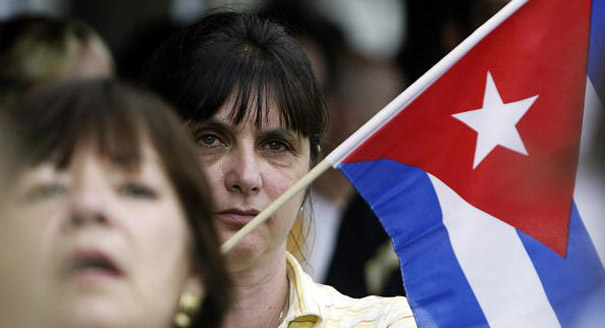
The United States must weigh a series of complicating factors in deciding whether and how to proceed with democracy support activities in antagonistic contexts like Cuba.
Source: New York Times
United States foreign aid is driven much less by ideals than by interests. A quick look at the list of top recipients of American foreign assistance clarifies that fact immediately. Democracy aid is no exception. American efforts to aid democracy in Latin America in the 1980s or in Eastern Europe in the 1990s, for example, were rooted in the conviction that democratic gains in those regions would further U.S. diplomatic, economic and security interests. Where supporting democracy would unsettle valued nondemocratic allies, such as Saudi Arabia, the United States government does not pursue it much.
The national interest dimension of American democracy aid does not render such activities illegitimate — it is a good thing that the United States and other countries sometimes consider it in their national interest to support democracy abroad. Bear in mind that most U.S. democracy aid is carried out openly and in cooperation with the governments of recipient societies, providing valuable support to both civil society and political institutions. But national interests do mean that when the U.S. government attempts such activities in antagonistic contexts, like Cuba, conflict is likely.The United States must weigh a series of complicating factors in deciding whether and how to proceed: 1.) that claiming the high ground of principle will be hard given the manifest inconsistencies in U.S. approaches to different autocracies; 2.) that any activities that seem to aim directly at undercutting public support for a regime or activating particular regime opponents will play into the hands of governments eager to paint such activities as an attack by a powerful foreign government; 3.) that keeping U.S. government aid quiet is hard to do; and 4.) that other governments hesitating about whether to allow U.S. democracy aid will scrutinize such cases closely.
This article was originally published in the New York Times.

Harvey V. Fineberg Chair for Democracy Studies; Director, Democracy, Conflict, and Governance Program
Thomas Carothers, director of the Carnegie Endowment for International Peace’s Democracy, Conflict, and Governance Program, is a leading expert on comparative democratization and international support for democracy.
Recent Work

Thomas Carothers, McKenzie Carrier
Thomas Carothers, McKenzie Carrier
Carnegie does not take institutional positions on public policy issues; the views represented herein are those of the author(s) and do not necessarily reflect the views of Carnegie, its staff, or its trustees.
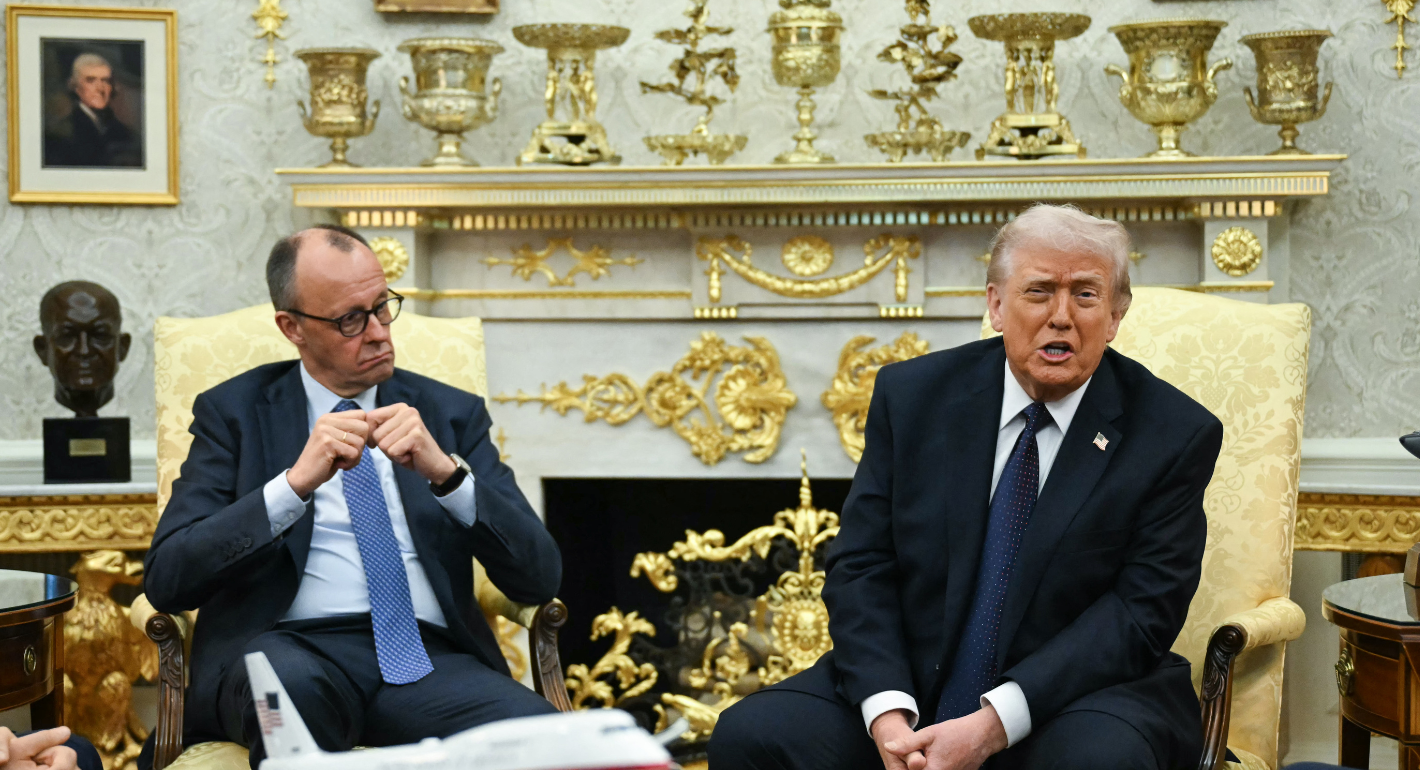
European reactions to the war in Iran have lost sight of wider political dynamics. The EU must position itself for the next phase of the crisis without giving up on its principles.

Richard Youngs
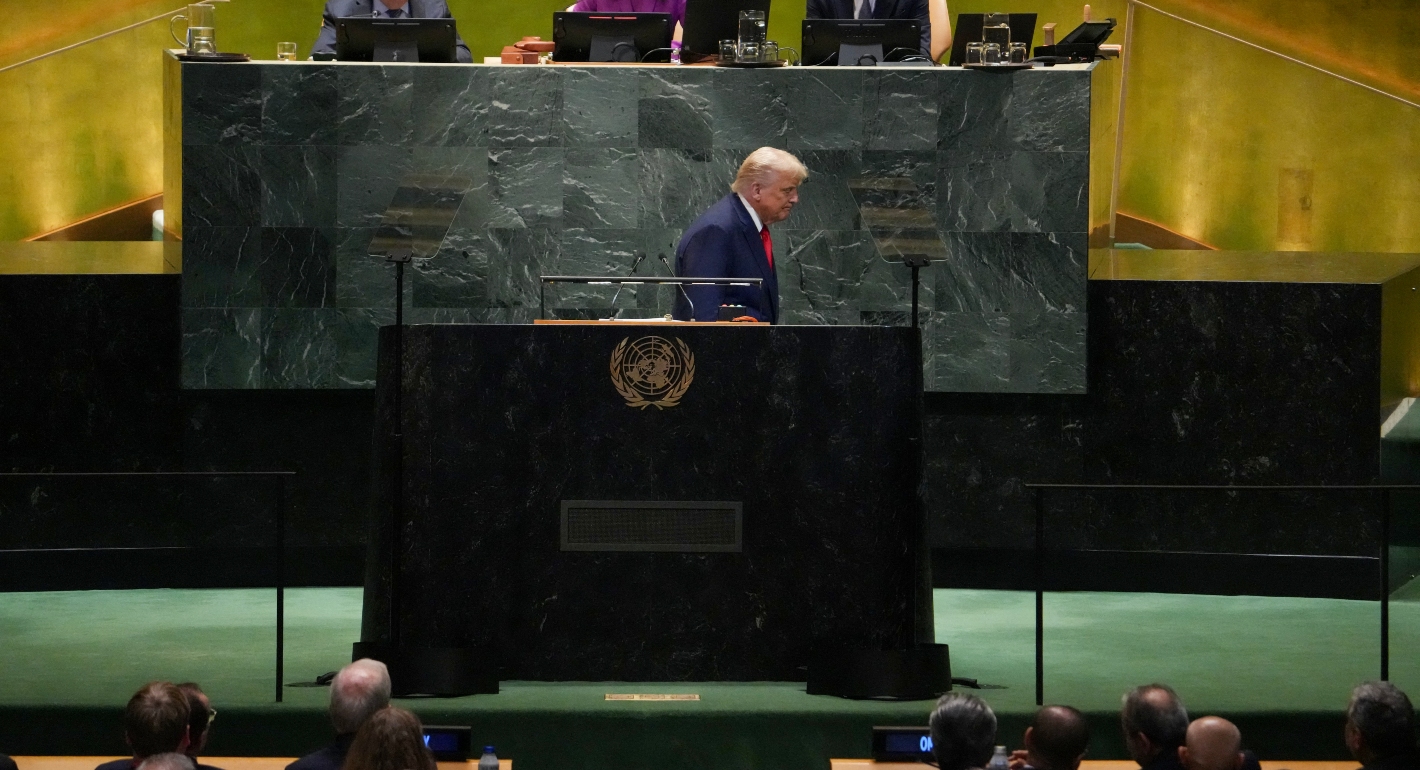
For years, the United States anchored global cyber diplomacy. As Washington rethinks its leadership role, the launch of the UN’s Cyber Global Mechanism may test how allies adjust their engagement.


Patryk Pawlak, Chris Painter
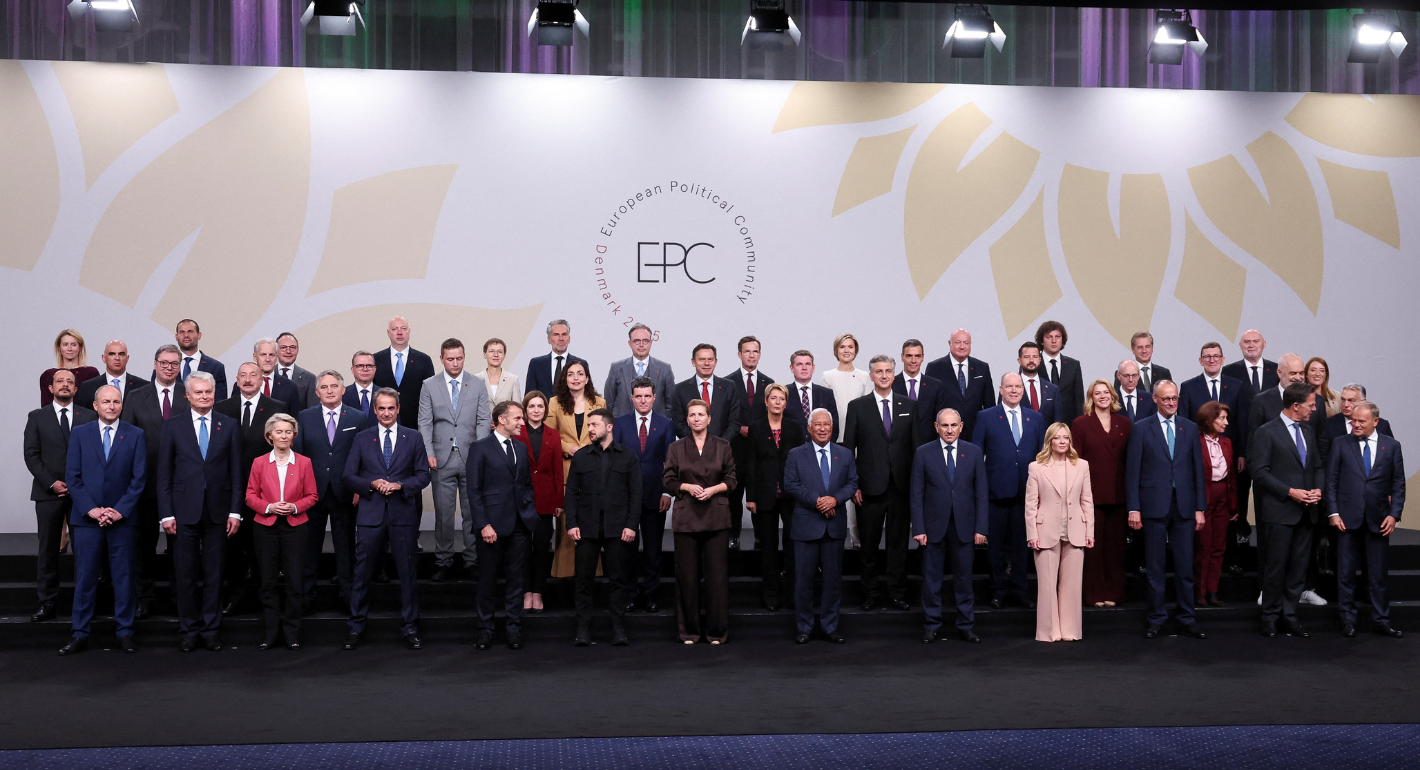
Europe isn’t as weak in the new geopolitics of power as many would believe. But to leverage its assets and claim a sphere of influence, Brussels must stop undercutting itself.

Dimitar Bechev
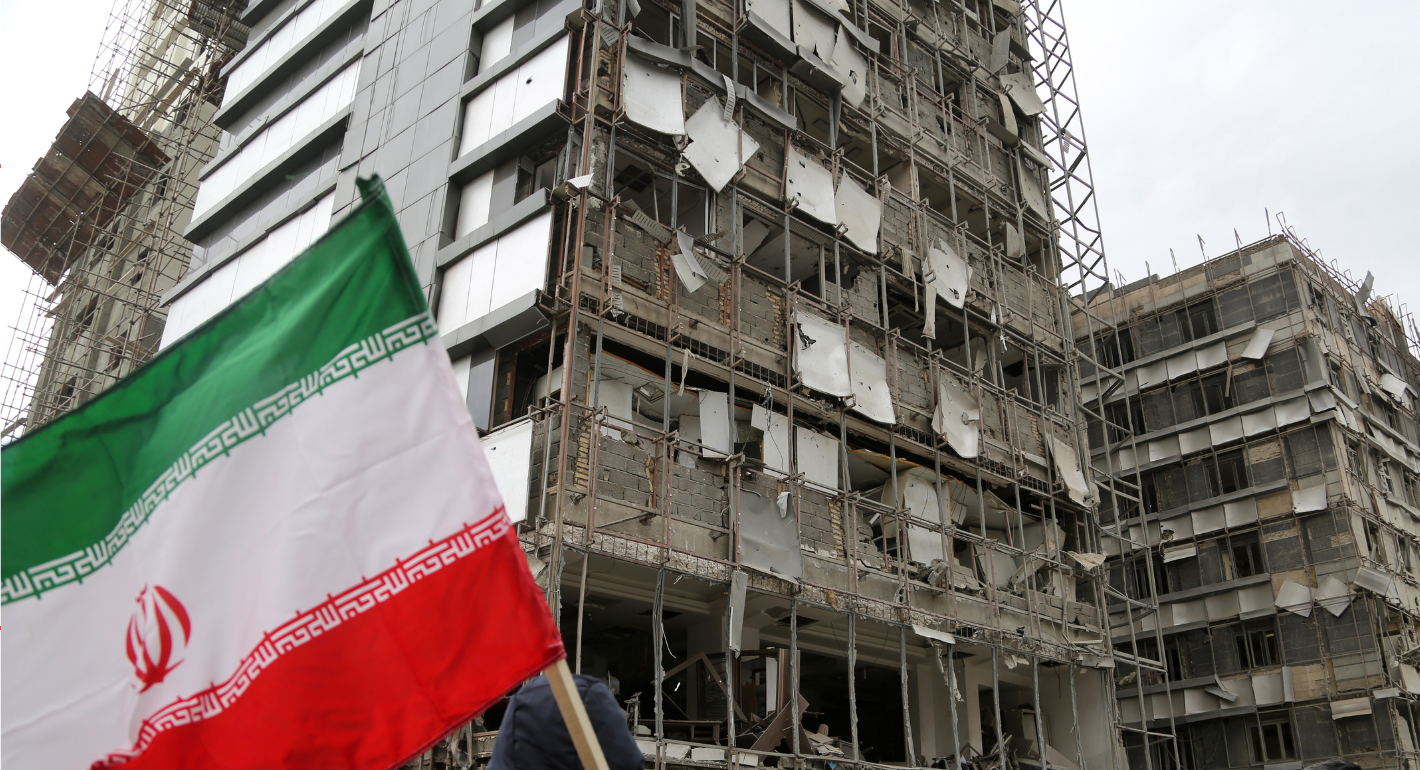
Europe’s reaction to the war in Iran has been disunited and meek, a far cry from its previously leading role in diplomacy with Tehran. To avoid being condemned to the sidelines while escalation continues, Brussels needs to stand up for international law.

Pierre Vimont
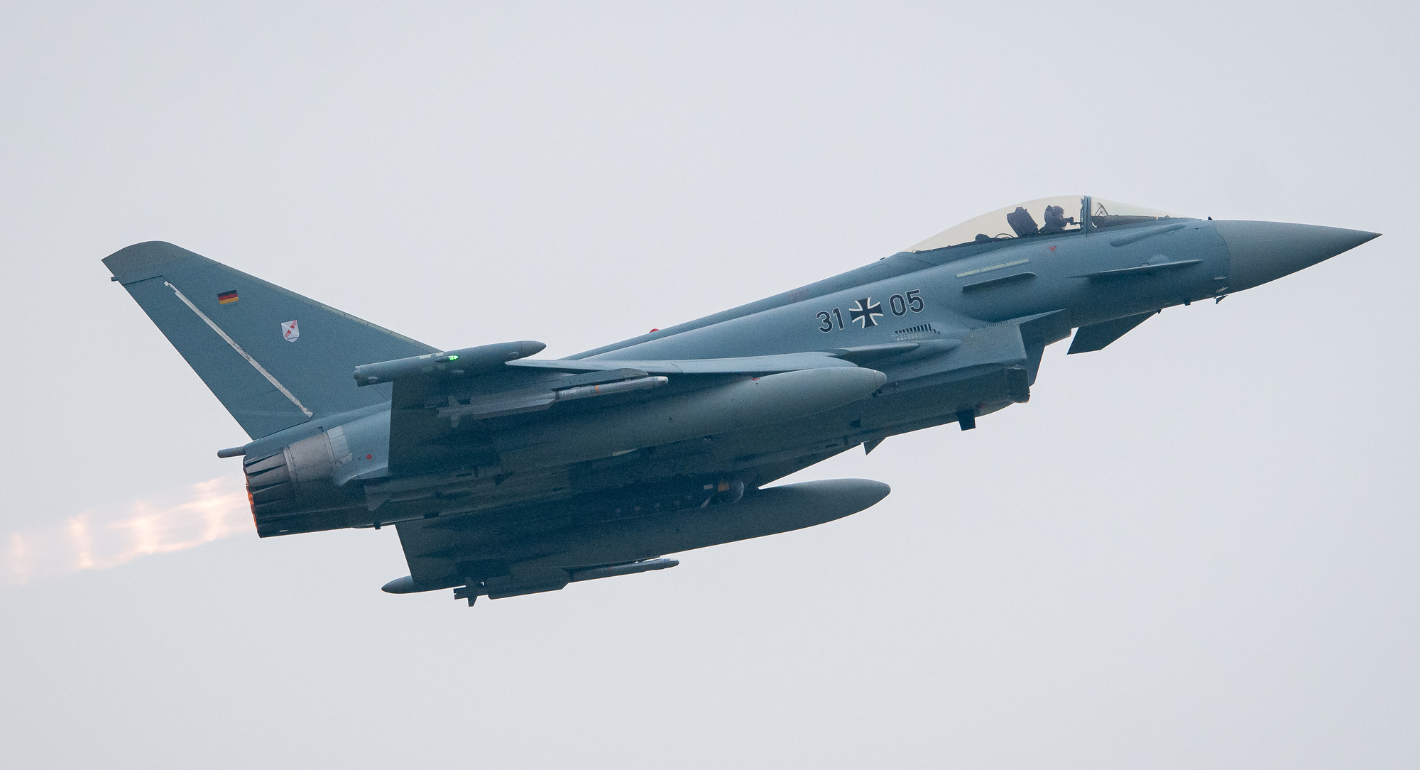
France and Germany’s failure to agree on the Future Combat Air System (FCAS) raises questions about European defense. Amid industrial rivalries and competing strategic cultures, what does the future of European military industrial projects look like?

Rym Momtaz, ed.