

Commentary
- +10
James M. Acton, Dan Baer, Mark Baldassare, …
{
  "authors": [
    "Eugene Rumer"
  ],
  "type": "commentary",
  "centerAffiliationAll": "",
  "centers": [
    "Carnegie Endowment for International Peace",
    "Carnegie Russia Eurasia Center"
  ],
  "collections": [],
  "englishNewsletterAll": "",
  "nonEnglishNewsletterAll": "",
  "primaryCenter": "Carnegie Endowment for International Peace",
  "programAffiliation": "",
  "programs": [],
  "projects": [],
  "regions": [
    "Eastern Europe",
    "Ukraine"
  ],
  "topics": [
    "Political Reform",
    "Democracy"
  ]
}
Source: Getty
Ukraine is facing a serious threat which appears to lie within the country’s own domestic politics.
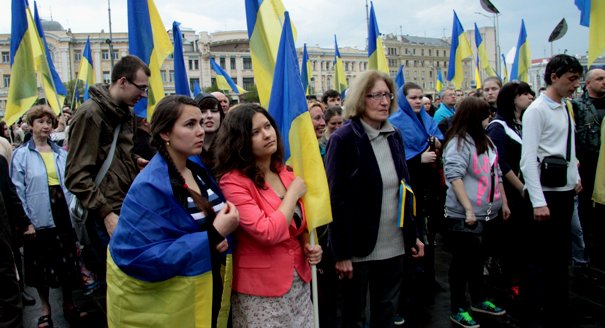
It is easy to be overcome with emotion after visiting the Maidan and seeing the makeshift memorial to the fallen. To a visitor, signs of change must be everywhere—evidence of recent heroic struggle in the center of Kyiv, passionate national revival in the West, and separatist unrest in the East. But has the country really changed?
The recent memory of the crowds and the struggle in the Maidan leading to the dramatic fall of the Viktor Yanukovych government makes it easy to overlook that Ukraine has followed a different path from most of its fellow ex-Soviet states. It has always been special. It gave rise to a peaceful national revival movement after the tragedy of Chernobyl early during the perestroika years. It embraced independence from the Soviet Union after the failed August 1991 coup and thus made it clear that the Soviet Union was doomed. It has had a highly competitive political environment since independence with multiple presidential and parliamentary elections, hotly contested, notoriously dirty, but competitive nonetheless. And it has had two revolutions in 10 years.
What are the odds that the new revolution will produce different, better results? Too early to tell, but plenty to worry about.
For starters, the new elite looks conspicuously like the old elite. The two leading contenders in the May 25 presidential contest are businessman, politician, and former government official Petro Poroshenko, and businesswoman, former prime minister, and leader of the Fatherland party Yulia Tymoshenko. The contest between “chocolate king” Poroshenko and “gas princess” Tymoshenko is hardly promising as a sign of a new beginning in Ukraine.
Both have been active at the intersection of business and politics for decades. Elected to the Rada in 1998, Poroshenko has been associated with just about every major political party in Ukraine. He began as a United Social Democrat, was active in the establishment of the Party of Regions, both squarely in Kuchma’s camp, then switched to Victor Yushchenko’s Our Ukraine, and still has his own Solidarity party. He served as Yushchenko’s Security Council secretary, minister of foreign affairs in the cabinet of Tymoshenko, and minister of trade and economic development in the cabinet of Mykola Azarov under Yanukovych. In addition to these political and government activities, he has acquired business holdings that include confectionery enterprises from which his “chocolate king” nickname derives. Hardly a new face in Ukrainian business or politics, while in government, Poroshenko has not escaped his share of allegations of using his office to advance his allies’ commercial interests.
Tymoshenko fits roughly the same mold—early business career in gas trade, closely aligned for a while with former Prime Minister Pavlo Lazarenko (who served a lengthy prison term in the United States for money laundering), election to the Rada and government service, all accompanied by allegations of cronyism and corruption. In 2010, she ran in the presidential election and lost to Yanukovych, who, in keeping with the merciless nature of Ukrainian politics, put her in jail on highly dubious charges. Released from prison after Yanukovych’s fall, she is purported to be the “éminence grise” behind the provisional government which is packed with her associates.
Indeed, some of the key posts in the new government are held by Tymoshenko’s close allies, and equally familiar names in Ukrainian politics. Prime Minister Yatsenyuk is one of the leaders of Tymoshenko’s party and a former foreign minister, speaker of the Rada, minister of the economy, and a senior official of the National Bank of Ukraine. Deputy Prime Minister Vitaliy Yarema is also from Tymoshenko’s party, as is Minister of the Interior Arsen Avakov, previously charged with land machinations and once detained by Italian police on an Interpol warrant. Minister of Energy Yuriy Prodan, though not a member of any party, previously held the same post in Tymoshenko’s cabinet. And, needless to say, acting President Oleksandr Turchynov is from Tymoshenko’s party, with his political roots reaching all the way to Lazarenko.
Is it any wonder that the Maidan activists are mistrustful of the new regime? That they fear that the sacrifice of this revolution will be betrayed just as it was after the Orange Revolution a decade ago? Should it come as a surprise that Eastern Ukraine, with its long-standing ties to Russia, is reluctant to recognize the legitimacy of the new government in Kyiv?
Ukraine is facing serious threats today—Russian separatism, military invasion from Russia—but an equally serious threat appears to lie within Ukraine’s own domestic politics. The path it has taken for over 20 years since the break-up of the USSR has been different from the rest of the former Soviet states. But unless its leaders chart a new course after this latest revolution, being different may not be enough to overcome the threats facing the country.
Director and Senior Fellow, Russia and Eurasia Program
Rumer, a former national intelligence officer for Russia and Eurasia at the U.S. National Intelligence Council, is a senior fellow and the director of Carnegie’s Russia and Eurasia Program.
Recent Work

James M. Acton, Dan Baer, Mark Baldassare, …
Eugene Rumer
Carnegie does not take institutional positions on public policy issues; the views represented herein are those of the author(s) and do not necessarily reflect the views of Carnegie, its staff, or its trustees.
Russia’s maximalist demands are preventing any serious attempt at ending the war in Ukraine. To make peace a realistic prospect, Putin must recognize that diplomacy is a two-way street.
Kadri Liik
Too many national interests, too many EU institutions, and too little political will are preventing Europe from acting in its own best interests.
Judy Dempsey
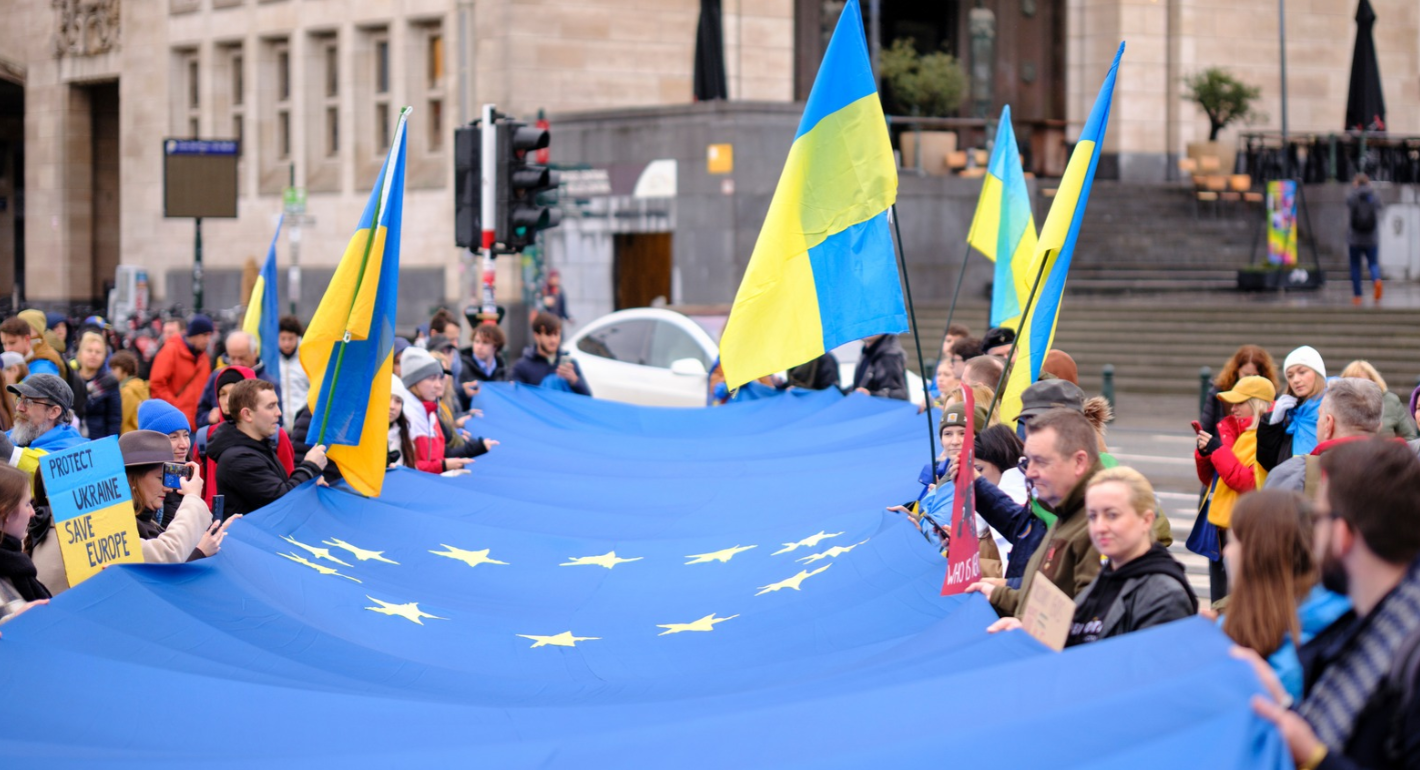
A sizeable funding shortfall looks increasingly likely to hit Ukraine in 2027. Can the Europeans, with their strained budgets and economies, come up with the cash without seizing frozen Russian assets?

Rym Momtaz, ed.
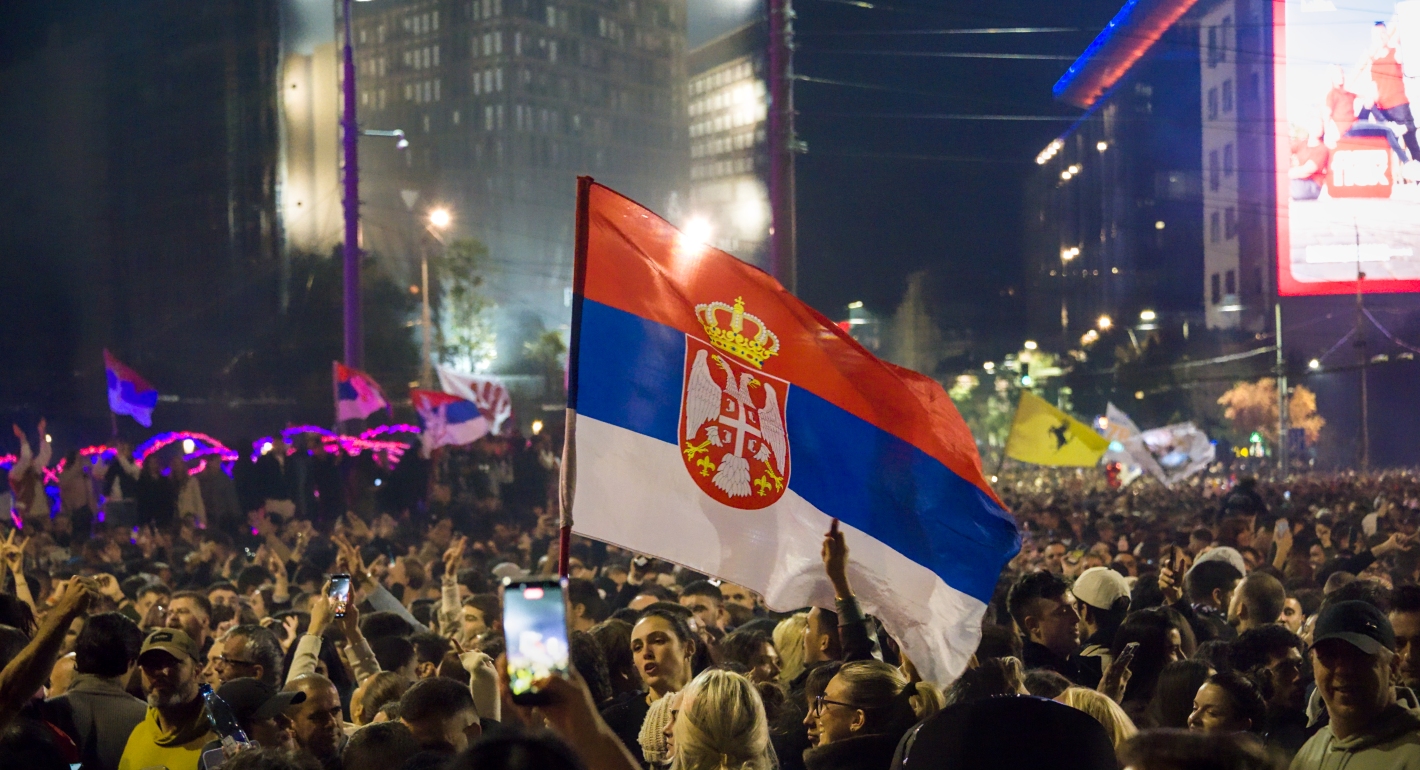
After two years of mass protests, Serbia’s student-led movement has ousted Aleksandar Vučić. Now the Student List must prove it can deliver on its promises.
Dimitar Bechev
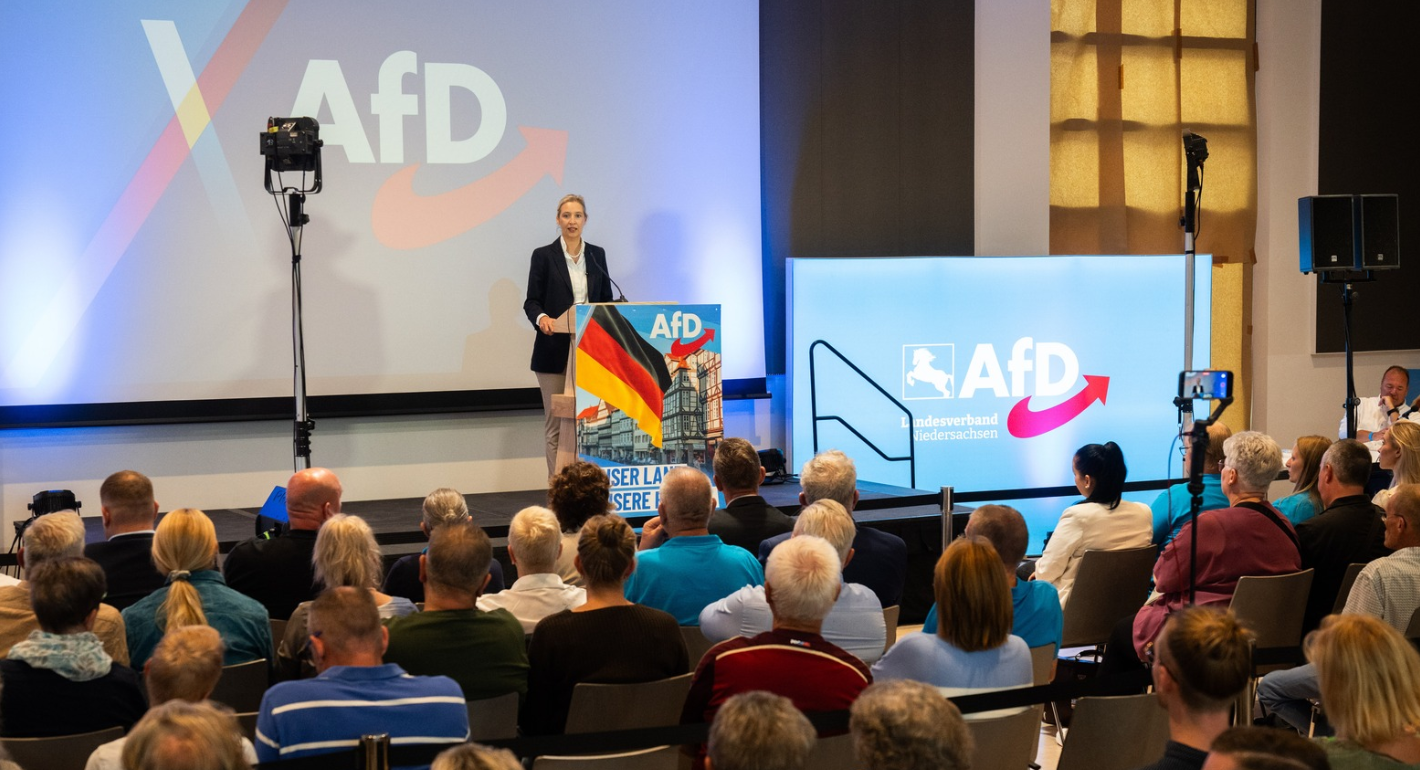
In Germany, competing perceptions of Russia are highlighting a tension between public opinion and government policy. In the country’s east, where division is widespread, populist parties are taking advantage.
Gwendolyn Sasse