

Commentary
Alexey Malashenko
{
  "authors": [
    "Alexey Malashenko"
  ],
  "type": "commentary",
  "centerAffiliationAll": "",
  "centers": [
    "Carnegie Endowment for International Peace",
    "Carnegie Russia Eurasia Center"
  ],
  "collections": [],
  "englishNewsletterAll": "",
  "nonEnglishNewsletterAll": "",
  "primaryCenter": "Carnegie Russia Eurasia Center",
  "programAffiliation": "",
  "programs": [],
  "projects": [
    "Eurasia in Transition"
  ],
  "regions": [
    "South Asia",
    "Afghanistan"
  ],
  "topics": [
    "Political Reform",
    "Democracy",
    "Civil Society",
    "Religion"
  ]
}
Source: Getty
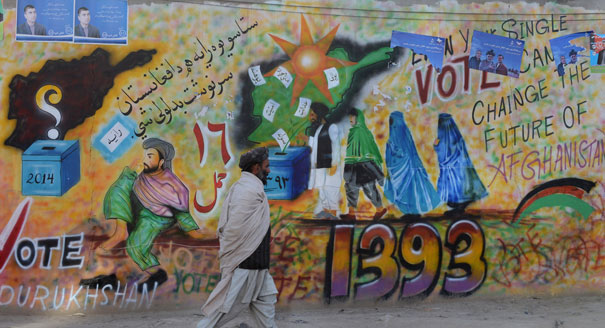
The Afghan presidential elections did take place. The traditional and arch-conservative Afghan society is gradually getting used to regular democratic political instruments, although the situation in Afghanistan remains unpredictable, and the national consensus is far out of reach.
In April, May and June, presidential elections are taking place in three Muslim countries—Afghanistan, Syria, and Egypt. Although the situation in each of the three countries is different, some similarities among them exist. First, they all have been unstable for a number of years—three in the case of Egypt and Syria and more than thirty in the case of Afghanistan. Second, powerful Islamist movements are part of political landscape in all three countries. Third, democratic institutions, however formal, are being used in these countries, albeit their use is severely limited in Syria. In Syria, as well as in Egypt, the elections results are practically known in advance.
All three come from the ruling establishment. Their political programs do not differ significantly. The major difference pointed out by analysts and journalist is Abdulla Abdulla’s Tajik origin (his Tajik-Pashtun origin, to be exact). The other two candidates are Pashtun. In the run-up to the first round of the elections, many analysts believed that Abdulla’s ethnic background will adversely affect his chances to win. However, Abdulla’s support base extends beyond the Tajik population; he is also supported by other Afghan minority groups, as well as by some Pashtuns. Perhaps, Abdulla may prove to be more capable than others of mediating the extremely complicated dialogue among various ethnic, political, and religious groups within Afghan society.
Abdulla’s main opponent is Ashraf Ghani Ahmadzai. He also took part in the 2009 presidential elections, finishing with just three percent of the vote. He has a serious chance of winning this time. In a sense, Ahmadzai’s increased popularity can be explained by the fact that he may get the votes of another Pashtun candidate, Zalmai Rassoul, who is supported by the Hamid Karzai clan. Afghan constitution does not allow Karzai to run for the third term; his brother Qayum refused to run, which in effect makes Rassoul Karzai’s candidate. On the one hand, it adds to Rassoul’s political weight, since he is backed by the current political regime and its Pashtun supporters. On the other hand, the Karzai regime has discredited itself in the eyes of significant number of voters. Ahmadzai may exploit this fact.
In the absence of a clear favorite, the main candidates are vying for support of other contenders whose chances of winning are slim. These contenders are ready to throw their support behind one of the favorites. Abdul Rasul Sayyaf, who appears to be the most influential of the six “second-tier” candidates, believes that none of the favorites can win without his backing. In Sayyaf’s view, any politician that wins the elections will have to formulate his policies in a way that will be responsive to all the segments of Afghan society, which is impossible to do without the help from one’s allies.
In this context, it should be noted that the political and social consensus in Afghanistan is impossible without the participation of the Taliban movement, which is ignoring these elections. Experts and politicians are still discussing how strong the Taliban’s influence is. I will cite two diametrically opposed opinions on this issue. Some claim that the Taliban’s role is grossly exaggerated. It is no longer capable of radically changing the situation inside the country; nor can it come to power on its own as it did in 1996. However, a former Taliban diplomat, who participated in negotiations with the UN, expressed another view at last year’s conference in Herat which I attended. He claimed that the Taliban forces control 90 percent of the Afghan territory, thus any political events (this includes elections) that exclude the Taliban are illegitimate and pointless.
For its part, the Taliban is split between the factions that will be ready for compromise with the newly-elected president and those that will behave even more aggressively, fearing the loss of their influence. Thus, the Taliban finds itself in a difficult position: it will not recognize the election results, of course; but it cannot disregard them altogether either.
After the withdrawal of the Coalition combat troops from Afghanistan, the new president will be facing the Taliban, relying on the Afghan security forces. It would be wrong to abandon him, as Russia once did with Najibullah after the breakup of the Soviet Union. The United States, however, does not intend to act in the same fashion.
What are the most important conclusions for today?
First, the Afghan presidential elections did take place, although they have not yet officially ended—the runoff elections are still ahead, even if they are postponed.
Second, the fiercely traditional and arch-conservative Afghan society is gradually getting used to regular democratic political instruments.
Third, the situation in Afghanistan remains unpredictable, and the national consensus is far out of reach.
The next Afghan president will have to work very hard to forge such a consensus, while also charting the development path for his country. Whoever is the winner, he has his work cut out for him.
Former Scholar in Residence, Religion, Society, and Security Program
Malashenko is a former chair of the Carnegie Moscow Center’s Religion, Society, and Security Program.
Recent Work
Alexey Malashenko
Alexey Malashenko
Carnegie does not take institutional positions on public policy issues; the views represented herein are those of the author(s) and do not necessarily reflect the views of Carnegie, its staff, or its trustees.
The battle over free speech has taken center stage since U.S. Vice President JD Vance accused Europe of censorship. From travel bans to social media regulation, especially around the Israel-Palestine conflict, are liberal democratic governments weaponizing free speech?

Rym Momtaz, ed.
Preparing candidate countries for EU membership is no longer enough. As the enlargement process becomes a reality, the union must also prepare its own societies.

Iliriana Gjoni
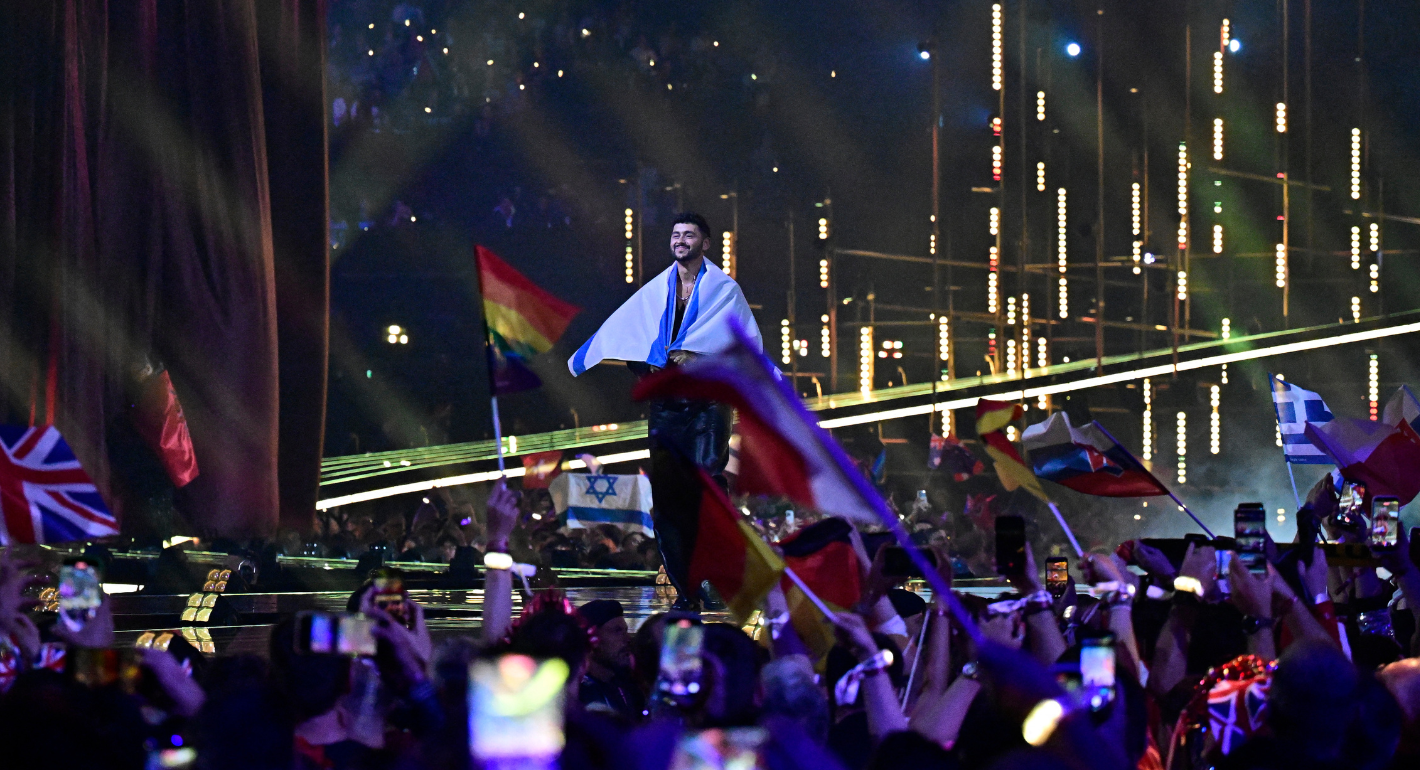
Five countries staged the biggest political boycott in Eurovision history over Israel’s participation. With the FIFA World Cup and other sporting or cultural touchstones on the horizon, are boycotts effective?
Rym Momtaz, ed.
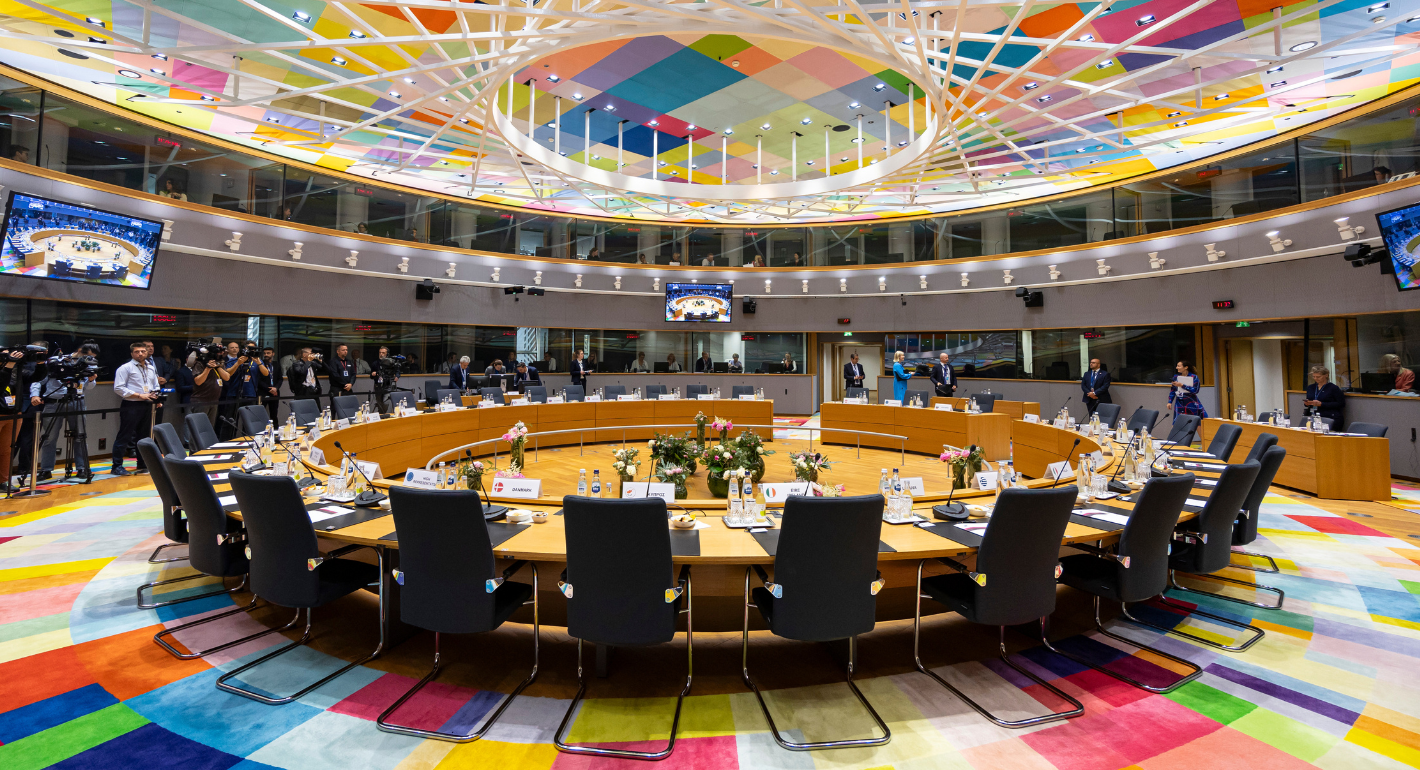
Countries face several hurdles in joining the EU, including the final stage of ratifying their accession treaties. Procedural reforms and substantive adjustments could help move the process forward.

Stefan Lehne
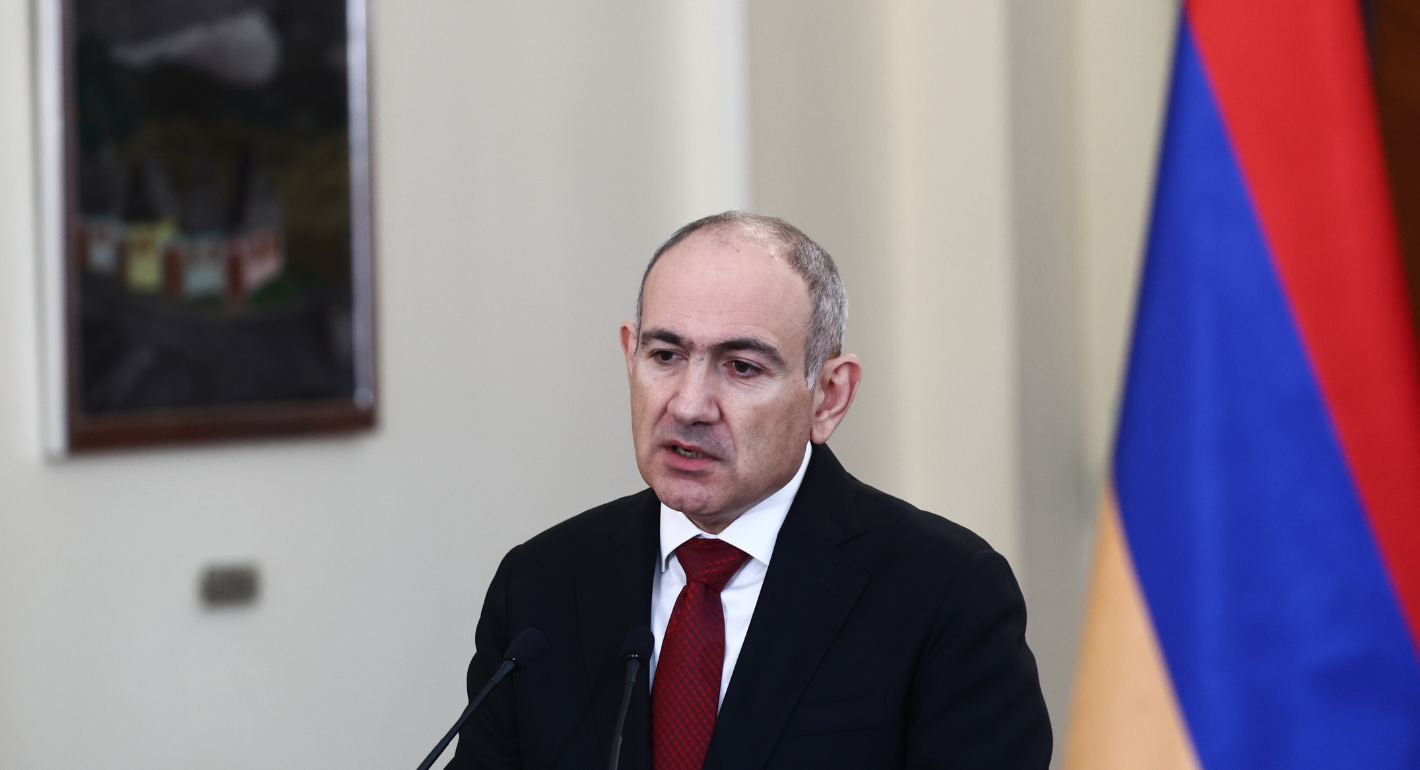
Europe has an interest in supporting Armenian leader Nikol Pashinyan as he tries to make peace with neighbors and loosen ties with Russia. But it is depersonalized support in the long term, not quickfire flash, that will win the day.

Thomas de Waal