

Commentary
Dmitri Trenin
{
  "authors": [
    "Dmitri Trenin"
  ],
  "type": "commentary",
  "centerAffiliationAll": "",
  "centers": [
    "Carnegie Endowment for International Peace",
    "Carnegie Russia Eurasia Center"
  ],
  "collections": [],
  "englishNewsletterAll": "",
  "nonEnglishNewsletterAll": "",
  "primaryCenter": "Carnegie Russia Eurasia Center",
  "programAffiliation": "",
  "programs": [],
  "projects": [],
  "regions": [
    "North America",
    "United States",
    "East Asia",
    "China",
    "Russia",
    "Eastern Europe",
    "Ukraine"
  ],
  "topics": [
    "Foreign Policy"
  ]
}
Source: Getty
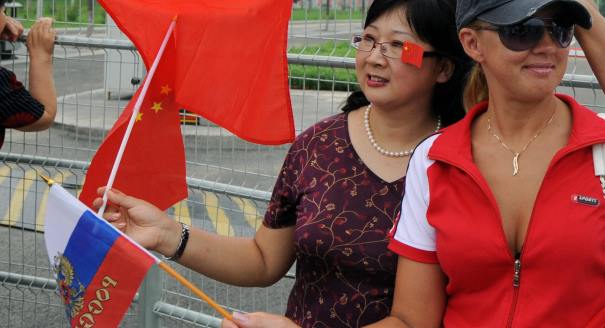
Since the 1990s, warnings from Russian liberals that Western pressure would push Russia toward China have failed to materialize. Now, however, faced with U.S.-led geopolitical pressure in Eastern Europe and East Asia, Russia and China are likely to cooperate more closely.
For much of the past two decades, Russian liberals have been telling their Western interlocutors that pushing Russia too hard or ignoring its interests would provoke Moscow to seek a closer relationship with China. Those repeated predictions, however, have repeatedly failed to materialize. Neither the enlargement of NATO to Central Europe in the 1990s nor NATO's 1999 bombing of Yugoslavia led to Moscow's about-face in its foreign policy priorities. Ditto for the U.S. role in support of color revolutions in the former Soviet Union in the mid-2000s and in encouraging Mikheil Saakashvili, who provoked in 2008 a brief war between Georgia and Russia. The ongoing crisis over Ukraine, however, is different.
It first needs to be recognized that, from the Chinese Communists' point of view, Russia's action in Crimea was far less disturbing than the earlier U.S. support for the Kiev maidan. Moreover, Moscow's successful politico-military-intelligence-psywar operation in Crimea can be of interest to Beijing as it considers various scenarios for future Taiwan-related developments. As to the ensuing confrontation between Russia and the United States over Ukraine, it diverts Washington's attention from China and absolutely guarantees that Russia, for a long time, will remain China's secure strategic rear. Finally, the U.S. sanctions upgrade China's importance to Russia as the one major economy in the world that is not susceptible to the U.S.-led sanctions drive.
Further, it needs to be noted that Russia's fear of China is usually—and conveniently—overstated in the West. In fact, Russia is perhaps the only neighbor of China that does not fret over the rise of its economy, the growing assertiveness of its foreign policy, or the increasing capabilities of its military. The Kremlin's calculus treats the first issue as an opportunity, the second one as aimed at establishing a multipolar world order which Moscow also welcomes, and the third one as directed mainly against the United States and its allies. Over the past 25 years, as the power balance between China and Russia was constantly changing for the benefit of the former, the relationship between Beijing and Moscow was progressively getting closer: a stunning phenomenon in the history of relations between two neighboring great powers.
Faced with U.S.-led geopolitical pressure in Eastern Europe and East Asia, Russia and China are likely to cooperate even more closely. Of course, Putin's economic project of a Greater Europe, linking his brainchild Eurasian Union with the EU, which has failed to ignite interest in Europe, will not yet be replaced with an expanded version of China's New Silk Road. Nor will the military alliance of the 1950s be revived; there is hardly a need for that. What might be expected instead is an energy, investment and industrial-technological partnership between China and Russia which will reshape and rebalance Eurasia, whose center of gravity will now move from Moscow to Beijing. Such an outcome would certainly benefit China, but it will give Russia a chance to withstand U.S. geopolitical pressure, compensate for the EU's coming energy re-orientation, develop Siberia and the Far East, and link itself to the Asia-Pacific region. The surviving Russian liberals of the 1990s will have the last laugh—before withering away.
Former Director, Carnegie Moscow Center
Trenin was director of the Carnegie Moscow Center from 2008 to early 2022.
Recent Work
Dmitri Trenin
Dmitri Trenin
Carnegie does not take institutional positions on public policy issues; the views represented herein are those of the author(s) and do not necessarily reflect the views of Carnegie, its staff, or its trustees.
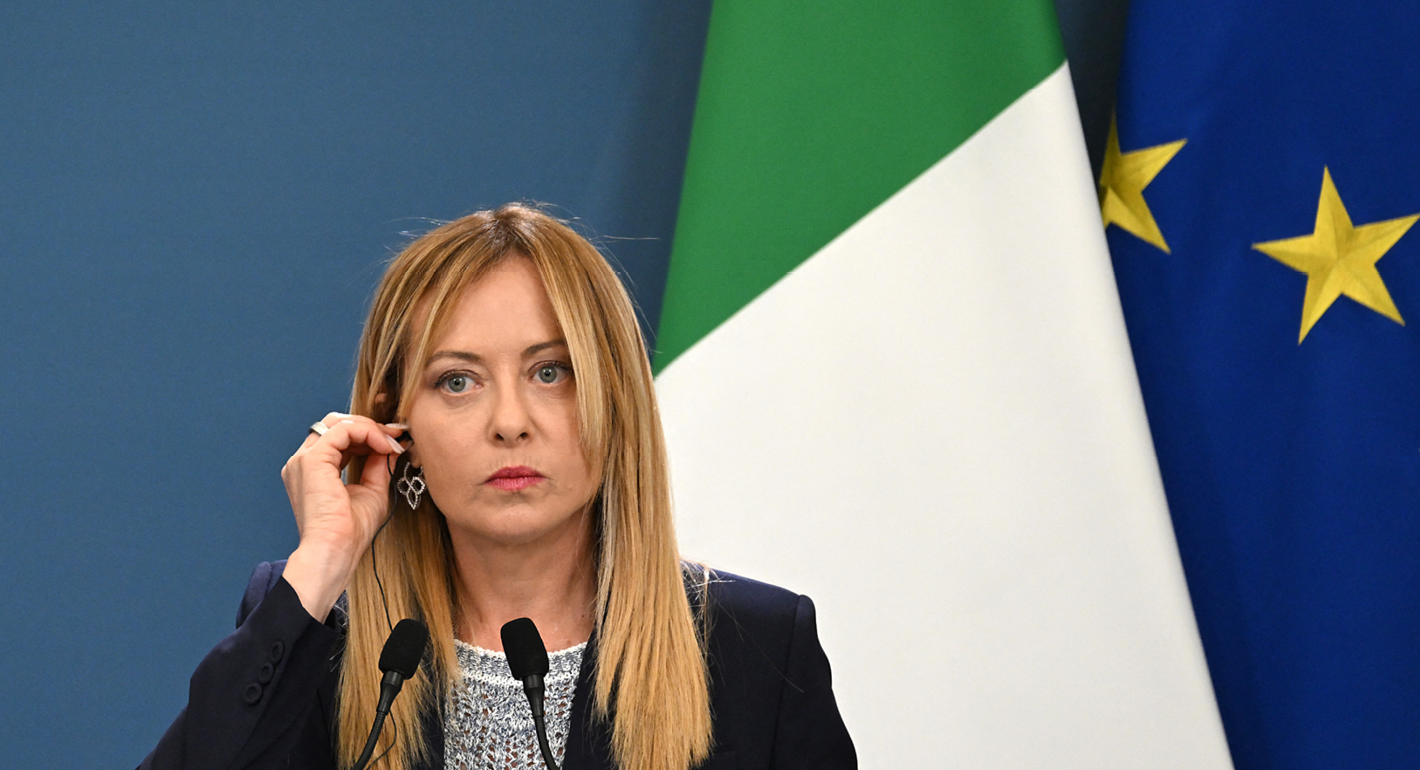
When Giorgia Meloni very publicly rebuked Donald Trump’s disparaging remarks about her, it surprised many who saw her as a European extension of Trumpism. Is the spat a sign of trouble in the radical right’s transatlantic axis?

Rym Momtaz, ed.
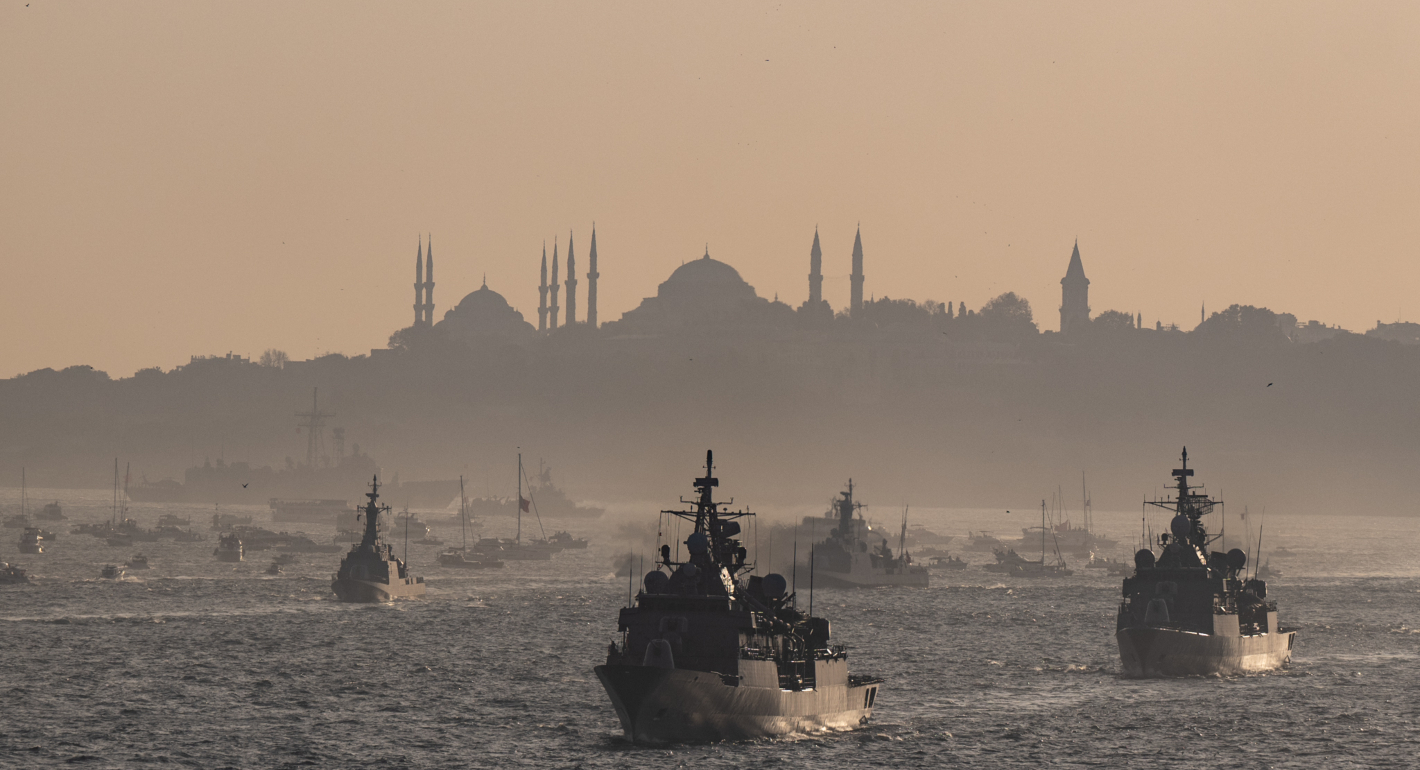
For ninety years, Turkey has been positioned as the principal gatekeeper of Black Sea security. As a result, European and NATO efforts to support Ukraine will require closer engagement with Ankara.

Thomas de Waal

Western Europe’s dual-use infrastructure melted down during its latest heat wave. If a predicted hot weather event can take the continent by surprise, what chance does it have to withstand unexpected geopolitical crises?
Rym Momtaz
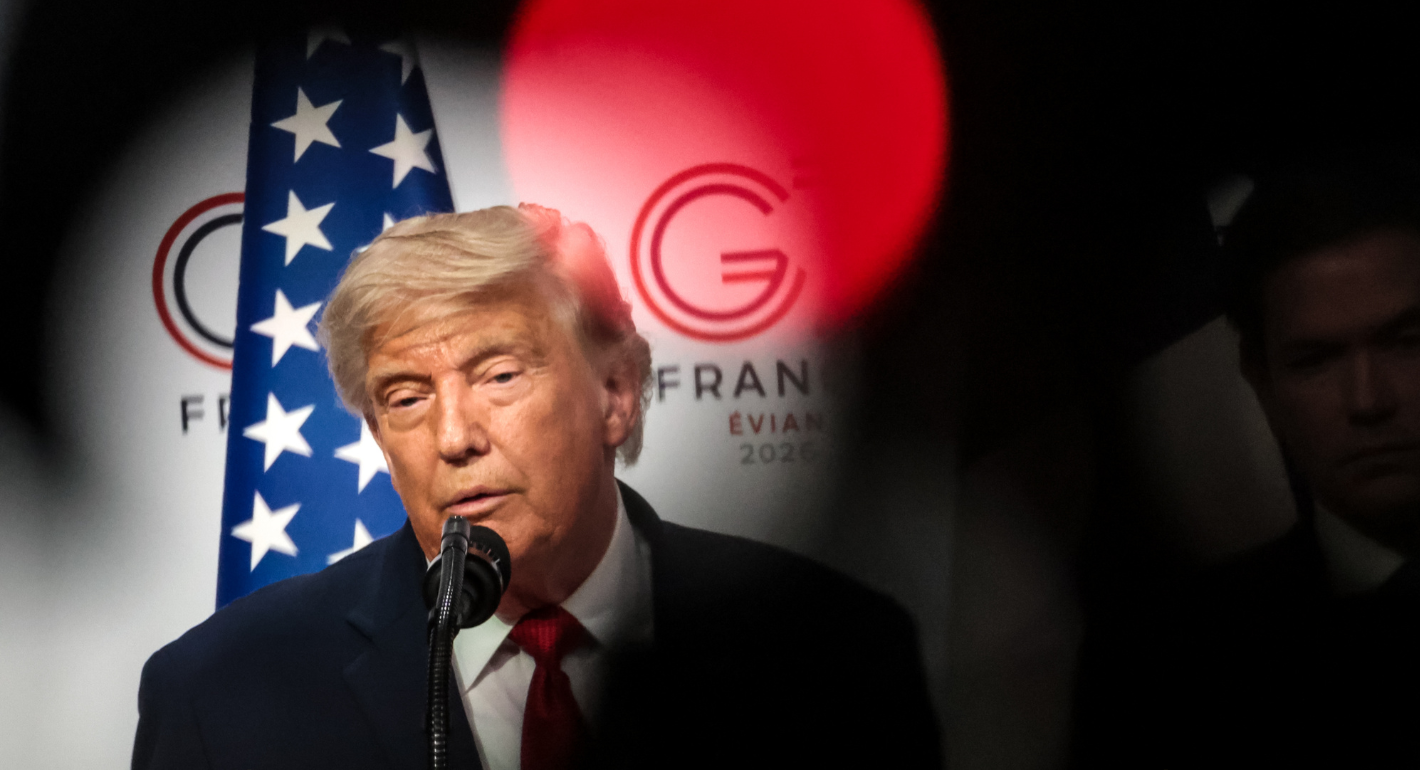
There is an elephant in the room when it comes to the EU’s upcoming security strategy: Donald Trump. Unless European leaders acknowledge the depth of the transatlantic crisis, true autonomy will remain out of reach.

Stefan Lehne

Europe’s industrial supply chains leave it vulnerable to global shocks. The EU needs a pragmatic green industrial strategy that balances durable partnerships and bolsters homegrown clean tech without sacrificing low-carbon ambition.


Milo McBride, Pauline Gerard