

Q&A
- +1
Amr Hamzawy, Andrew Leber, Eric Lob, …
{
  "authors": [
    "Marwan Muasher"
  ],
  "type": "legacyinthemedia",
  "centerAffiliationAll": "dc",
  "centers": [
    "Carnegie Endowment for International Peace",
    "Malcolm H. Kerr Carnegie Middle East Center"
  ],
  "collections": [
    "Arab Awakening"
  ],
  "englishNewsletterAll": "menaTransitions",
  "nonEnglishNewsletterAll": "",
  "primaryCenter": "Carnegie Endowment for International Peace",
  "programAffiliation": "MEP",
  "programs": [
    "Middle East"
  ],
  "projects": [],
  "regions": [
    "Middle East",
    "North Africa",
    "Egypt",
    "Gulf",
    "Levant",
    "Maghreb"
  ],
  "topics": [
    "Political Reform"
  ]
}
Source: Getty
The age of ideology in the Arab world is drawing to a close.
Source: Aspen Institute
Speaking on a panel discussion at the Aspen Ideas Festival, Carnegie’s Marwan Muasher joined Anne-Marie Slaughter, Steve Clemons, and George Mitchell to discuss the situation in Syria, Iraq, and the broader Middle East. Muasher argued that the age of ideology in the Arab world is coming to a close and that those who are able to show results will succeed. “We cannot talk about the region in terms of ethnic purity or religious purity,” he said. “If we are to talk about a Middle East that is prosperous and stable, we have to talk about pluralism and inclusion, not exclusion, exclusionist policies, or exclusionist countries.”
Muasher argued that that Islamic State of Iraq and the Levant (ISIS) has been able to secure military victories because it’s operating in an environment that felt marginalized. “If we have a political process in which everybody feels included, ISIS will be far less effective than they are today.”
“The Arab world cannot remain hostage to political elites who are governing through a system without any checks and balances or to the radical Islamists who are threatening the cultural and political diversity of society,” he contended. “Those who want a pluralistic discourse have to work for one.”

Vice President for Studies
Marwan Muasher is vice president for studies at Carnegie, where he oversees research in Washington and Beirut on the Middle East. Muasher served as foreign minister (2002–2004) and deputy prime minister (2004–2005) of Jordan, and his career has spanned the areas of diplomacy, development, civil society, and communications.
Recent Work



Amr Hamzawy, Andrew Leber, Eric Lob, …
Marwan Muasher
Carnegie does not take institutional positions on public policy issues; the views represented herein are those of the author(s) and do not necessarily reflect the views of Carnegie, its staff, or its trustees.

When the U.S.-Iran memorandum of understanding was announced, the UK, France, Germany, and Italy declared their readiness to help demine the Strait of Hormuz and lift nuclear sanctions on Tehran. But does Europe need new tools to recover a diplomatic role?

Rym Momtaz, ed.

The EU’s new migration policy is not suited to today’s realities. With climate change increasingly becoming a driver of displacement, Europe needs to rethink its deterrence-focused approach.

Shana Tabak
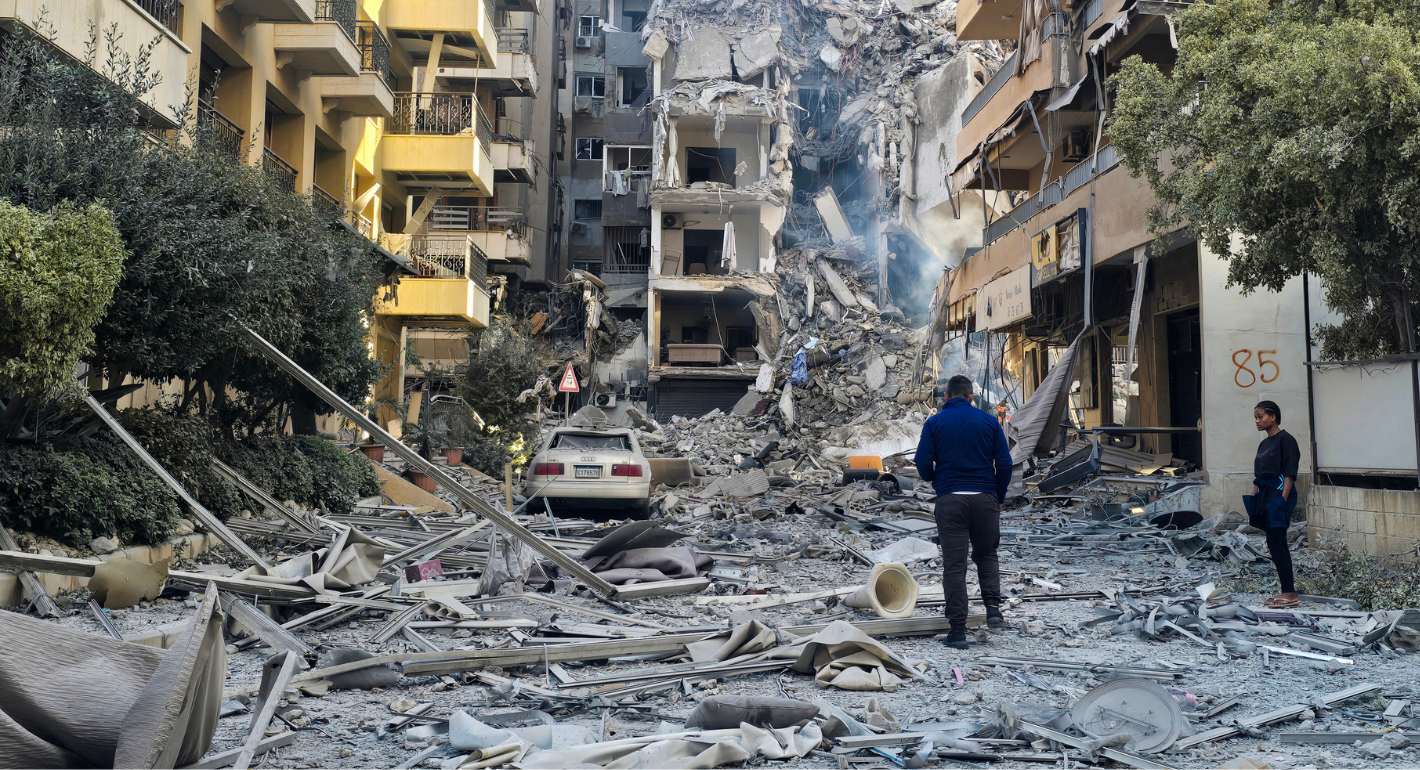
Europe seems to have accepted its sidelining in the Middle East. The EU must reassert its support for the international rules-based order and step up engagement.
Rym Momtaz

Preparing candidate countries for EU membership is no longer enough. As the enlargement process becomes a reality, the union must also prepare its own societies.

Iliriana Gjoni
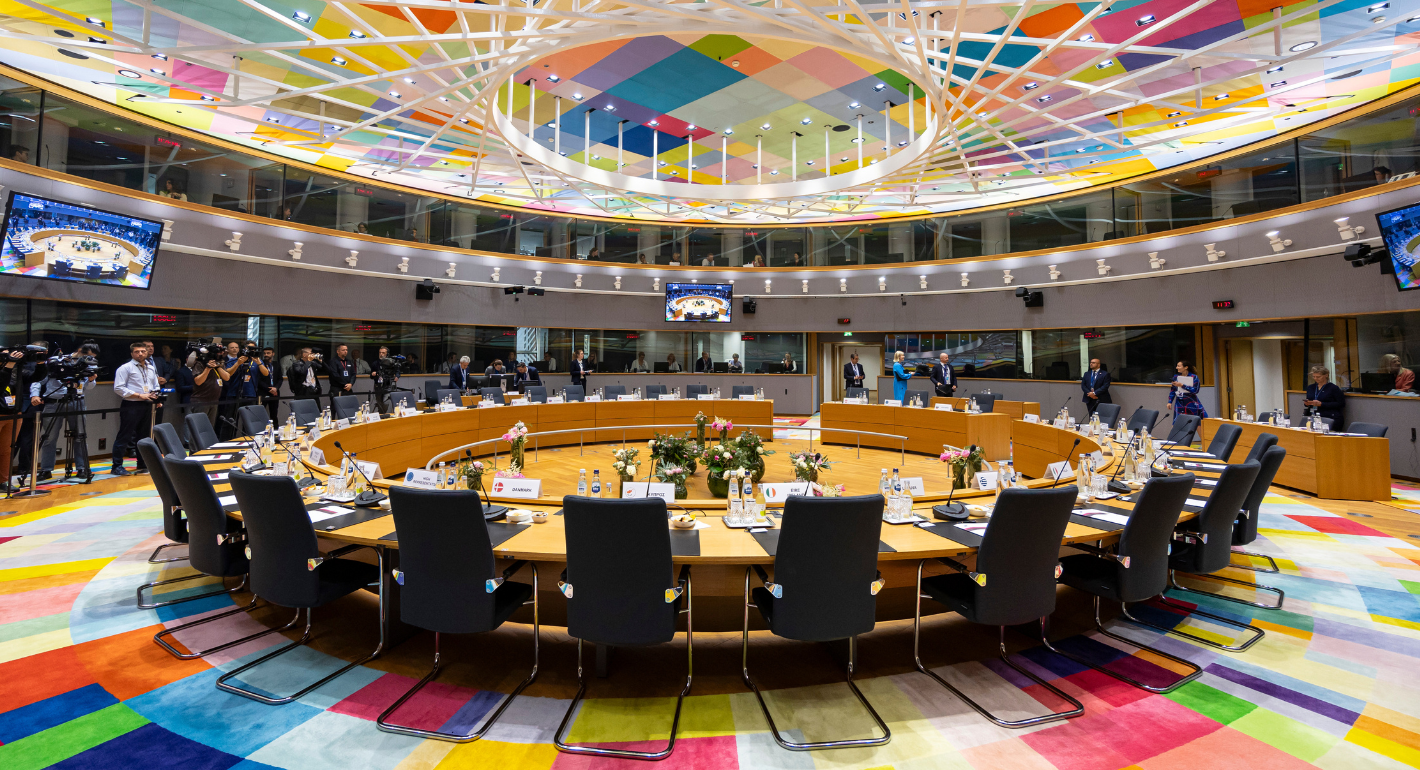
Countries face several hurdles in joining the EU, including the final stage of ratifying their accession treaties. Procedural reforms and substantive adjustments could help move the process forward.

Stefan Lehne