

Commentary
A trilateral summit in China was advertised as the new Yalta but yielded little more than a photo opportunity for Vladimir Putin. The real work was being done by the Europeans, quietly, in rural Poland.
Rym Momtaz
{
  "authors": [
    "Ulrich Speck"
  ],
  "type": "commentary",
  "centerAffiliationAll": "",
  "centers": [
    "Carnegie Endowment for International Peace",
    "Carnegie Europe",
    "Carnegie Russia Eurasia Center"
  ],
  "collections": [],
  "englishNewsletterAll": "",
  "nonEnglishNewsletterAll": "",
  "primaryCenter": "Carnegie Europe",
  "programAffiliation": "",
  "programs": [],
  "projects": [],
  "regions": [
    "North America",
    "United States",
    "Russia",
    "Western Europe",
    "Germany"
  ],
  "topics": [
    "Foreign Policy"
  ]
}
Source: Getty
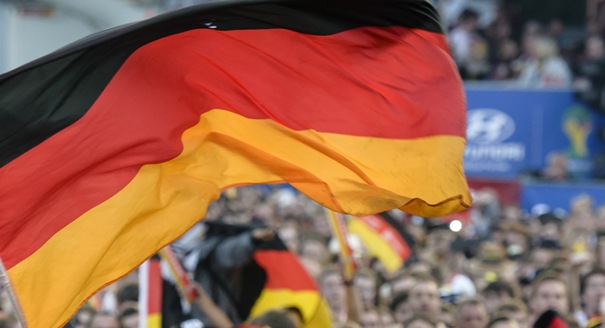
A more confident, post-modern Germany that sees the world in a very different way than Russia is emerging. While illusions are gone, however, interests remain, and they incentivize both sides to work together on a range of issues.
I very much agree with Dmitri Trenin's observation that there is a more self-confident Germany emerging: as an economic power, as key country inside the EU, and as an important diplomatic player.
But Germany is not on the way of becoming a traditional great power. Germany is, rather, the quintessential post-modern power: its power position relies on treaties and agreements inside Europe and with the Americans (the EU and NATO); it is generally unprepared to act unilaterally (in foreign policy at least); it is driven by the belief that there is no conflict that cannot be solved by peaceful means (such as negotiations and roundtables); it is very much focused on the economy; and has no territorial aspirations amongst other things.
After re-unification in 1990, the view emerged that Germany would “normalize” and become more like France and Britain, a more complete power who's foreign policy tools included the use of force. But under Angela Merkel, Germany has reasserted its identity as a post-modern power. Instead of becoming more like its western neighbors, it became more like itself.
The big challenge for Germany today is to keep the structures in which it is embedded—the EU and NATO—alive and strong, as they are the preconditions for its power position. This also includes standing up for the post-modern principles in international politics: the view that the time of power politics has gone, the world has moved towards a cooperative order, and that win-win solutions should be sought instead of geopolitical competition.
The alternative would be the return to a more Hobbesian world, the one in which Russia feels it is living. To assert itself in such a world would, for Germany, require no less than a complete overhaul in its political mentality and institutions, almost a re-invention of German statehood.
The buildup of a true German-Russian partnership beyond trade would require an interest on the Russian side to move from great power politics towards post-modern international politics. For more than two decades, Germany has indeed attempted to invite Russia into its sphere.
But Russia has an understanding of international relations that remains tied to notions of unlimited sovereignty, competition, and national greatness. Both worlds, the German and the Russian one, are not compatible, and that is why finally they are now colliding.
German-Russian relations certainly are cooling down now, they may even freeze. But the reality check, or shock, that came with the Ukraine crisis may also lead to a more realistic view of the other. Germans understand now that Russians have a quite different worldview, and Russians understand that Germans are ready to defend core principles of western order.
While illusions are gone, interests remain, and they incentivize both sides to work together on a range of issues. The longer-term prospects for a German-Russian partnership are not as bad as the short-term prospects.
Ulrich Speck
Former Visiting Scholar, Carnegie Europe
Speck was a visiting scholar at Carnegie Europe in Brussels, where his research focuses on the European Union’s foreign policy and Europe’s strategic role in a changing global environment.
Carnegie does not take institutional positions on public policy issues; the views represented herein are those of the author(s) and do not necessarily reflect the views of Carnegie, its staff, or its trustees.
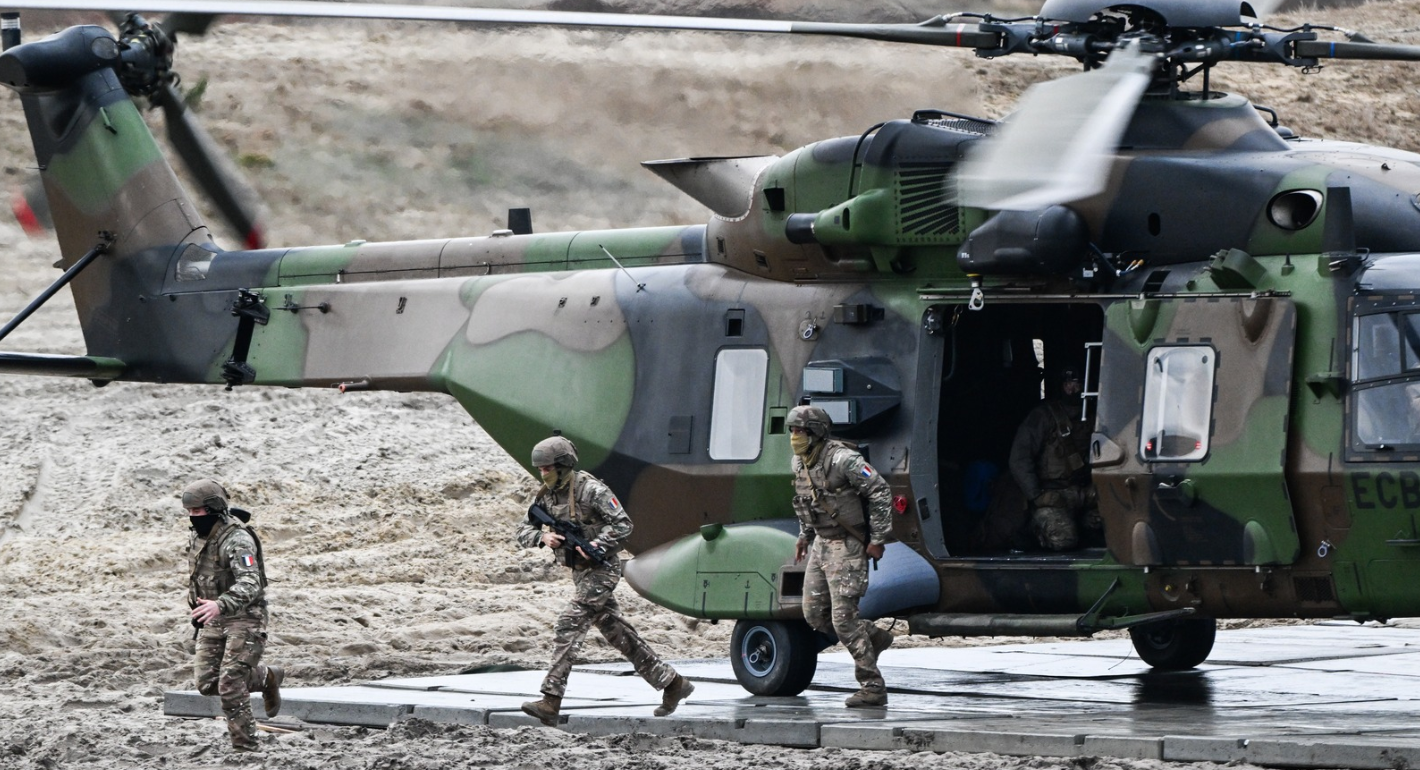
A trilateral summit in China was advertised as the new Yalta but yielded little more than a photo opportunity for Vladimir Putin. The real work was being done by the Europeans, quietly, in rural Poland.

Rym Momtaz
Russia’s maximalist demands are preventing any serious attempt at ending the war in Ukraine. To make peace a realistic prospect, Putin must recognize that diplomacy is a two-way street.
Kadri Liik
Too many national interests, too many EU institutions, and too little political will are preventing Europe from acting in its own best interests.
Judy Dempsey
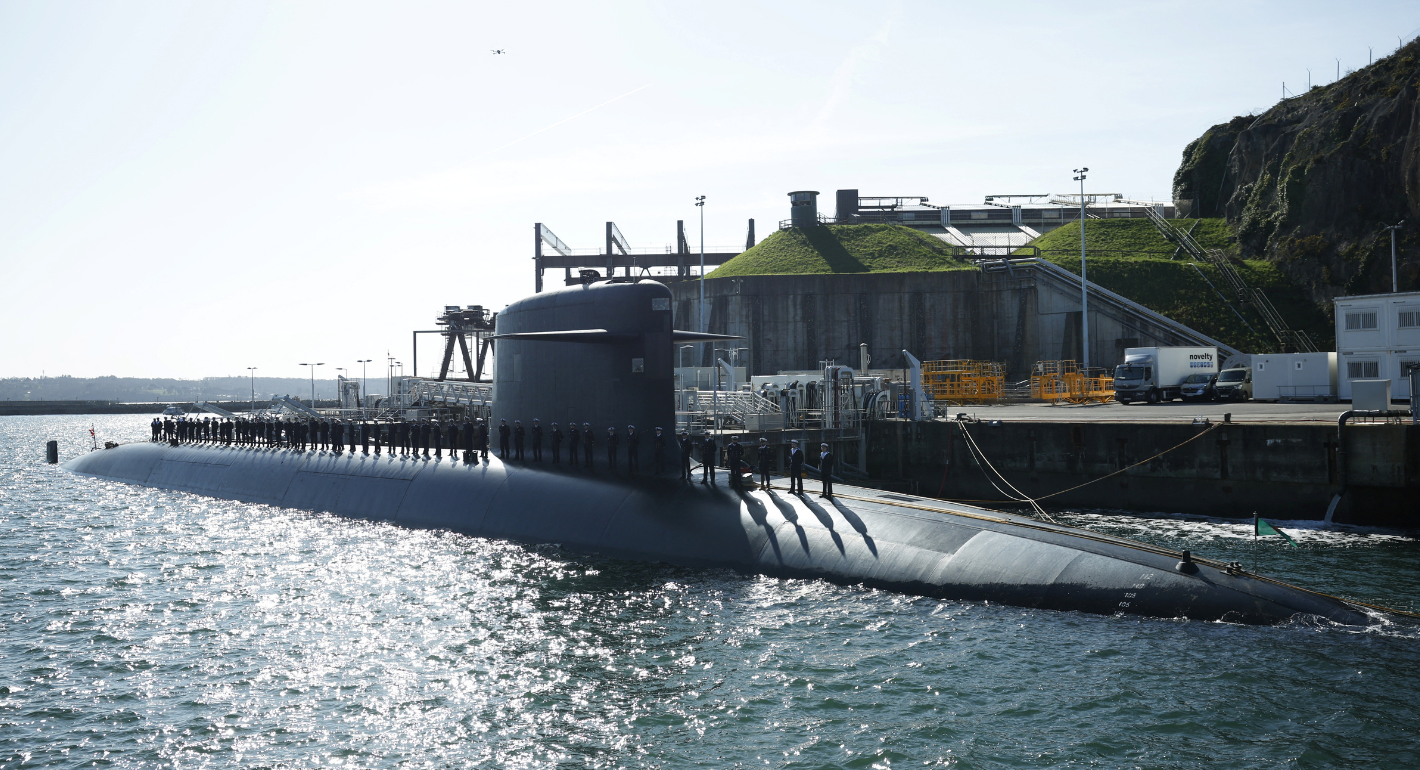
As the nuclear order rapidly evolves, what can Europeans and other key players do to strengthen deterrence and reduce risks?

Jamie Kwong, ed.
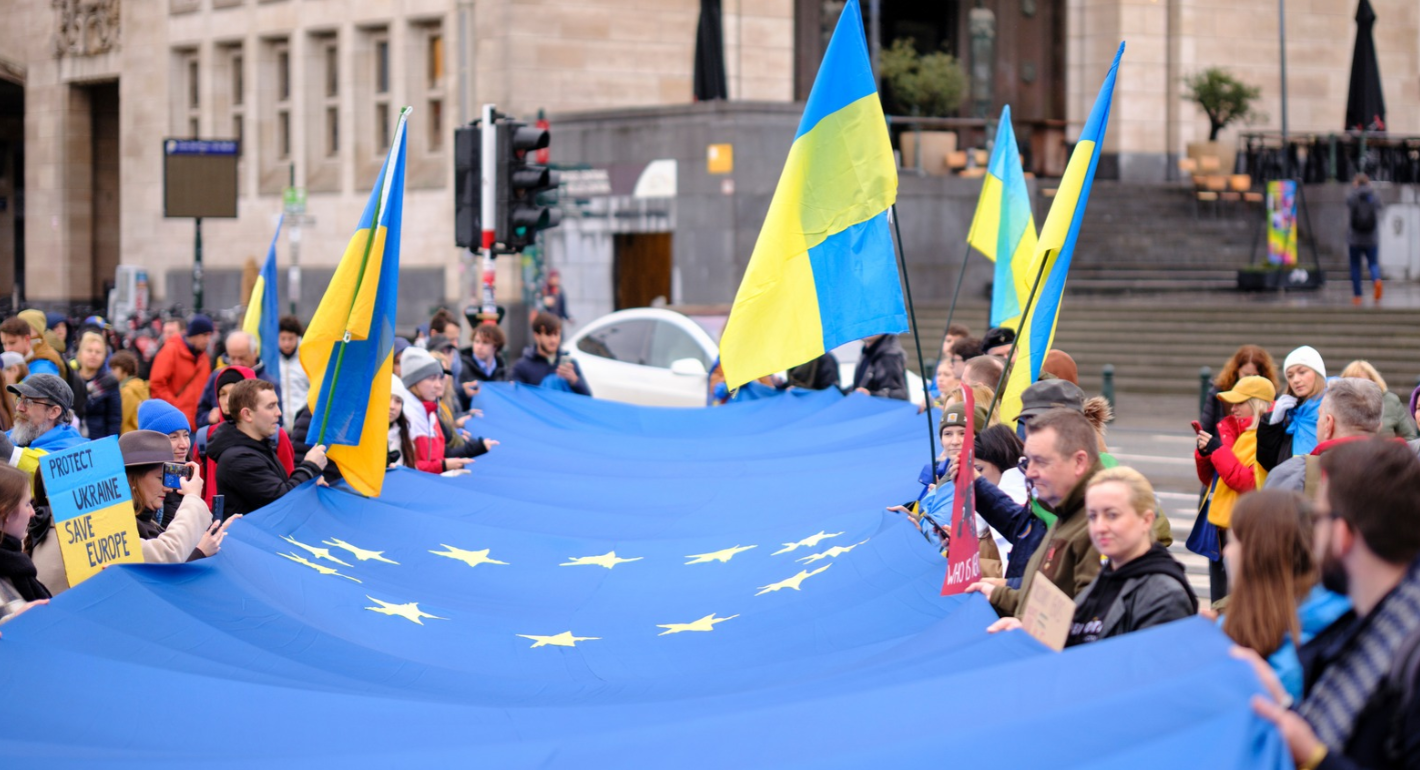
A sizeable funding shortfall looks increasingly likely to hit Ukraine in 2027. Can the Europeans, with their strained budgets and economies, come up with the cash without seizing frozen Russian assets?
Rym Momtaz, ed.