
Montenegro and Albania are frontrunners for EU enlargement in the Western Balkans, but they can’t just sit back and wait. To meet their 2030 accession ambitions, they must make a strong positive case.
Dimitar Bechev, Iliriana Gjoni
{
"authors": [
"Lina Khatib",
"Martin Lidegaard",
"Jean-Marie Guéhenno",
"Steven Heydemann",
"Hazem Kandil",
"Ellen Lust",
"Mohammed Hafez",
"Rasmus Alenius Boserup",
"Helle Malmvig",
"Sune Haugbølle",
"Jakob Wichmann"
],
"type": "other",
"centerAffiliationAll": "dc",
"centers": [
"Carnegie Endowment for International Peace",
"Malcolm H. Kerr Carnegie Middle East Center"
],
"collections": [],
"englishNewsletterAll": "menaTransitions",
"nonEnglishNewsletterAll": "",
"primaryCenter": "Malcolm H. Kerr Carnegie Middle East Center",
"programAffiliation": "MEP",
"programs": [
"Middle East"
],
"projects": [],
"regions": [
"Egypt",
"Gulf",
"Levant",
"Maghreb",
"Middle East",
"North Africa"
],
"topics": [
"Political Reform"
]
}Source: Getty
Almost four years later, the opportunity for political transition in the Middle East and North Africa seems to have narrowed.
Source: Danish Institute for International Studies
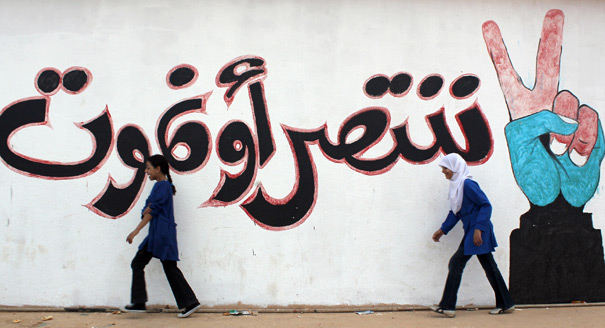
When the Arab Revolts broke out in late 2010 and early 2011, observers and policymakers cheered the arrival of an opportunity, however fragile and uncertain, for generating political change in a region that for decades had hosted the world’s most enduring authoritarian regimes.
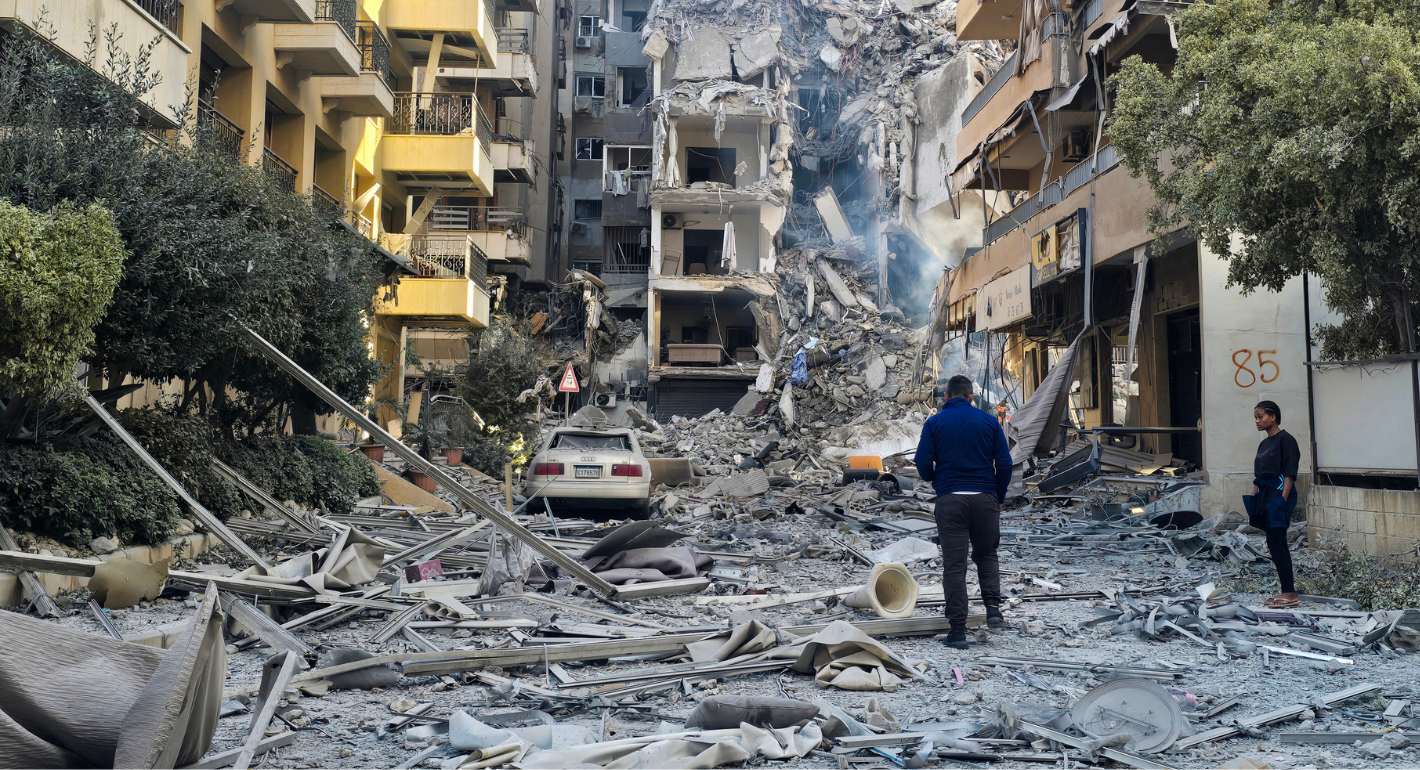
Almost four years later, the opportunity for political transition seems to have narrowed. With a few but important exceptions such as Tunisia, authoritarian regime practices have been restored, regional competition has increased, contentious politics have been militarized, and in some cases the political arenas have disintegrated.
These recent developments not only present decisionmakers in the Arab region with an unprecedented political and social crisis. They also force international actors to reconsider their policy preferences and alliance-buildings, and may prompt immediate security concerns to trump the long-term political development goals that were identified in the early days of the “Arab Spring.”
The Danish Institute for International Studies organized an international conference and hosted Carnegie’s Lina Khatib to discuss recent developments in the Arab region and how Denmark and its partners may best engage with the region in the future.
Former Director, Middle East Center
Khatib was director of the Carnegie Middle East Center in Beirut. Previously, she was the co-founding head of the Program on Arab Reform and Democracy at Stanford University’s Center on Democracy, Development, and the Rule of Law.
Martin Lidegaard
Jean-Marie Guéhenno
Jean-Marie Guéhenno is the president and CEO of the International Crisis Group. A former French diplomat, he served as the United Nations’ under secretary general for peacekeeping operations from 2000 to 2008.
Steven Heydemann
Hazem Kandil
Ellen Lust
Mohammed Hafez
Rasmus Alenius Boserup
Helle Malmvig
Sune Haugbølle
Jakob Wichmann
Carnegie does not take institutional positions on public policy issues; the views represented herein are those of the author(s) and do not necessarily reflect the views of Carnegie, its staff, or its trustees.
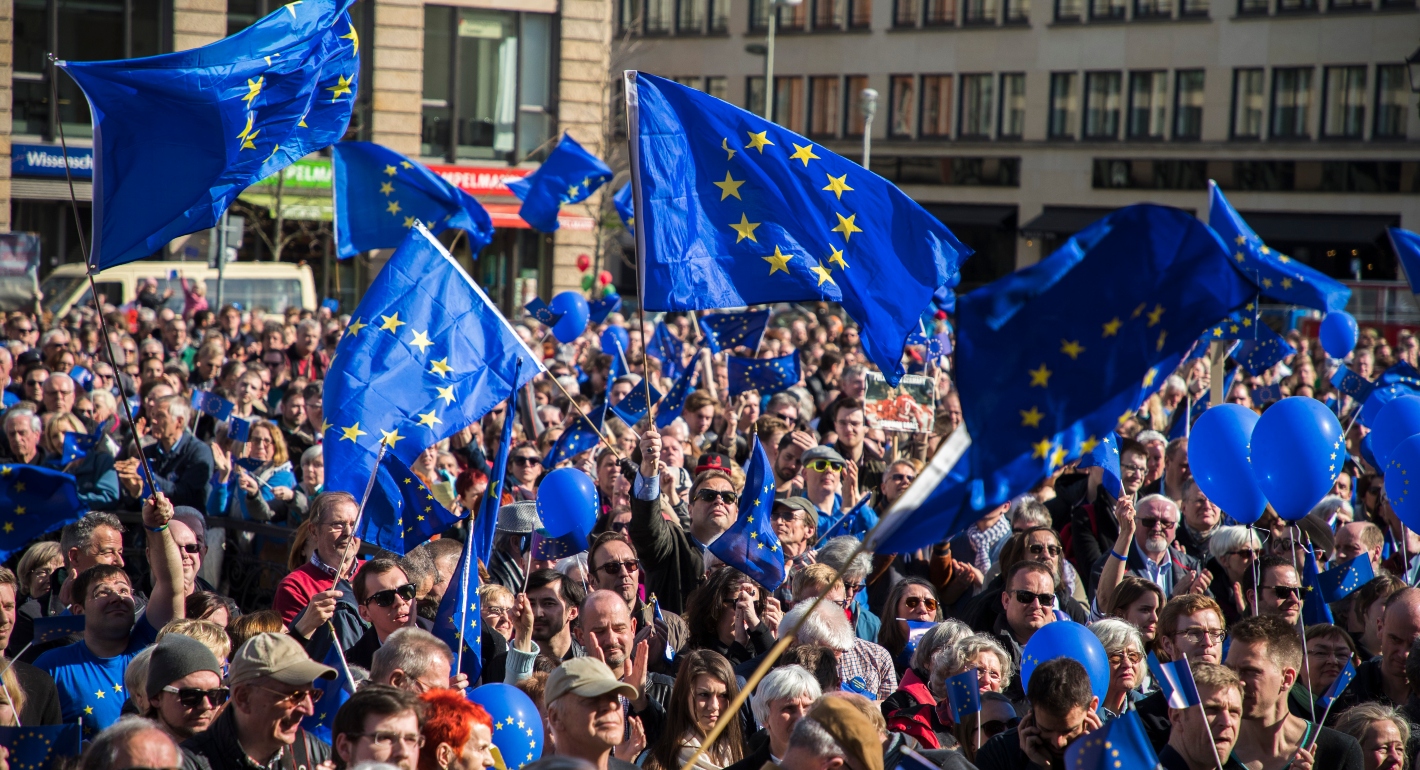
Montenegro and Albania are frontrunners for EU enlargement in the Western Balkans, but they can’t just sit back and wait. To meet their 2030 accession ambitions, they must make a strong positive case.
Dimitar Bechev, Iliriana Gjoni
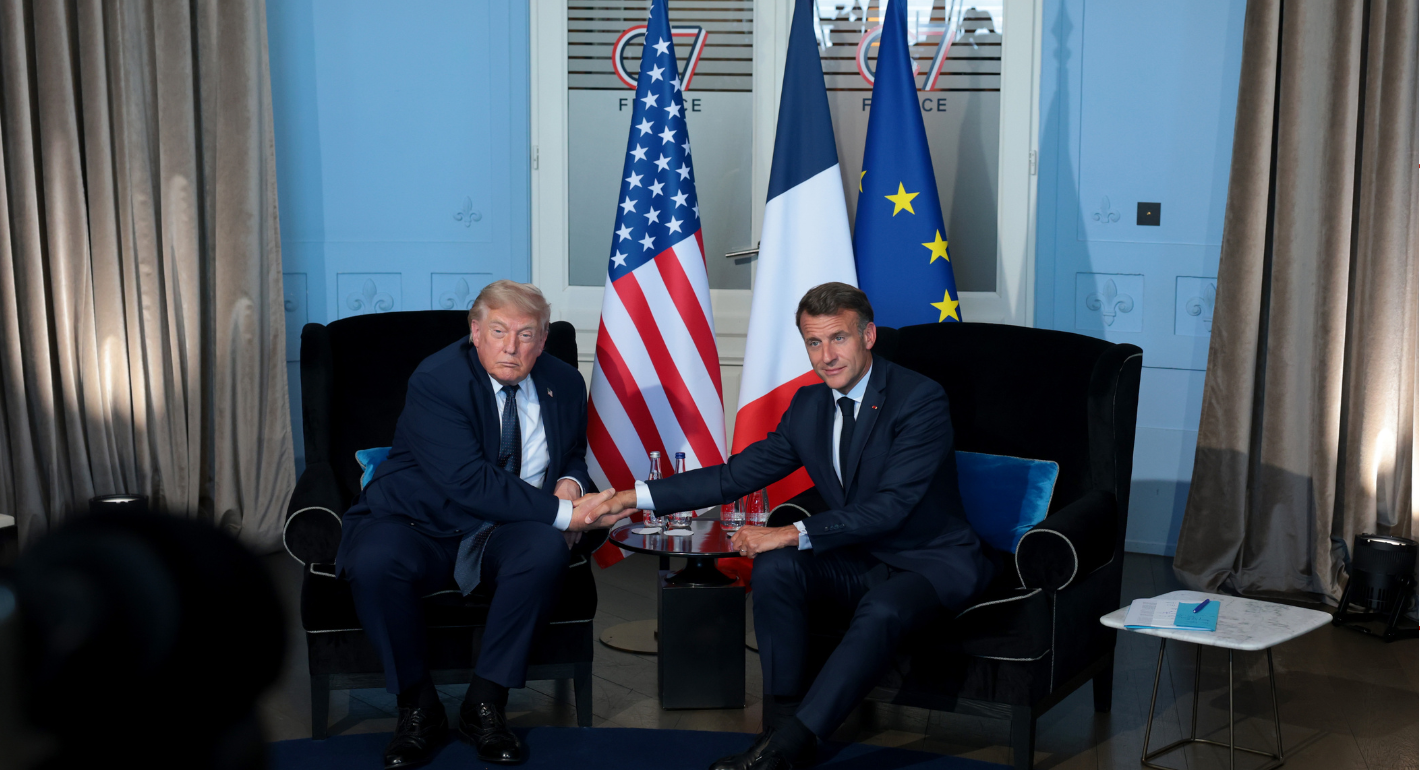
Donald Trump has demanded that European allies send ships to the Strait of Hormuz while his war of choice in Iran rages on. He has constantly berated NATO while the alliance’s secretary-general has emphatically supported him.
Rym Momtaz, ed.
The war in Ukraine is costing Russia its leverage overseas. Across the South Caucasus and Middle East, this presents an opportunity for Europe to pick up the pieces and claim its own sphere of influence.
William Dixon, Maksym Beznosiuk
The war in Iran proves the United States is now a destabilizing actor for Europe and the Arab Gulf. From protect their economies and energy supplies to safeguarding their territorial integrity, both regions have much to gain from forming a new kind of partnership together.
Rym Momtaz
European reactions to the war in Iran have lost sight of wider political dynamics. The EU must position itself for the next phase of the crisis without giving up on its principles.
Richard Youngs