

In The Media
Mario Abou Zeid
{
  "authors": [
    "Mario Abou Zeid"
  ],
  "type": "legacyinthemedia",
  "centerAffiliationAll": "dc",
  "centers": [
    "Carnegie Endowment for International Peace",
    "Malcolm H. Kerr Carnegie Middle East Center"
  ],
  "collections": [],
  "englishNewsletterAll": "menaTransitions",
  "nonEnglishNewsletterAll": "",
  "primaryCenter": "Malcolm H. Kerr Carnegie Middle East Center",
  "programAffiliation": "MEP",
  "programs": [
    "Middle East"
  ],
  "projects": [],
  "regions": [
    "Gulf",
    "Levant",
    "Syria",
    "Iraq",
    "Middle East"
  ],
  "topics": [
    "Security"
  ]
}
Source: Getty
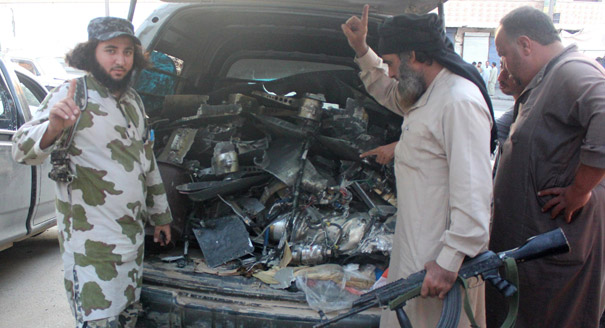
With more than half of Syria under the control of the self-proclaimed Islamic State, there are concerns the militants are edging towards Baghdad.
Source: Australia Broadcasting Corporation
Auskar Surbakti, Host: There are reports that Islamic State militants are now advancing east towards the Iraqi capital, Baghdad. In Syria, IS fighters are believed to have made another important advance, seizing the last government-controlled border-crossing with Iraq. The Syrian Observatory for Human Rights says government forces withdrew from the al-Tanf crossing in Homs, as IS fighters advanced. The loss of al-Tanf to the Islamic State follows the group’s takeover of the ancient city of Palmyra.
The United States says fighting the militants will be a challenge, with claims that IS now controls half of the whole country of Syria.
Maro Abou Zeid is a research analyst at the Carnegie Middle East Center, who has been keeping a close eye of developments in the region. He joins me now from Beirut, in Lebanon. Thanks for your time tonight.
This interview was originally broadcast by the Australia Broadcasting Corporation.

Former Research Analyst, Middle East Center
Abou Zeid was a research analyst at the Carnegie Middle East Center, where his work focuses on political developments in Lebanon, Syria, Iraq, and Iran.
Recent Work
Mario Abou Zeid
Mario Abou Zeid

Mounting economic strain and battlefield losses will not necessarily make the Kremlin less dangerous. They could instead push Moscow toward a more aggressive hybrid campaign designed to test NATO’s Eastern flank, exploit allied hesitation, and fracture European resolve.

Maksym Beznosiuk
Over the past ten years, NATO has held almost as many summits as it did during the entirety of the Cold War. Are they still useful, or is it time to stop holding annual meetings?

Rym Momtaz, ed.
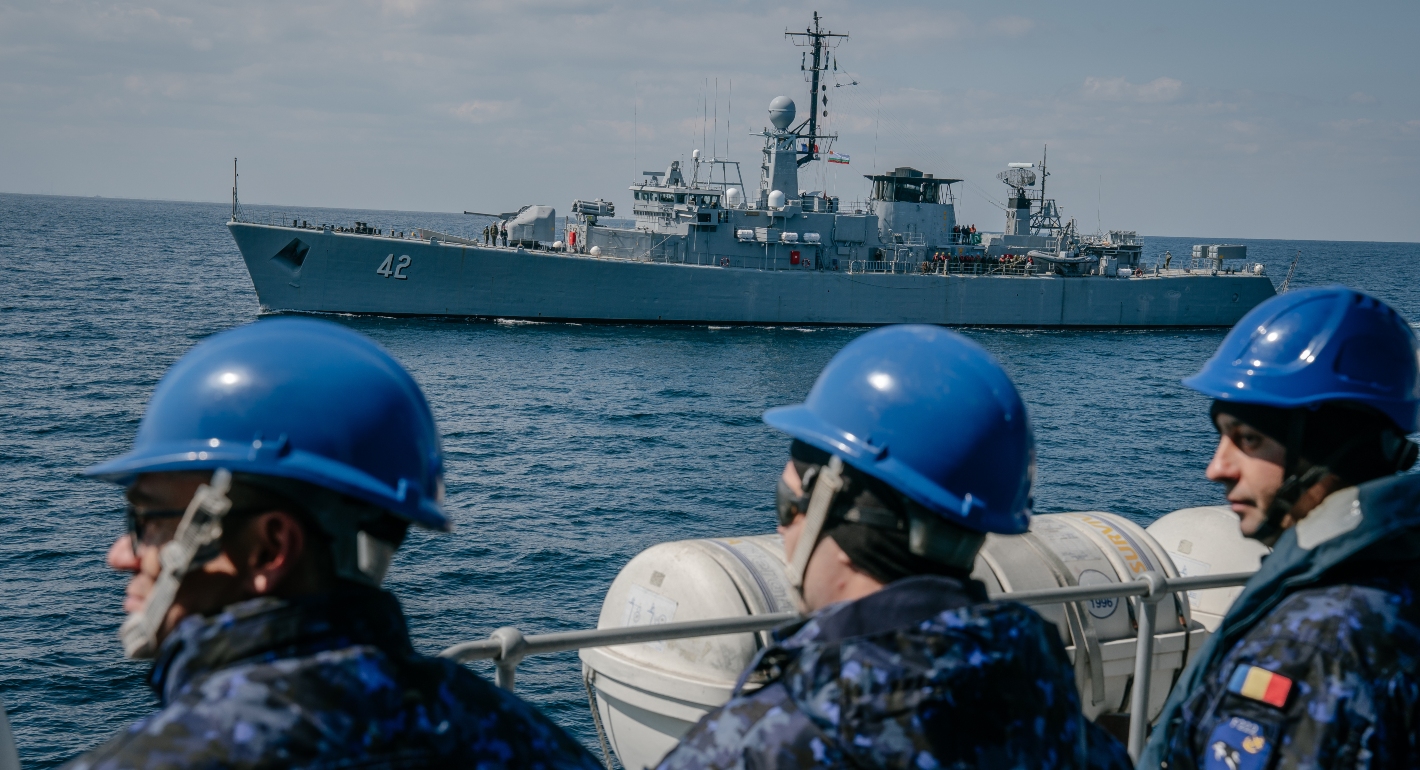
As Russia's war on Ukraine drags on, NATO is expanding its footprint in the Black Sea. Turkey, Romania, and Bulgaria are upgrading their fleets and deepening trilateral cooperation.

Dimitar Bechev
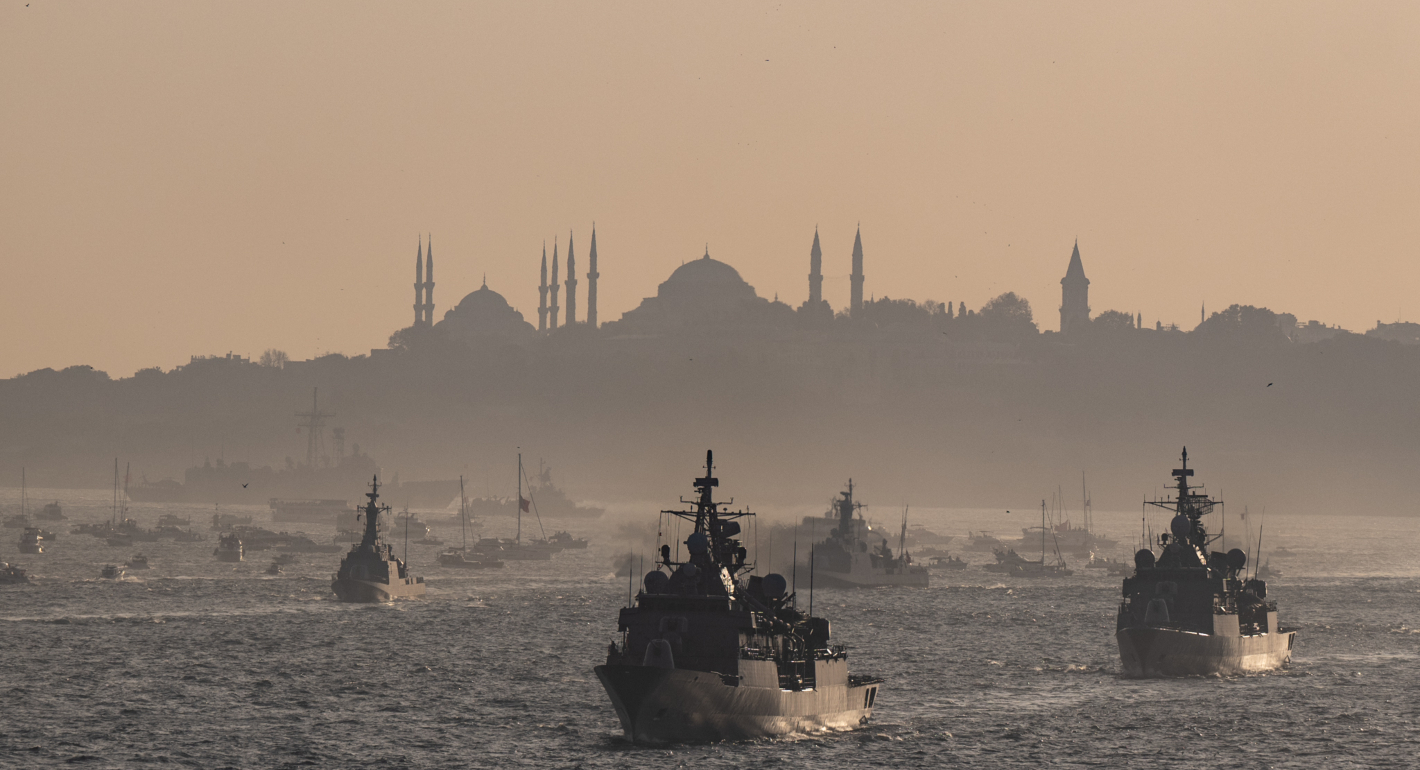
For ninety years, Turkey has been positioned as the principal gatekeeper of Black Sea security. As a result, European and NATO efforts to support Ukraine will require closer engagement with Ankara.

Thomas de Waal

Western Europe’s dual-use infrastructure melted down during its latest heat wave. If a predicted hot weather event can take the continent by surprise, what chance does it have to withstand unexpected geopolitical crises?
Rym Momtaz