

Commentary
Western Europe’s dual-use infrastructure melted down during its latest heat wave. If a predicted hot weather event can take the continent by surprise, what chance does it have to withstand unexpected geopolitical crises?
Rym Momtaz
{
  "authors": [
    "Deborah Gordon",
    "Wang Tao",
    "Matt Ferchen"
  ],
  "type": "other",
  "centerAffiliationAll": "dc",
  "centers": [
    "Carnegie Endowment for International Peace"
  ],
  "collections": [],
  "englishNewsletterAll": "ctw",
  "nonEnglishNewsletterAll": "",
  "primaryCenter": "Carnegie Endowment for International Peace",
  "programAffiliation": "SCP",
  "programs": [
    "Sustainability, Climate, and Geopolitics"
  ],
  "projects": [
    "Carnegie Oil Initiative"
  ],
  "regions": [
    "North America"
  ],
  "topics": [
    "Climate Change"
  ]
}
Source: Getty
Oil policies in Asia will drive oil development practices and protections worldwide, but they require transparency and data disclosure so that Asia’s decision-makers can better weigh their oil options.
Source: Boao Review
Over the next two decades, the countries in Asia are expected to remain oil import dependent while China, India, and Southeast Asian nations are projected to account for most of the world’s oil demand growth. Moreover, much of the Asian continent—with its vast coastlines second in length only to Canada—is at risk for sea level rise, intensifying storms, and other effects of climate change.
It is therefore imperative for all Asian leaders, already increasingly attuned to the need to improve energy and climate policies, to adopt high environmental standards for oil—especially their imports. A good place to start is to demand better oil information from producers and exporters so that policymakers can factor the actual climate footprints of oil into their decision-making.
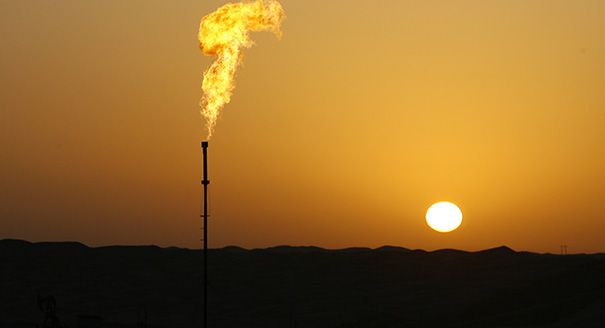
Why is this important? It turns out that climate impacts vary significantly among global oils. Some of these alternative oils’ greenhouse gas (GHG) emission footprints are nearly twice as large as others. And the range of GHG emissions between oils is expected to grow as new, unconventional oil resources are identified. In an era of abundant oil choices, Asian policymakers would benefit from the information provided by the new Oil-Climate Index (OCI). Developed by the Carnegie Endowment for International Peace along with partners from Stanford University and the University of Calgary, the OCI can be of immediate practical use for Asian policy makers in reducing flaring and venting of gassy oils, rethinking extra heavy oils, and managing petroleum coke....

Former Director and Senior Fellow, Energy and Climate Program
Gordon was director of Carnegie’s Energy and Climate Program, where her research focuses on oil and climate change issues in North America and globally.
Former Nonresident Scholar, Carnegie-Tsinghua Center for Global Policy
Wang Tao was a nonresident scholar in the Energy and Climate Program based at the Carnegie–Tsinghua Center for Global Policy.

Former Nonresident Scholar, Carnegie-Tsinghua Center for Global Policy
Ferchen specializes in China’s political-economic relations with emerging economies. At the Carnegie–Tsinghua Center for Global Policy, he ran a program on China’s economic and political relations with the developing world, including Latin America.
Carnegie does not take institutional positions on public policy issues; the views represented herein are those of the author(s) and do not necessarily reflect the views of Carnegie, its staff, or its trustees.
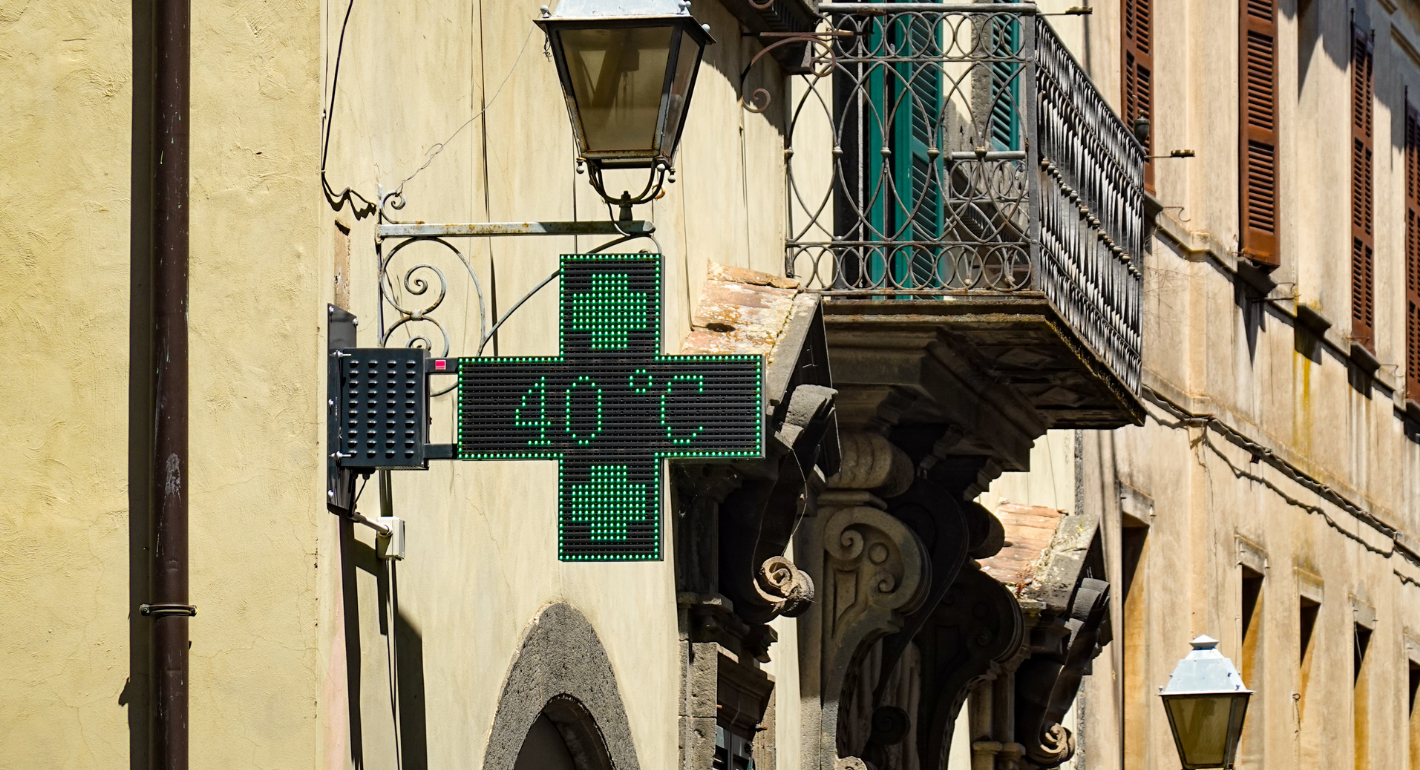
Western Europe’s dual-use infrastructure melted down during its latest heat wave. If a predicted hot weather event can take the continent by surprise, what chance does it have to withstand unexpected geopolitical crises?

Rym Momtaz
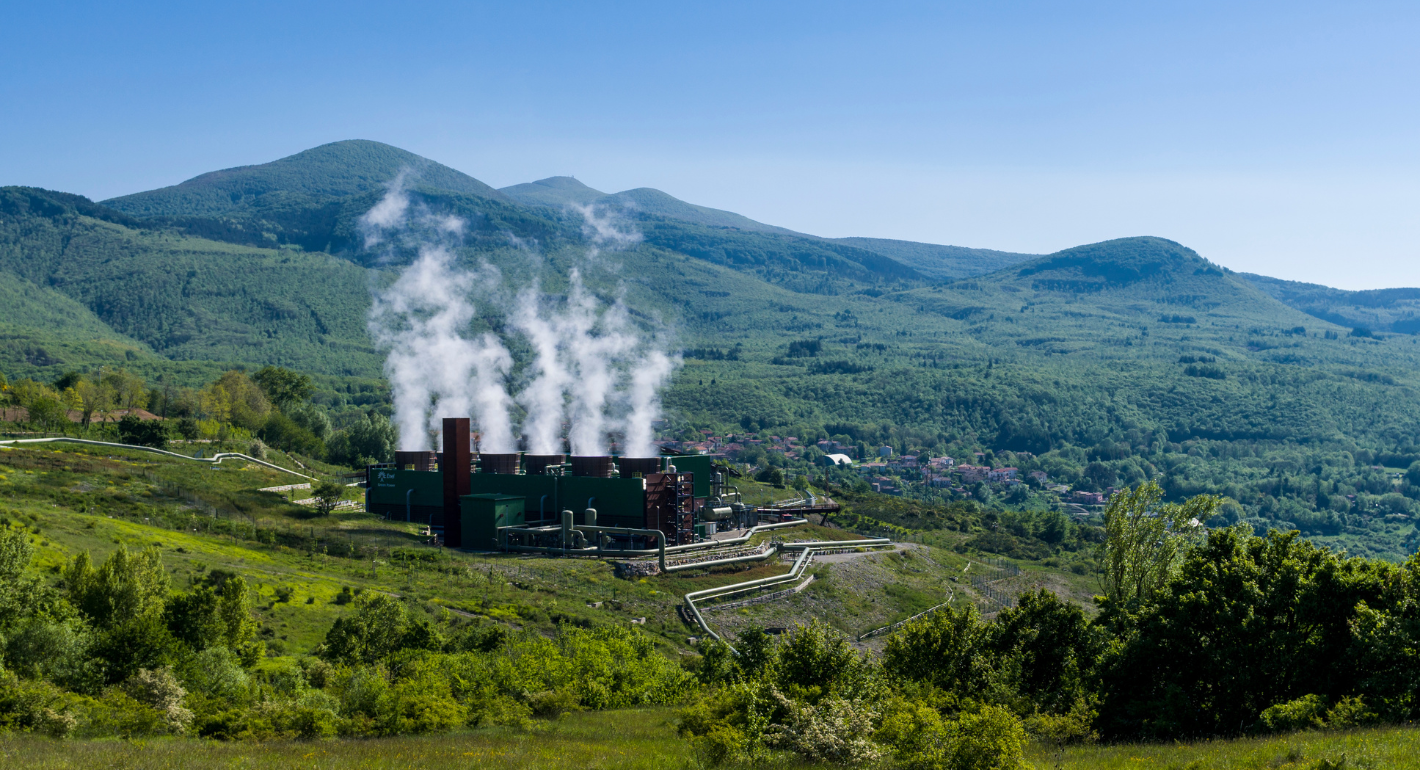
Europe’s industrial supply chains leave it vulnerable to global shocks. The EU needs a pragmatic green industrial strategy that balances durable partnerships and bolsters homegrown clean tech without sacrificing low-carbon ambition.


Milo McBride, Pauline Gerard

The EU’s new migration policy is not suited to today’s realities. With climate change increasingly becoming a driver of displacement, Europe needs to rethink its deterrence-focused approach.

Shana Tabak
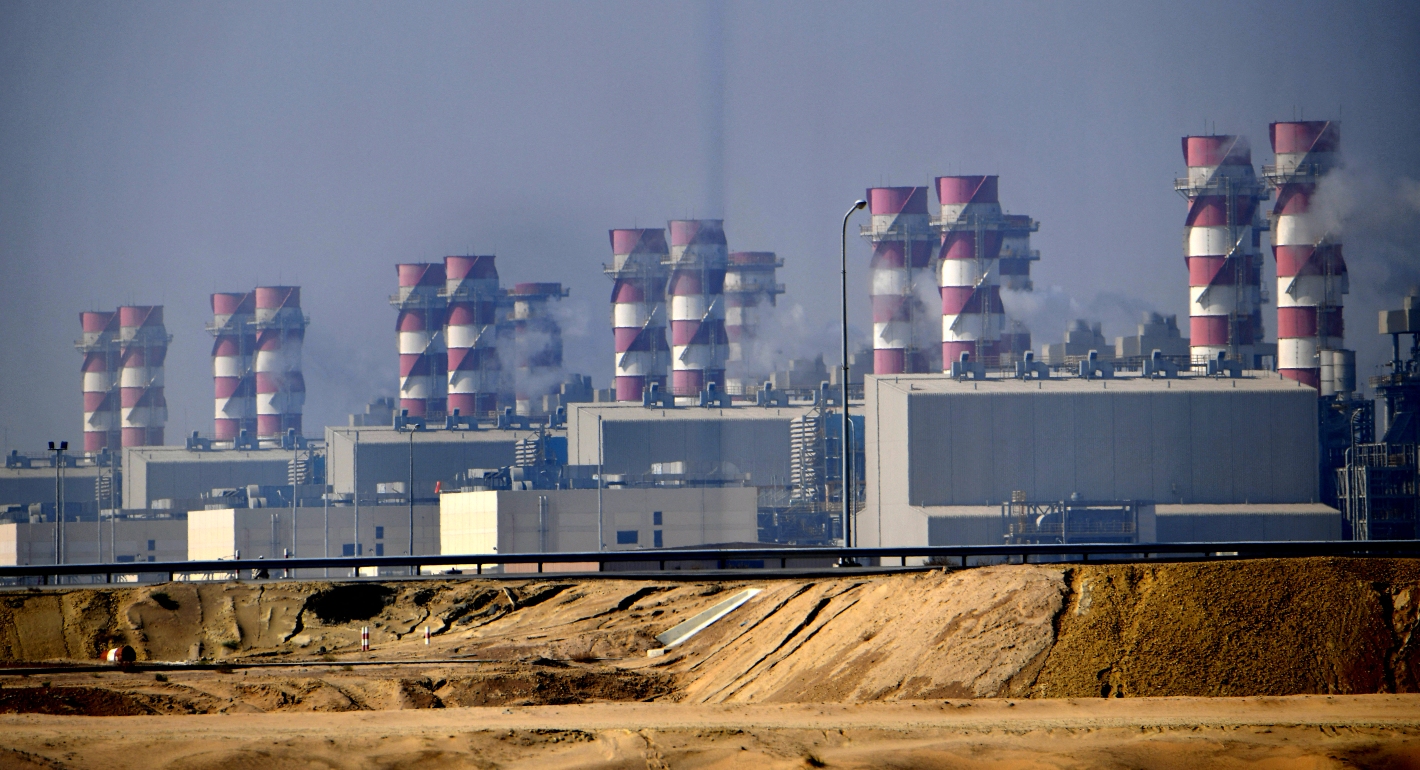
The U.S.-Iran war has crossed a dangerous threshold: water infrastructure in the Gulf is now a target. Ecological statecraft is no longer peripheral to security, it's part of its foundations.


Olivia Lazard, Ali Bin Shahid
The closure of the Strait of Hormuz has triggered a global energy crisis, but Europe is stuck in reaction mode. Without more strategic foresight, the EU will remain dependent on fossil fuels and will never be truly secure.
Milo McBride, Pauline Gerard