

Article
Deborah Gordon, Smriti Kumble, David Livingston
{
  "authors": [
    "David Livingston"
  ],
  "type": "legacyinthemedia",
  "centerAffiliationAll": "dc",
  "centers": [
    "Carnegie Endowment for International Peace"
  ],
  "collections": [],
  "englishNewsletterAll": "ctw",
  "nonEnglishNewsletterAll": "",
  "primaryCenter": "Carnegie Endowment for International Peace",
  "programAffiliation": "SCP",
  "programs": [
    "Sustainability, Climate, and Geopolitics"
  ],
  "projects": [],
  "regions": [
    "North America",
    "Middle East",
    "Iran",
    "Saudi Arabia",
    "East Asia",
    "China"
  ],
  "topics": [
    "Climate Change"
  ]
}
Source: Getty
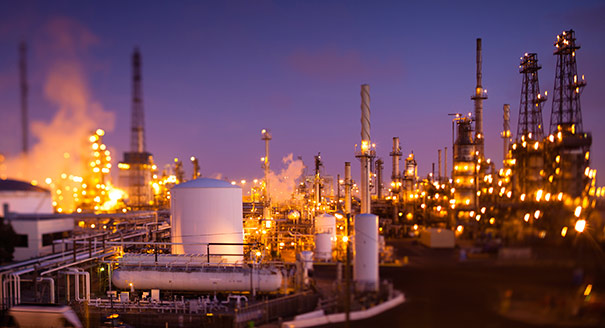
An examination of oil-price instability after a failure to freeze oil production.
Source: CCTV News
A meeting of major oil producers in Doha failed to reach a deal on capping production - a move intended to keep oil prices from sinking below January decade-low price dips. Saudi Arabia blamed the group’s only absentee: its neighbor and political foe, Iran; and said that it would only sign a deal if Tehran agrees on putting a ceiling on its oil production. Are Riyadh’s demands fair, considering the crippling impact of the recently-lifted sanctions on Tehran? What is driving price fluctuations, and how can the market be stabilized? How has the US' exploration of shale gas oil contributed to the dive in oil prices, and how might this competition between traditional and shale oil affect Saudi-US ties? Join CCTV News in panel discussion with Professor Liu Baocheng, Dean of the Center for International Business Ethics from the University of International Business and Economics; in Washington DC, Jean-François Seznec, Adjunct Professor of Georgetown University & Johns Hopkins University; and in London, David Livingston, associate at the Energy and Climate Program at the Carnegie Endowment for International Peace.
Former Associate Fellow, Energy and Climate Program
Livingston was an associate fellow in Carnegie’s Energy and Climate Program, where his research focuses on emerging markets, technologies, and risks.
Recent Work
Deborah Gordon, Smriti Kumble, David Livingston
Erik Brattberg, David Livingston
Carnegie does not take institutional positions on public policy issues; the views represented herein are those of the author(s) and do not necessarily reflect the views of Carnegie, its staff, or its trustees.
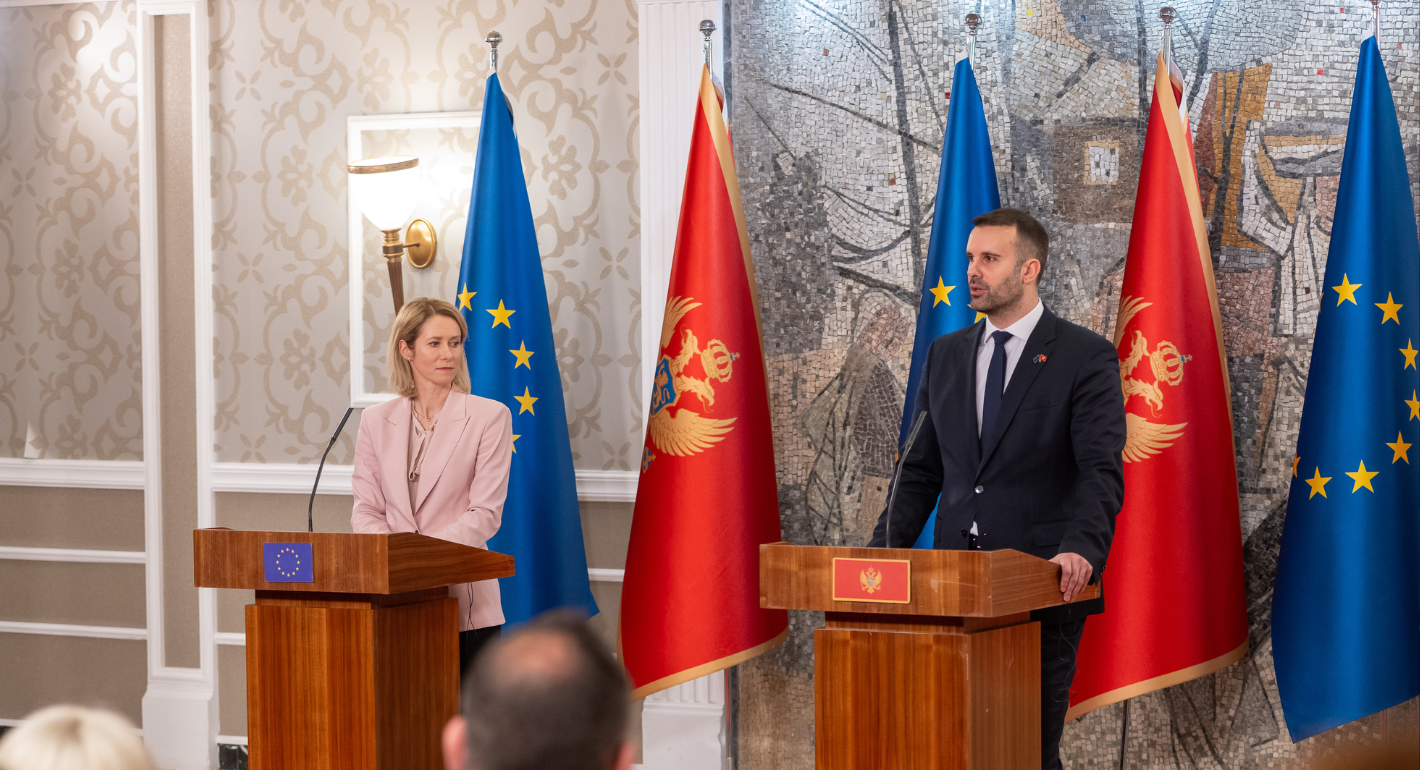
Montenegro and Albania are frontrunners for EU enlargement in the Western Balkans, but they can’t just sit back and wait. To meet their 2030 accession ambitions, they must make a strong positive case.


Dimitar Bechev, Iliriana Gjoni
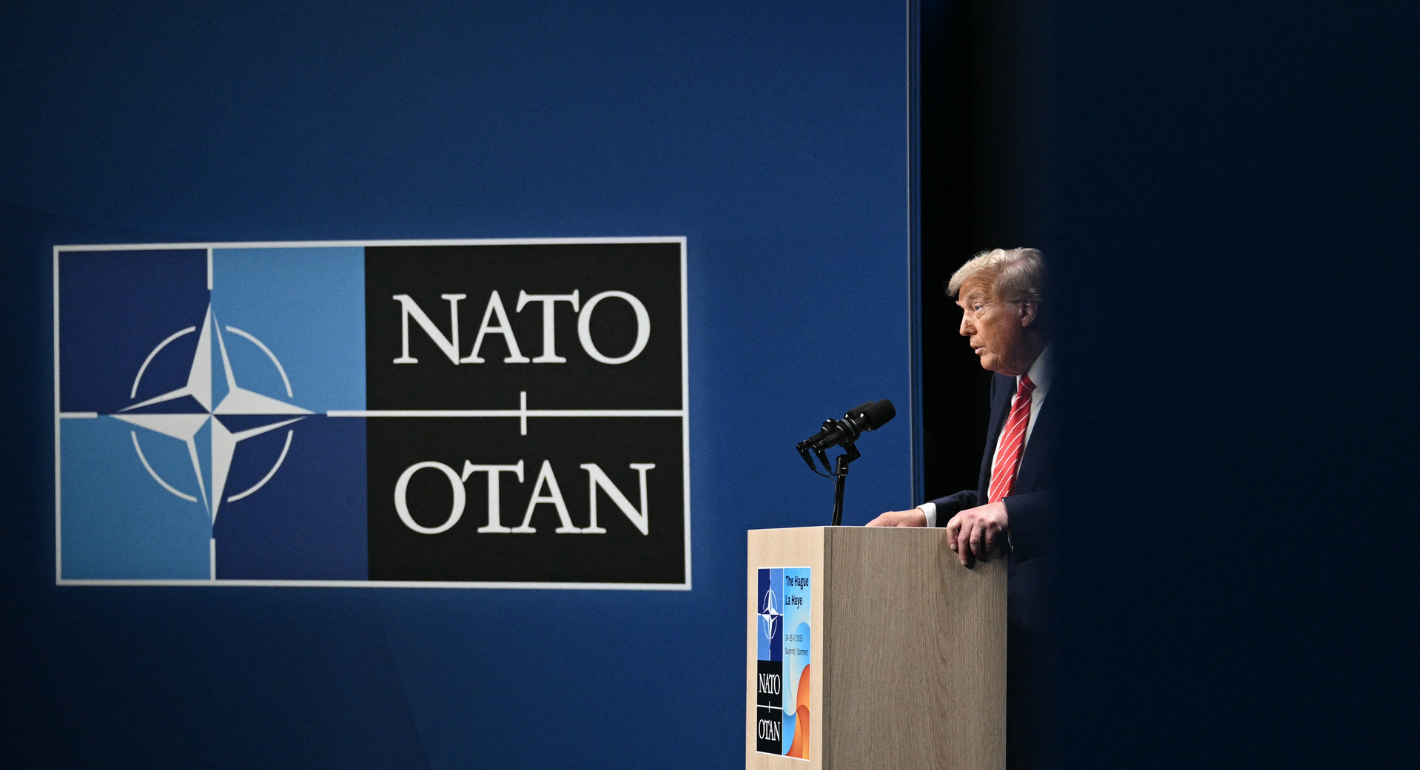
Donald Trump has repeatedly bashed NATO and European allies, threatening to annex Canada and Greenland and deploring their lack of enthusiasm for his war of choice in Iran. Is this latest round of abuse the final straw?

Rym Momtaz, ed.
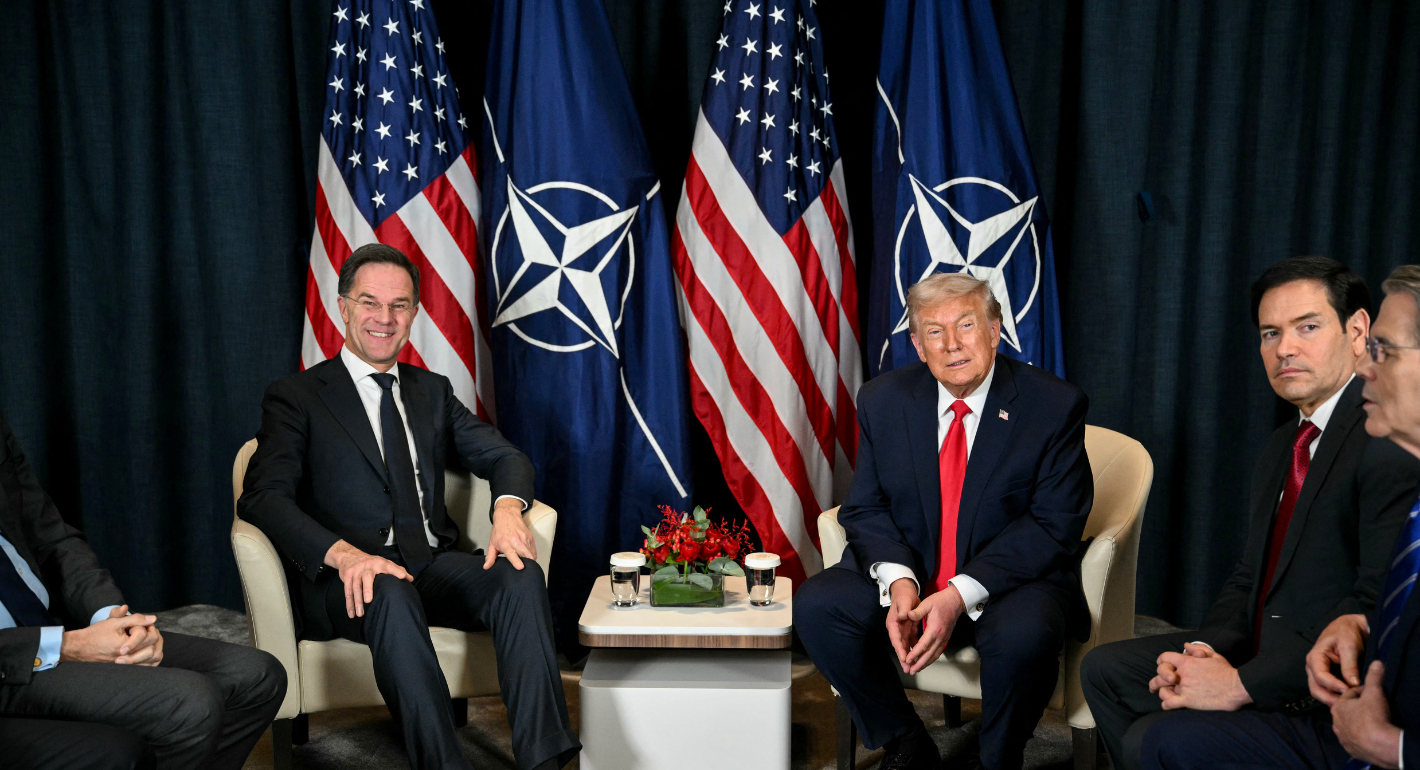
Donald Trump has demanded that European allies send ships to the Strait of Hormuz while his war of choice in Iran rages on. He has constantly berated NATO while the alliance’s secretary-general has emphatically supported him.
Rym Momtaz, ed.
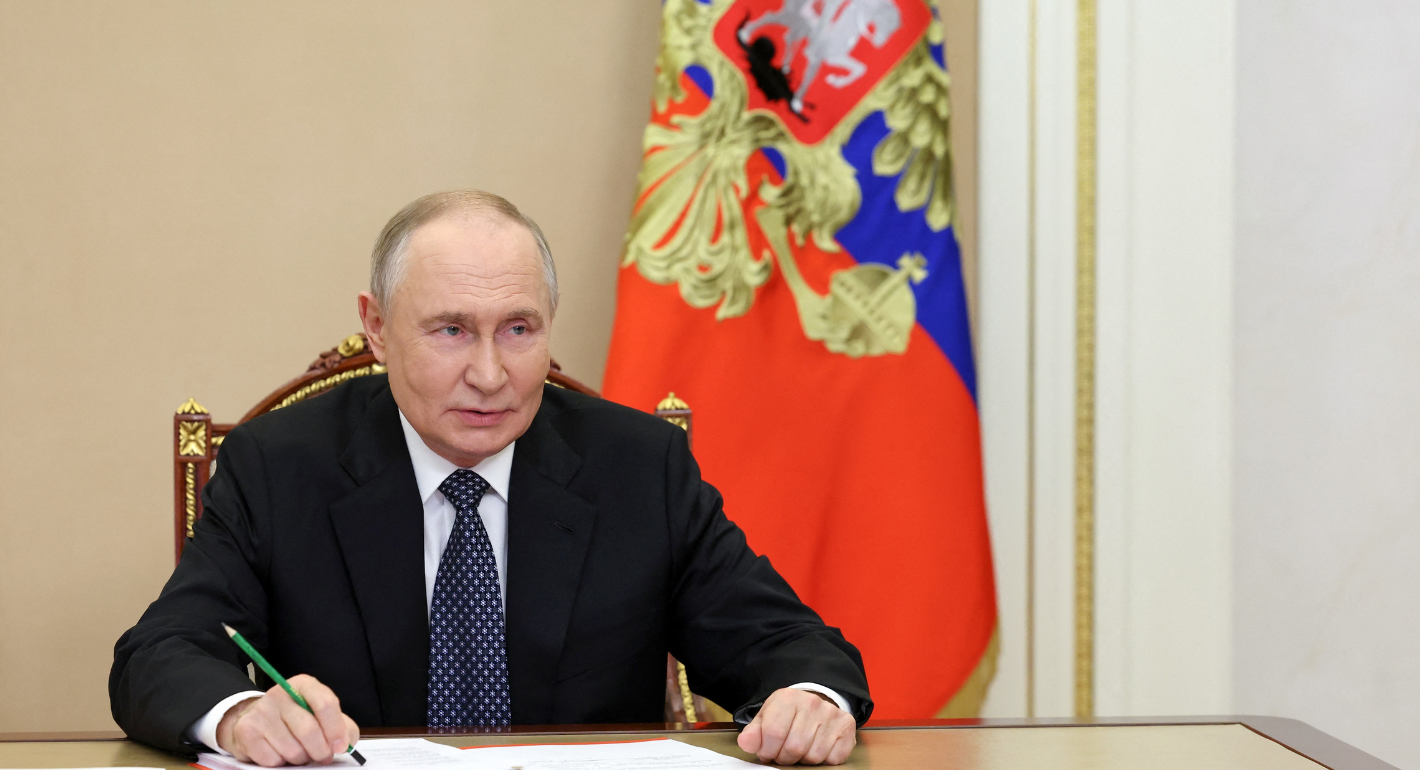
The war in Ukraine is costing Russia its leverage overseas. Across the South Caucasus and Middle East, this presents an opportunity for Europe to pick up the pieces and claim its own sphere of influence.

William Dixon, Maksym Beznosiuk
The war in Iran proves the United States is now a destabilizing actor for Europe and the Arab Gulf. From protect their economies and energy supplies to safeguarding their territorial integrity, both regions have much to gain from forming a new kind of partnership together.
Rym Momtaz