

Paper
Ashley J. Tellis
{
  "authors": [
    "Ashley J. Tellis"
  ],
  "type": "other",
  "centerAffiliationAll": "dc",
  "centers": [
    "Carnegie Endowment for International Peace",
    "Carnegie India"
  ],
  "collections": [],
  "englishNewsletterAll": "ctw",
  "nonEnglishNewsletterAll": "",
  "primaryCenter": "Carnegie Endowment for International Peace",
  "programAffiliation": "SAP",
  "programs": [
    "South Asia"
  ],
  "projects": [],
  "regions": [
    "North America",
    "United States",
    "South Asia",
    "India"
  ],
  "topics": [
    "Foreign Policy"
  ]
}
Source: Getty
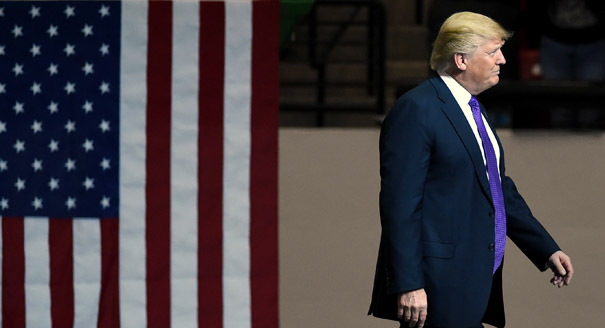
Trump’s “America First” strategy has the potential to damage the U.S.-India relationship. Trump should instead strengthen the India alliance to cope with the challenges posed by China.
Source: Asia Policy 23
For close to two decades now, the transformation of U.S.-India relations has been a bipartisan project in Washington. It has also been uniquely successful, as alternating Republican and Democratic administrations have worked with governments led by both the Bharatiya Janata Party and the Congress Party to exorcise the ghosts of old corrosive Cold War disagreements. As a result, the United States and India, once sharply divided by the issues of alliances and alignment, today routinely declare their commitment to a durable strategic partnership.
Former Indian prime minister Atal Bihari Vajpayee, arguably the progenitor of the new collaboration, once boldly declared the United States and India to be “natural allies.”1 At that moment in 1998, the vision of fraternity seemed like fatuous rhetoric. But to the credit of Vajpayee’s successors (Manmohan Singh and Narendra Modi) and their U.S. counterparts (George W. Bush, in particular), his ambition was brought to fruition rapidly and productively enough for Barack Obama to assert that U.S.-India ties could become the “defining partnership” of the century ahead.
The first section of this essay discusses the potential implications of the “America first” agenda that Donald Trump outlined during his presidential campaign for U.S.-India relations and regional security more broadly. The second section then assesses several challenges facing the bilateral relationship...
This article was originally published in Asia Policy by the National Bureau of Asian Research.
Former Senior Fellow
Ashley J. Tellis was a senior fellow at the Carnegie Endowment for International Peace.
Recent Work
Ashley J. Tellis
Ashley J. Tellis
Carnegie does not take institutional positions on public policy issues; the views represented herein are those of the author(s) and do not necessarily reflect the views of Carnegie, its staff, or its trustees.
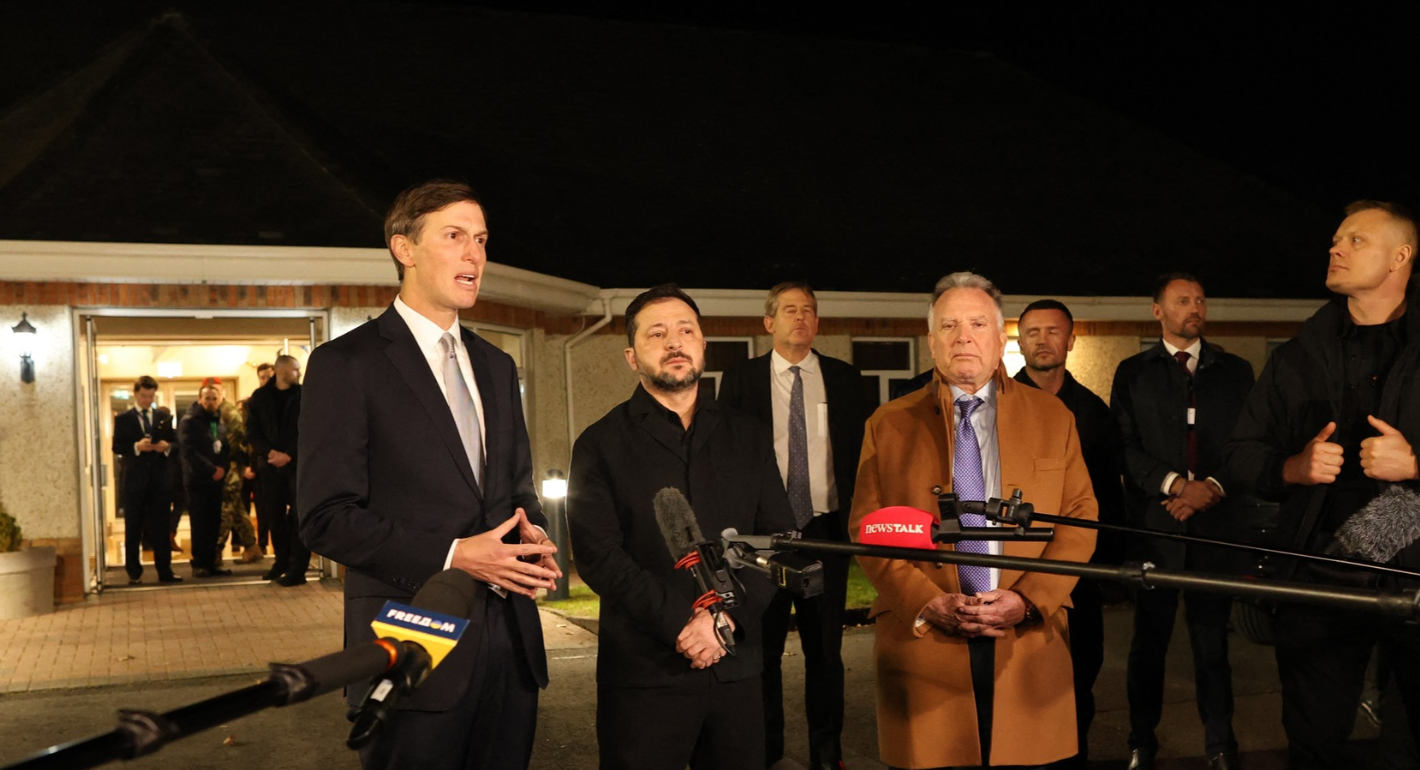
Russia’s maximalist demands are preventing any serious attempt at ending the war in Ukraine. To make peace a realistic prospect, Putin must recognize that diplomacy is a two-way street.

Kadri Liik
Too many national interests, too many EU institutions, and too little political will are preventing Europe from acting in its own best interests.

Judy Dempsey

As the nuclear order rapidly evolves, what can Europeans and other key players do to strengthen deterrence and reduce risks?

Jamie Kwong, ed.
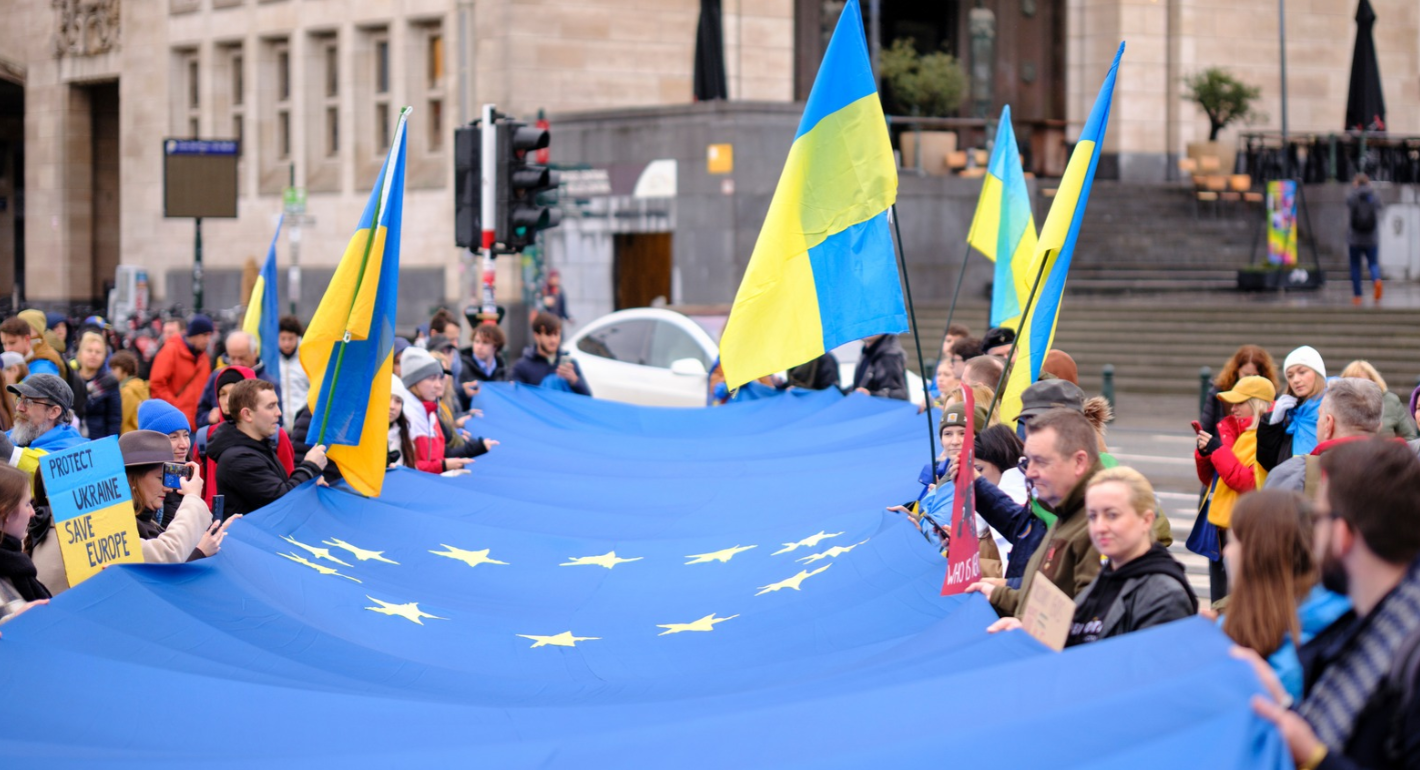
A sizeable funding shortfall looks increasingly likely to hit Ukraine in 2027. Can the Europeans, with their strained budgets and economies, come up with the cash without seizing frozen Russian assets?

Rym Momtaz, ed.
A blue wave has swept over the U.S. midterms, with Democrats regaining control of both houses of Congress. But Europeans hoping for a return to business as usual should think again.
Rym Momtaz