

Commentary
Jamie Kwong, Toby Dalton
{
  "authors": [
    "Toby Dalton"
  ],
  "type": "other",
  "centerAffiliationAll": "dc",
  "centers": [
    "Carnegie Endowment for International Peace",
    "Carnegie China"
  ],
  "collections": [
    "Korean Peninsula"
  ],
  "englishNewsletterAll": "ctw",
  "nonEnglishNewsletterAll": "",
  "primaryCenter": "Carnegie Endowment for International Peace",
  "programAffiliation": "NPP",
  "programs": [
    "Nuclear Policy"
  ],
  "projects": [],
  "regions": [
    "East Asia",
    "South Korea",
    "China",
    "Taiwan",
    "Japan",
    "North Korea"
  ],
  "topics": [
    "Nuclear Policy",
    "Security",
    "Arms Control"
  ]
}
Source: Getty
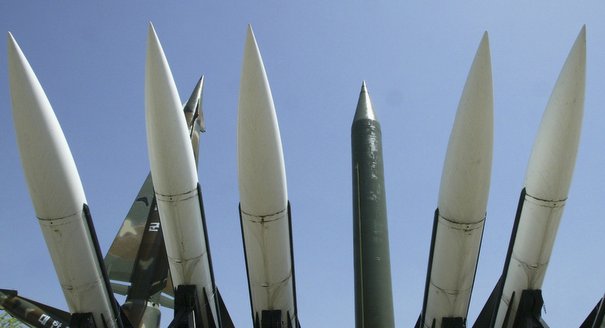
With the July 2015 Joint Comprehensive Plan of Action diminishing the near-term prospect of an Iranian nuclear bomb, most proliferation prognosticators would likely pick South Korea, Japan, or perhaps Taiwan as the next place that could opt to develop nuclear weapons.
Source: Nonproliferation Review
With the July 2015 Joint Comprehensive Plan of Action (otherwise known as the Iran nuclear deal) diminishing the near-term prospect of an Iranian nuclear bomb, most proliferation prognosticators would be likely to pick South Korea, Japan, or perhaps Taiwan as the next place that could opt to develop nuclear weapons. In a recent piece titled “Japan and South Korea May Soon Go Nuclear,” for example, American nuclear analyst Henry Sokolski warned that membership in the Treaty on the Non-proliferation of Nuclear Weapons “won’t necessarily stop either country from joining the nuclear club—or at least positioning themselves to do so quickly—if they feel the US ‘nuclear umbrella’ is folding.” It is precisely this concern and the attendant policy dilemmas that Mark Fitzpatrick’s timely book, Asia’s Latent Nuclear Powers, addresses.
In a previous guise, Fitzpatrick spent considerable time working on and in East Asia as a US foreign service officer. He draws on his knowledge of the region to craft a rich sociopolitical narrative that builds on previous analyses. In this one cogent and coherent volume, Fitzpatrick weaves nuanced technical data with archival material and perspectives from contemporary interviews to provide a clear assessment of the prospects that any of these actors could develop nuclear weapons. Specifically, he explains the current state of nuclear latency in South Korea, Japan, and Taiwan—they possess many of the technical ingredients for nuclear weapons, but do not evince the political intent to actually develop them—and why latency is likely to remain the status quo.
This article was originally published in Nonproliferation Review

Senior Fellow and Co-director, Nuclear Policy Program
Toby Dalton is a senior fellow and co-director of the Nuclear Policy Program at the Carnegie Endowment. An expert on nonproliferation and nuclear energy, his work addresses regional security challenges and the evolution of the global nuclear order.
Recent Work

Jamie Kwong, Toby Dalton

Ariel (Eli) Levite, Toby Dalton
Carnegie does not take institutional positions on public policy issues; the views represented herein are those of the author(s) and do not necessarily reflect the views of Carnegie, its staff, or its trustees.

European states control several Overseas Countries and Territories around the world that carry strategic, economic, and environmental weight. As great powers challenge the rules-based order, defending them is a geopolitical imperative for Europe.

Marc Pierini

The hybrid warfare landscape is evolving rapidly, leaving policymakers without clear strategies. To better inform their work in addressing emerging challenges, governments must dig deeper into the underlying dynamics at play.


Raluca Csernatoni, Alicia Wanless

Mounting economic strain and battlefield losses will not necessarily make the Kremlin less dangerous. They could instead push Moscow toward a more aggressive hybrid campaign designed to test NATO’s Eastern flank, exploit allied hesitation, and fracture European resolve.

Maksym Beznosiuk

Over the past ten years, NATO has held almost as many summits as it did during the entirety of the Cold War. Are they still useful, or is it time to stop holding annual meetings?

Rym Momtaz, ed.
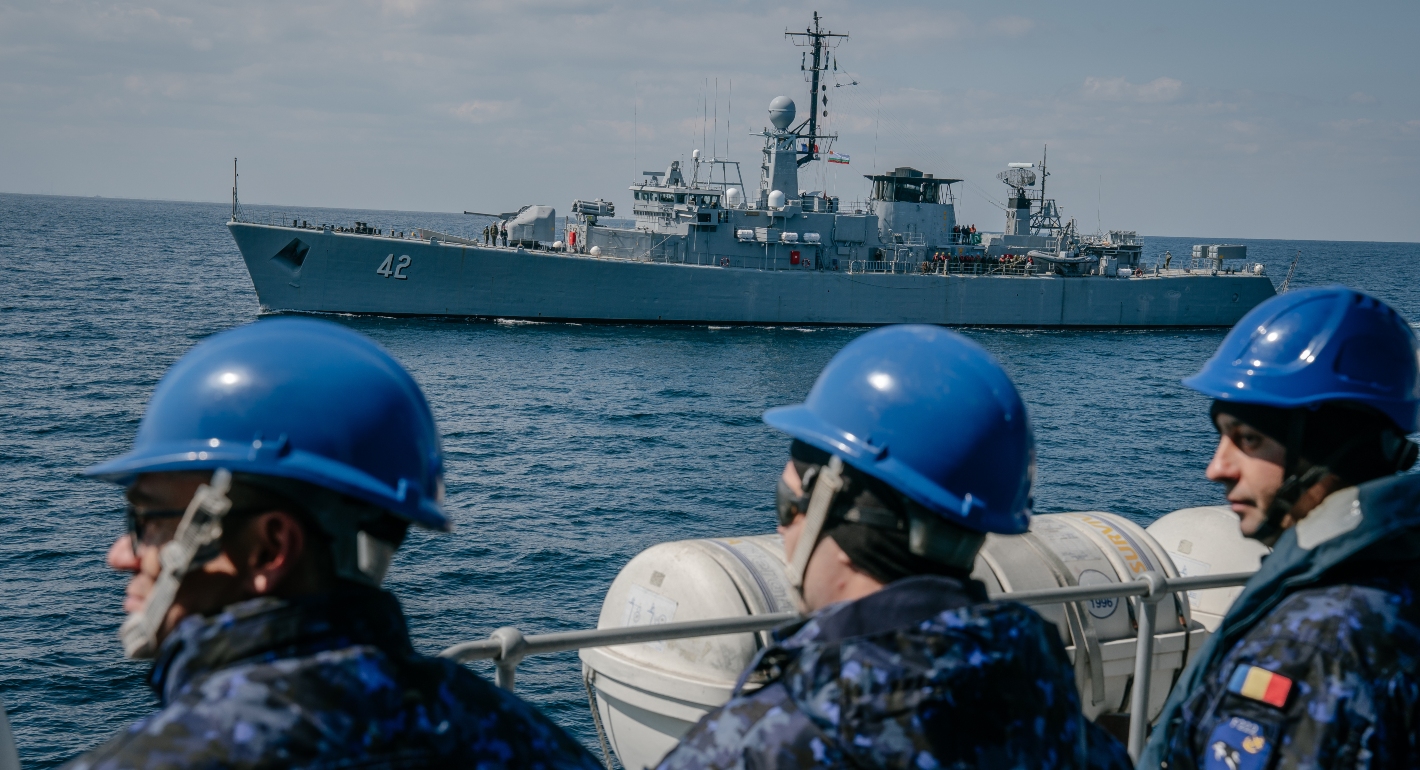
As Russia's war on Ukraine drags on, NATO is expanding its footprint in the Black Sea. Turkey, Romania, and Bulgaria are upgrading their fleets and deepening trilateral cooperation.

Dimitar Bechev