

Research
- +6
Milan Vaishnav, Sameer Lalwani, Tanvi Madan, …
{
  "authors": [
    "Milan Vaishnav"
  ],
  "type": "legacyinthemedia",
  "centerAffiliationAll": "dc",
  "centers": [
    "Carnegie Endowment for International Peace"
  ],
  "collections": [],
  "englishNewsletterAll": "ctw",
  "nonEnglishNewsletterAll": "",
  "primaryCenter": "Carnegie Endowment for International Peace",
  "programAffiliation": "SAP",
  "programs": [
    "South Asia"
  ],
  "projects": [],
  "regions": [
    "North America",
    "United States",
    "South Asia",
    "India"
  ],
  "topics": [
    "Foreign Policy"
  ]
}
Source: Getty
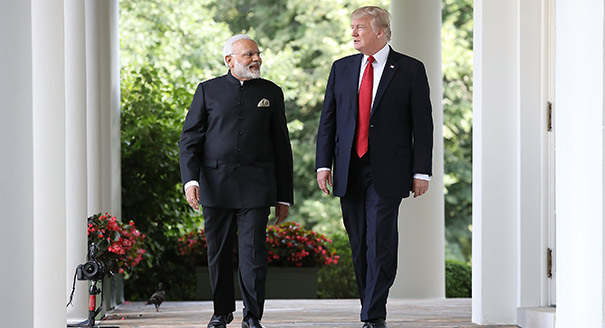
Trump’s unpredictable opinions on China causes concern for leaders in New Delhi. The United States and India may have reached a fork in the road, as Trump and Modi maintain conflicting visions of cooperation.
Source: NPR
DAVID GREENE, HOST:
President Trump is hosting Indian Prime Minister Narendra Modi at the White House today. Now, India has long enjoyed a strategic partnership with previous U.S. administrations. But as NPR's Julie McCarthy reports from New Delhi, it is not yet clear that Donald Trump shares that vision.
JULIE MCCARTHY, BYLINE: President Trump has hosted Chinese President Xi Jinping. Since taking office, he's met leaders of Japan, Australia and Vietnam. Trump tweeted a warm welcome to Prime Minister Modi. But analyst Maya Mirchandani says scheduling the Indian leader this late has prompted anxiety that New Delhi may no longer be a priority.
MAYA MIRCHANDANI: We've seen both President Bush and President Obama give India a sense of primacy that's been missing in the last six months. That's something that they might hope to correct.
MCCARTHY: U.S. arms sales are said to be advancing. A senior White House official said modernizing India's defenses will strengthen both countries. The thousands of Indian students in the U.S., she said, will do the same, as will cooperation on counterterrorism.
But Prime Minister Modi's visit comes at an importune time. President Trump and his team are distracted by political and legal challenges at home. At this first face-to-face meeting, however, Shyam Saran, the former foreign secretary of the government of India, says Modi will be in a listening mode, eager to hear the president's world view, especially on neighboring China and where India fits in Trump's Asian strategy.
SHYAM SARAN: He has had a very important meeting with the Chinese president, Xi Jinping. What is his sense of how China-U.S. relations will develop? We also see the need for there being a role for India to perform. After all, we have a certain interest, common interest in having a more balanced architecture in the Asia-Pacific region.
MCCARTHY: Narendra Modi must also try to grasp an unpredictable President Trump, who can deride China one day and call President Xi a great guy the next. Milan Vaishnav is with the Carnegie Endowment for International Peace.
MILAN VAISHNAV: I think what is really disconcerting to many in New Delhi is that what you get on Monday is not necessarily what you might get on Tuesday. And so (laughter) this kind of 180-degree turn, I think, is very concerning to India.
MCCARTHY: Vaishnav says Modi would like to make progress on proposed new visa restrictions that could affect India's skilled workers and correct the record on climate change. When Trump pulled out of the Paris Accord, he said India had made its participation contingent on getting billions of dollars of foreign aid. Untrue, says New Delhi.
But the biggest issue is contrary visions. Modi wants to turn India into a manufacturing powerhouse by attracting American businesses. Trump wants to keep American businesses and jobs at home. Vaishnav says both men are dealmakers, but wonders whether the America First policy is flexible enough for India's needs.
VAISHNAV: And I think we've now come to a fork in the road, and it's not clear which way we're going to go.
MCCARTHY: Maya Mirchandani expects the two leaders will find common ground. Both Trump and Modi have huge followings on Twitter and rose to power leapfrogging over the mainstream media.
MIRCHANDANI: I think they will certainly see eye to eye on making a mockery out of the media. They're bound to get along to some degree. Julie McCarthy, NPR News, New Delhi.

Director and Senior Fellow, South Asia Program
Milan Vaishnav is a senior fellow and director of the South Asia Program and the host of the Grand Tamasha podcast at the Carnegie Endowment for International Peace. His primary research focus is the political economy of India, and he examines issues such as corruption and governance, state capacity, distributive politics, and electoral behavior. He also conducts research on the Indian diaspora.
Recent Work


Milan Vaishnav, Sameer Lalwani, Tanvi Madan, …
Sumitra Badrinathan, Devesh Kapur, Andy Robaina, …
Carnegie does not take institutional positions on public policy issues; the views represented herein are those of the author(s) and do not necessarily reflect the views of Carnegie, its staff, or its trustees.
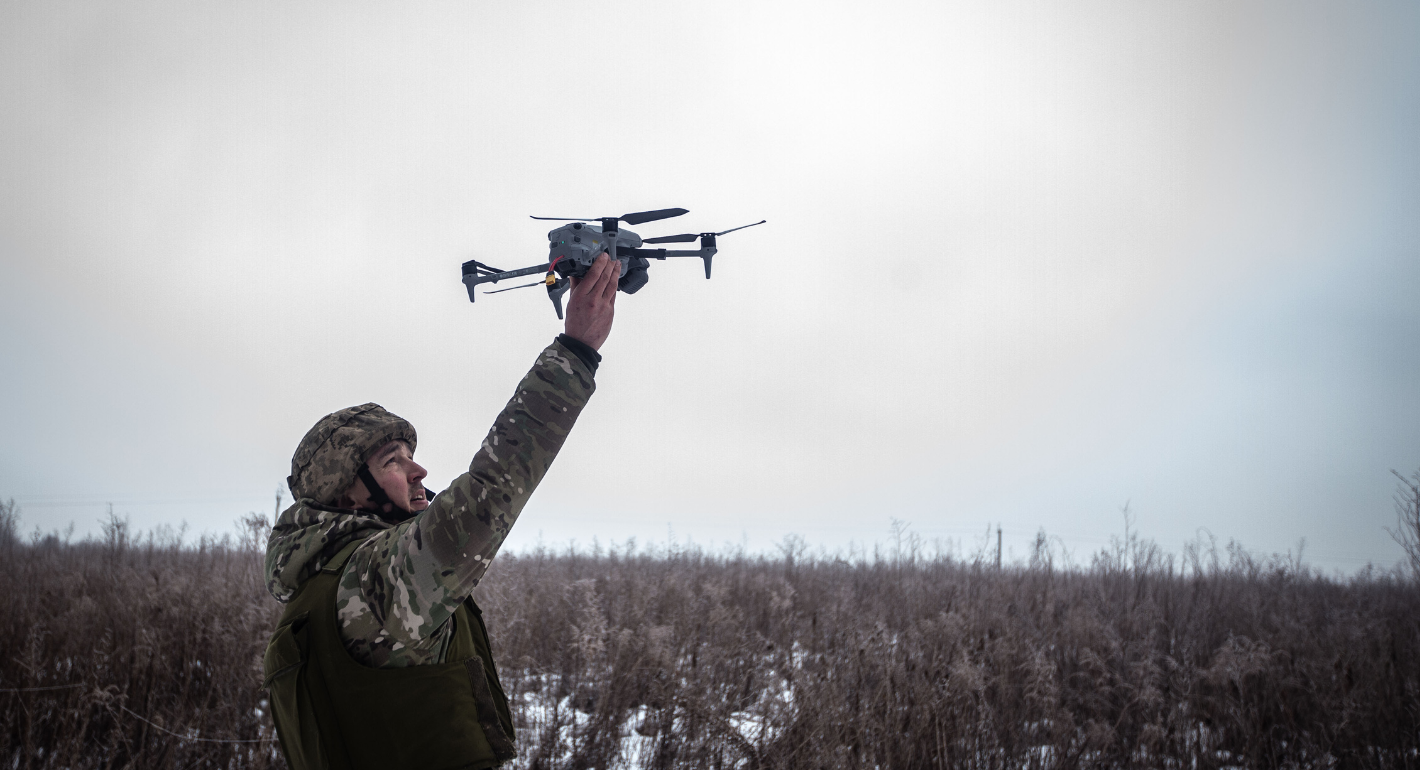
In Ukraine, Gaza, and Iran, AI warfare has come to dominate, with barely any oversight or accountability. Europe must lead the charge on the responsible use of new military technologies.

Raluca Csernatoni
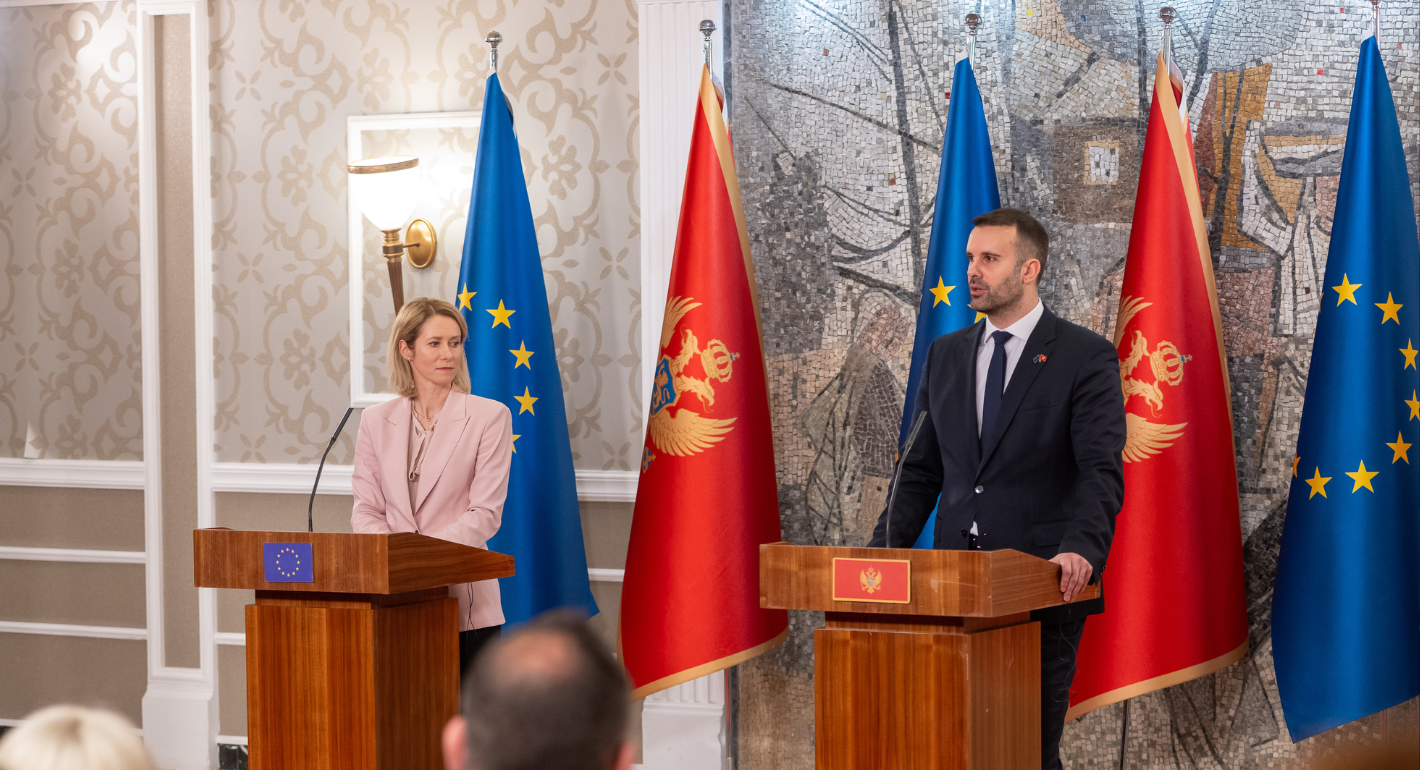
Montenegro and Albania are frontrunners for EU enlargement in the Western Balkans, but they can’t just sit back and wait. To meet their 2030 accession ambitions, they must make a strong positive case.


Dimitar Bechev, Iliriana Gjoni
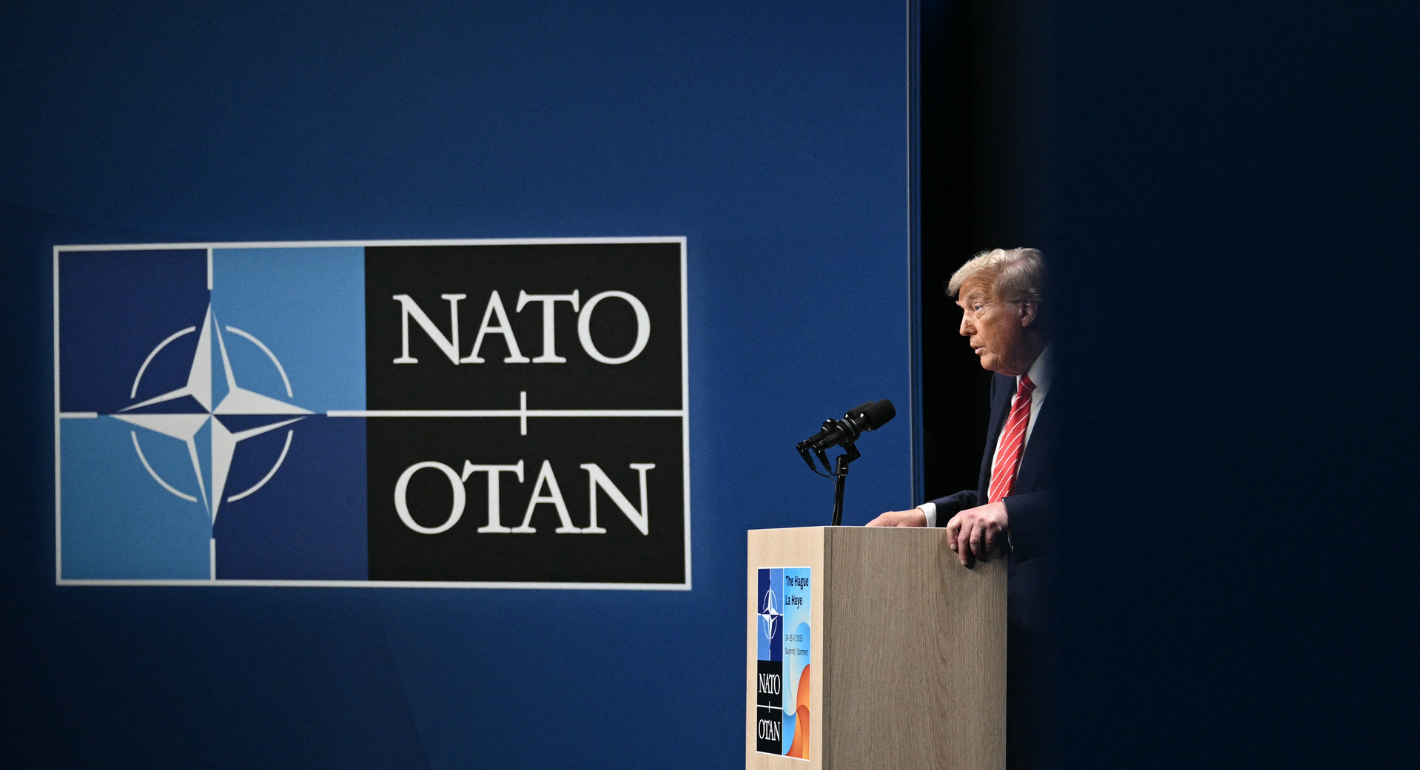
Donald Trump has repeatedly bashed NATO and European allies, threatening to annex Canada and Greenland and deploring their lack of enthusiasm for his war of choice in Iran. Is this latest round of abuse the final straw?

Rym Momtaz, ed.
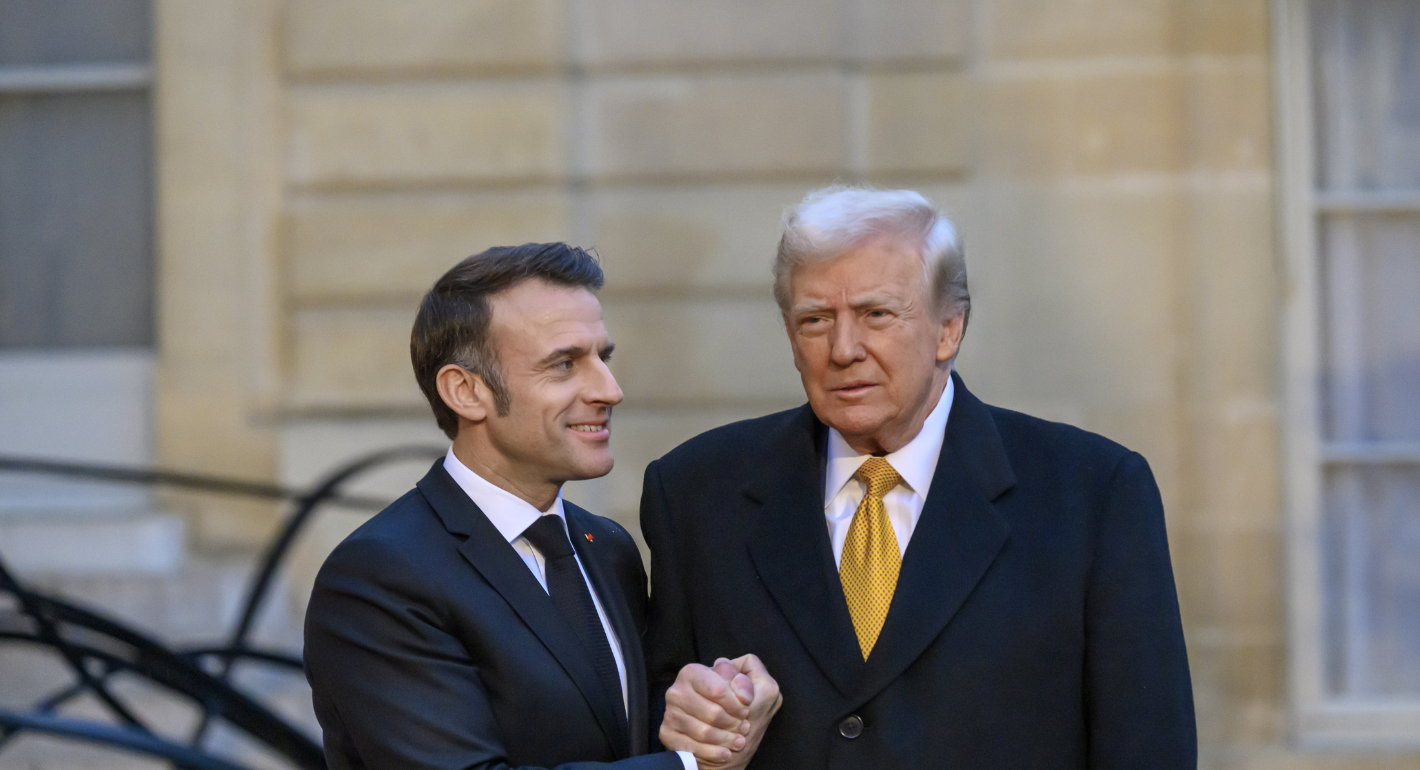
Donald Trump’s repudiation of NATO goes against the Make America Great Again vision of a U.S.-centered foreign policy. If the goal is to preserve the alliance by boosting Europe’s commitments, leaning into France’s vision is the most America First way forward.
Rym Momtaz
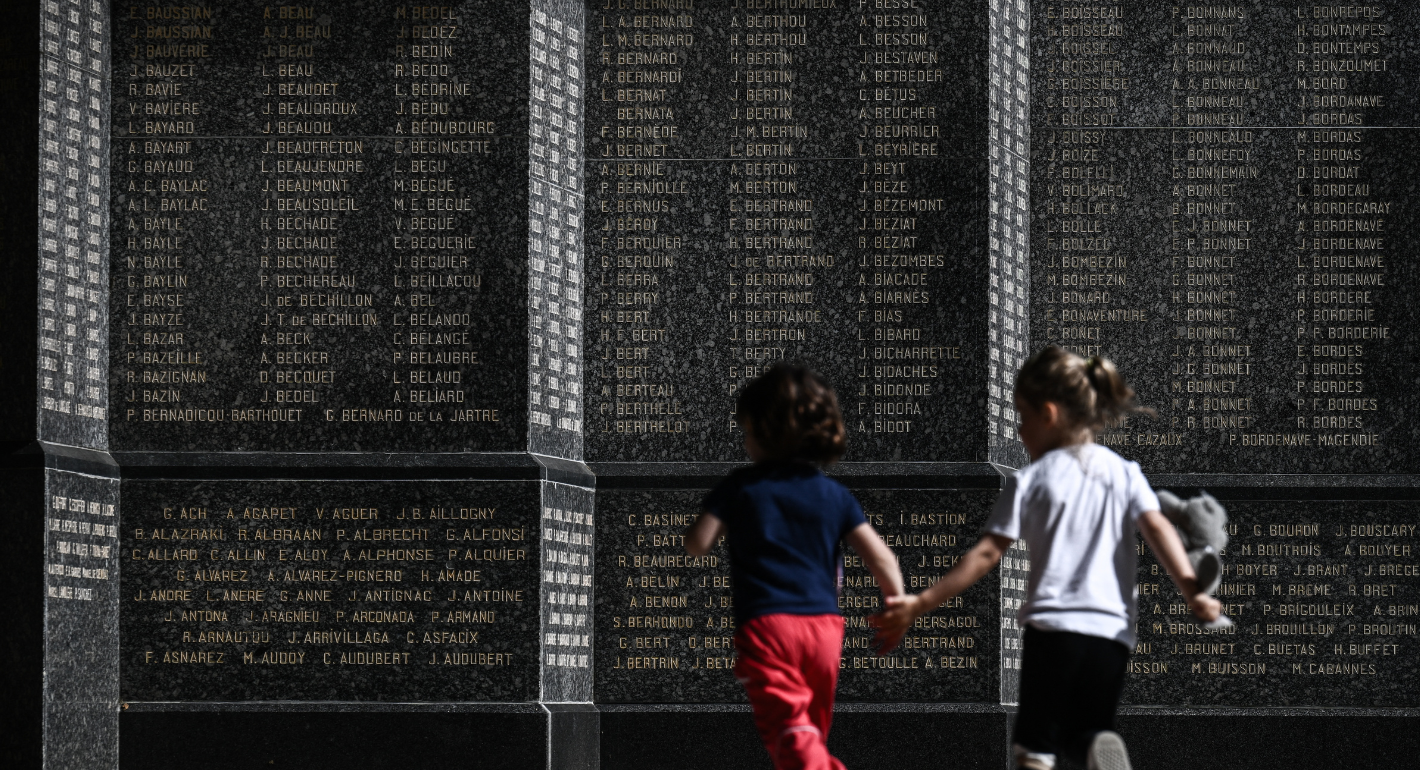
The wars in Ukraine and the Middle East are existential threats to Europe as a peace project. Leaders and citizens alike must reaffirm their solidarity to face up to today’s multifaceted challenges.

Marc Pierini