

In The Media
David Rothkopf
{
  "authors": [
    "David Rothkopf"
  ],
  "type": "legacyinthemedia",
  "centerAffiliationAll": "",
  "centers": [
    "Carnegie Endowment for International Peace"
  ],
  "collections": [],
  "englishNewsletterAll": "",
  "nonEnglishNewsletterAll": "",
  "primaryCenter": "Carnegie Endowment for International Peace",
  "programAffiliation": "",
  "programs": [],
  "projects": [],
  "regions": [
    "North America",
    "United States"
  ],
  "topics": [
    "Political Reform",
    "Foreign Policy"
  ]
}
Source: Getty
The global situation may be more dangerous than it has been at any time since the height of the Cold War. Of the myriad serious geopolitical problems in the world right now, five of them involve nuclear powers and two involve near-nuclear powers.
Source: Washington Post
“You think this is bad? Wait until the Trump White House faces a real international crisis!” You’ve no doubt heard this warning. Here’s the problem with that: An extraordinary constellation of complex global crises is boiling over right now in real time — and they are being exacerbated by President Trump and his team.
The global situation may be more dangerous than it has been at any time since the height of the Cold War. Of the myriad serious geopolitical problems in the world right now, five of them involve nuclear powers and two involve near-nuclear powers. Several of these cases could test whether old notions of nuclear security, like deterrence, can work in the new global-risk environment.
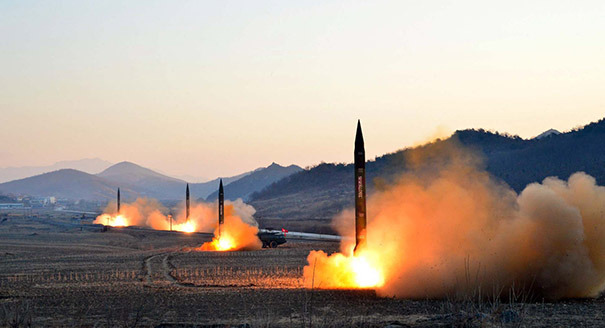
Topping the list is North Korea. It now seems certain that during Trump’s time in office, North Korea will gain the capacity to deliver a nuclear weapon that can hit the continental United States. North Korea is also close to having a nuclear stockpile big enough that it would be extremely difficult to eliminate in limited military action. Kim Jong Un, North Korea’s leader, believes having a large stockpile and advanced delivery capabilities will guarantee him job security. But for the United States and our allies, North Korea’s offensive nuclear capacity would mark the most destabilizing shift since the end of the Cold War.
The choices we have are almost all bad. There are no military scenarios for intervention in North Korea that do not involve massive casualties in South Korea. But allowing North Korea to threaten massive destruction to the United States or our allies is also intolerable. Further, our primary leverage with North Korea lies with the Chinese, who seem either disinclined to put too much pressure on Pyongyang or refuse to be intimidated by the Twitter “pressure” on them from Trump.
On Iran, last week the country launched a satellite into orbit showing that it too is enhancing its weapons delivery capabilities. At the same time, Trump indicated that this fall, he will decertify Iranian compliance with the Obama-forged nuclear accord. Naval tensions also rose last week in the Persian Gulf, with confrontations between the United States and Iranian ships.
By announcing our intention to decertify Iran, Trump gave the Iranians more time to plan their strategy of confrontation with us and our allies — who are themselves confronted with another regional crisis: the standoff between the Gulf Cooperation Council countries and Qatar. The U.S. move would also likely produce a split with the other major powers that are part of the Iran deal, complicating the ability to settle this and other issues.
The weakening political position of Trump and the anti-Iran rhetoric of the administration also makes the Iran situation the one that seems most primed to be the kind of wag-the-dog distraction that might seem desirable to Trump and his team. (The fact that the United States has effectively granted Iran victory in Syria and Iraq actually makes this more dangerous; there is now a legitimate desire to contain Iranian efforts toward regional hegemony and not to look “soft on Iran.”)
In nuclear Pakistan, the country is suffering with political instability yet again, even as its rival, a nuclear India, skirmishes with Pakistan’s ally, a nuclear China, along their disputed border in the Himalayas. The United States and Russia, our nearest nuclear rival, are locked in a political standoff regarding diplomats and sanctions. The U.S.-Russia situation is made murkier by Trump’s Russia scandal, the desire of Congress to hold Russia accountable and Vladimir Putin’s gleeful willingness to play both ends against the middle to achieve his dual goals of looking tough on the United States at home while weakening America from within. That he continues to test the bounds of American influence by expanding Russia’s own (he has signed a half-century lease on a naval base in Syria, he continues to inch deeper into Georgia, and he menaces the Baltics) suggests that this is a diplomatic crisis that could escalate into something much worse.
Further, from the South China Sea to Venezuela’s unraveling, famine in Africa to political confusion in Japan, South Korea and the United Kingdom, the world is reeling.
Indeed, what makes each of the situations above many degrees more dangerous is that the world is facing a parallel pandemic of leadership and institutional failures. At the center of these is the decline in America’s standing as a leader.
Amidst the global turmoil, our modern-day Nero is choosing to tweet as Rome burns. Trump surrounds himself with generals he views as just more gold-plated bling to show off to his buddies. He has gutted America’s diplomatic capability just when we need it most. Worst, this pig sty of a presidency has sucked all the oxygen out of the room so that none of the above issues are getting the attention they deserve from anyone. It’s no wonder people worry what would happen were these guys to face a real crisis. But that’s just the problem. The crises are here. And the fact that neither the president nor the American people seem to know it may be the greatest crisis of them all.
The article was originally published in the Washington Post.

Former Visiting Scholar
David Rothkopf was a visiting scholar at the Carnegie Endowment as well as the former CEO and editor in chief of the FP Group.
Recent Work
David Rothkopf
David Rothkopf
Carnegie does not take institutional positions on public policy issues; the views represented herein are those of the author(s) and do not necessarily reflect the views of Carnegie, its staff, or its trustees.
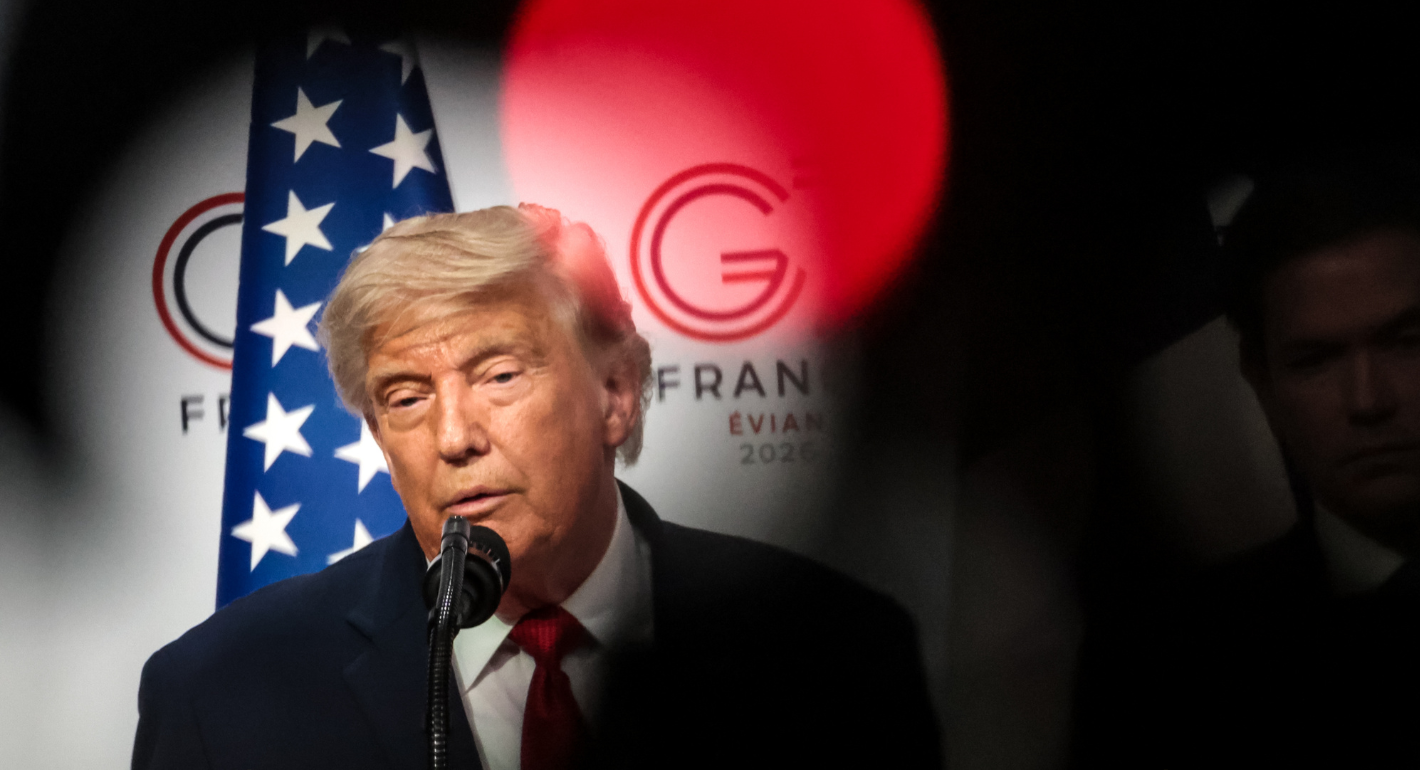
There is an elephant in the room when it comes to the EU’s upcoming security strategy: Donald Trump. Unless European leaders acknowledge the depth of the transatlantic crisis, true autonomy will remain out of reach.

Stefan Lehne
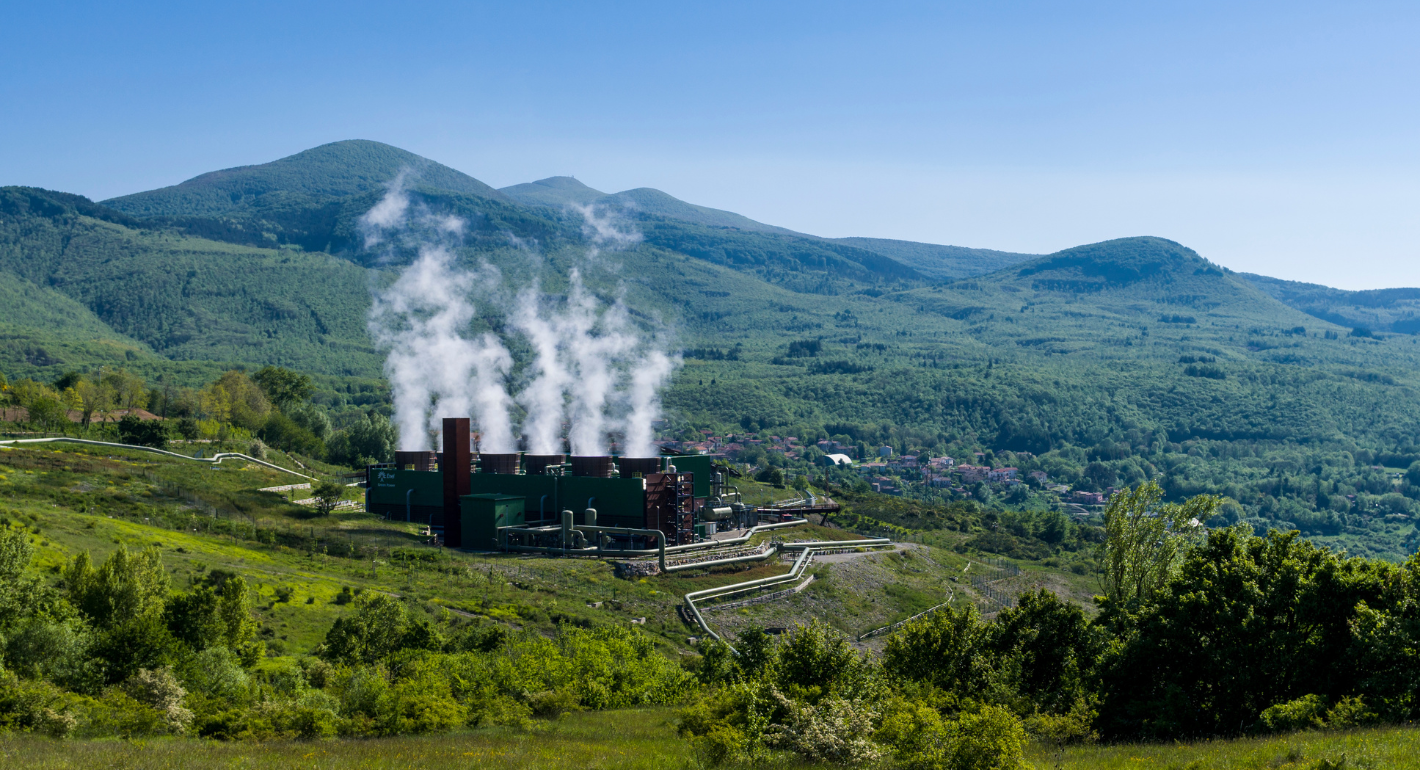
Europe’s industrial supply chains leave it vulnerable to global shocks. The EU needs a pragmatic green industrial strategy that balances durable partnerships and bolsters homegrown clean tech without sacrificing low-carbon ambition.


Milo McBride, Pauline Gerard
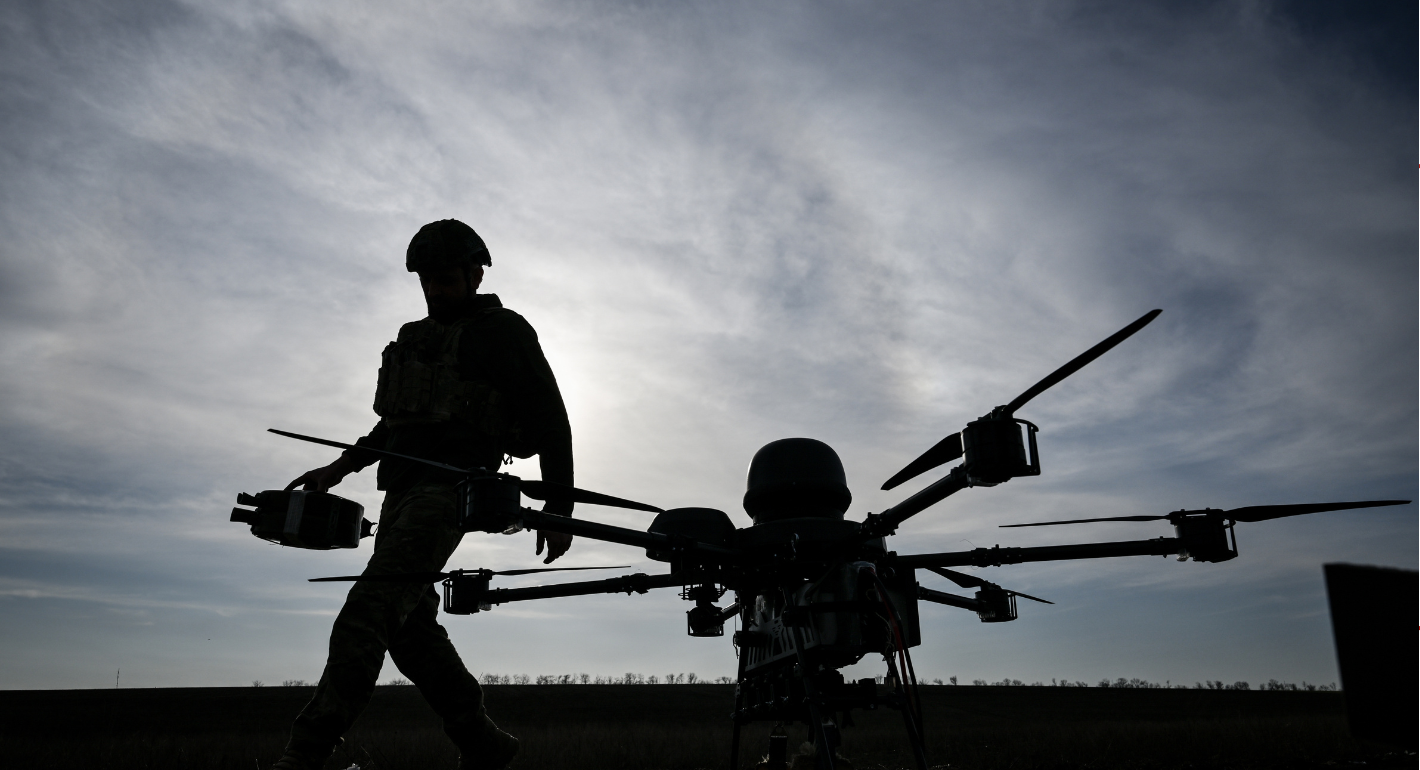
Defense tech innovations will be at the heart of Europe’s new security strategy. But so far, Brussels has been making moves without a broader plan, undermining readiness and credibility.

Raluca Csernatoni

When the U.S.-Iran memorandum of understanding was announced, the UK, France, Germany, and Italy declared their readiness to help demine the Strait of Hormuz and lift nuclear sanctions on Tehran. But does Europe need new tools to recover a diplomatic role?

Rym Momtaz, ed.
The Franco-German relationship is on the rocks again. But unlike previous moments of tension, the epochal changes on the world stage require that both step up investment in their bilateral ties.
Rym Momtaz