

Commentary
A summer of escalation in the Black Sea has hurt Ukraine economically and is exacerbating world food security. A truce is needed—as is a broader reframing of Europe’s Ukraine strategy.
Thomas de Waal
{
  "authors": [
    "Saksham Khosla"
  ],
  "type": "legacyinthemedia",
  "centerAffiliationAll": "",
  "centers": [
    "Carnegie Endowment for International Peace",
    "Carnegie India"
  ],
  "collections": [],
  "englishNewsletterAll": "",
  "nonEnglishNewsletterAll": "",
  "primaryCenter": "Carnegie India",
  "programAffiliation": "",
  "programs": [],
  "projects": [
    "Political Economy"
  ],
  "regions": [
    "South Asia",
    "India"
  ],
  "topics": [
    "Economy"
  ]
}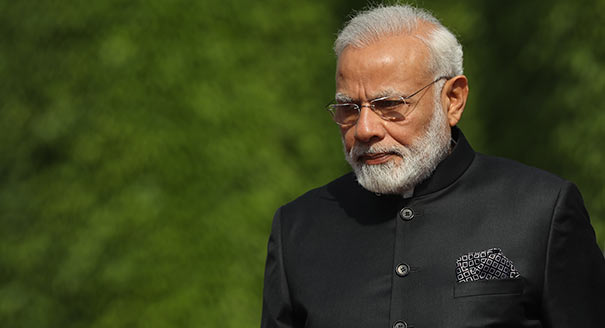
Source: Getty
The government’s flagship financial inclusion drive, the Pradhan Mantri Jan-Dhan Yojana, is one of the grandest policy initiatives of its kind by virtue of sheer scale.
Source: Livemint
In Prime Minister Narendra Modi’s four Independence Day speeches since assuming office, achievements under one government programme have found consistent mention: the Pradhan Mantri Jan-Dhan Yojana (PMJDY). This is for good reason. The government’s flagship financial inclusion drive, by virtue of sheer scale, is one of the grandest policy initiatives of its kind. With an initial target of opening 75 million accounts by January 2015, Modi’s administration mobilized an oft-recalcitrant state apparatus to expand access to basic savings accounts with additional benefits in the form of debit cards, insurance cover, and overdraft facilities. Working at breakneck speed, the government has opened more than 294 million accounts as of August.
While a laudable effort by any standard, it was unclear whether increasing the supply of such accounts (introduced by the Reserve Bank of India in 2005) would guarantee that account holders, many of whom were taking first steps into the financial system, engage in financial transactions. Researchers have only recently acquired data of sufficient vintage—from administrative records on the transactions in PMJDY accounts to individual and household-level survey data—that yields preliminary findings on India’s progress towards genuine financial inclusion. Opening the banking floodgates, this new research finds, enhanced account use and brought marginalized groups into the financial mainstream.
In a 2017 working paper, Georgetown University professor Sumit Agarwal and his co-authors studied account activity in 1.5 million PMJDY accounts from August 2014 to May 2015 (the analysis is ongoing to cover a longer period). While usage started off slowly—81% of new consumers did not make any deposits in the first six months—individuals tended to become more proficient as their awareness of financial services grew. Within one year, the frequency of remittances and deposit and withdrawal transactions gradually reached the same level as a comparable set of accounts opened before the PMJDY, with a concomitant increase in monthly account balance. Along with demand, the supply of financial products rose as well. The authors found an increase in lending in regions where the PMJDY generated new demand for formal credit.
Yakshup Chopra and Prasanna Tantri, researchers at the Indian School of Business, and University of Maryland professor Nagpurnanand R. Prabhala, in a contemporary study, tracked activity in more than 3,000 PMJDY accounts from August 2014 to October 2016 (prior to demonetization). Their analysis also found evidence of PMJDY accounts catching up with their counterparts over time, with the differences in usage between both type of accounts shrinking by close to half between the first and the seventh quarter. The average account balance of PMJDY accounts more than doubled in the same period. Similar to the “learning” phenomenon observed by Agarwal and his co-authors, these researchers found that increase in ATM usage among PMJDY account holders surpassed those without such accounts.
Beyond enabling account ownership and the use of financial services, the PMJDY also facilitated financial inclusion for a variety of demographics. The Overseas Development Institute’s Manuela Kristin Günther examined data from several recent rounds of the Financial Inclusion Insights (FII) survey of individuals as well as the 2015 FinScope survey of households in four low-income states, and found that socioeconomic hurdles were attenuated: women, low-income individuals, rural residents, and the less educated enjoyed greater account ownership following the PMJDY. Owning an account also appeared to weaken significant constraints like large household size, distrust of financial institutions, and distance to the nearest bank branch.
The PMJDY’s ability to tap a deep well of unmet demand for financial services was a common theme running through these studies. The 2017 round of the FII confirmed that many of these gains were not ephemeral. There was negligible variation in PMJDY account ownership on the basis of gender, urban or rural residency, and income levels. In terms of account registration and transaction activity, PMJDY account holders were ahead of those with non-PMJDY accounts. The second volume of the 2016-17 Economic Survey, released this month, echoed these findings: the average account balance in PMJDY accounts effectively doubled between 2015 and 2017, zero-balance accounts declined by more than half between 2015 and 2016, and cross-bank transactions facilitated by business correspondents grew sharply.
While the programme has performed admirably at removing barriers to financial access, this literature finds that important gaps remain in ensuring active use. Account duplication and dormancy remain key stumbling blocks. Chopra and his co-authors found that the PMJDY accounts were less likely than other accounts to move out of inactivity. A 2016 national survey by Microsave, a financial inclusion consultancy, estimated that 33% of PMJDY customers already had a bank account, and 28% of all PMJDY accounts were inactive. Misunderstandings about the policy are widespread. Günther noted that the government’s push to route direct benefits transfers through these accounts was a possible driver for duplication, with several beneficiaries opening second accounts expressly to receive benefits. The 2017 FII survey observed that not only was there a higher account inactivity rate among women, rural residents, and below- poverty-line individuals overall, the same groups were more likely to report being unaware if their account was opened under the PMJDY. Regional variation is another arena with room for improvement: Günther found large asymmetries in both account ownership and activity across Indian states. Finally, while business correspondents contributed significantly to realizing last-mile banking, they were relatively underutilized for regular financial services—a consequence, as Microsave ascertained, of low and irregular commissions per transaction.
Taken together, these studies provide initial insights into the extraordinary impact of the PMJDY and outline opportunities for course correction. While the programme has made significant headway towards genuine financial inclusion, it is clear that improving policy communication, widening and deepening progress in low-income states, and ironing out the kinks in the bank-agent model will be crucial if these hard-fought gains are to prove sustainable.
Saksham Khosla
Former Research Analyst, Carnegie India
Saksham Khosla was a research analyst at Carnegie India.
Carnegie does not take institutional positions on public policy issues; the views represented herein are those of the author(s) and do not necessarily reflect the views of Carnegie, its staff, or its trustees.

A summer of escalation in the Black Sea has hurt Ukraine economically and is exacerbating world food security. A truce is needed—as is a broader reframing of Europe’s Ukraine strategy.

Thomas de Waal
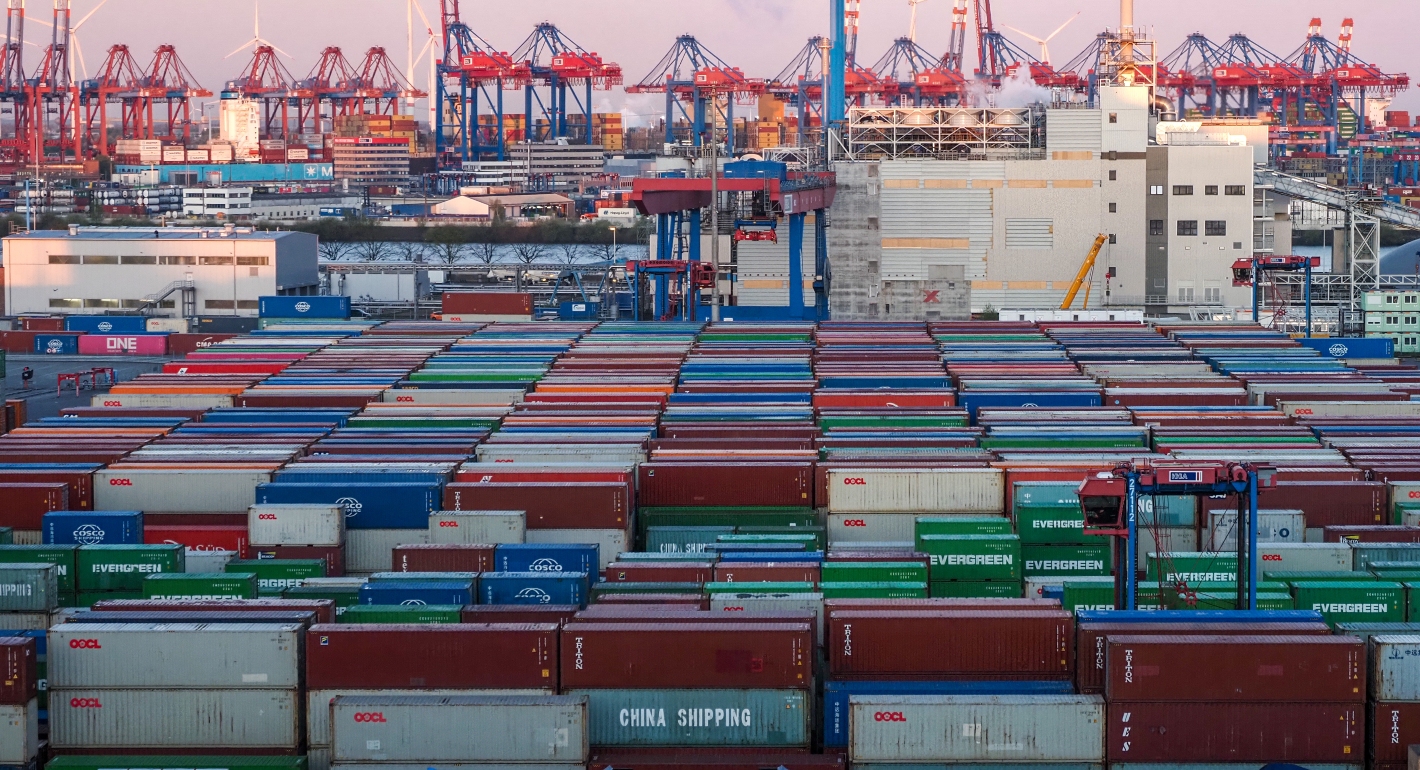
As geopolitical rivalry weaponizes global supply chains, the EU’s true vulnerability lies in emerging-risk imports. For these goods, suppliers are growing more concentrated, substitution more difficult, and political risk is looming.

Sinan Ülgen

The EU is putting together a new security strategy to meet today’s myriad challenges. But for any proposal to be effective, the union needs to grapple with its identity and ambitions.

Pierre Vimont
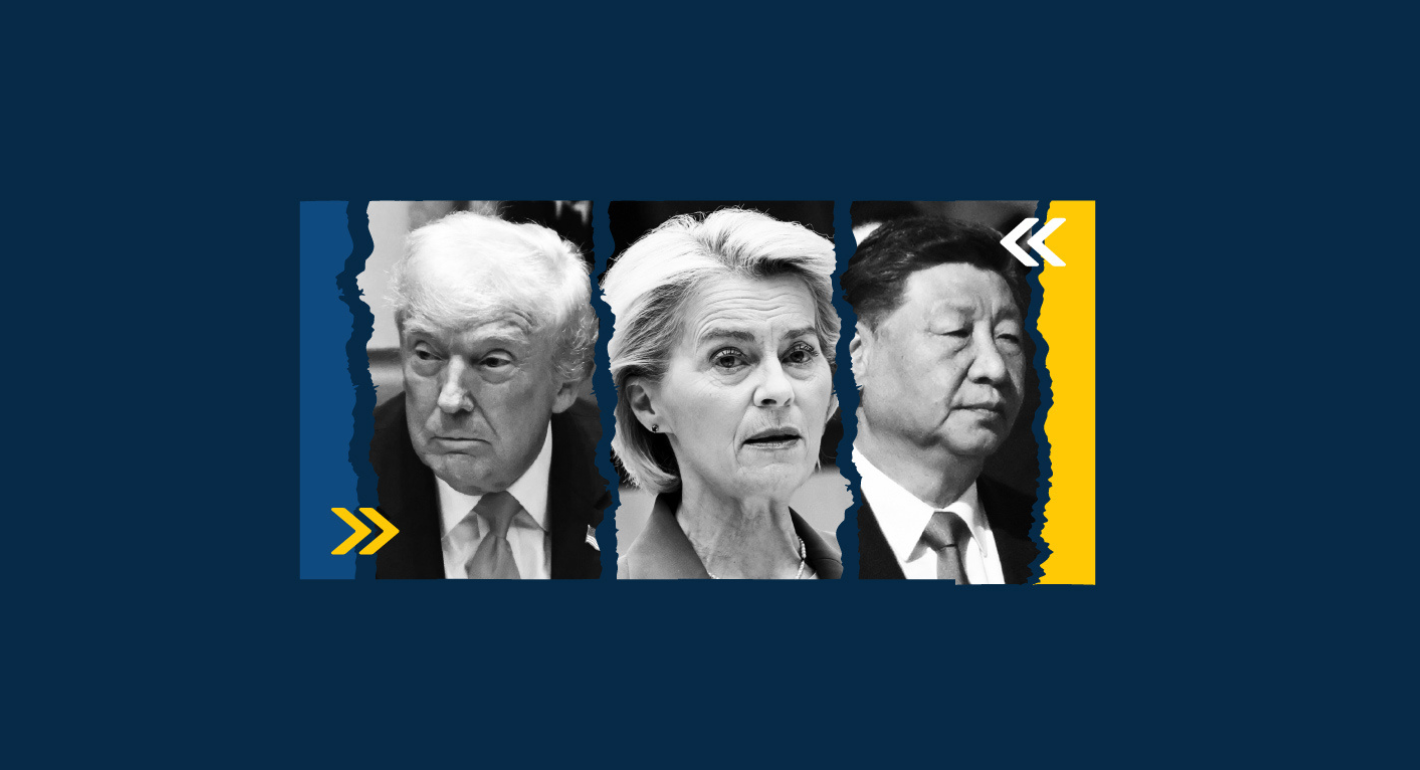
Between the United States’ market-driven approach and China's state-led industrial strategy, Europe is reckoning with how it can remain competitive in the global economy. But is Europe in danger of becoming a U.S. or China colony?

Noah Barkin, Anu Bradford
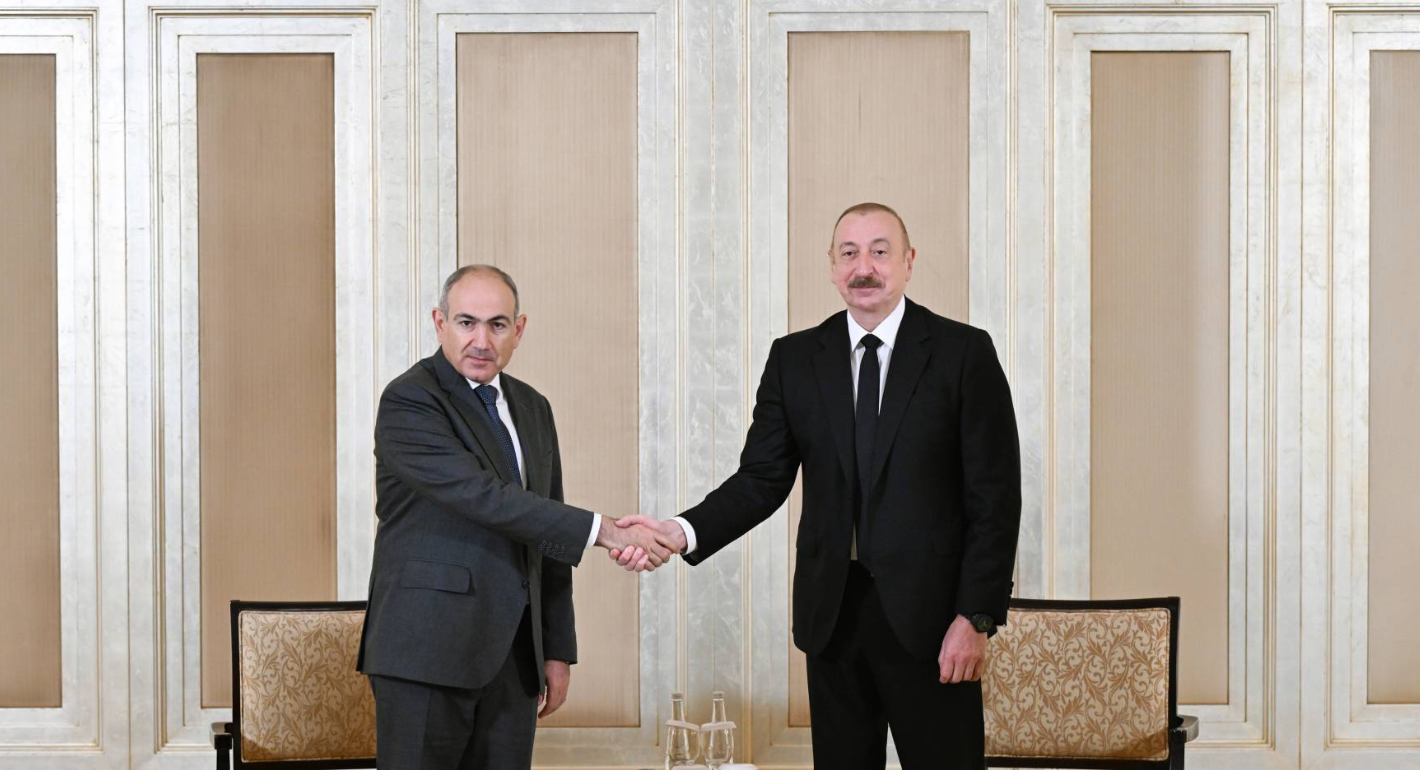
The U.S.-sponsored TRIPP deal is driving the Armenia-Azerbaijan peace process forward. But foreign and domestic hurdles remain before connectivity and economic interdependence can open up the South Caucasus.


Thomas de Waal, Areg Kochinyan, Zaur Shiriyev