

Paper
Julia Gurganus, Eugene Rumer
{
  "authors": [
    "Julia Gurganus"
  ],
  "type": "legacyinthemedia",
  "centerAffiliationAll": "dc",
  "centers": [
    "Carnegie Endowment for International Peace"
  ],
  "collections": [],
  "englishNewsletterAll": "ctw",
  "nonEnglishNewsletterAll": "",
  "primaryCenter": "Carnegie Endowment for International Peace",
  "programAffiliation": "russia",
  "programs": [
    "Russia and Eurasia"
  ],
  "projects": [
    "The Return of Global Russia: A Reassessment of the Kremlin’s International Agenda"
  ],
  "regions": [
    "North America",
    "United States",
    "South America",
    "Russia"
  ],
  "topics": [
    "Economy",
    "Foreign Policy"
  ]
}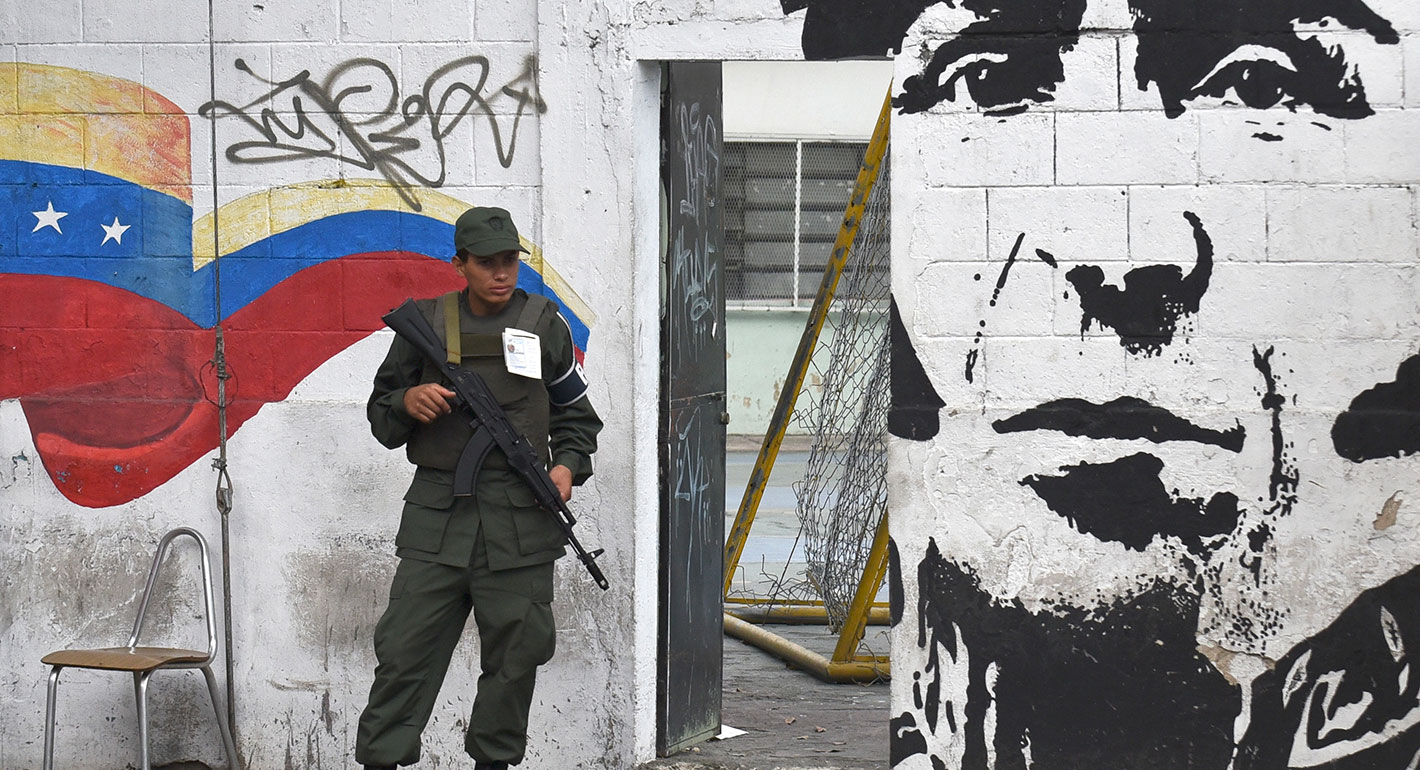
Source: Getty
Putin is less interested in President Nicolás Maduro and his regime than in using him as a thorn in Washington’s side. Venezuela’s crisis provides Putin with a like-minded collaborator eager to denounce the United States.
Source: Axios
The Kremlin, buoyed by its success in helping the Assad regime stave off collapse, is trying to pull off a similar trick in a troubled part of America’s backyard: Venezuela. The Trump White House is having none of it, but a new stage is being set for U.S.–Russia confrontation.
The big picture: Putin is less interested in President Nicolás Maduro and his regime than in using him as a thorn in Washington’s side. Venezuela’s crisis provides Putin with a like-minded collaborator eager to denounce the U.S.
Vice President Pence had called for a delay ahead of Venezuela’s election this past Sunday on grounds of expected fraud. The Trump administration has used a combination of diplomatic pressure, together with other Latin American governments and Europe, and tough sanctions to isolate and push Maduro into compromising with his opponents.
Moscow responded with a full-throated embrace of Maduro and over-the-top accusations of Washington-engineered regime change. So, why does Moscow choose to back Maduro, even as Venezuela teeters on the brink of collapse? On several issues, there is a clear alignment of interests and world view:
Why it matters: If Moscow is successful in bailing out the Maduro regime, it will secure its foothold in the region.
Former Nonresident Scholar, Russia and Eurasia Program
Julia Gurganus was a nonresident scholar with the Russia and Eurasia Program at the Carnegie Endowment for International Peace. Her research focus is on trends in Russian foreign policy and Russia-U.S. relations.
Recent Work
Julia Gurganus, Eugene Rumer
Julia Gurganus
Carnegie does not take institutional positions on public policy issues; the views represented herein are those of the author(s) and do not necessarily reflect the views of Carnegie, its staff, or its trustees.

The European Commissioner for Trade is headed to China. But after President Xi’s bridge-building visit to Washington, can a more isolated EU overcome Beijing’s stranglehold on critical raw materials? Who will blink first?

Rym Momtaz, ed.
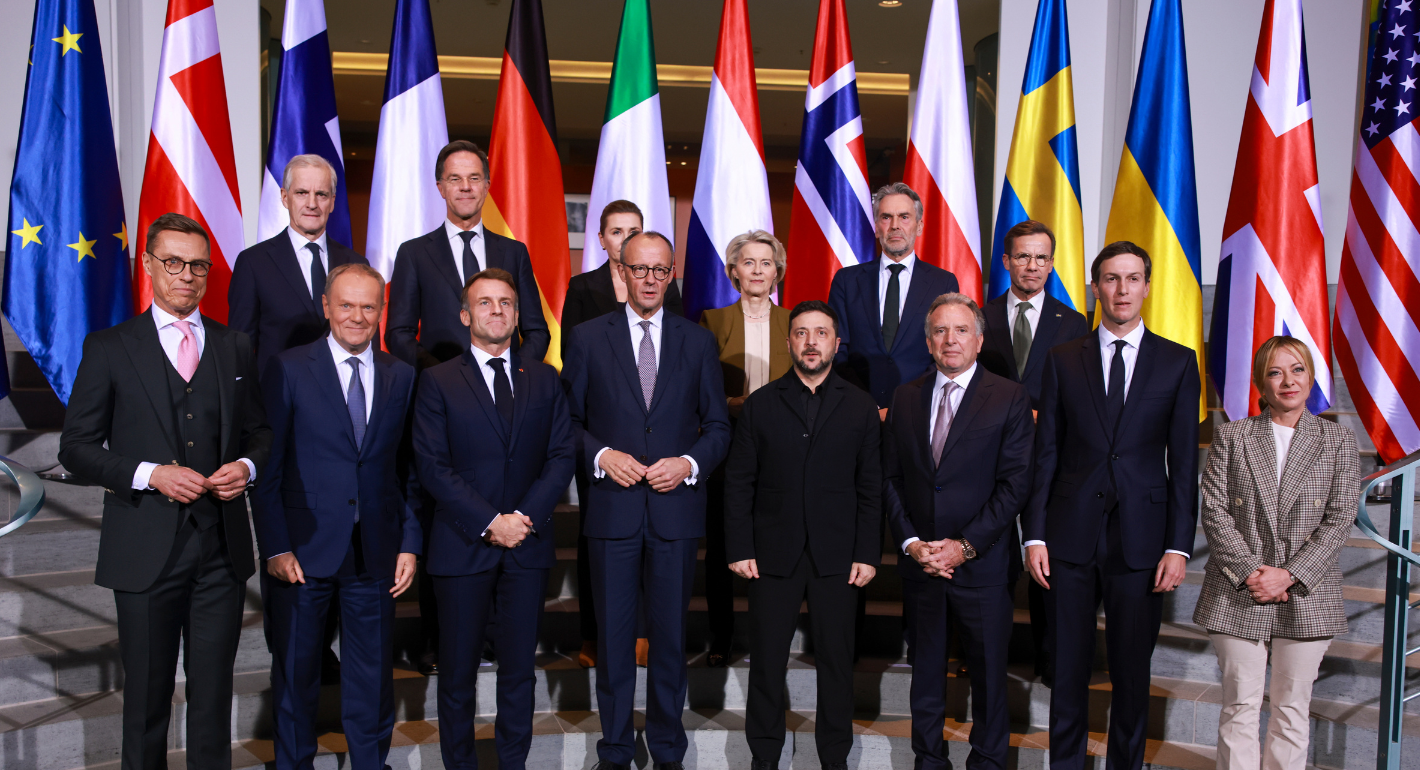
European NATO countries are wrestling with the possibility of U.S. disengagement from the alliance. With the continent’s security increasingly uncertain, governments must restore the credibility of their collective defense.


Hans-Dieter Lucas, Adam Thomson, Pierre Vimont

The domestic impacts of how long it is taking to end the war in Ukraine have pushed the French electorate to the political extremes and compromised the country’s diplomatic capacity.
Rym Momtaz

The new U.S.–Denmark–Greenland agreement will help Washington exert political, economic, and financial dominance under the guise of security. Yet, it acknowledged Copenhagen’s and Nuuk’s sovereignty on the island.

Marc Pierini

A summer of escalation in the Black Sea has hurt Ukraine economically and is exacerbating world food security. A truce is needed—as is a broader reframing of Europe’s Ukraine strategy.

Thomas de Waal