

Article
Cara Abercrombie
{
  "authors": [
    "Cara Abercrombie"
  ],
  "type": "other",
  "centerAffiliationAll": "dc",
  "centers": [
    "Carnegie Endowment for International Peace"
  ],
  "collections": [],
  "englishNewsletterAll": "ctw",
  "nonEnglishNewsletterAll": "",
  "primaryCenter": "Carnegie Endowment for International Peace",
  "programAffiliation": "SAP",
  "programs": [
    "South Asia"
  ],
  "projects": [],
  "regions": [
    "North America",
    "United States",
    "South Asia",
    "India"
  ],
  "topics": [
    "Security",
    "Military",
    "Foreign Policy"
  ]
}
Source: Getty
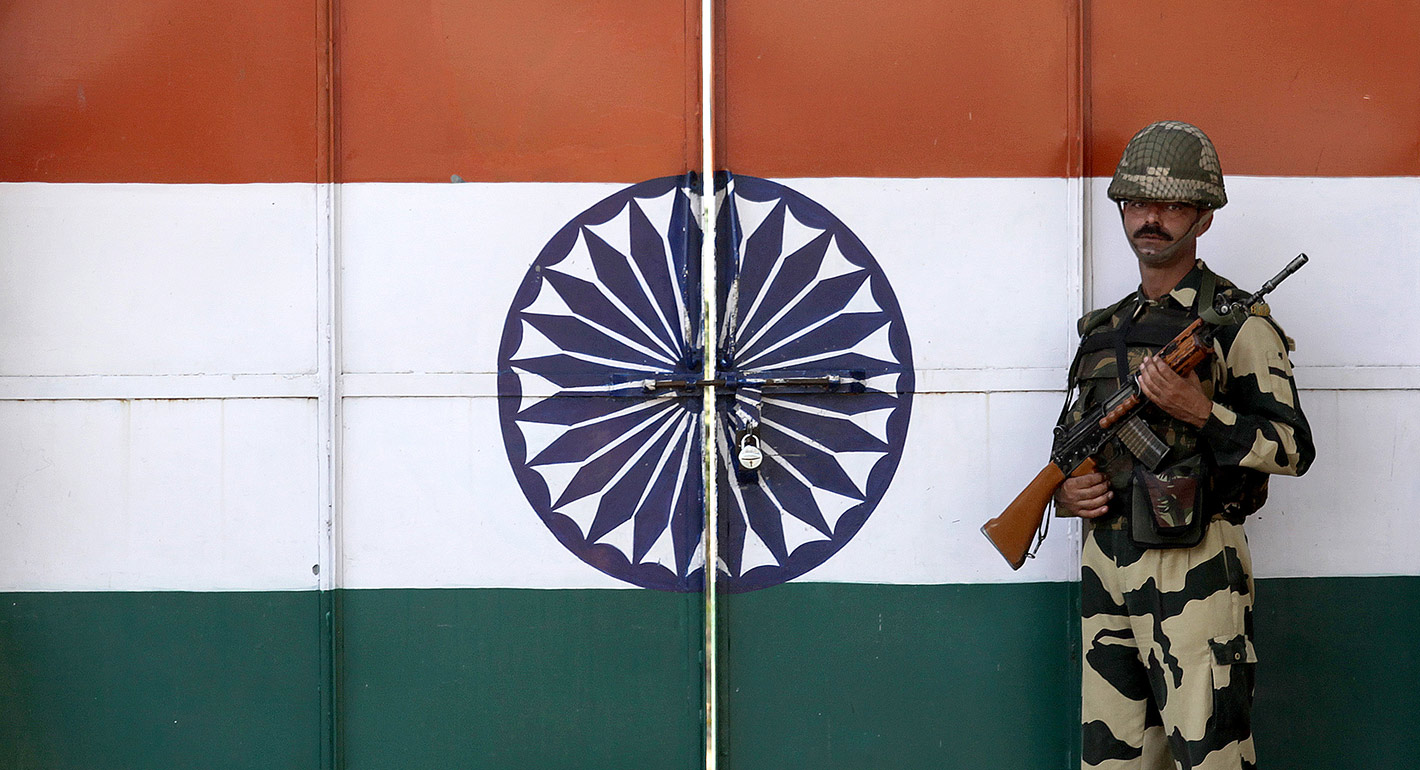
The defense and security dimension of the U.S.-India strategic partnership, despite demonstrating significant growth and progress in recent years, still lacks the maturity critical to enabling the cooperation envisioned.
Source: National Bureau of Asian Research
The U.S.-India global strategic partnership, now well into its second decade, has continued to be a priority for successive governments in both countries because of its tremendous economic and security potential. Washington and New Delhi have demonstrated the political will to propel robust cooperation and have begun to put into place the architecture of a mature relationship. Yet the overall output resulting from numerous dialogues, military exercises, and engagements and the tangible impact on Indian and U.S. security objectives are less than one would expect given the level of input and the number of years spent working toward these goals. Additional effort is required to habituate the type of cooperation the U.S. typically enjoys with its closest allies and partners and realize the relationship’s full potential.
This article was originally published by the National Bureau of Asia Research.
Former Visiting Scholar, South Asia Program
Cara Abercrombie was a visiting scholar with Carnegie’s South Asia Program. She focuses on U.S. security interests in Asia, particularly opportunities for greater U.S.-India defense cooperation.
Recent Work
Cara Abercrombie
Carnegie does not take institutional positions on public policy issues; the views represented herein are those of the author(s) and do not necessarily reflect the views of Carnegie, its staff, or its trustees.

Funding Ukraine remains a priority for European leaders. As Russia’s war of aggression heads into another winter, two feasible options to mobilize support for Kyiv should be fast-tracked.


Vladyslav Rashkovan, Gregory P. Wilson

While the EU and European governments are embracing the much-lauded middle-power moment, this entails three difficult conundrums.

Richard Youngs

Europe is facing rising populism internally as well as external pressures from Russia, China, Turkey, and the United States.

Dimitar Bechev

Much has been said of the changes Brussels is trying to make to the EU enlargement process. Here’s why gradual integration might—or might not—be the answer.
Dimitar Bechev

The European Commissioner for Trade is headed to China. But after President Xi’s bridge-building visit to Washington, can a more isolated EU overcome Beijing’s stranglehold on critical raw materials? Who will blink first?

Rym Momtaz, ed.