

Paper
- +3
Rajesh Bansal, Anirudh Burman, Rudra Chaudhuri, …
{
  "authors": [
    "Srinath Raghavan"
  ],
  "type": "legacyinthemedia",
  "centerAffiliationAll": "",
  "centers": [
    "Carnegie Endowment for International Peace",
    "Carnegie India"
  ],
  "collections": [],
  "englishNewsletterAll": "",
  "nonEnglishNewsletterAll": "",
  "primaryCenter": "Carnegie India",
  "programAffiliation": "",
  "programs": [],
  "projects": [],
  "regions": [
    "South Asia",
    "Pakistan",
    "India",
    "China"
  ],
  "topics": [
    "Foreign Policy"
  ]
}
Source: Getty
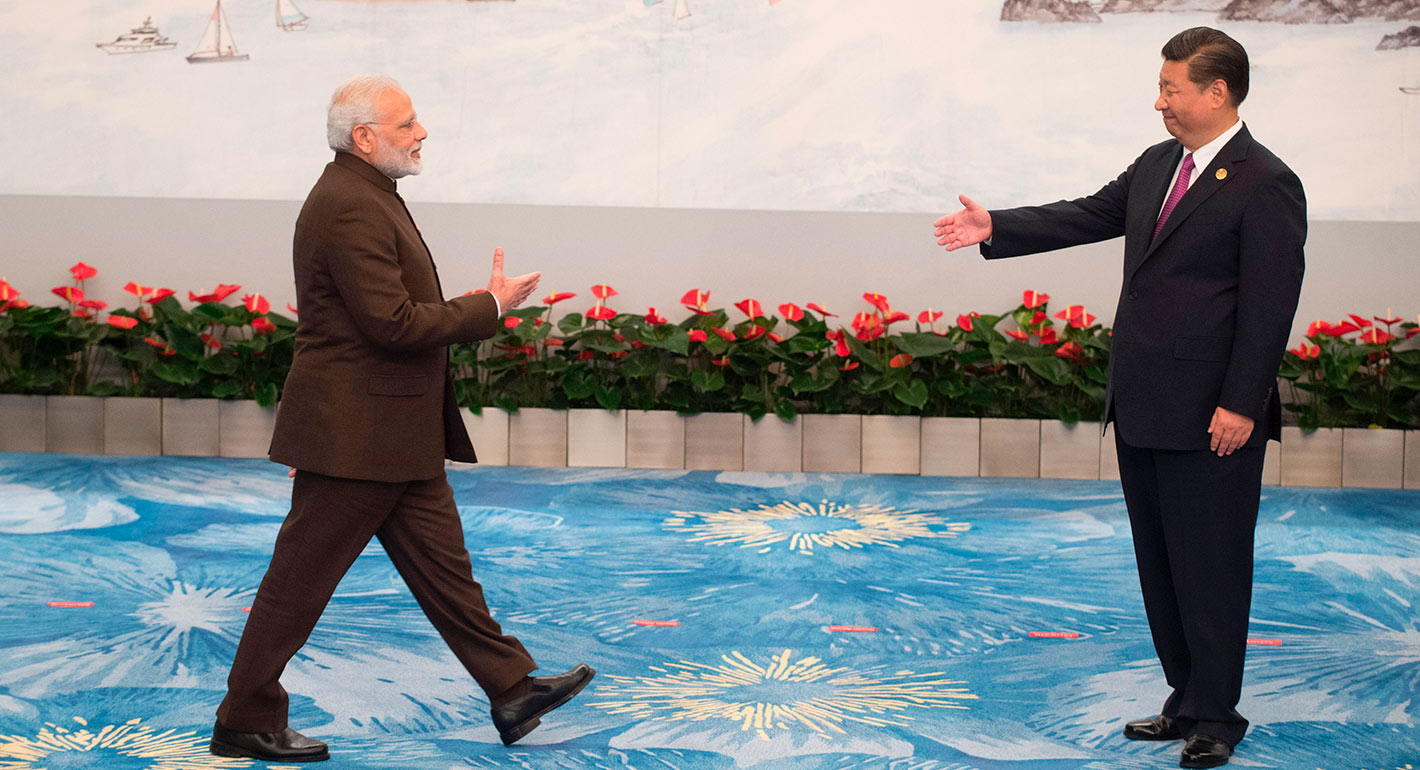
New Delhi’s efforts should be geared toward getting China to yet again calibrate its approach to India and Pakistan.
Source: Print
The Chinese People’s Liberation Army Air Force has sent a contingent of its J-10 fighter jets to participate in Pakistan’s National Day celebrations on 23 March. This is not the first time that Chinese aircraft have performed in Pakistan. Yet, coming on the heels of the recent India-Pakistan standoff, this is evidently an affirmation of China’s “all-weather” friendship with Pakistan.
China’s decision to impose yet again a technical hold on listing Masood Azhar on the United Nations’ list of terrorists has already complicated India’s diplomatic efforts against terrorism. Although the Prime Minister Narendra Modi-led government has taken a sober line on this issue and avoided a confrontational stance towards China, it is imperative for New Delhi to nudge Beijing towards a more balanced posture between India and Pakistan.

Nonresident Senior Fellow
Srinath Raghavan is a nonresident senior fellow at Carnegie India. His primary research focus is on the contemporary and historical aspects of India’s foreign and security policies.
Recent Work


Rajesh Bansal, Anirudh Burman, Rudra Chaudhuri, …
Srinath Raghavan
Carnegie does not take institutional positions on public policy issues; the views represented herein are those of the author(s) and do not necessarily reflect the views of Carnegie, its staff, or its trustees.
While Russia is not ready to sue for peace on Europe’s terms, it could still either seek a ceasefire in Ukraine or try escalation. Brussels needs to prepare for both and prioritize that preparation over normative discussions.
Kadri Liik

Autonomous AI agents are increasingly prevalent in cyberspace. The EU needs a real-time monitoring strategy, to invest in AI defenses, and to reduce its strategic dependence on U.S. frontier models.


Raluca Csernatoni, Patryk Pawlak
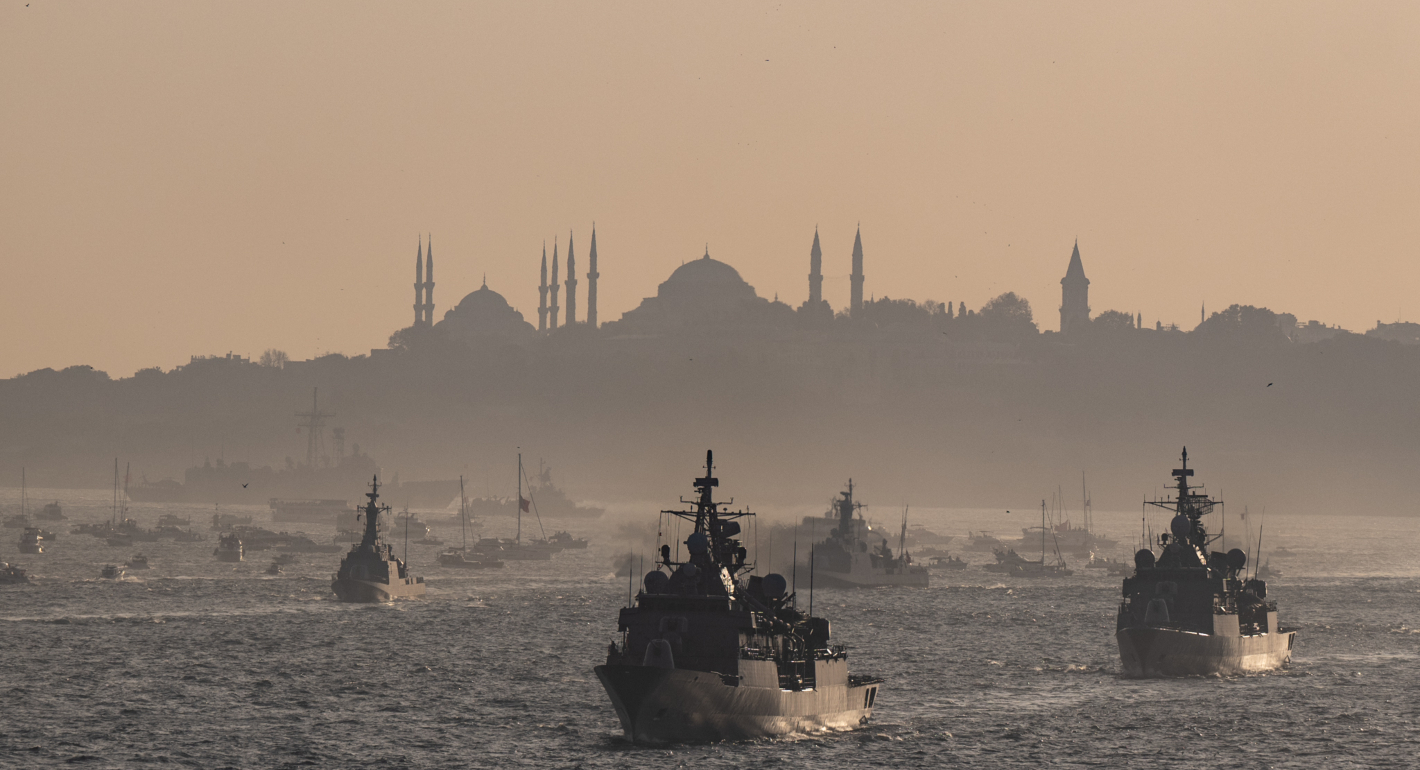
For ninety years, Turkey has been positioned as the principal gatekeeper of Black Sea security. As a result, European and NATO efforts to support Ukraine will require closer engagement with Ankara.

Thomas de Waal

Western Europe’s dual-use infrastructure melted down during its latest heat wave. If a predicted hot weather event can take the continent by surprise, what chance does it have to withstand unexpected geopolitical crises?

Rym Momtaz
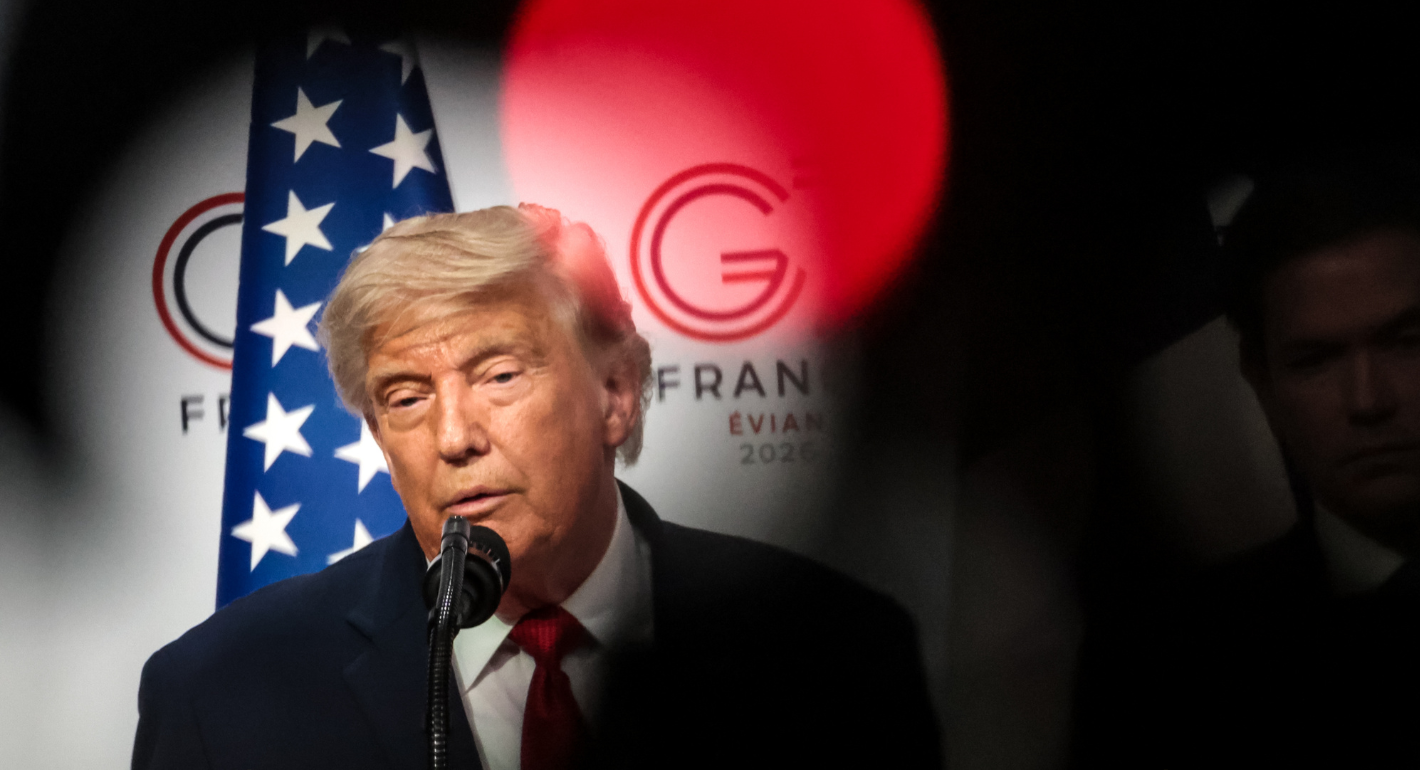
There is an elephant in the room when it comes to the EU’s upcoming security strategy: Donald Trump. Unless European leaders acknowledge the depth of the transatlantic crisis, true autonomy will remain out of reach.

Stefan Lehne