

Article
- +1
Rudra Chaudhuri, Tejas Bharadwaj, Konark Bhandari, …
{
  "authors": [
    "Rudra Chaudhuri"
  ],
  "type": "other",
  "centerAffiliationAll": "",
  "centers": [
    "Carnegie Endowment for International Peace",
    "Carnegie India"
  ],
  "collections": [],
  "englishNewsletterAll": "",
  "nonEnglishNewsletterAll": "",
  "primaryCenter": "Carnegie India",
  "programAffiliation": "",
  "programs": [],
  "projects": [
    "Security Studies"
  ],
  "regions": [
    "United States",
    "Asia",
    "South Asia",
    "Pakistan",
    "India"
  ],
  "topics": [
    "Foreign Policy"
  ]
}
Source: Getty
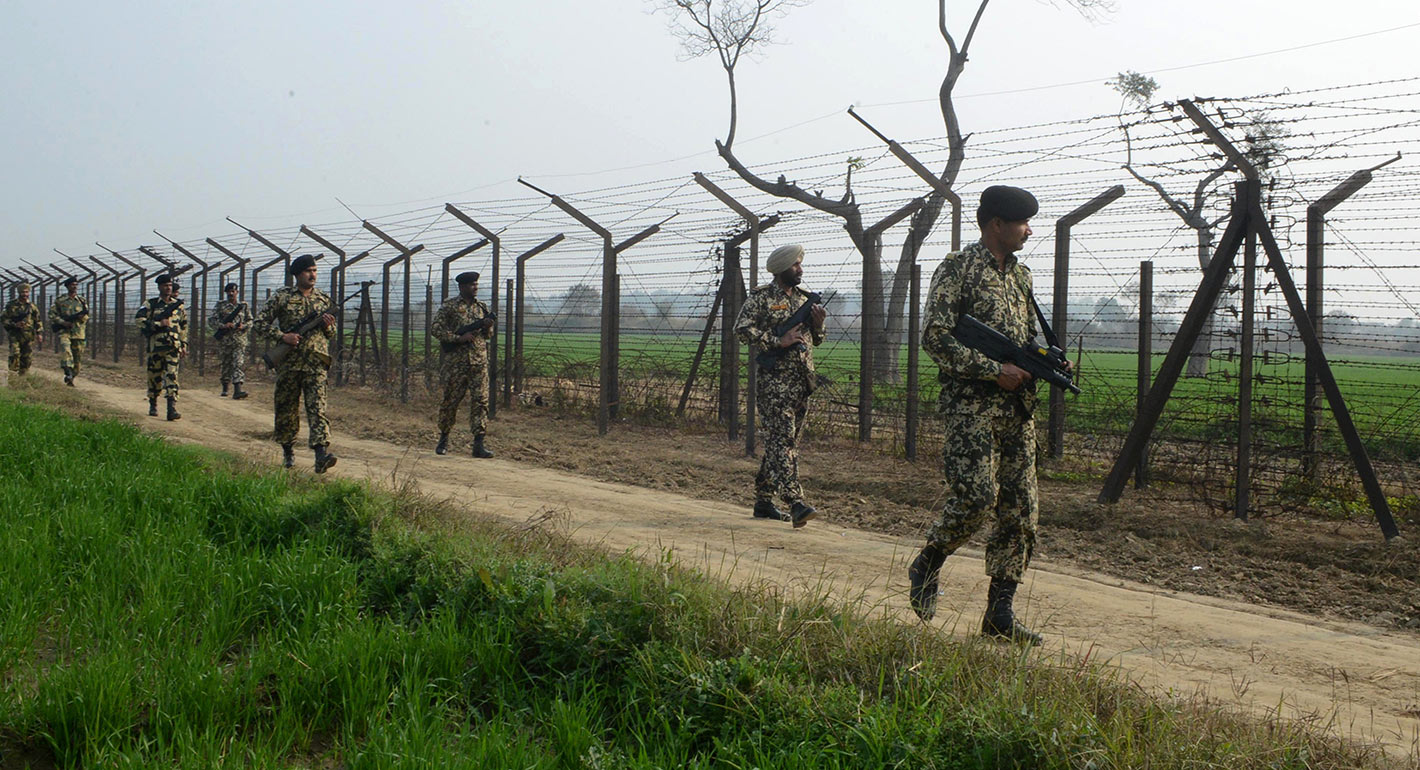
Pakistani President Ayub Khan learnt that military escalation is difficult, if not impossible, to control during the 1965 India-Pakistan War.
Source: Journal of Strategic Studies
Pakistani President Ayub Khan learnt that military escalation is difficult if not impossible to control during the 1965 India-Pakistan War. Ayub Khan and Zulfikar Ali Bhutto developed a strategy to wrest control of Jammu and Kashmir based on four assumptions. First, that Kashmir was ripe for rebellion. Second, that India did not have an appetite for war following her defeat to China in 1962. Third, a military solution to the Kashmir dispute was time bound, as India’s massive military imports would make conventional conflict redundant by the end of the 1960s. Lastly, and perhaps most importantly, Khan betted that Indian retaliation would be controlled because of what he believed to be the United States' and the UK’s inherent interest in a stable South Asia. He was wrong on all four counts. This article underlines why gambling on external support in matters of military adventurism is a dicey strategy at best, and a disaster at worst.
This article was originally published in a special issue of the Journal of Strategic Studies.

Former Director, Carnegie India
Rudra Chaudhuri was the director of Carnegie India. His research focuses on the diplomatic history of South Asia, contemporary security issues, and the important role of emerging technologies and digital public infrastructure in diplomacy, statecraft, and development. He and his team at Carnegie India chair and convene the Global Technology Summit, co-hosted with the Ministry of External Affairs, Government of India.
Recent Work


Rudra Chaudhuri, Tejas Bharadwaj, Konark Bhandari, …
Rudra Chaudhuri
Carnegie does not take institutional positions on public policy issues; the views represented herein are those of the author(s) and do not necessarily reflect the views of Carnegie, its staff, or its trustees.

Are Germany’s economic, industrial, and political struggles becoming a liability for the EU’s ability to rise to the geopolitical moment?

Rym Momtaz, ed.

European Commission President Ursula von der Leyen is about to give her annual address on the state of the EU. Here’s what she won’t—but should—say.
Rym Momtaz

Radical-right parties are expected to do well in upcoming elections in four of the EU's biggest member states. If successful, they could prevent the union from addressing key challenges ahead.

Stefan Lehne

The aftermath of the Ceuta crisis shows Europe has drawn the wrong lessons. Rather than doubling down on failed migration policies, the EU needs to address the underlying roots of such episodes.

Richard Youngs

Canadian Prime Minister Mark Carney has twice inspired praise for standing up to U.S. President Donald Trump: at the 2026 World Economic Forum in Davos and on Canada-U.S. trade negotiations. Is Carney showing a third way better than the EU has in dealing with the Trump administration?
Rym Momtaz, ed.