

Commentary
Peter Kellner
{
  "authors": [
    "Peter Kellner"
  ],
  "type": "legacyinthemedia",
  "centerAffiliationAll": "dc",
  "centers": [
    "Carnegie Endowment for International Peace",
    "Carnegie Europe"
  ],
  "collections": [
    "Brexit and UK Politics"
  ],
  "englishNewsletterAll": "ctw",
  "nonEnglishNewsletterAll": "",
  "primaryCenter": "Carnegie Europe",
  "programAffiliation": "EP",
  "programs": [
    "Europe"
  ],
  "projects": [],
  "regions": [
    "Europe",
    "Western Europe",
    "United Kingdom",
    "Iran"
  ],
  "topics": [
    "Political Reform"
  ]
}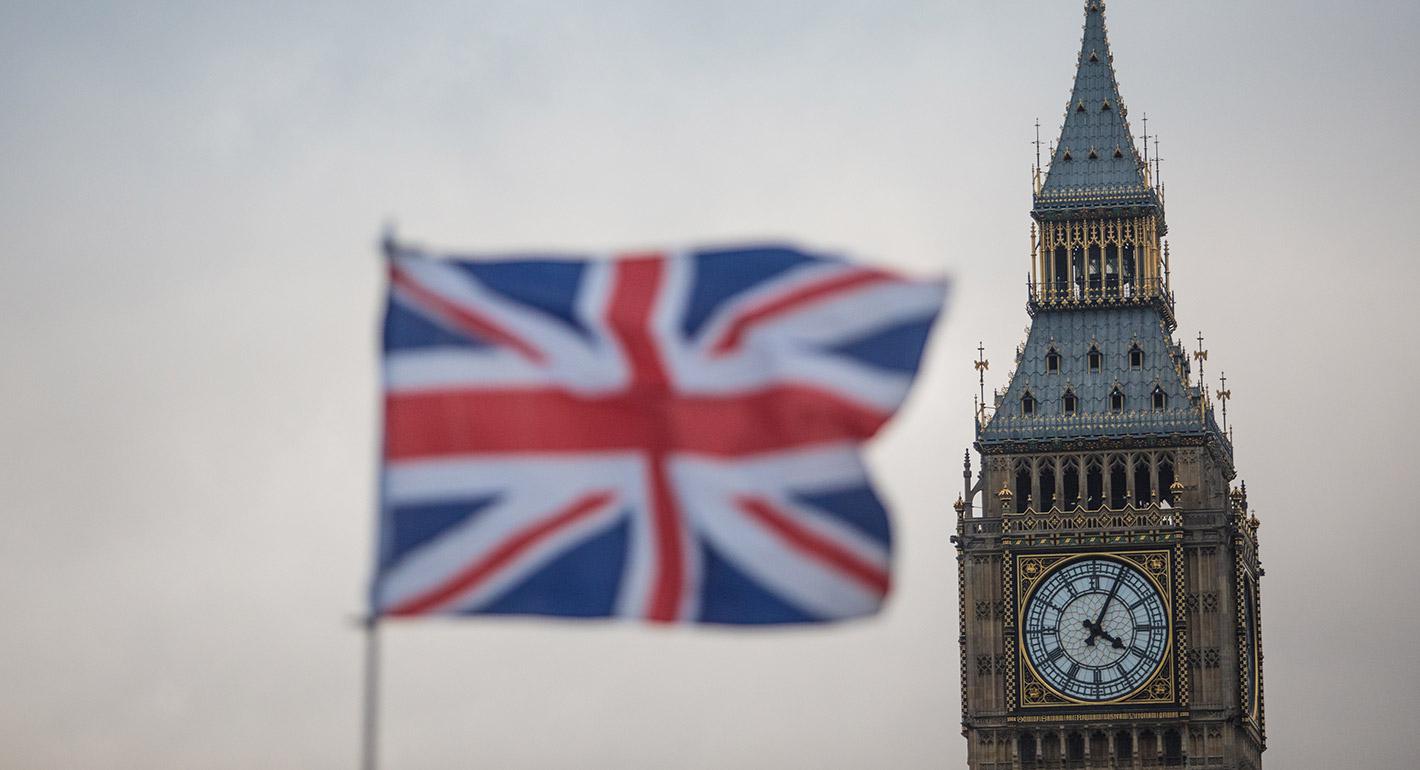
Source: Getty
The new leader of the Labour Party has already established full control of his party. He now has the power to set its course for the next years—but he must deal with two urgent challenges first.
Source: Prospect Magazine
It is hard to overstate the significance of Jennie Formby’s departure as the Labour Party’s general secretary. She was the last important survivor of the Corbyn era. Keir Starmer has taken just one month to dismantle the ancient regime and establish complete control over the party. He now has the power to set its course for the rest of this parliament. He must decide how to use it.
The speed with which he has acted so far has been as admirable as it has been brutal. On the day of his election as party leader, three pro-Corbynites were voted off the national executive and replaced by Starmer loyalists. This gave him a majority on the national executive committee. During the first week, he sacked prominent Corbynites such as Ian Lavery, John Trickett and Shami Chakrabarti from the shadow cabinet. With others choosing to stand down, such as John McDonnell and Diane Abbott, the ideological makeover was made complete. Of those close to Corbyn, only Rebecca Long-Bailey remains at Labour’s top table, and she has been demoted from the business and energy portfolio to education.However, while Formby remained in office, Starmer did not fully have control of the party organisation. Now, in the wake of her resignation, he has. He can count on the loyalty of all three of Labour’s pillars—shadow cabinet, national executive and party machine. It is an important moment in Labour’s history; and if the Johnson administration stumbles, it could prove to be an important moment for British politics as a whole.
What now?
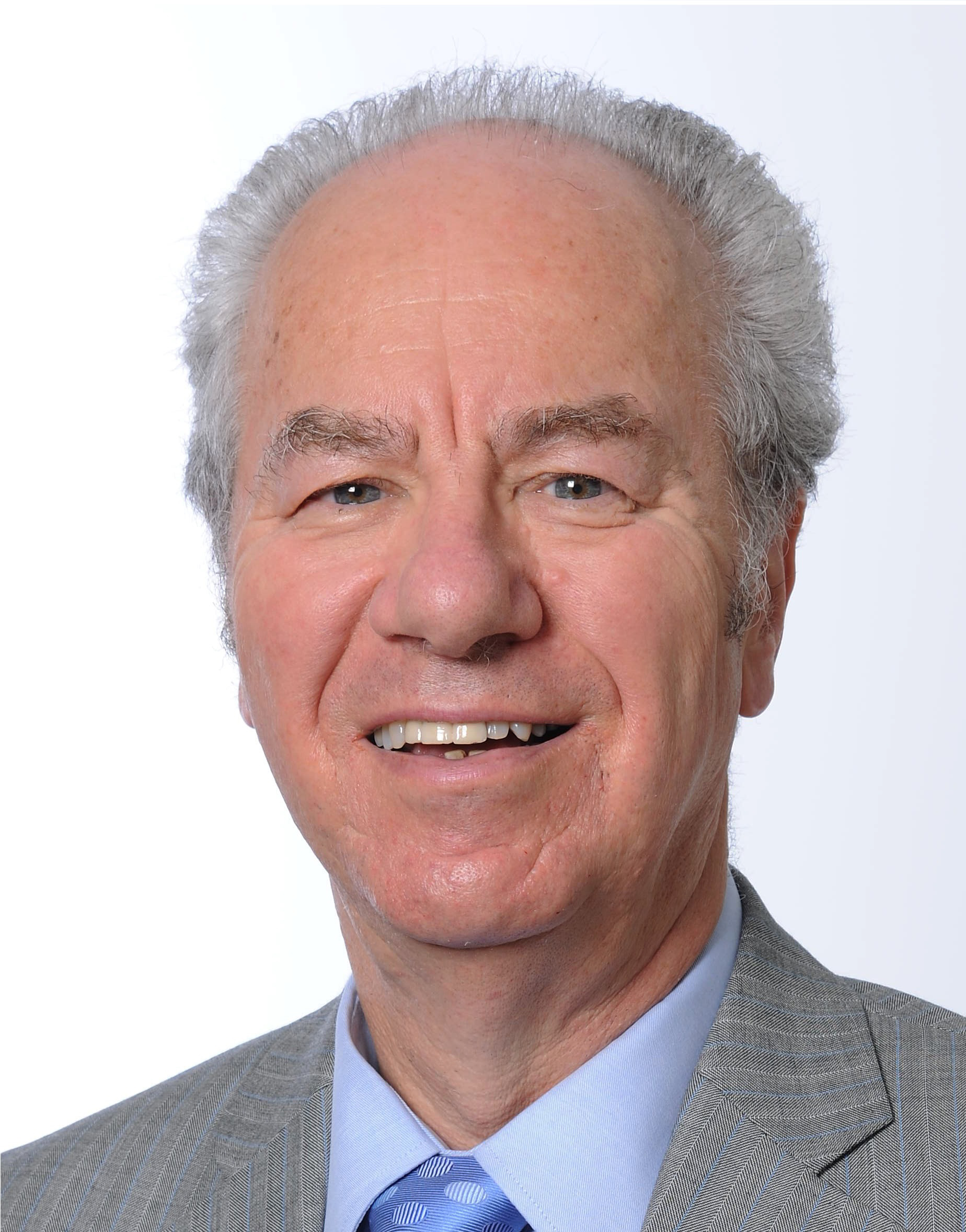
Former Nonresident Scholar, Carnegie Europe
Kellner was a nonresident scholar at Carnegie Europe, where his research focused on Brexit, populism, and electoral democracy.
Recent Work
Peter Kellner
Peter Kellner
Carnegie does not take institutional positions on public policy issues; the views represented herein are those of the author(s) and do not necessarily reflect the views of Carnegie, its staff, or its trustees.

The EU is putting together a new security strategy to meet today’s myriad challenges. But for any proposal to be effective, the union needs to grapple with its identity and ambitions.

Pierre Vimont
Three years after the Ohrid Agreement, Kosovo and Serbia remain far from normalization. To revive implementation, the EU should abandon its ambiguity and act as an even-handed arbitrator.

Miloš Pavković, Fitim Gashi, Iliriana Gjoni, …

The EU’s new migration policy is not suited to today’s realities. With climate change increasingly becoming a driver of displacement, Europe needs to rethink its deterrence-focused approach.

Shana Tabak
The battle over free speech has taken center stage since U.S. Vice President JD Vance accused Europe of censorship. From travel bans to social media regulation, especially around the Israel-Palestine conflict, are liberal democratic governments weaponizing free speech?

Rym Momtaz, ed.
Europe seems to have accepted its sidelining in the Middle East. The EU must reassert its support for the international rules-based order and step up engagement.
Rym Momtaz