

Q&A
Dara Massicot, Aaron David Miller, Andrew S. Weiss
{
  "authors": [
    "Aaron David Miller"
  ],
  "type": "legacyinthemedia",
  "centerAffiliationAll": "",
  "centers": [
    "Carnegie Endowment for International Peace",
    "Malcolm H. Kerr Carnegie Middle East Center"
  ],
  "collections": [],
  "englishNewsletterAll": "",
  "nonEnglishNewsletterAll": "",
  "primaryCenter": "Carnegie Endowment for International Peace",
  "programAffiliation": "",
  "programs": [],
  "projects": [],
  "regions": [
    "Middle East",
    "Israel",
    "Palestine",
    "Levant"
  ],
  "topics": [
    "Political Reform",
    "Security"
  ]
}
Source: Getty
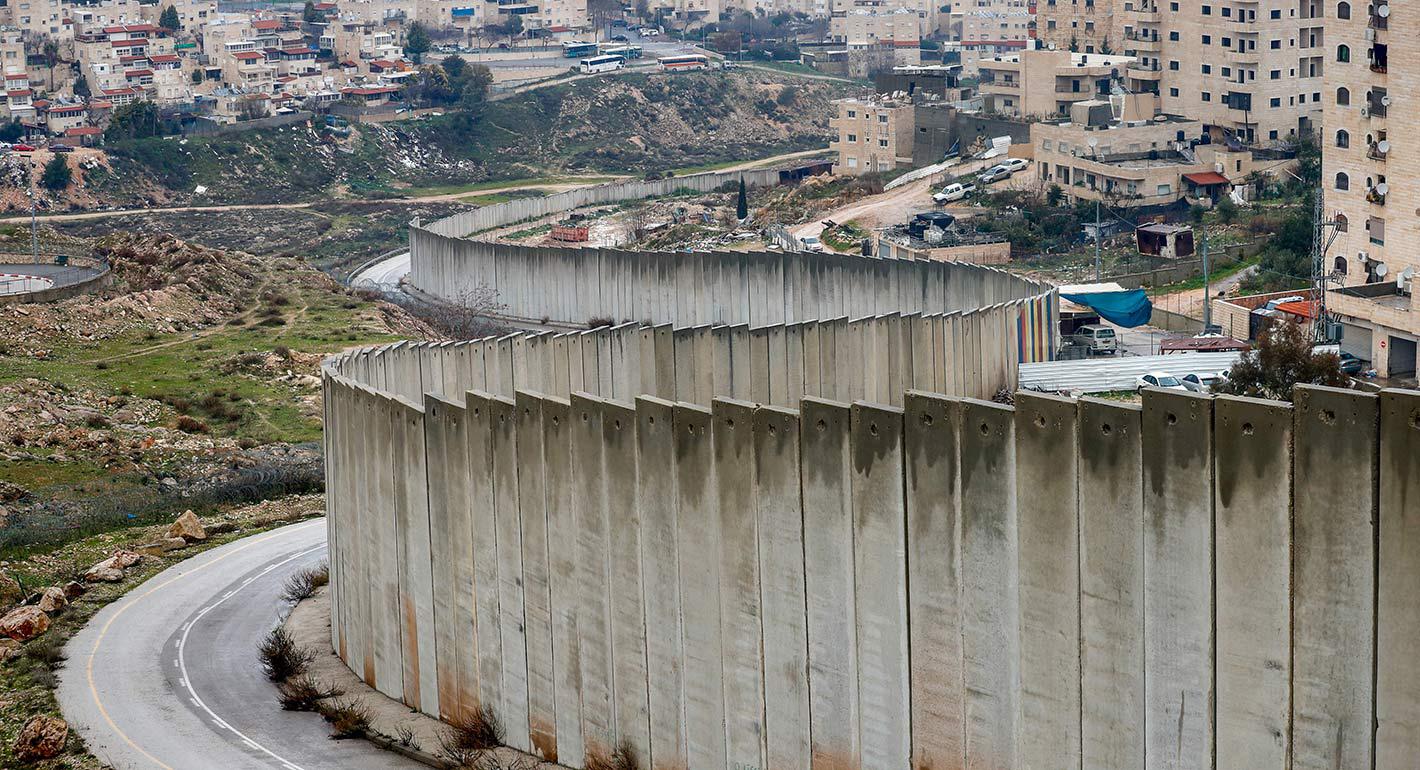
Applying Israeli law to much of the West Bank would mean the irreversible end of the Palestinian statehood project, making Netanyahu the prime minister who not only buried the two-state solution but annexed choice West Bank real estate.
Source: Foreign Affairs
Israel could soon begin the process of annexing some of the West Bank. Prime Minister Benjamin Netanyahu’s pledge to unilaterally apply Israeli law to portions of the territory—virtually guaranteeing their the permanent retention by Israel—looms alongside an even larger elephant in the room: Netanyahu is well on his way to ensuring that a real Palestinian state based on June 1967 borders with a capital in East Jerusalem goes the way of the dodo. Regardless of what happens with annexation, that will be his legacy—and it will likely be an irreversible one.
Leaders inside and outside the Middle East are now practically begging Netanyahu to show restraint. In recent weeks, the debate in Israel has shifted from whether to annex to how much to annex, underscoring the extent to which the game is being played on his terms. The Israeli prime minister faces trial for bribery, fraud, and breach of trust; a challenge from unruly right-wing coalition partners; a resurgence of COVID-19; an economic recession; and the perpetual problem of Iran. But if staying in power and permanently closing the door on the creation of a real Palestinian state are his immediate goals, he is winning, with a good deal of wind at his back.

Senior Fellow, American Statecraft Program
Aaron David Miller is a senior fellow at the Carnegie Endowment for International Peace, focusing on U.S. foreign policy.
Recent Work

Dara Massicot, Aaron David Miller, Andrew S. Weiss



Sophia Besch, Eric Ciaramella, Steve Feldstein, …
Carnegie does not take institutional positions on public policy issues; the views represented herein are those of the author(s) and do not necessarily reflect the views of Carnegie, its staff, or its trustees.

Are Germany’s economic, industrial, and political struggles becoming a liability for the EU’s ability to rise to the geopolitical moment?

Rym Momtaz, ed.

European states control several Overseas Countries and Territories around the world that carry strategic, economic, and environmental weight. As great powers challenge the rules-based order, defending them is a geopolitical imperative for Europe.

Marc Pierini

Mounting economic strain and battlefield losses will not necessarily make the Kremlin less dangerous. They could instead push Moscow toward a more aggressive hybrid campaign designed to test NATO’s Eastern flank, exploit allied hesitation, and fracture European resolve.

Maksym Beznosiuk

Over the past ten years, NATO has held almost as many summits as it did during the entirety of the Cold War. Are they still useful, or is it time to stop holding annual meetings?
Rym Momtaz, ed.

As the EU confronts profound challenges, several leaders have called for fundamental reform to the union’s model—but only modest, superficial changes have resulted. What if Europe really could be reimagined from zero today: What should such a redesigned European order look like?

Richard Youngs, ed.