

Commentary
Trump is distracted and Ukraine wants Europe to step up. The continent’s leaders must find their voice and assert it in talks with Russia.
Alissa de Carbonnel
{
  "authors": [
    "Yukon Huang",
    "Jeremy Smith"
  ],
  "type": "legacyinthemedia",
  "centerAffiliationAll": "dc",
  "centers": [
    "Carnegie Endowment for International Peace"
  ],
  "collections": [],
  "englishNewsletterAll": "asia",
  "nonEnglishNewsletterAll": "",
  "primaryCenter": "Carnegie Endowment for International Peace",
  "programAffiliation": "AP",
  "programs": [
    "Asia"
  ],
  "projects": [],
  "regions": [
    "North America",
    "United States",
    "East Asia",
    "China"
  ],
  "topics": [
    "Economy",
    "Trade",
    "Foreign Policy"
  ]
}
Source: Getty
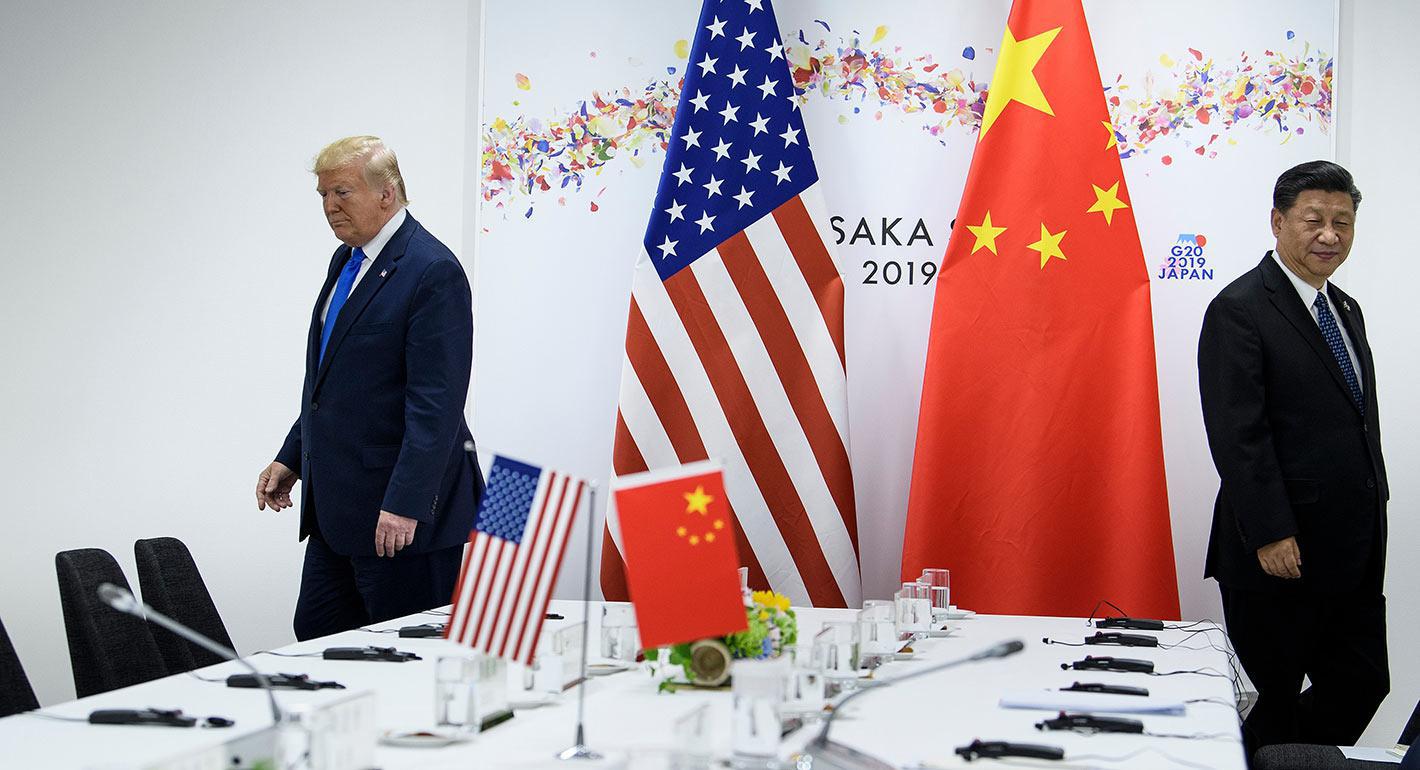
China’s rise was made possible by its integration into a rules-based international system. Competitive pressures and sensitivities, however, strained relations with many of its key trading partners.
Source: Diplomat
Over decades, trade transformed China into a major economic power with extensive commercial links throughout the world. By 2012, China had become the largest trading partner of 124 countries, well exceeding the comparable figure of 76 for the United States. But as trade remade China, in the process China also remade world trade. It began with China’s emergence as the center of global supply chains, then again with its massive infrastructure program that drove global demand for commodities like iron ore, copper and coal, and most recently by Beijing seeking new export markets outside and within Asia in response to the U.S. trade war.
China’s rise was made possible by its integration into a rules-based international system. Competitive pressures and sensitivities, however, strained relations with many of its key trading partners, especially when Beijing used its economic leverage for strategic interventions throughout Asia and selectively in Europe, Africa and Latin America. Yet China is not alone in using its economic clout for political purposes; the United States, too, has levied sanctions on countries like Iran and Venezuela and used punitive trade measures against China and other nations. Though their interventions differ in nature, the global trading system is ironically now being undermined by the coercive actions of its principal creator and its major beneficiary.

Senior Fellow, Asia Program
Huang is a senior fellow in the Carnegie Asia Program where his research focuses on China’s economy and its regional and global impact.
Jeremy Smith
Former James C. Gaither Junior Fellow, Asia Program
Jeremy Smith was a James C. Gaither Junior Fellow with the Asia Program.
Carnegie does not take institutional positions on public policy issues; the views represented herein are those of the author(s) and do not necessarily reflect the views of Carnegie, its staff, or its trustees.

Trump is distracted and Ukraine wants Europe to step up. The continent’s leaders must find their voice and assert it in talks with Russia.

Alissa de Carbonnel

Mounting economic strain and battlefield losses will not necessarily make the Kremlin less dangerous. They could instead push Moscow toward a more aggressive hybrid campaign designed to test NATO’s Eastern flank, exploit allied hesitation, and fracture European resolve.

Maksym Beznosiuk

Over the past ten years, NATO has held almost as many summits as it did during the entirety of the Cold War. Are they still useful, or is it time to stop holding annual meetings?

Rym Momtaz, ed.
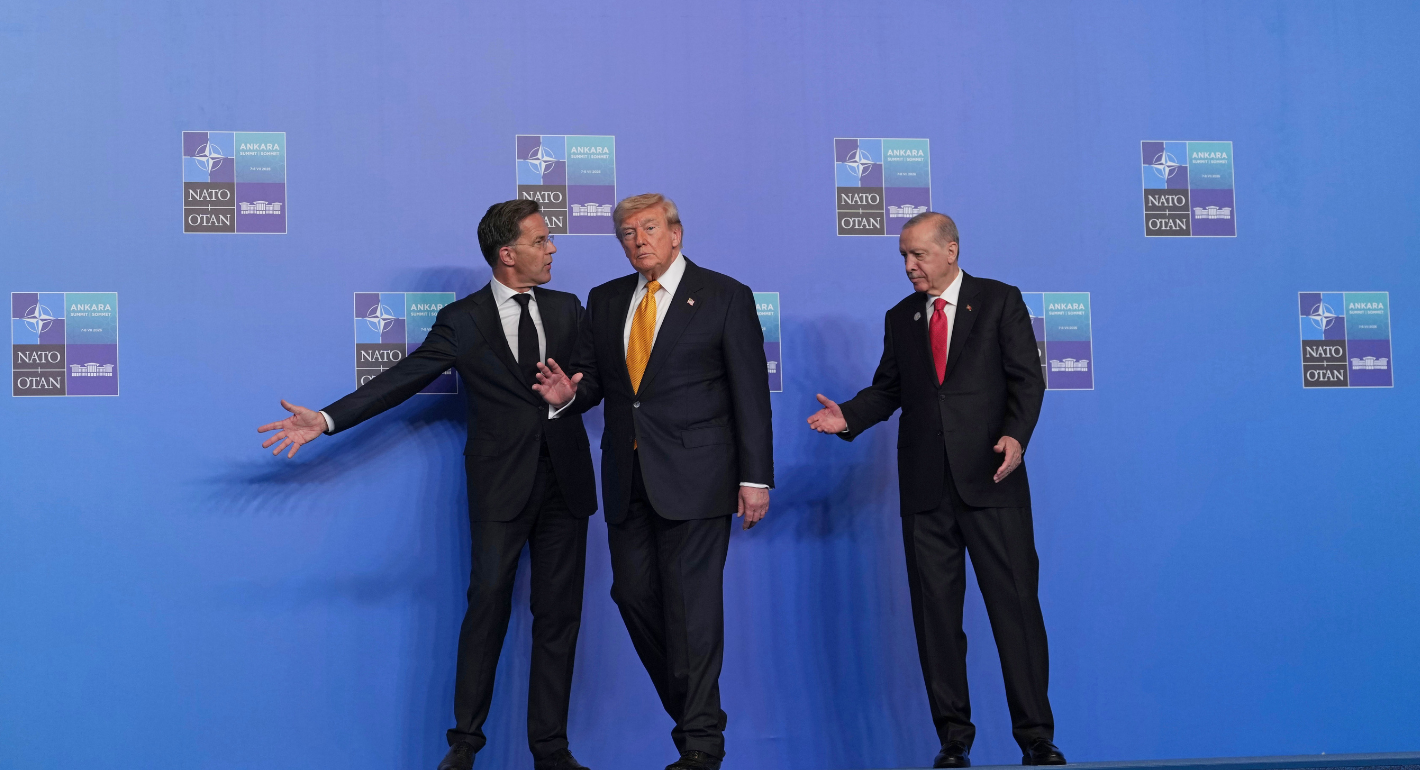
Nearly a year and a half after Europeans leaned into sucking up to Trump, the strategy has produced some benefits when it comes to Ukraine.
Rym Momtaz
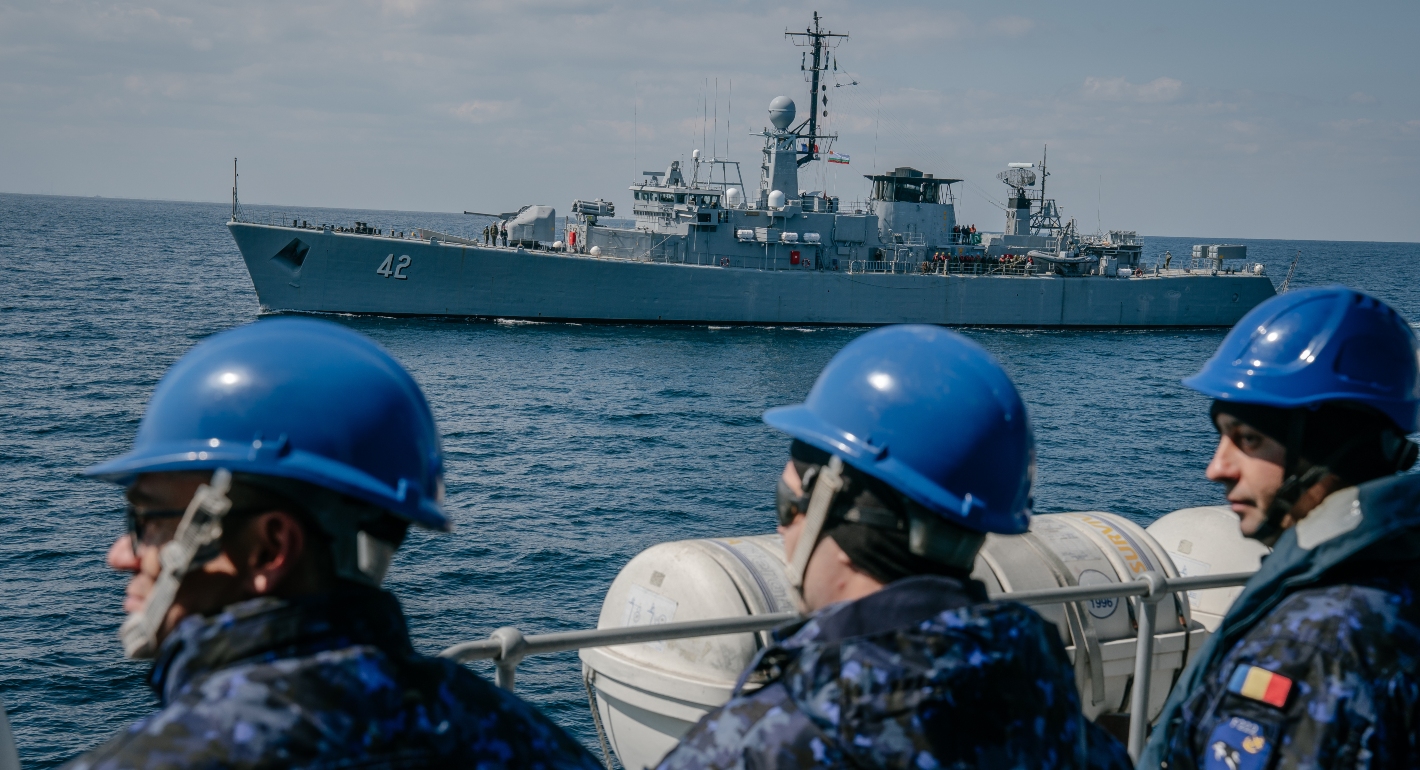
As Russia's war on Ukraine drags on, NATO is expanding its footprint in the Black Sea. Turkey, Romania, and Bulgaria are upgrading their fleets and deepening trilateral cooperation.

Dimitar Bechev