

Event
An event to discuss the role that innovative financing can play in promoting climate mobility solutions
April 14, 2026
{
  "authors": [
    "Alejandro Martin Rodriguez"
  ],
  "type": "commentary",
  "centerAffiliationAll": "dc",
  "centers": [
    "Carnegie Endowment for International Peace"
  ],
  "collections": [
    "Climate Mobility"
  ],
  "englishNewsletterAll": "ctw",
  "nonEnglishNewsletterAll": "",
  "primaryCenter": "Carnegie Endowment for International Peace",
  "programAffiliation": "SCP",
  "programs": [
    "Sustainability, Climate, and Geopolitics"
  ],
  "topics": [
    "Climate Change",
    "Migration",
    "Domestic Politics",
    "Foreign Policy",
    "Global Governance"
  ]
}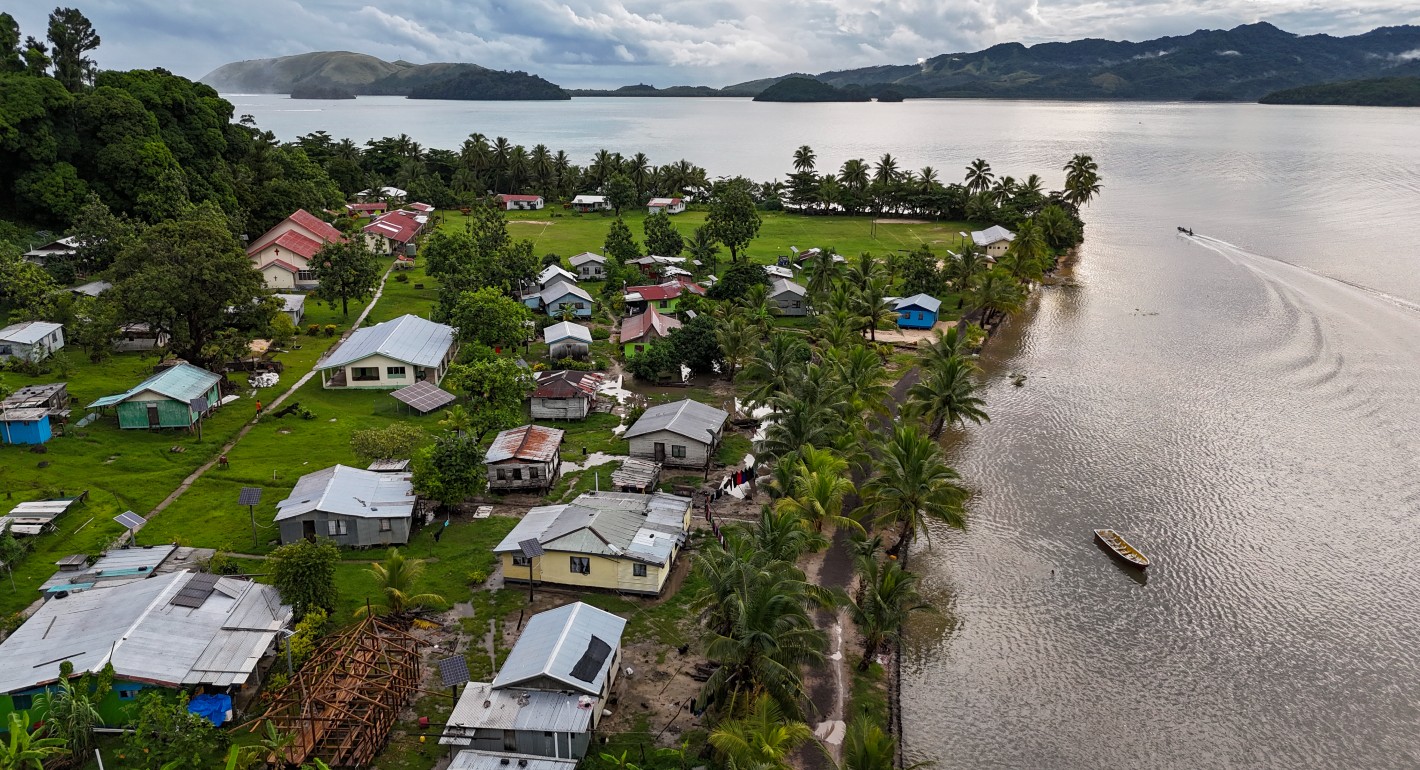
Muani, Fiji, faces risks of storm surge and sea level rise due to climate change and may need to relocate. (Photo by Carolyn Van Houten/Washington Post via Getty Images)
Climate mobility interventions can vary, but they all present opportunities to unlock transformative results that mitigate costs associated with inaction.
Humanitarian and development aid cuts implemented in 2025 by many high-income countries have led to less climate resilience and more forced displacement. Governments seeking to address follow-up risks could prioritize cost-effective funding of climate mobility action.
Human mobility exacerbated by climate change is one of the most pressing issues of the twenty-first century. In 2024, the Internal Displacement Monitoring Centre (IDMC) recorded more than 45 million weather-related disaster displacements globally—the highest figure since it started tracking data in 2008. By 2050, the number of internally displaced people due to climate change could exceed 200 million. This requires governments all over the world to design and deliver efficient policy responses that help address, avert, and minimize climate displacement, which can in turn increase resilience and self-reliance and reduce the need for future assistance.
Yet 2025 witnessed one of the sharpest reductions in investment in climate and migration-related efforts in recent years. This includes what has been labelled as the great aid recession, with humanitarian aid funding in the United States having dropped 81 percent since 2022. In fact, between 2022 and 2025, eight of the ten largest humanitarian aid donors reduced their funding. The impacts of these cuts create ever-more pressing needs, leading to less climate resilience and more forced displacement. In this context, understanding what it means to invest in climate mobility—and the cost-effective returns that can come out of those investments—is essential.
Contrary to what is often perceived by policymakers, investing in climate mobility does not only—or even primarily—mean supporting people on the move across national borders. Climate mobility encompasses cross-border migration but also other forms of mobility, including internal migration, forced displacement, planned relocation, and immobility. The majority of estimated climate-exacerbated displacement over the next decades is expected to take place within countries. These different forms of mobility offer opportunities for investments to help address, avert, and minimize climate displacement.
Climate mobility interventions can vary, but they all present opportunities to unlock transformative results that mitigate costs associated with inaction. In a world struggling to justify increased investment in development and humanitarian efforts, donors and other relevant stakeholders can identify which dimensions of climate mobility action they should prioritize for cost-effective action. Finance is needed across all of these dimensions, and financing each one has its own challenges and benefits, as outlined below.

An event to discuss the role that innovative financing can play in promoting climate mobility solutions
For populations vulnerable to the growing impacts of climate change, leaving one’s home is often a last resort. Supporting their right to stay represents the first opportunity for investment across climate mobility action. Funding programs that empower people to remain in their homes while guaranteeing their livelihoods and enhancing their resilience to climate impacts can help prevent displacement.
In 2023, developed countries spent $25.9 billion in international adaptation finance—far less than the needs of developing countries estimated at more than $300 billion per year by 2035. Developing countries are also financing adaptation efforts through their national budgets, making adaptation financing one of the main sources of funding for climate mobility-related efforts. This pays off: The benefits of investing in interventions on adaptation and resilience exceed their cost by around seven times. The way national governments are already implementing these investments vary, with Saint Kitts and Nevis working to build coastal resilience against climate change impacts and the Dominican Republic focusing on developing a climate-resilient health system, for instance.
Other key actors, including multilateral development banks (MDBs) or philanthropies, can look at examples of investments in climate adaptation finance that help address climate mobility experiences. MDBs have committed billions of dollars on climate finance projects and migration and displacement-related projects, although their portfolios on these two areas are usually not connected. They should learn how to identify responses across climate mobility action that connect their goals on adaptation, resilience, human mobility, and even climate mitigation, such as capacity-building on sustainable agriculture and land use or investing in climate-smart buildings that enhance resilience. The World Bank, for example, is supporting urban flood resilience in Niger in areas that are expected to experience large numbers of climate displacement, potentially contributing to helping people stay in their homes.
Rapid-onset climate events, such as wildfires or hurricanes, cause sudden disruption that can result in short-term—and sometimes longer-term—displacement of impacted populations. Spending financial resources on disaster preparedness and response offers key opportunities for enhanced action on climate mobility. If planned adequately, these responses can also help increase the adaptation and resilience of impacted populations, thus further contributing to efforts across climate mobility action.
One key actor advancing efforts on this dimension is the U.S. Federal Emergency Management Agency, which has spent approximately $11.54 billion in disaster recovery per year since 2015, on average, through its Individuals and Households Program and the Public Assistance Program. The World Bank, another key actor in this space, maintained a portfolio of grants of $95 million at the end of 2024 through its longtime program on disaster preparedness, the Global Facility for Disaster Risk Reduction and Recovery. Spending such as these, working toward increasing short-term sheltering capacity or funding measures to allow impacted populations and communities to stay in place or relocate in an orderly way, for instance, represent interventions across climate mobility action. These interventions are also cost-efficient, as every dollar invested in disaster preparedness can save up to $13 in disaster-related costs.
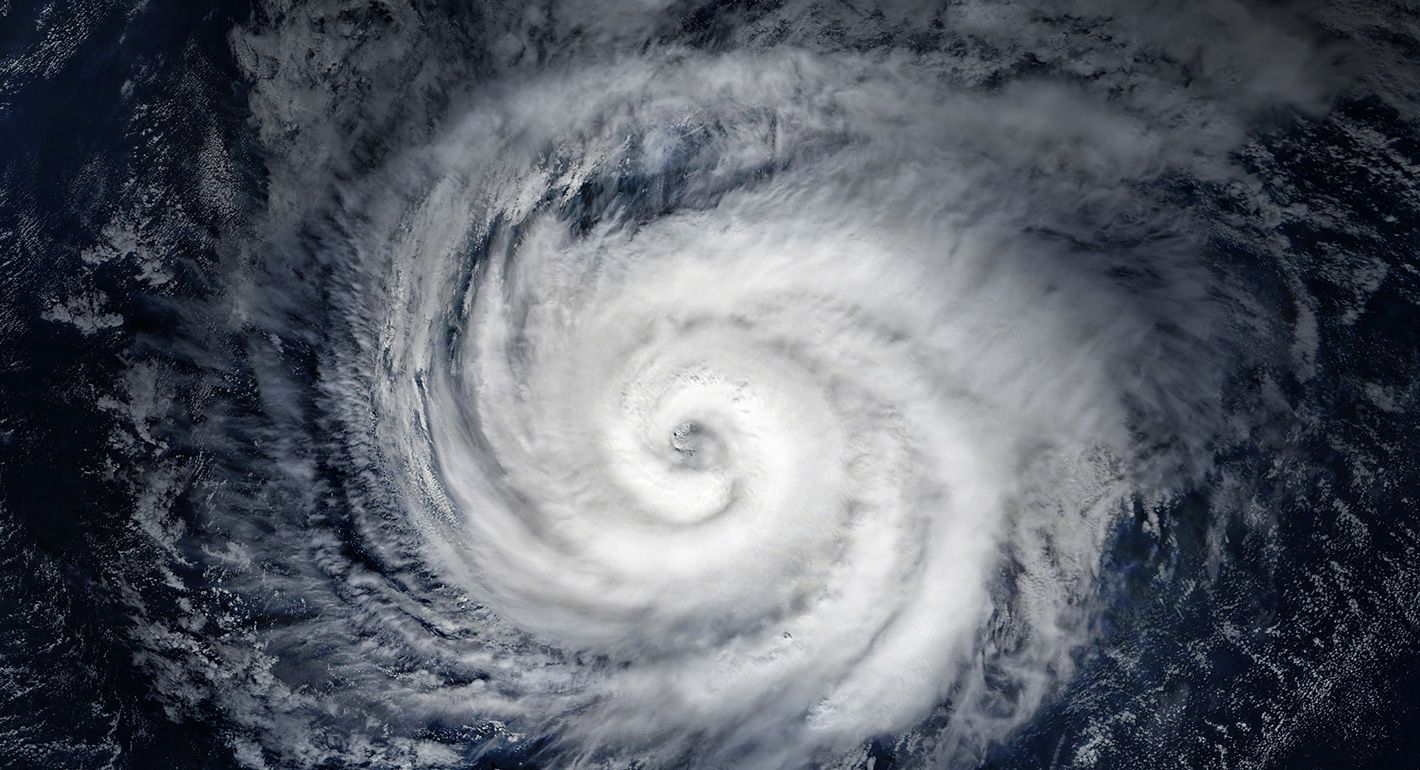
The Disaster Dollar Database is a tool that tracks the major sources of federal funding for disaster recovery in the United States.
Another form of investing in climate mobility is via planned relocations, defined as planned processes in which communities move away from their homes and into new locations where they are aided in rebuilding their lives. In contexts when protecting the right to stay is no longer viable, planned relocation efforts have been designed and implemented to minimize harm to impacted populations while preparing them to leave their homes in an orderly and dignified manner. Even though planned relocations are happening globally, they are often a minefield for authorities.
But this is not a valid reason to avoid them. Planned relocation efforts can succeed if the affected communities are part of the relocation planning process. When done well, they can save lives, protect dignity and rights, and restore a sense of place. Conversely, poorly planned relocations can unintentionally undermine the livelihoods of displaced people and violate their rights.
Internal displacement is estimated to cost countries more than $20 billion per year. Planned relocations can help prevent some of these costs by acting before at-risk populations are forcefully displaced, but there is no reliable global figure for annual spending on relocations. Costs vary widely by context, with some relocations conducted in the United States in the 1990s having required up to $54 million (around $110 million in 2025), and other small community relocations being under $500,000, as was the case for the Fiji village of Vunidogoloa. Ultimately, investing in planned relocations is more cost‑efficient than waiting for forced displacement, given the many economic, social, and long‑term costs that accompany displacement including loss of home, access to emergency shelters, or lost schooling for children, for instance. Planned relocation is a relatively new investment category for governments and development finance institutions, and increased attention and resources are urgently needed.
A different type of climate mobility action is one that helps people move safely and with dignity. These include options that allow for facilitated pathways for climate mobility, such as the Australia-Tuvalu Falepili Union, as well as integration policies that seek to maximize the role that newcomers can bring to their host societies. Effective integration of climate migrants into labor markets represents a particularly cost-effective policy, as it can bring significant benefits to host societies’ economic growth, meeting labor demand, coping with shrinking labor forces in some countries, and even powering the green energy transition.
Key stakeholders capable of implementing these efforts are not only national governments negotiating free movement agreements. They also include, crucially, urban leaders who can design policies to build more inclusive cities and maximize the contribution that newcomers, including both internal and cross-border migrants, can make to their societies. Program interventions on this side of climate mobility action require critical increases in funding. This need can be met by multilateral development banks, as has been the case for efforts to protect access to education for children that have been forced to leave their homes due to droughts and other climate change impacts in East Africa.
For many, experiencing displacement exacerbated by climate change involves experiencing some form of irreversible loss and damage, defined as the negative effects of climate change that happen despite mitigation and adaptation efforts. They include losing one’s home, missing wages, and losing days of schooling, as well as noneconomic losses such as access to traditional or sacred lands. Climate justice approaches require that people impacted by these climate-exacerbated displacements are compensated. Thus, loss and damage financing must be part of the conversation about investing in climate mobility.
Developed nations have pledged more than $800 million to support the recently established Fund for Responding to Loss and Damage (FRLD), aimed at providing financial support to developing countries that are impacted by climate change. The FRLD is starting to distribute the first $250 million via its Barbados Implementation Modalities in 2026, which represents a unique opportunity for displaced communities. Scaling efforts to address mobility-related loss and damage requires that more countries commit further financial pledges to the fund.

Senior climate, finance, and mobility experts discuss how the Fund for Responding to Loss and Damage could unlock financing for climate mobility.
One of the most fundamental consequences of a warming planet is how it changes where people can live—with or without dignity. The mobility-related impacts of climate change represent a thread that touches humanitarian and development efforts all over the world and beyond. These impacts can be addressed, minimized, or mitigated with a range of climate mobility actions, which can help relevant actors identify which cost-effective interventions can be funded while enhancing resilience and empowering impacted communities.
In light of increasingly limited resources and growing needs among vulnerable populations, financiers need to invest in transformative efforts that deliver outsized, cross‑sector benefits. This requires them to look more closely at how climate mobility is embedded in their existing work, as shown in these five dimensions, and to prioritize it to maximize positive economic and social returns on their investment.
For more, register to attend Carnegie’s upcoming Financing Innovations in Climate Mobility event.

Fellow, Sustainability, Climate, and Geopolitics Program
Alejandro Martin Rodriguez is a fellow in the Sustainability, Climate, and Geopolitics Program at the Carnegie Endowment for International Peace. His research focuses on the social dimensions of climate change, and he manages projects on climate mobility, peace, and security.
Recent Work

Alejandro Martin Rodriguez, Sarah Yerkes
Alejandro Martin Rodriguez
Carnegie does not take institutional positions on public policy issues; the views represented herein are those of the author(s) and do not necessarily reflect the views of Carnegie, its staff, or its trustees.

Western Europe’s dual-use infrastructure melted down during its latest heat wave. If a predicted hot weather event can take the continent by surprise, what chance does it have to withstand unexpected geopolitical crises?

Rym Momtaz

Europe’s industrial supply chains leave it vulnerable to global shocks. The EU needs a pragmatic green industrial strategy that balances durable partnerships and bolsters homegrown clean tech without sacrificing low-carbon ambition.


Milo McBride, Pauline Gerard

The EU’s new migration policy is not suited to today’s realities. With climate change increasingly becoming a driver of displacement, Europe needs to rethink its deterrence-focused approach.

Shana Tabak
The U.S.-Iran war has crossed a dangerous threshold: water infrastructure in the Gulf is now a target. Ecological statecraft is no longer peripheral to security, it's part of its foundations.


Olivia Lazard, Ali Bin Shahid
The closure of the Strait of Hormuz has triggered a global energy crisis, but Europe is stuck in reaction mode. Without more strategic foresight, the EU will remain dependent on fossil fuels and will never be truly secure.
Milo McBride, Pauline Gerard