

Article
Frederic Grare

Source: Getty
Taliban insurgents and their Al Qaeda allies, once thought defeated in Afghanistan, are regaining strength. Frederic Grare examines the evolution of the situation in Afghanistan and takes a look at Afghanistan through Pakistan's eyes. In addition, Grare provides policy recommendations for regional relations in a post-U.S. Afghanistan.
Source: Carnegie Endowment

In a new Carnegie Paper, Pakistan-Afghanistan Relations in the Post-9/11 Era, Visiting Scholar Frederic Grare examines the evolution of the situation in Afghanistan and takes a look at Afghanistan through Pakistan's eyes. In addition, Grare provides policy recommendations for regional relations in a post-U.S. Afghanistan. He suggests that only the end of military rule in Pakistan can clear the way for more stabilized relations with Afghanistan. To achieve these ends, democratizing Pakistan is first and foremost a strategic imperative.
Click on icon above for the full text of this Carnegie Paper.
Frederic Grare is a visiting scholar in the South Asia Program at the Carnegie Endowment. He focuses on the tension between stability and democratization in Pakistan.

Former Nonresident Senior Fellow, South Asia Program
Frédéric Grare was a nonresident senior fellow at the Carnegie Endowment for International Peace, where his research focuses on Indo-Pacific dynamics, the search for a security architecture, and South Asia Security issues.
Recent Work
Frederic Grare
Frederic Grare
Carnegie does not take institutional positions on public policy issues; the views represented herein are those of the author(s) and do not necessarily reflect the views of Carnegie, its staff, or its trustees.
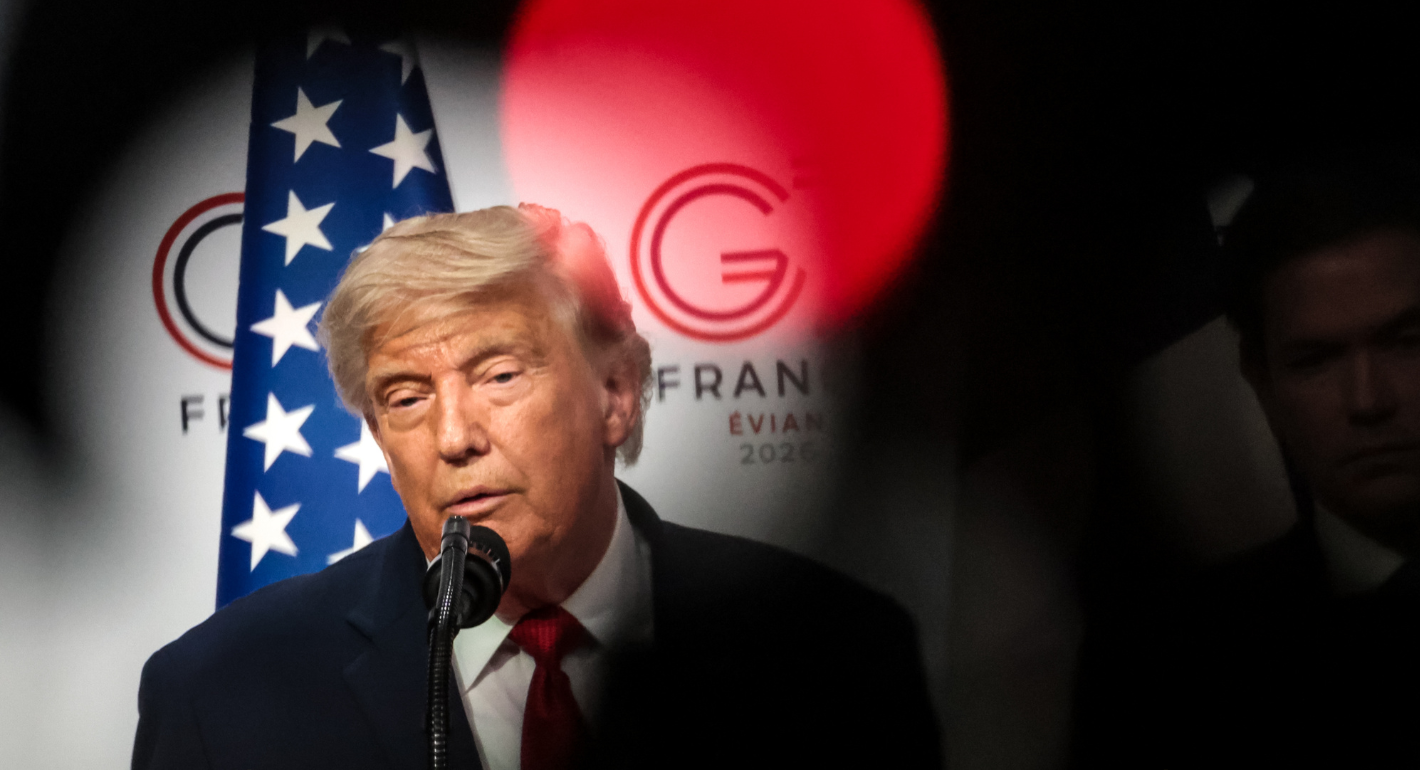
There is an elephant in the room when it comes to the EU’s upcoming security strategy: Donald Trump. Unless European leaders acknowledge the depth of the transatlantic crisis, true autonomy will remain out of reach.

Stefan Lehne
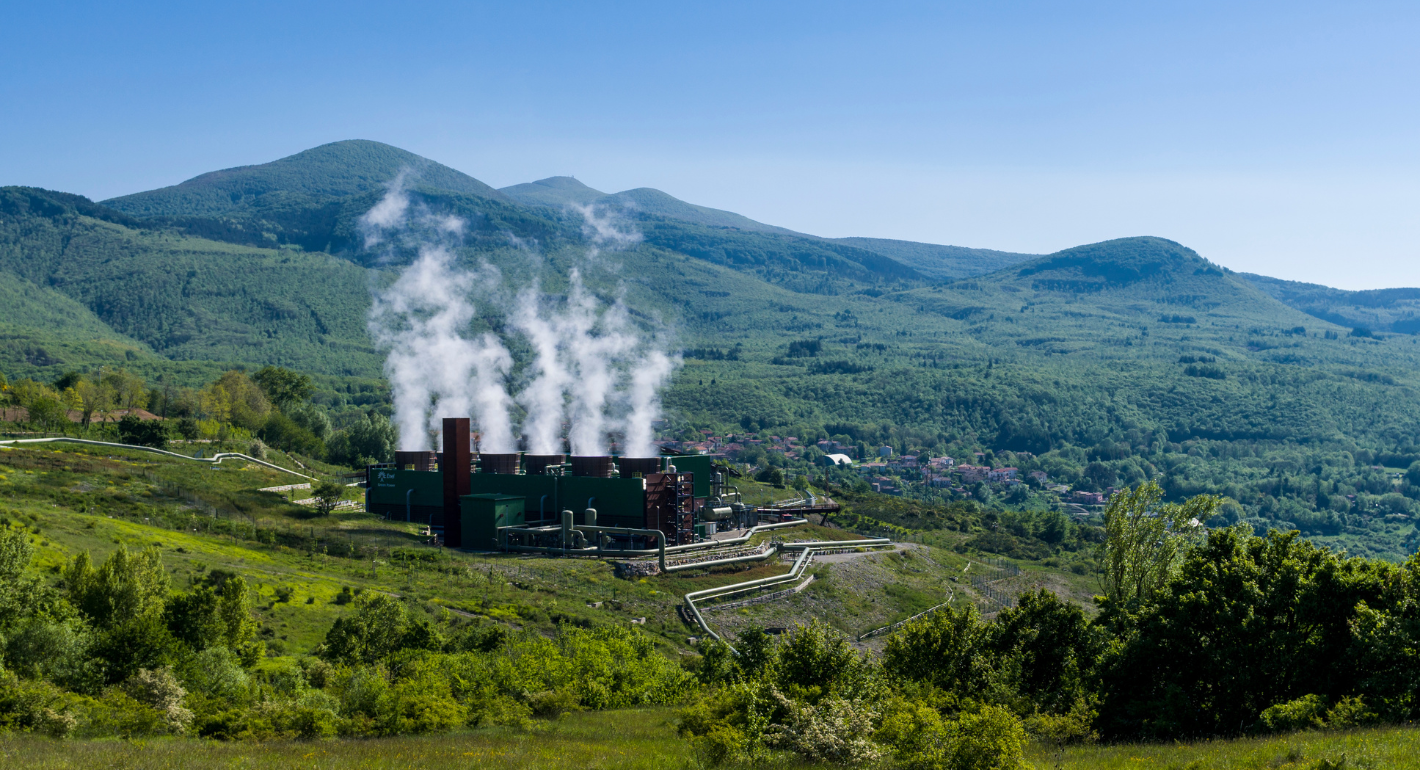
Europe’s industrial supply chains leave it vulnerable to global shocks. The EU needs a pragmatic green industrial strategy that balances durable partnerships and bolsters homegrown clean tech without sacrificing low-carbon ambition.


Milo McBride, Pauline Gerard
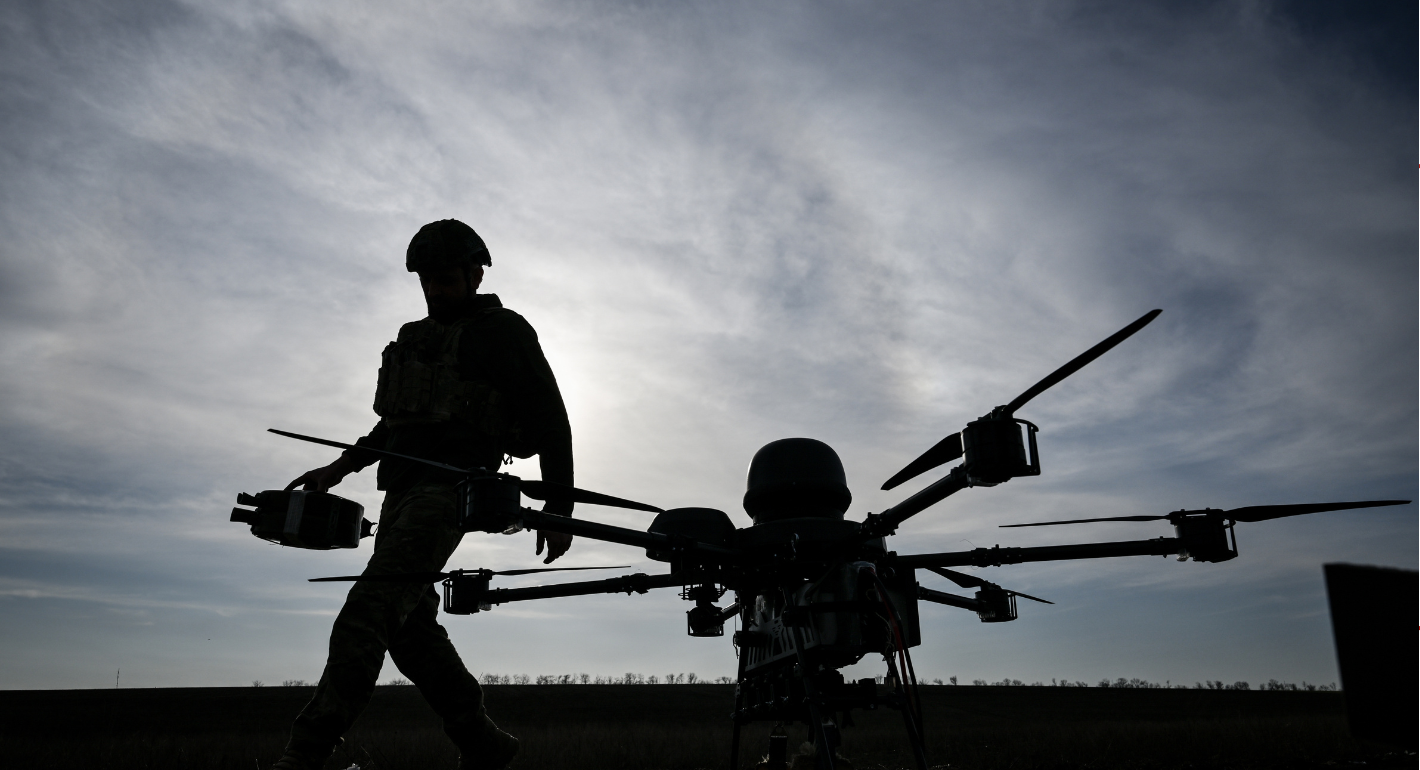
Defense tech innovations will be at the heart of Europe’s new security strategy. But so far, Brussels has been making moves without a broader plan, undermining readiness and credibility.

Raluca Csernatoni
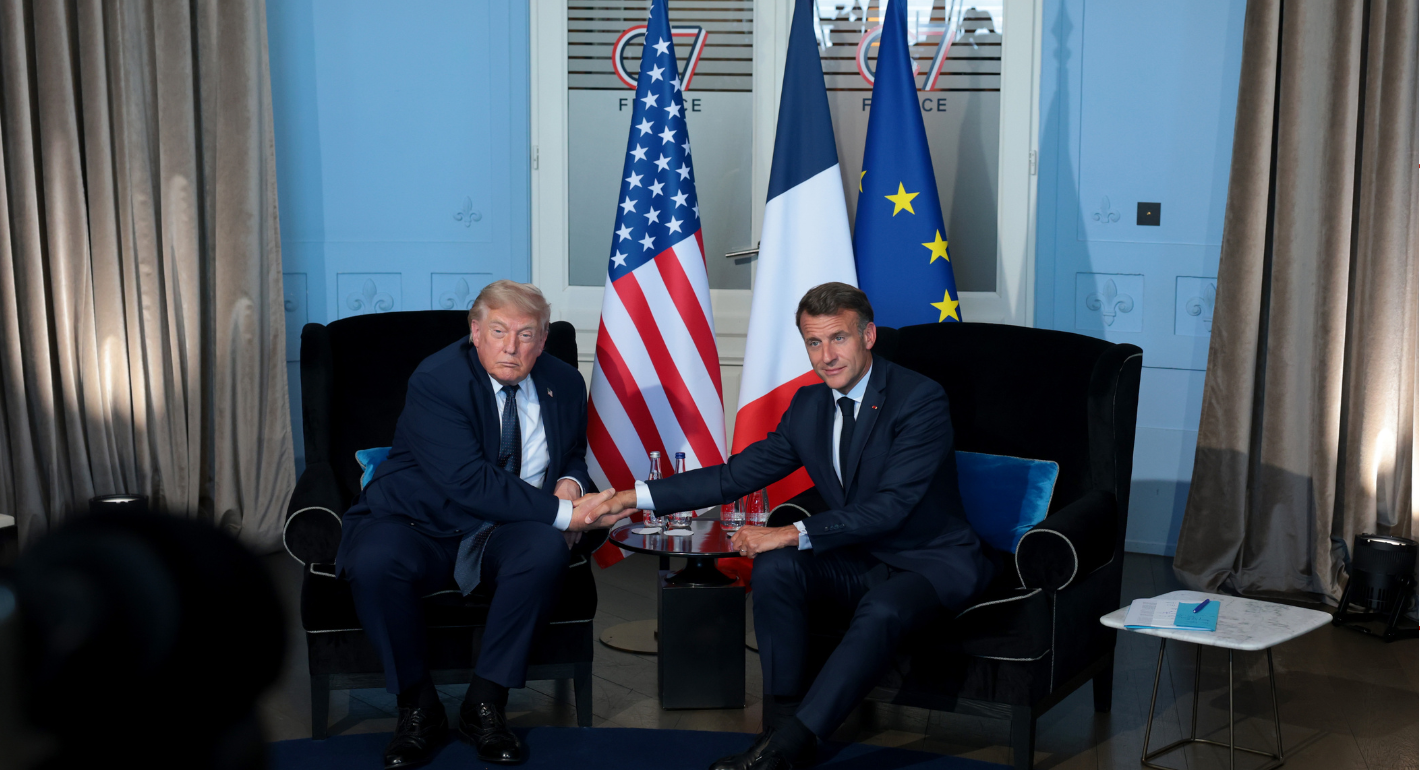
When the U.S.-Iran memorandum of understanding was announced, the UK, France, Germany, and Italy declared their readiness to help demine the Strait of Hormuz and lift nuclear sanctions on Tehran. But does Europe need new tools to recover a diplomatic role?

Rym Momtaz, ed.
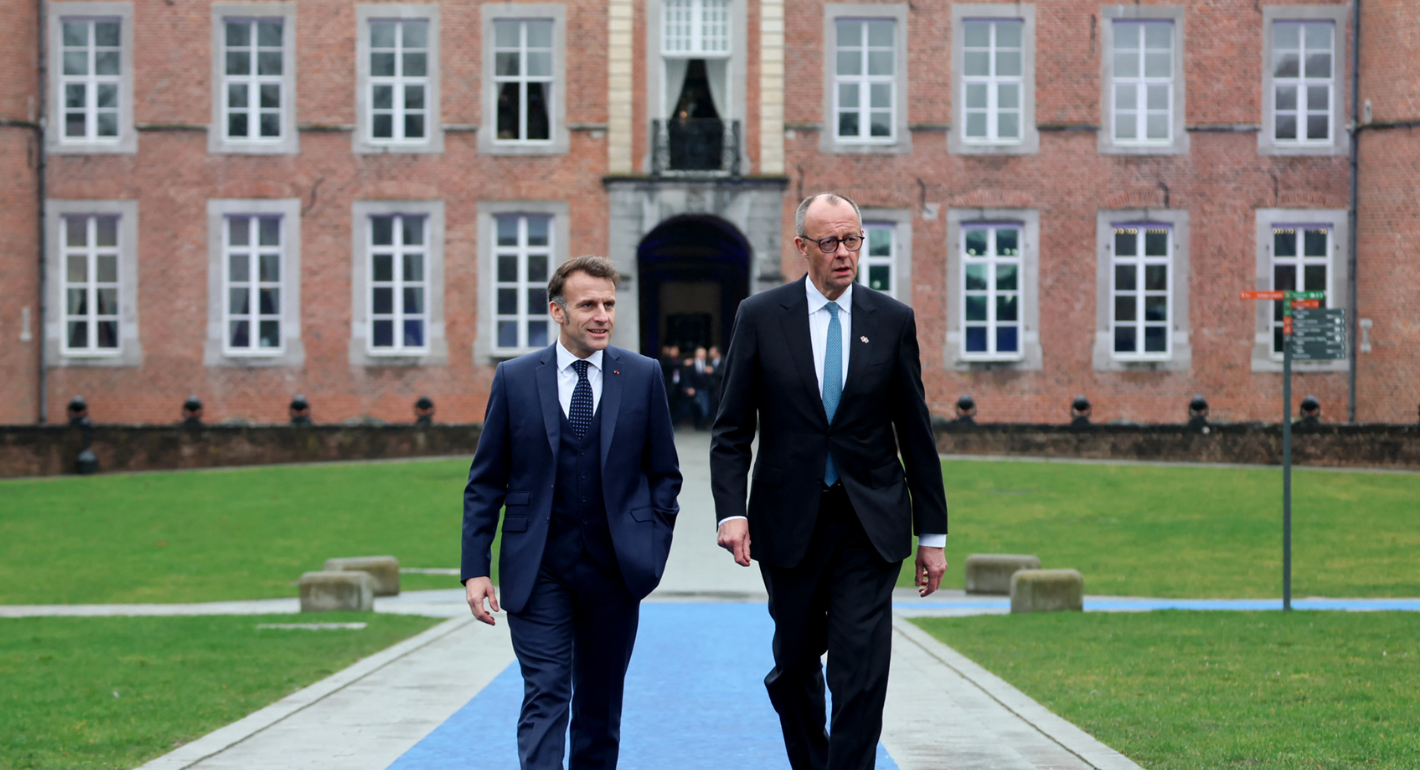
The Franco-German relationship is on the rocks again. But unlike previous moments of tension, the epochal changes on the world stage require that both step up investment in their bilateral ties.
Rym Momtaz