

Commentary
Sarah Chayes
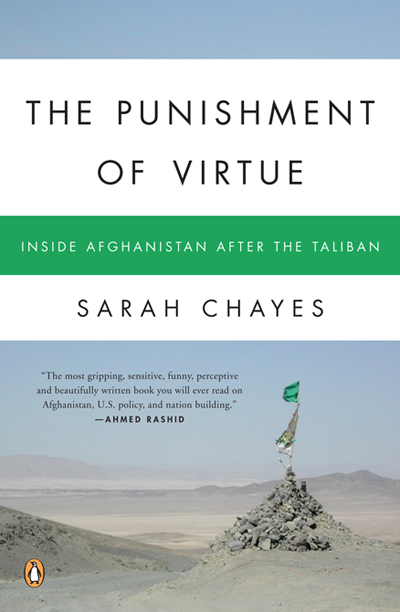
An inside look at the misguided U.S. policy in Afghanistan in the wake of the defeat of the Taliban—a policy that severely undermined the effort to build democracy and allowed corrupt tribal warlords back into positions of power and the Taliban to re-infiltrate the country.
Source: Penguin Books
A National Public Radio reporter covering the last stand of the Taliban in their home base of Kandahar in Afghanistan's southern borderland, Sarah Chayes became deeply immersed in the unfolding drama of the attempt to rebuild a broken nation at the crossroads of the world's destiny. Her NPR tour up in early 2002, she left reporting to help turn the country's fortunes, accepting a job running a nonprofit founded by President Hamid Karzai's brother. With remarkable access to leading players in the postwar government, Chayes witnessed a tragic story unfold-the perverse turn of events whereby the U.S. government and armed forces allowed and abetted the return to power of corrupt militia commanders to the country, as well as the reinfiltration of bands of Taliban forces supported by U.S. ally Pakistan. In this gripping and dramatic account of her four years on the ground, working with Afghanis in the battle to restore their country to order and establish democracy, Chayes opens Americans' eyes to the sobering realities of this vital front in the war on terror.
She forged unparalleled relationships with the Karzai family, tribal leaders, U.S. military and diplomatic brass, and such leading figures in the Kandahar government as the imposing and highly effective chief of police-an incorruptible supporter of the Karzai regime whose brutal assassination in June 2005 serves as the opening of the book. Chayes lived in an Afghan home, gaining rich insights into the country's culture and politics and researching the history of Afghanistan's legendary resistance to foreign interference. She takes us into meetings with Hamid Karzai and the corrupt Kandahar governor, Gul Agha Shirzai, into the homes of tribal elders and onto the U.S. military base. Unveiling the complexities and traumas of Afghanistan's postwar struggles, she reveals how the tribal strongmen who have regained power-after years of being displaced by the Taliban-have visited a renewed plague of corruption and violence on the Afghan people, under the complicit eyes of U.S. forces and officials.The story Chayes tells is a powerful, disturbing revelation of misguided U.S. policy and of the deeply entrenched traditions of tribal warlordism that have ruled Afghanistan through the centuries.
"Engrossing . . . In elegant prose, [Chayes] brings to life the region's rich history, complex politics and proud ethnic Pashtun tribesmen." —New York Times Book Review
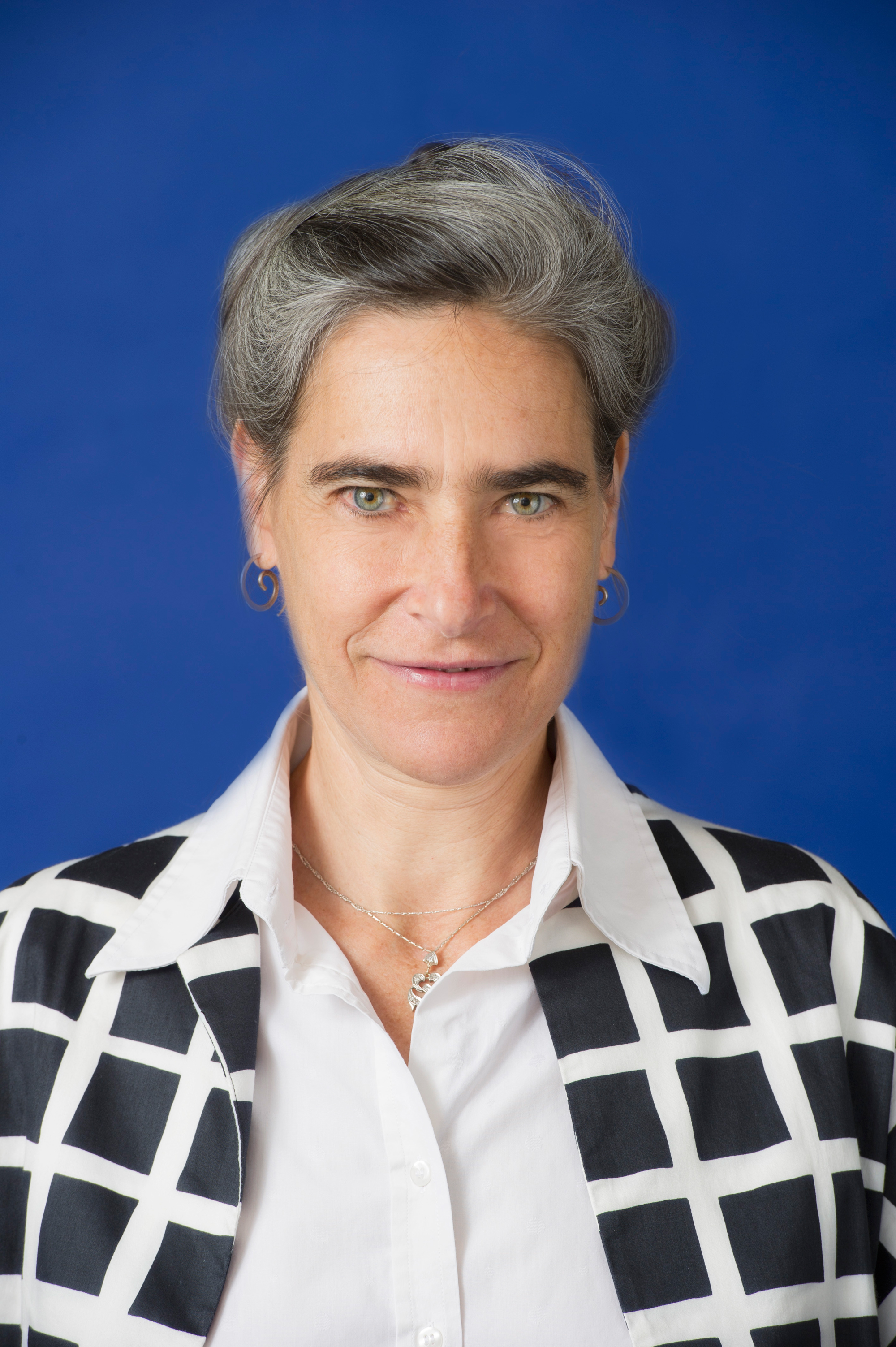
Former Senior Fellow, Democracy, Conflict, and Governance Program
Sarah Chayes is internationally recognized for her innovative thinking on corruption and its implications. Her work explores how severe corruption can help prompt such crises as terrorism, revolutions and their violent aftermaths, and environmental degradation.
Recent Work
Sarah Chayes
Carnegie does not take institutional positions on public policy issues; the views represented herein are those of the author(s) and do not necessarily reflect the views of Carnegie, its staff, or its trustees.

Are Germany’s economic, industrial, and political struggles becoming a liability for the EU’s ability to rise to the geopolitical moment?

Rym Momtaz, ed.

European Commission President Ursula von der Leyen is about to give her annual address on the state of the EU. Here’s what she won’t—but should—say.
Rym Momtaz

Radical-right parties are expected to do well in upcoming elections in four of the EU's biggest member states. If successful, they could prevent the union from addressing key challenges ahead.

Stefan Lehne

The aftermath of the Ceuta crisis shows Europe has drawn the wrong lessons. Rather than doubling down on failed migration policies, the EU needs to address the underlying roots of such episodes.

Richard Youngs

An overwhelming victory by a far-right-wing party in a small state in eastern Germany will have major repercussions for Chancellor Friedrich Merz’s coalition.

Judy Dempsey