

Commentary
Alexey Malashenko

Source: Getty
Parliamentary elections held in Kyrgyzstan on October 10 were the first under the country’s new constitution, which institutes a parliamentary system with a relatively weak president. They have shown the level of awareness in Kyrgyz society, demonstrating that people take an interest in their future.
The initial results from the parliamentary elections held in Kyrgyzstan on October 10 – the first under the country’s new constitution, which institutes a parliamentary system with a relatively weak president – indicate ten key conclusions.
First of all, the fact that elections were even held is important. During the spring and summer, and even in early September, some analysts predicted that they might be cancelled, arguing that it would be too dangerous an undertaking to hold an election after the bloodshed that took place in Osh. Furthermore, not all parties seeking a share of power could hope for success in the election. But the pessimists were proven wrong.
Second, the election was fairly uneventful. Probably the most remarkable (and humorous) detail was the length of the ballot papers (reportedly 80cm long), making it difficult, or simply impossible, to stuff them all into the ballot boxes.
Third, more than half of the 2.8 million registered voters turned out, thus showing the level of awareness in Kyrgyz society, showing that people take an interest in their future and are proving that apart from revolution, which some have begun calling Kyrgyzstan’s national pastime, they are also capable of more basic political engagement.
Fourth, the fact that 29 parties competed in the election was not, as some analysts put it, some kind of “farce.” Rather, this kind of hyper-pluralism is inevitable in a society at such a crossroads in its development. Citizens of some other post-Soviet countries, with just one party on the ballot, can only dream of such a situation.
Fifth, while there are many parties, none of them can claim to be truly national. Practically all of them are vehicles for their leaders, and some of them reflect the interests of particular clans with varying degrees of influence.
Sixth, the predictions regarding the most successful parties proved correct. These parties, Ata Jurt, the Social Democrats, and Ata Meken, had little difficulty surmounting the 5-percent hurdle and making it into the parliament. The Ar Namys and Republic parties also got through.
Seventh, the resulting parliamentary landscape nonetheless does not look quite the way the specialists predicted. Ata Meken, for example, which many expected to see in first or second place, came in fifth. Some say that this is because its leader, Omurbek Tekebayev, lost some of his public authority during the difficult election campaign.
The Ata Jurt party, seen by some as the bastion of former moderate supporters of ousted President Kurmanbek Bakiyev who jumped ship in time and merged with the “revolutionary process,” made an unexpectedly strong showing.
Some may be surprised by the success of Felix Kulov’s Ar Namys party, although they should not be. Kulov succeeded in returning from political oblivion, and not everyone in Kyrgyzstan has forgotten his skill at handling sensitive situations. Finally, he has shown skill and tact in building relations with Moscow.
Eighth, Kyrgyzstan’s closest neighbors, while watching political developments very attentively, did not intervene directly. This may change, however, as the ruling coalition begins to take shape.
Ninth, this result can confidently be called a victory for parliamentary spirit and practice. People in Kyrgyzstan are cautious about this success, not inclined to rejoice too early, and this is evident of the local elite’s readiness to follow this difficult road.
Tenth, the October election is just the first step. Now come complex negotiations and unavoidable intrigues.
One way or another, now, as 20 years ago, Kyrgyzstan has once again become an exception in the Central Asian political area. Time will soon tell whether it can remain so.
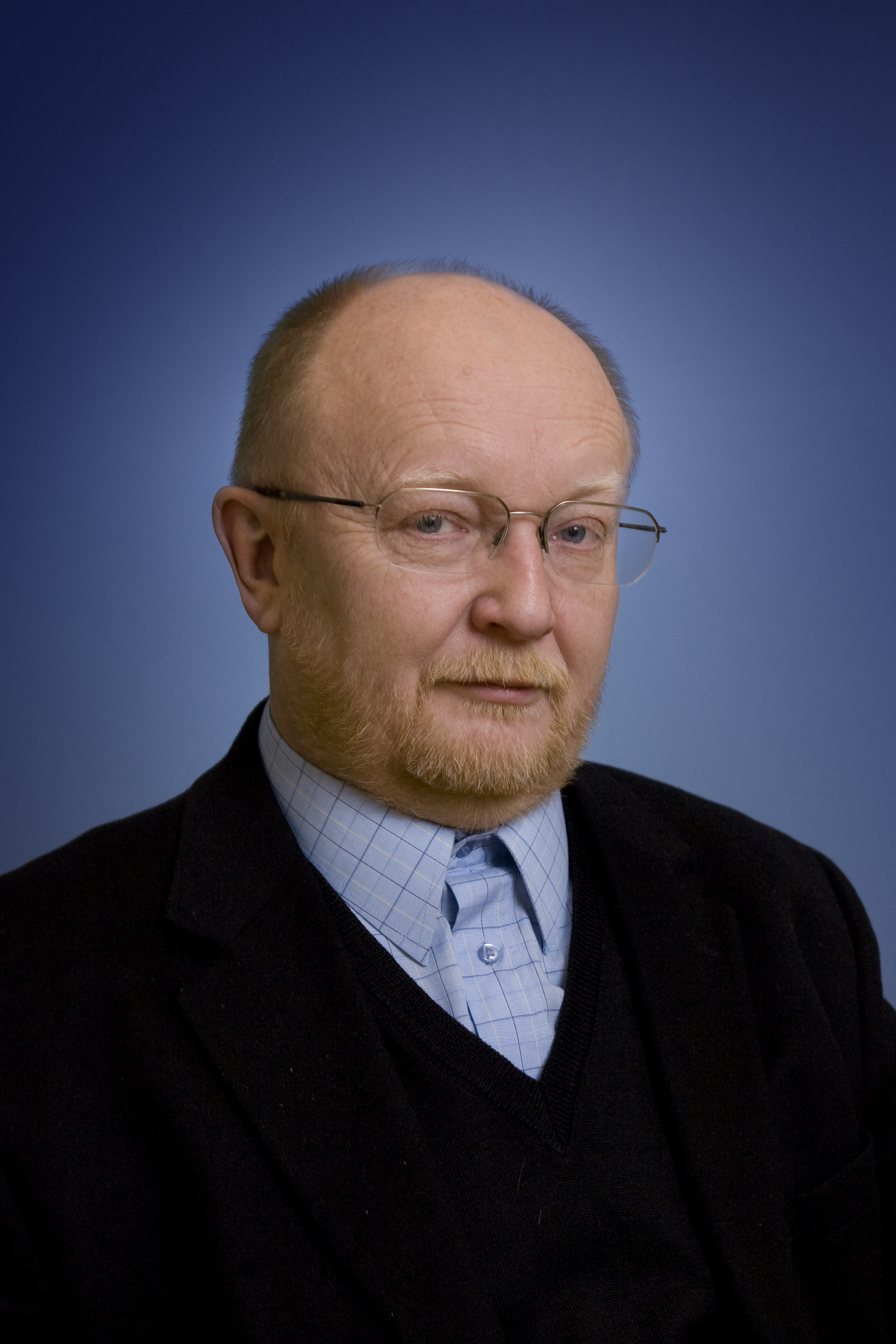
Former Scholar in Residence, Religion, Society, and Security Program
Malashenko is a former chair of the Carnegie Moscow Center’s Religion, Society, and Security Program.
Recent Work
Alexey Malashenko
Alexey Malashenko
Carnegie does not take institutional positions on public policy issues; the views represented herein are those of the author(s) and do not necessarily reflect the views of Carnegie, its staff, or its trustees.

Radical-right parties are expected to do well in upcoming elections in four of the EU's biggest member states. If successful, they could prevent the union from addressing key challenges ahead.

Stefan Lehne

An overwhelming victory by a far-right-wing party in a small state in eastern Germany will have major repercussions for Chancellor Friedrich Merz’s coalition.

Judy Dempsey

In supporting Europe’s far-right, MAGA and Russia both want the same thing: a weaker EU. Europe must defend itself without abandoning the openness these forces exploit.

Armida van Rij

The hybrid warfare landscape is evolving rapidly, leaving policymakers without clear strategies. To better inform their work in addressing emerging challenges, governments must dig deeper into the underlying dynamics at play.


Raluca Csernatoni, Alicia Wanless

As the EU confronts profound challenges, several leaders have called for fundamental reform to the union’s model—but only modest, superficial changes have resulted. What if Europe really could be reimagined from zero today: What should such a redesigned European order look like?

Richard Youngs, ed.