

Paper
Douglas H. Paal
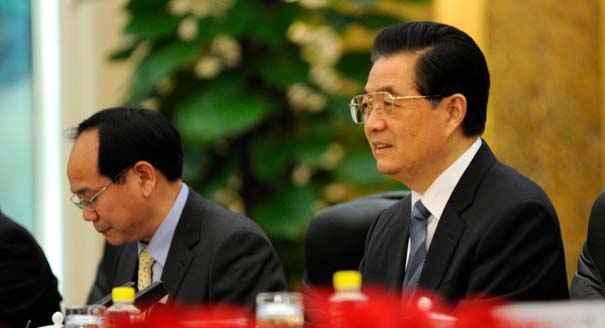
Source: Getty
In light of the important leadership transition that looms on China's political horizon next year, Beijing's leadership appears intent on appearing unified.
China’s National People’s Congress (NPC) and its People’s Political Consultative Congress (CPPCC) have been meeting for the past week. The results so far suggest that policy remains “steady as you go,” mixed with cautions against political reform.
The economy: The most crucial outcome of these annual meetings is the NPC’s political work report by the Premier Wen Jiabao, setting forth the benchmarks for economic growth for the year ahead. This year, Wen said the target for GDP growth will be reduced to 7 percent.
Wen’s target offered reassurance to those who believe the economy overheated in response to the post-financial crisis stimulus program and is at risk of significant inflation. It also signaled that the Chinese leadership is adjusting the country to more sustainable levels of growth than have prevailed in recent decades.
The reassurances will need to be scrutinized closely, however, as Premier Wen last year called for a growth target of 7.5 percent, but the economy actually managed better than 11 percent growth. The monetary authorities have tried to slow bank lending and soak up currency by mandating lending limits and an extraordinarily high reserve requirement of 18 percent.
But state enterprises, for example, are sitting on large amounts of money they can spend on new investment and banks have their own incentives to keep their best borrowers happy in defiance of Beijing. Moreover, next year is a political year in China, when the 18th Party Congress will announce a new leadership. Typically in such years, money flows freely to buoy the markets and keep friends on side.
The military: China revealed a renewed increase in nominal military spending in its budget figures at the NPC. This year targets 12.7 percent growth, to just over 600 billion renminbi. Due to issues of transparency, these numbers are viewed in the West more as signs of a trend than actual spending figures, which many observers believe are actually higher.
Beijing is clearly fielding a more diverse and capable military, with new missions near its maritime frontier and beyond. Last year, China announced the first single digit growth figure for military spending in two decades—for reasons that are not entirely clear—so the 2011 figure returns the People’s Liberation Army budget to the pattern that previously prevailed. It was accompanied by a claim that military pay grades are being adjusted, some up to 40 percent more this year. Whatever the detailed composition, the new budget returns spending to approximately 6 percent of government spending overall.
The new budget figures will do nothing to allay the concerns of China’s neighbors about its growing capabilities and reach. And continued shortcomings in transparency about the composition of the budget will perpetuate controversy about China’s intentions.
Politics: From time to time, Premier Wen has spoken publicly about the need for China to advance political reform, presumably to forestall the stresses that rapid economic growth brings to the political system. This year, however, the message out of the NPC was a firm “no” to political reform. NPC Chairman Wu Bangguo told the meeting, “We have made a solemn declaration that we will not employ a system of multiple parties holding office in alteration; diversify our guiding thought; separate executive, legislative, and judicial powers; use a bicameral or federal system; or carry out privatization.”
Coming after two years of closing political space for dissenters, their lawyers, and the internet, the stark statement rejecting reform probably should be expected. Moreover, in the aftermath of the revolts in the Arab world, which clearly set off alarms in Beijing, the Chinese leadership was probably all the more determined to dig in.
Given the robust economic health of the Chinese economy and the pursuit of reforms in financial institutions and corporate governance, the regime’s determination to forestall political reform nonetheless seems puzzling. In fact, public security spending in China this year is slated to exceed the nominal defense spending target by several billion dollars. This is a subject that would profit from detailed comparative analysis with the spending of other countries to determine if China stands apart. But in the context of a discussion of China’s priorities, it suggests where China’s concerns most centrally lie.
Again, given the important leadership transition that looms on the political horizon next year, perhaps Beijing’s elite believes it can leave nothing in the political sphere to chance. After all, historically, visible divisions in the leadership can lead to tests of tolerance of dissent in the streets. This leadership appears intent on appearing unified.

Distinguished Fellow, Asia Program
Paal previously served as vice chairman of JPMorgan Chase International and as unofficial U.S. representative to Taiwan as director of the American Institute in Taiwan.
Recent Work
Douglas H. Paal


Douglas H. Paal, Tong Zhao, Chen Qi, …
Carnegie does not take institutional positions on public policy issues; the views represented herein are those of the author(s) and do not necessarily reflect the views of Carnegie, its staff, or its trustees.
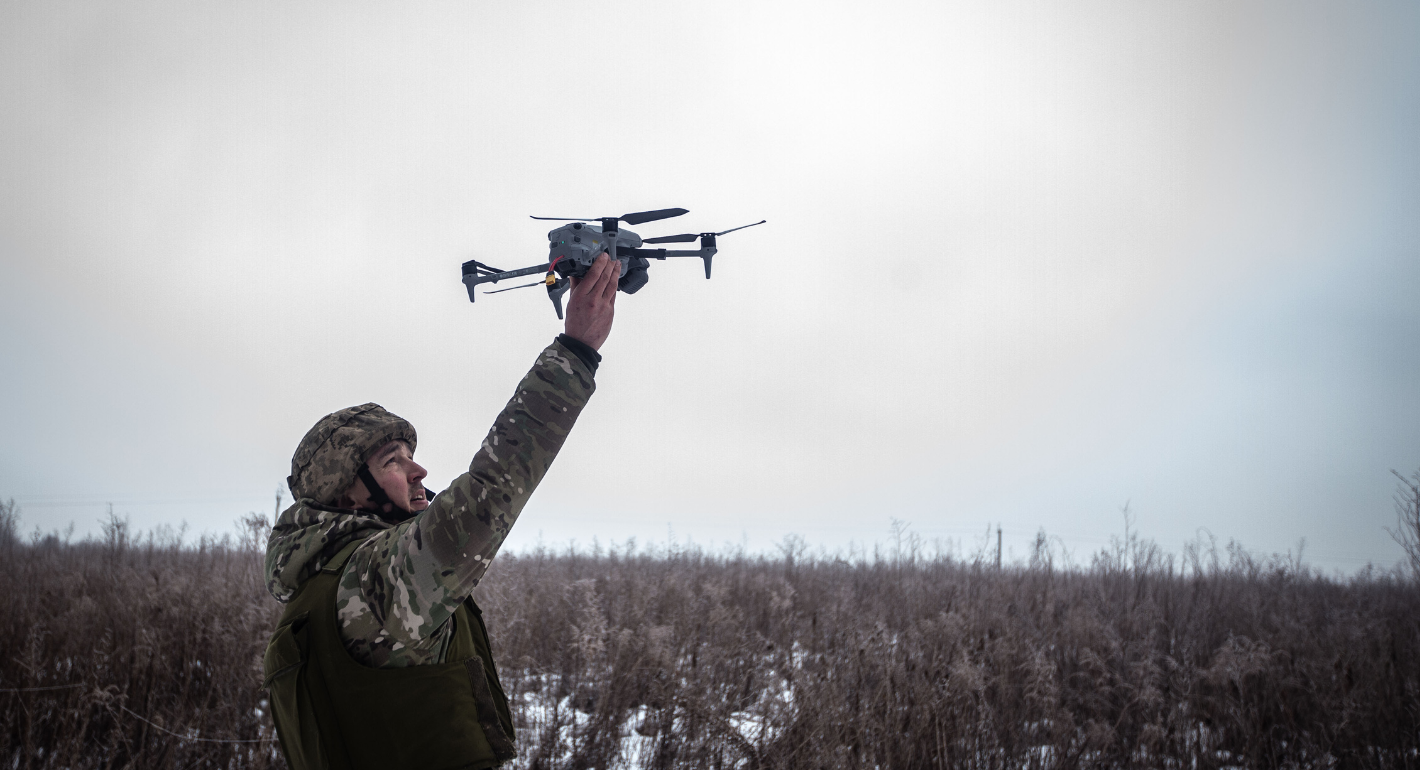
In Ukraine, Gaza, and Iran, AI warfare has come to dominate, with barely any oversight or accountability. Europe must lead the charge on the responsible use of new military technologies.

Raluca Csernatoni
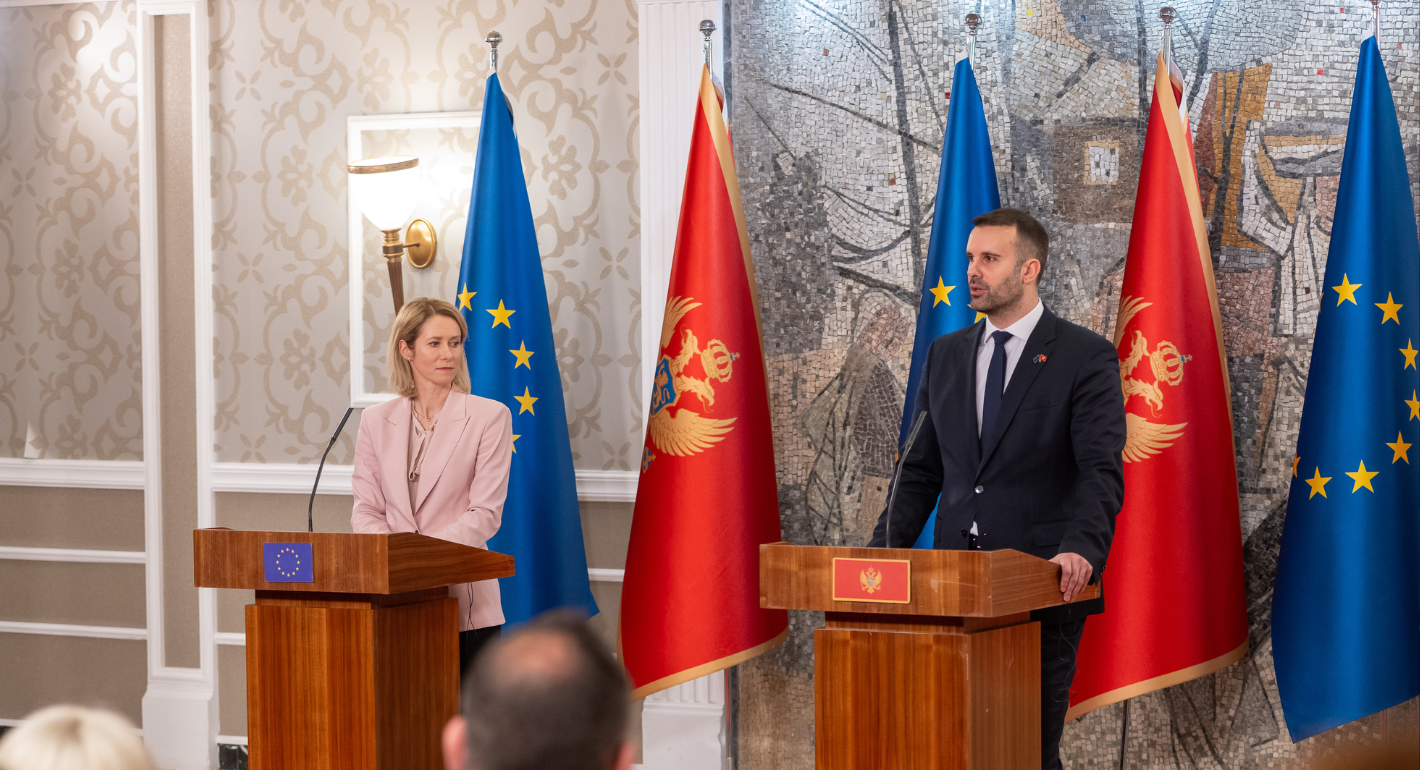
Montenegro and Albania are frontrunners for EU enlargement in the Western Balkans, but they can’t just sit back and wait. To meet their 2030 accession ambitions, they must make a strong positive case.


Dimitar Bechev, Iliriana Gjoni
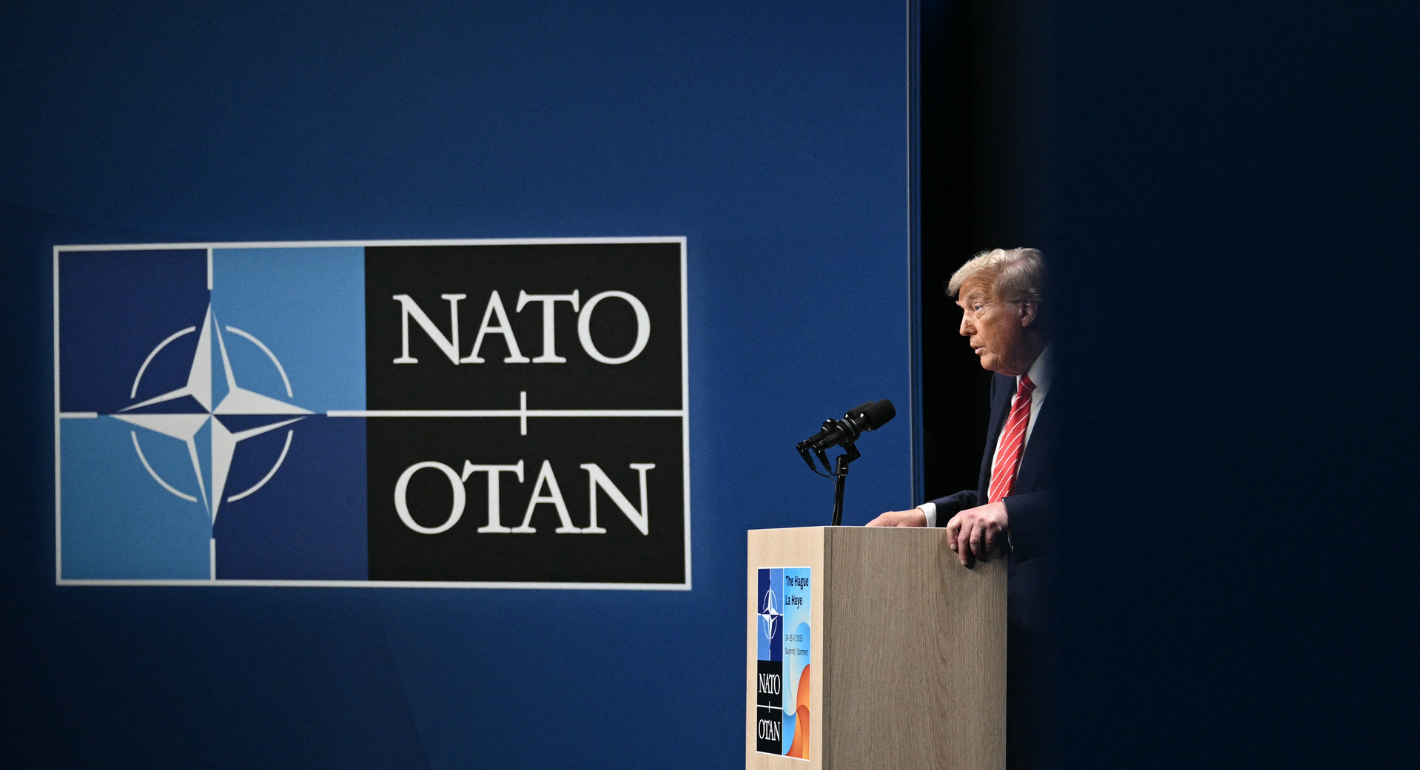
Donald Trump has repeatedly bashed NATO and European allies, threatening to annex Canada and Greenland and deploring their lack of enthusiasm for his war of choice in Iran. Is this latest round of abuse the final straw?

Rym Momtaz, ed.
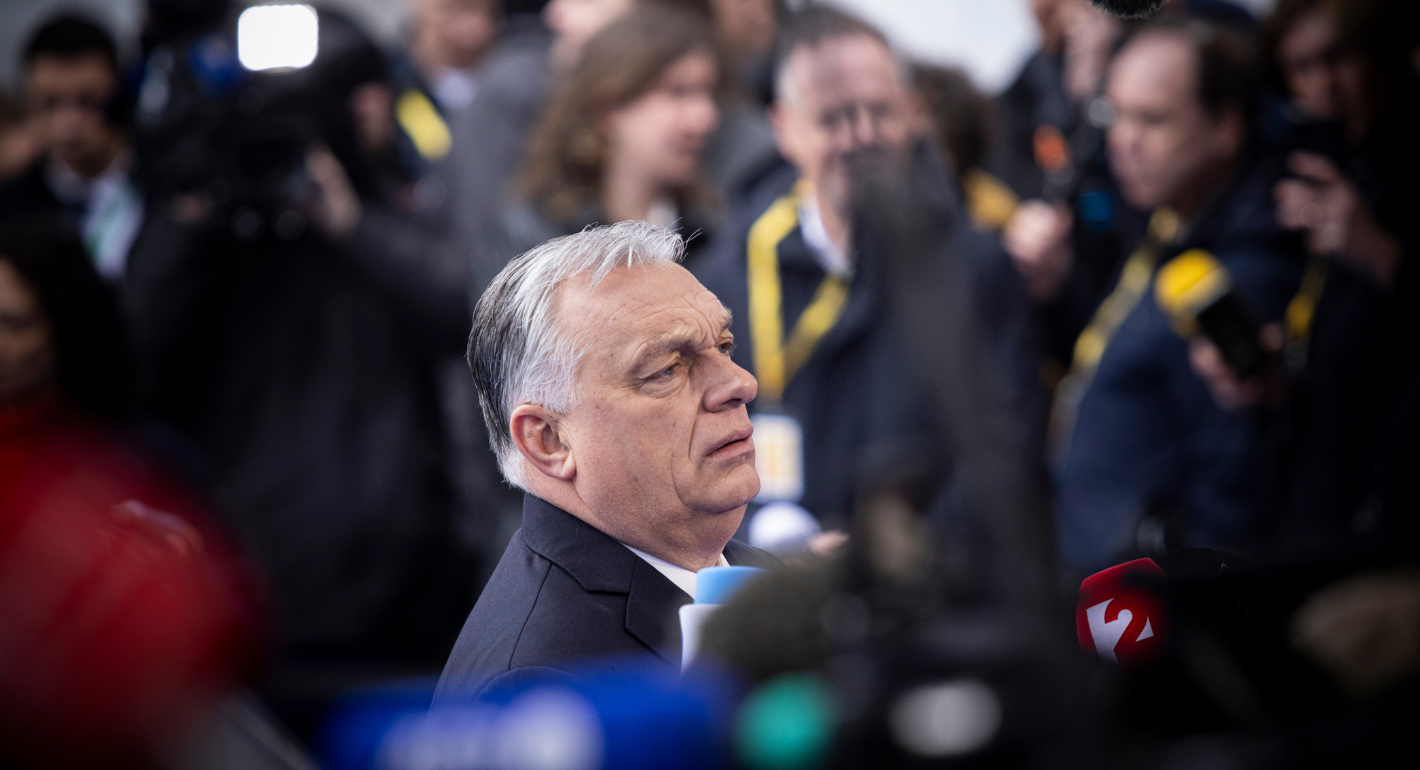
Hungarians head to the polls on April 12 for an election of national and European consequence. Three different outcomes are on the cards, each with their own implications for the EU.

Zsuzsanna Szelényi
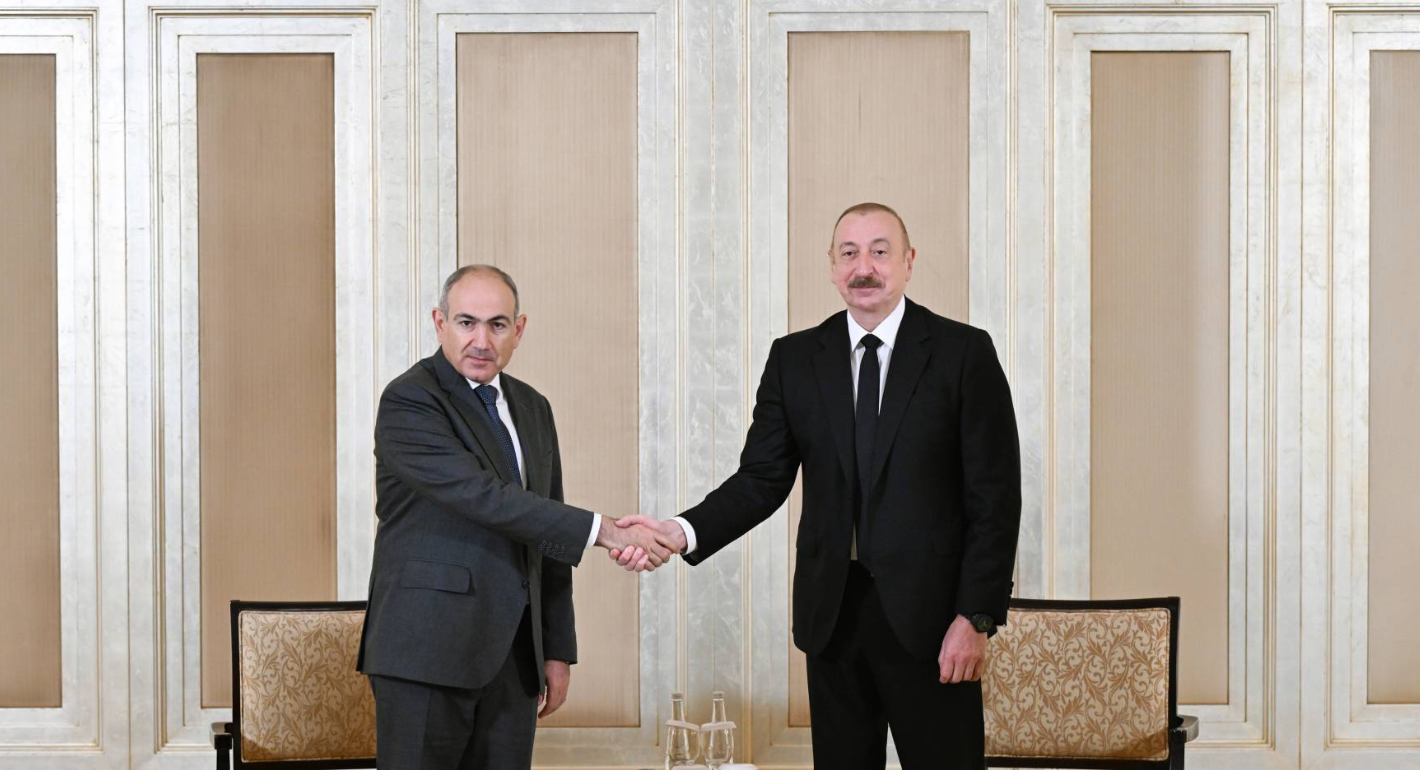
The U.S.-sponsored TRIPP deal is driving the Armenia-Azerbaijan peace process forward. But foreign and domestic hurdles remain before connectivity and economic interdependence can open up the South Caucasus.


Thomas de Waal, Areg Kochinyan, Zaur Shiriyev