

In The Media
Lilia Shevtsova
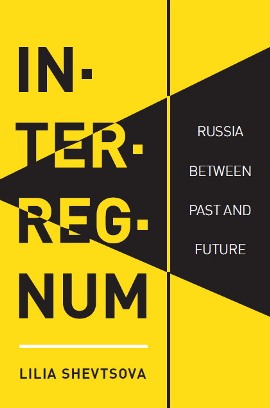
After the end of the political protests of 2011–2012, Russia has found itself in a troubled break between two eras. This is a time of conservatism, which, in its Russian incarnation, has morphed into a gloomy, almost medieval archaism.
Source: Carnegie Moscow Center
Lilia Shevtsova’s new book is a collection of essays about modern Russia and the processes that are related to it.After the end of the political protests of 2011–2012, Russia has found itself in the troubled time. This time can be described as “time out of time,” a break between two eras. One era has already ended, while the other has not yet begun. Living during this time is hard, and it is also hard to reflect on it and to find any signs of renewal. This is a time of conservatism; in its Russian incarnation that conservatism has morphed into a gloomy, almost medieval archaism.
In her new book, Shevtsova gives the reader some sense of this time without a trajectory, describing the major trends of Russian reality, its hot-button issues, as well as the challenges Russian society is facing.
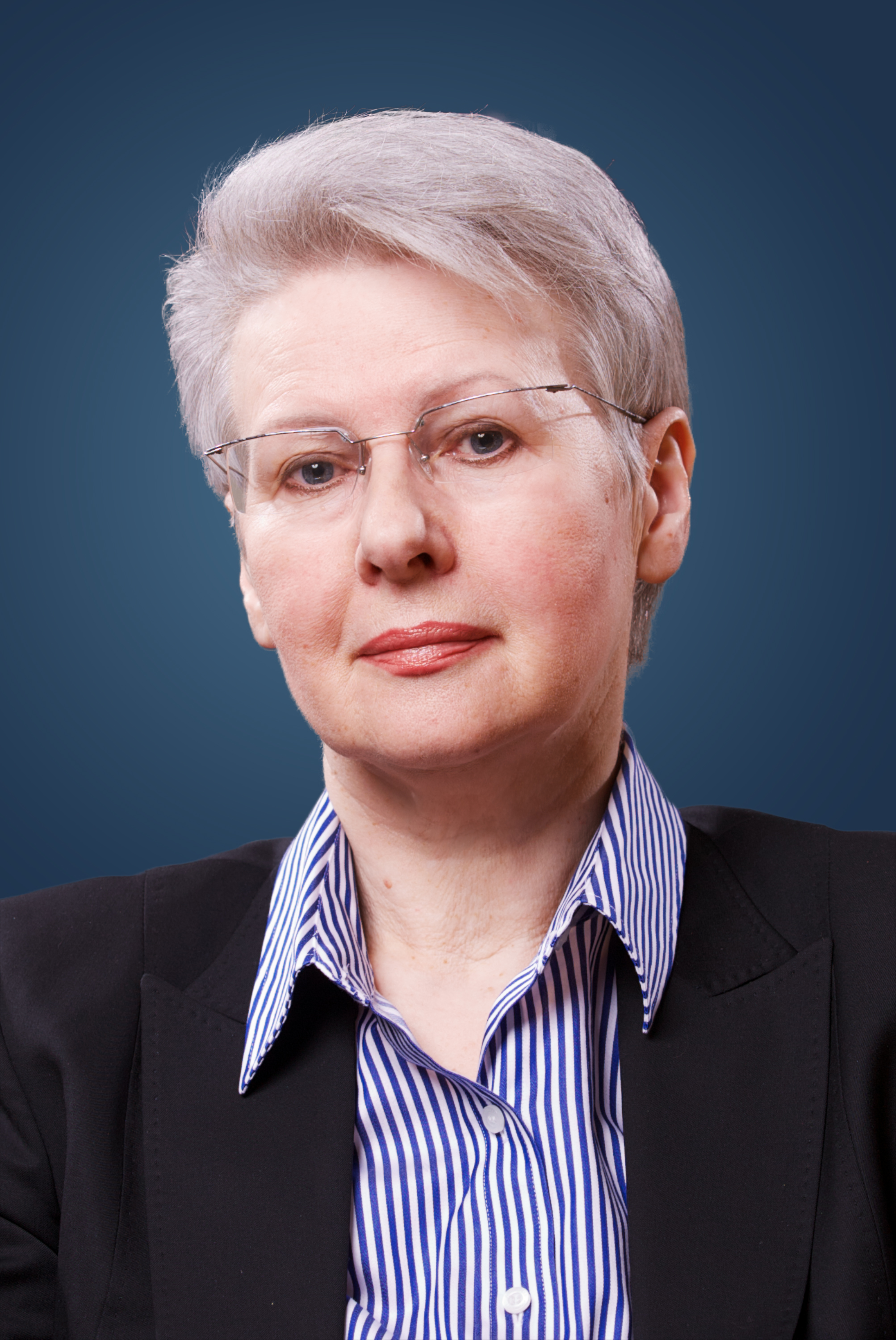
Former Senior Associate, Russian Domestic Politics and Political Institutions Program, Moscow Center
Shevtsova chaired the Russian Domestic Politics and Political Institutions Program at the Carnegie Moscow Center, dividing her time between Carnegie’s offices in Washington, DC, and Moscow. She had been with Carnegie since 1995.
Recent Work
Lilia Shevtsova
Lilia Shevtsova
Carnegie does not take institutional positions on public policy issues; the views represented herein are those of the author(s) and do not necessarily reflect the views of Carnegie, its staff, or its trustees.
Preparing candidate countries for EU membership is no longer enough. As the enlargement process becomes a reality, the union must also prepare its own societies.

Iliriana Gjoni
Countries face several hurdles in joining the EU, including the final stage of ratifying their accession treaties. Procedural reforms and substantive adjustments could help move the process forward.

Stefan Lehne
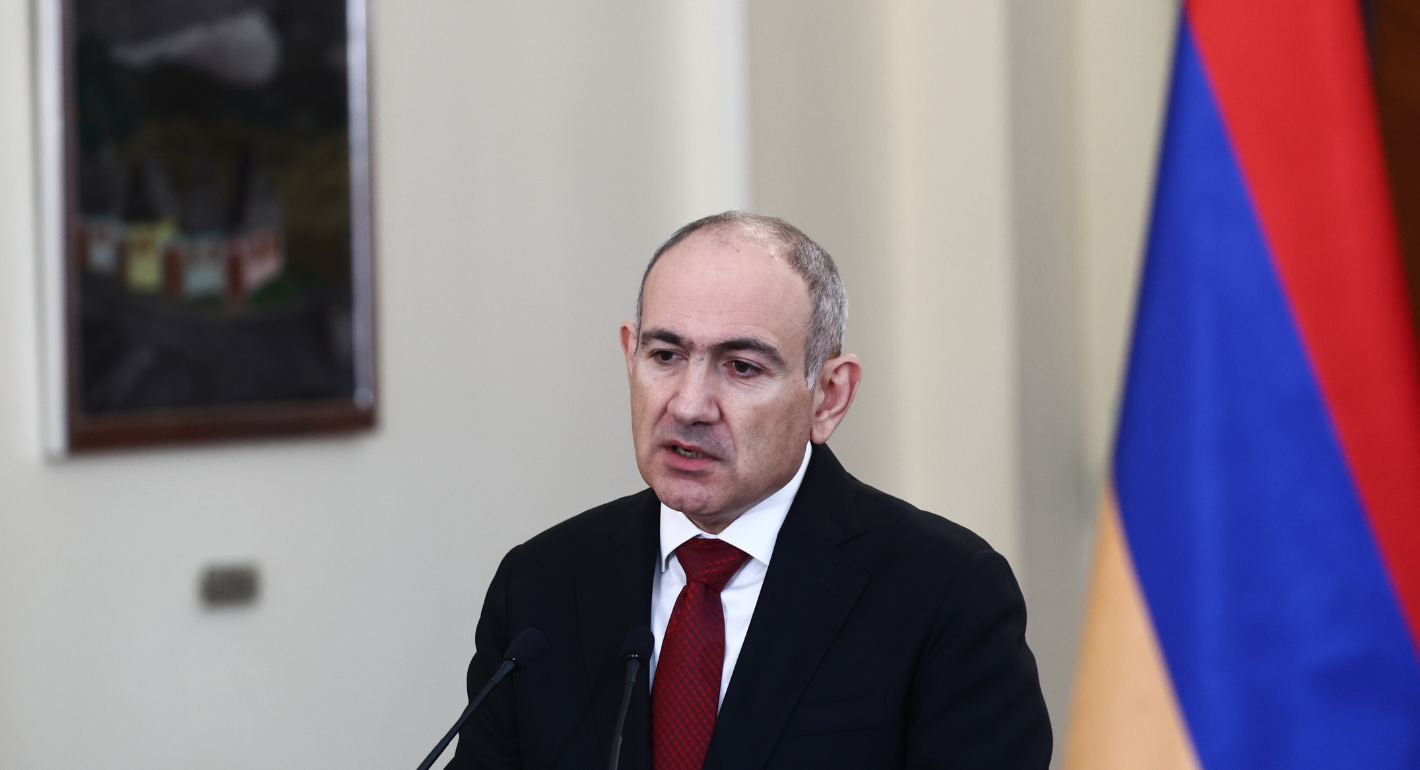
Europe has an interest in supporting Armenian leader Nikol Pashinyan as he tries to make peace with neighbors and loosen ties with Russia. But it is depersonalized support in the long term, not quickfire flash, that will win the day.

Thomas de Waal
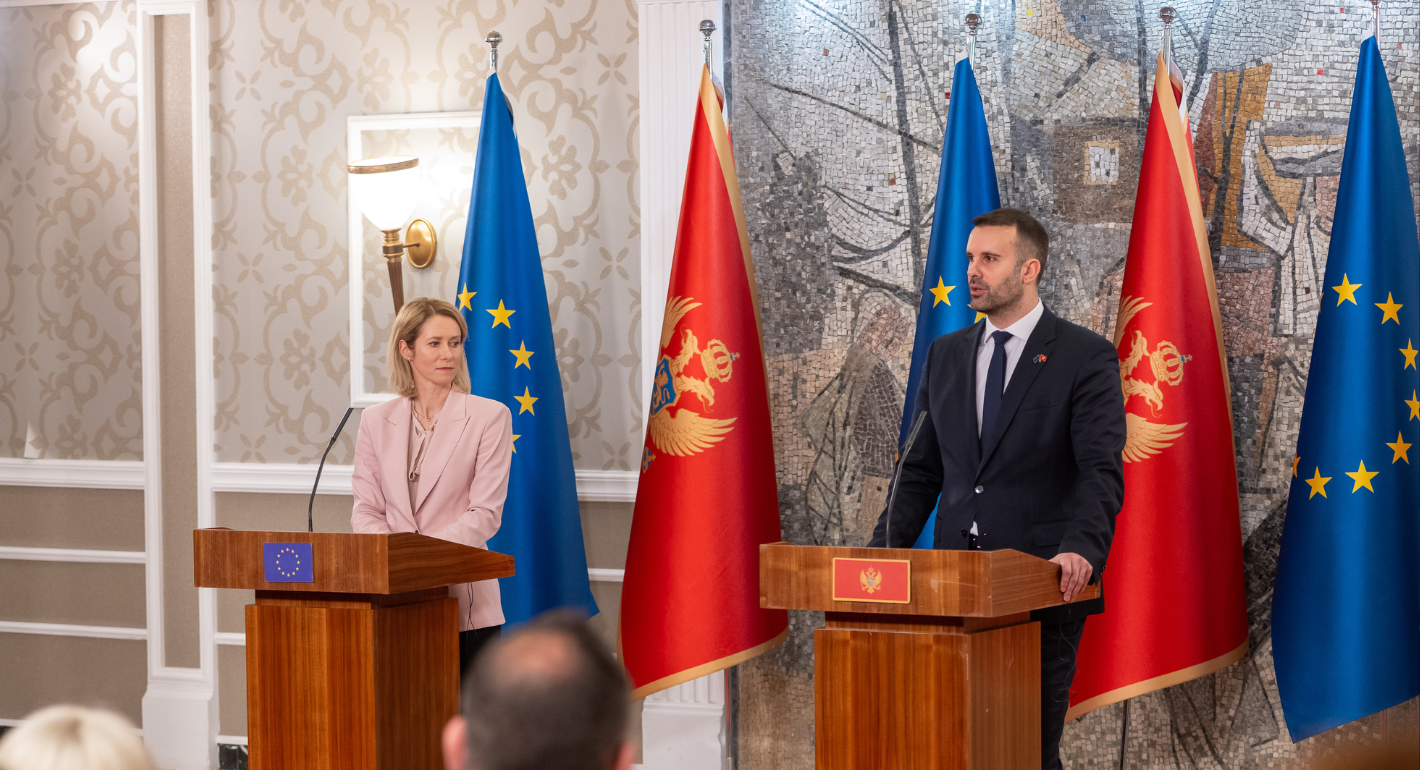
Montenegro and Albania are frontrunners for EU enlargement in the Western Balkans, but they can’t just sit back and wait. To meet their 2030 accession ambitions, they must make a strong positive case.

Dimitar Bechev, Iliriana Gjoni
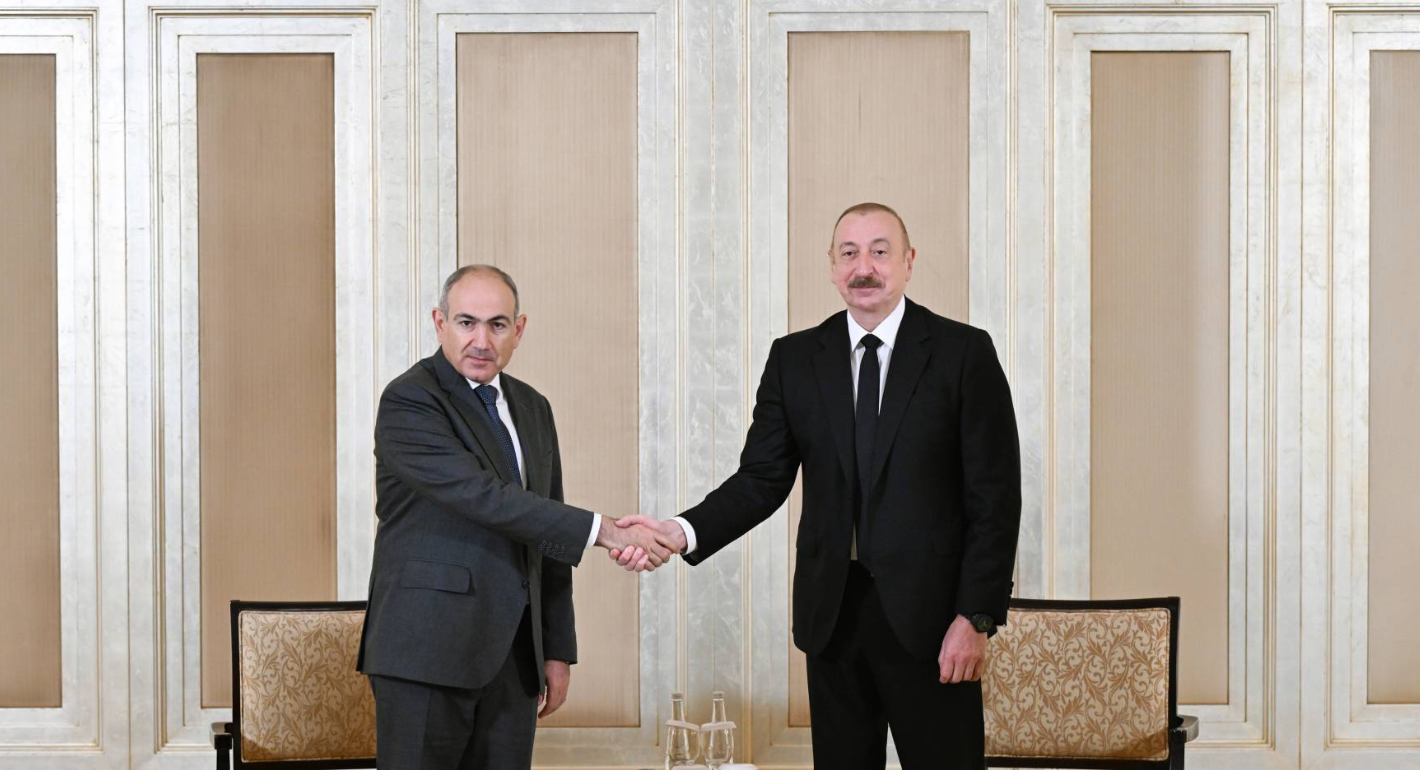
The U.S.-sponsored TRIPP deal is driving the Armenia-Azerbaijan peace process forward. But foreign and domestic hurdles remain before connectivity and economic interdependence can open up the South Caucasus.

Thomas de Waal, Areg Kochinyan, Zaur Shiriyev