

Commentary
Europe seems to have accepted its sidelining in the Middle East. The EU must reassert its support for the international rules-based order and step up engagement.
Rym Momtaz
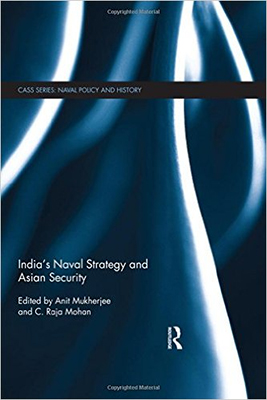
Delhi’s expanding economic and military strength has generated a widespread debate on India’s prospects for shaping the balance of power in Asia.
Source: Routledge
This book, edited by C. Raja Mohan and Anit Mukherjee, examines India’s naval strategy within the context of Asian regional security.
Amidst the intensifying geopolitical contestation in the waters of Asia, this book investigates the growing strategic salience of the Indian Navy. Delhi’s expanding economic and military strength has generated a widespread debate on India’s prospects for shaping the balance of power in Asia. This volume provides much needed texture to the abstract debate on India’s rise by focusing on the changing nature of India’s maritime orientation, the recent evolution of its naval strategy, and its emerging defence diplomacy.
In tracing the drift of the Navy from the margins of Delhi’s national security consciousness to a central position, analysing the tension between its maritime possibilities and the continentalist mind set, and in examining the gap between the growing external demands for its security contributions and internal ambivalence, this volume offers rare insights into India’s strategic direction at a critical moment in the nation’s evolution. By examining the internal and external dimensions of the Indian naval future, both of which are in dynamic flux, the essays here help a deeper understanding of India’s changing international possibilities and its impact on Asian and global security.
Introduction
Anit Mukherjee and C. Raja Mohan
Part I: The Making of India’s Naval Strategy
India’s Maritime Strategy
Rajeswari Pillai Rajagopalan
Tomorrow or Yesterday’s Fleet? The Indian Navy’s Operational Challenges
Iskander Luke Rehman
In the Far Seas: Projecting India’s Naval Power
Abhijit Singh
The Unsinkable Aircraft Carrier: The Andaman and Nicobar Command
Anit Mukherjee
India’s Naval Diplomacy: the Unfinished Transitions
C. Raja Mohan
Part II: The External Dimensions of India’s Naval Strategy
India in the US Naval Strategy
Timothy D. Hoyt
“New Normal” in the Indo-Pacific: Sino-Indian Maritime Security Dilemma
Koh Swee Lean Collin
Looming Over the Horizon: Japan’s Naval Engagement with India
Tomoko Kiyota
A Sea of Opportunity: Southeast Asia’s Growing Naval Cooperation with India
Ristian Atriandi Supriyanto
India and Regional Maritime Security
Sam Bateman
India’s Naval Moment
Anit Mukherjee and C. Raja Mohan
Former Nonresident Senior Fellow, Carnegie India
A leading analyst of India’s foreign policy, Mohan is also an expert on South Asian security, great-power relations in Asia, and arms control.
Anit Mukherjee
Carnegie does not take institutional positions on public policy issues; the views represented herein are those of the author(s) and do not necessarily reflect the views of Carnegie, its staff, or its trustees.
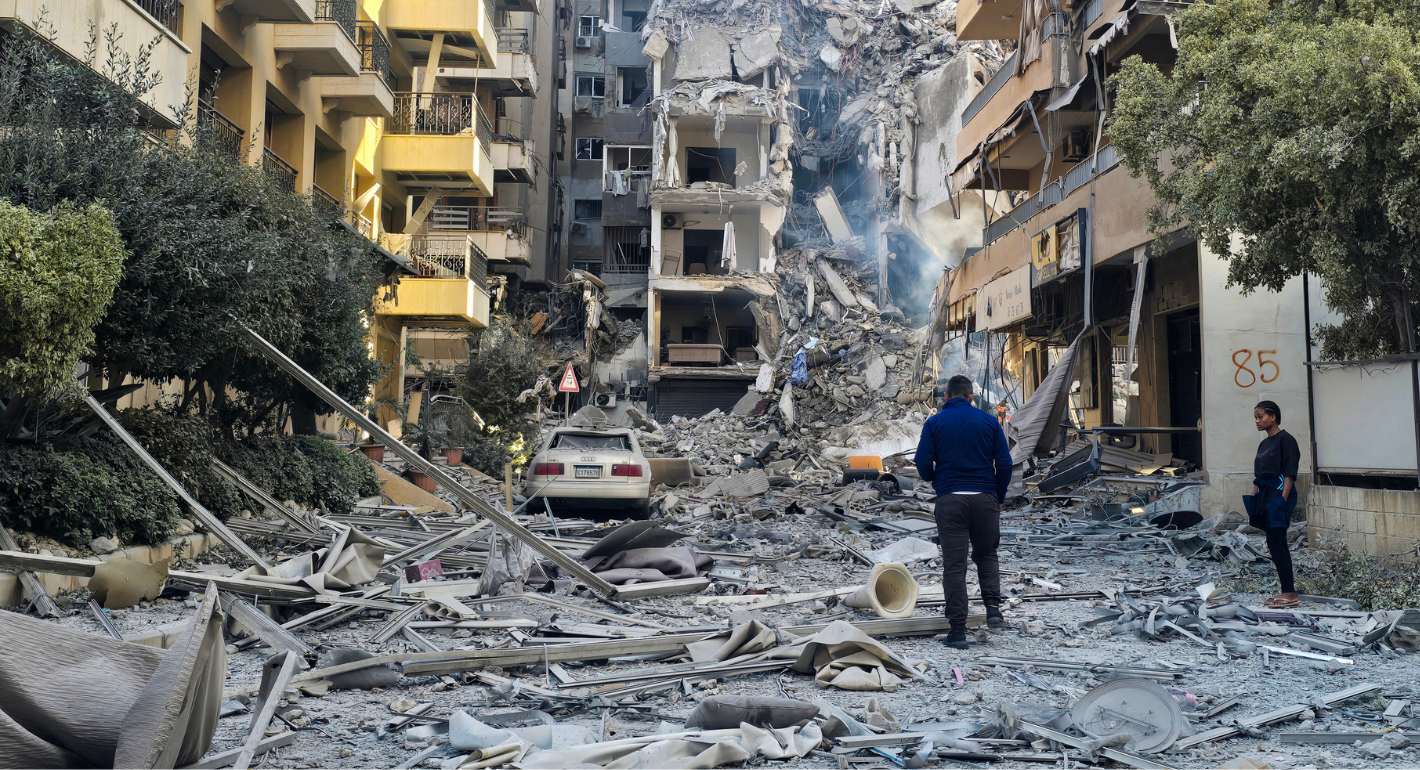
Europe seems to have accepted its sidelining in the Middle East. The EU must reassert its support for the international rules-based order and step up engagement.

Rym Momtaz
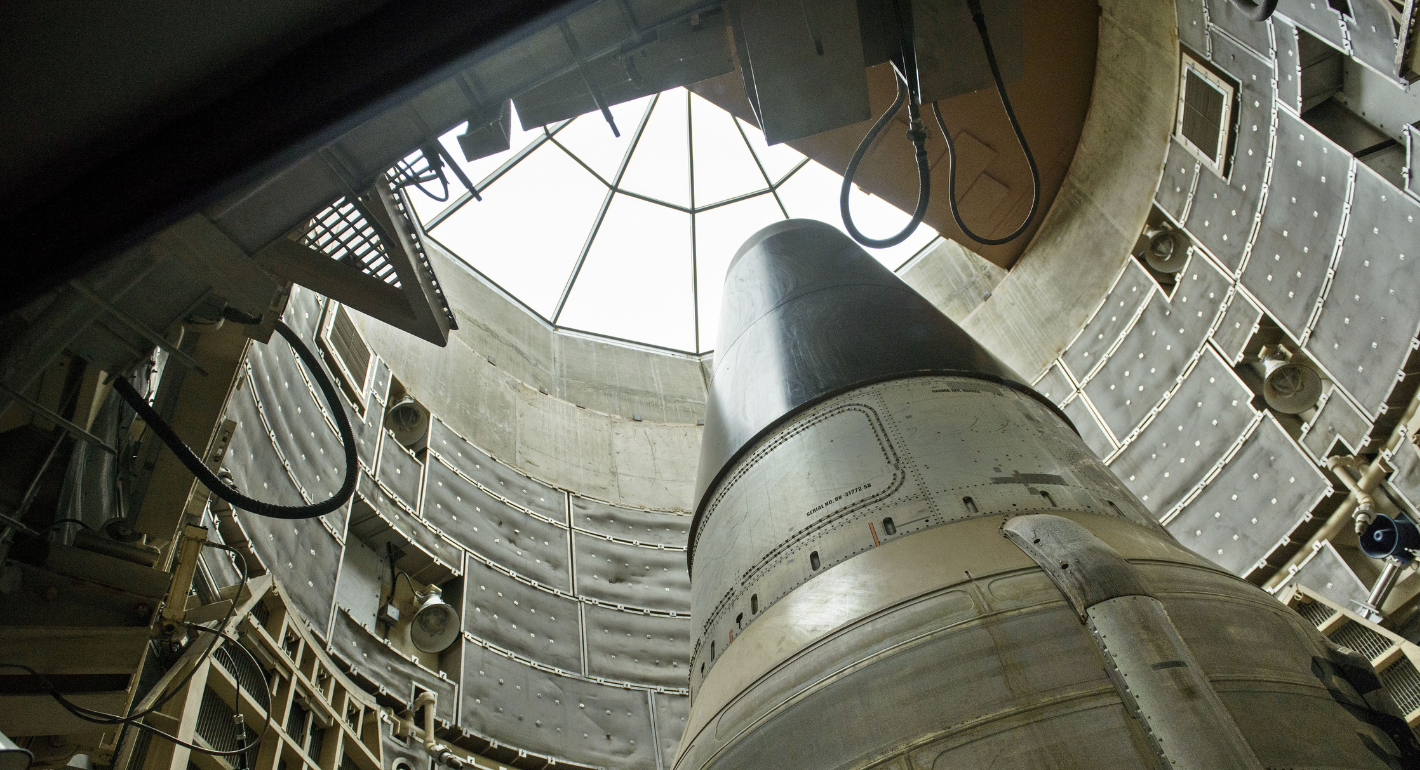
Amid uncertainty caused by the Iran war, the global drive for nonproliferation has stalled. With Europe diplomatically marginalized and countries reassessing their nuclear options, efforts to curb the spread of nuclear weapons risk becoming irrelevant.

Jane Darby Menton
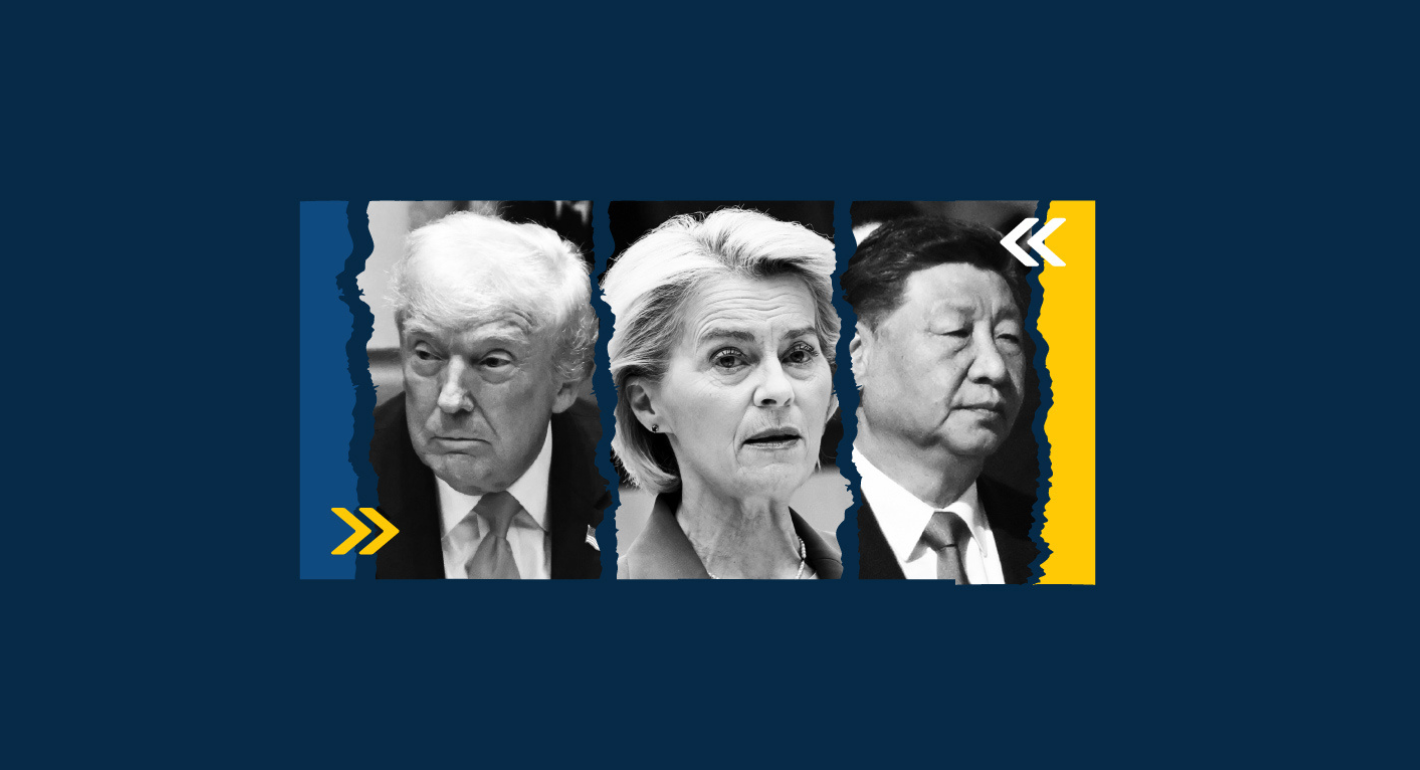
Between the United States’ market-driven approach and China's state-led industrial strategy, Europe is reckoning with how it can remain competitive in the global economy. But is Europe in danger of becoming a U.S. or China colony?


Noah Barkin, Anu Bradford
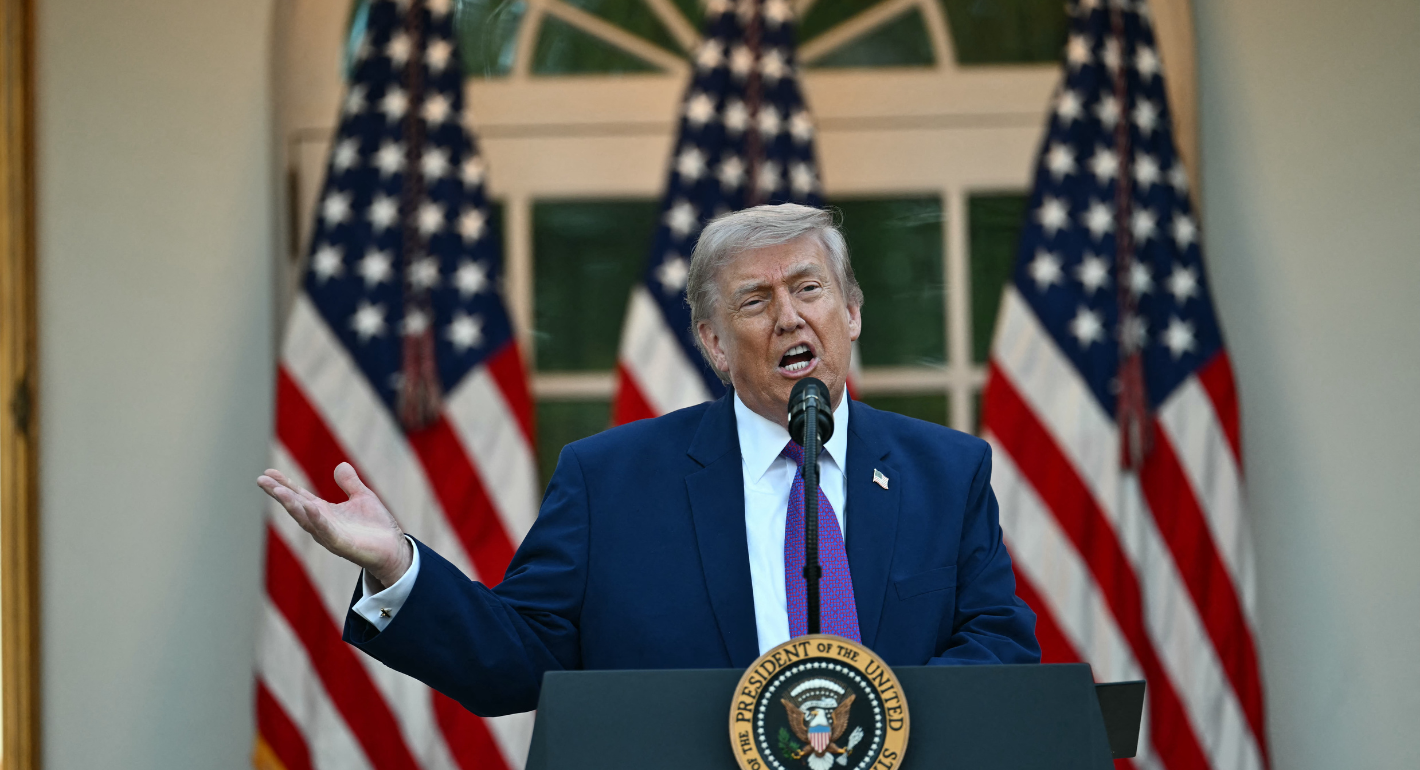
The full list of humiliations Europe has endured since Donald Trump returned to the White House makes for grim reading. But Washington’s adversarial approach to its allies undermines its own power base.
Rym Momtaz
The closure of the Strait of Hormuz has triggered a global energy crisis, but Europe is stuck in reaction mode. Without more strategic foresight, the EU will remain dependent on fossil fuels and will never be truly secure.


Milo McBride, Pauline Gerard