

Commentary
The Franco-German relationship is on the rocks again. But unlike previous moments of tension, the epochal changes on the world stage require that both step up investment in their bilateral ties.
Rym Momtaz
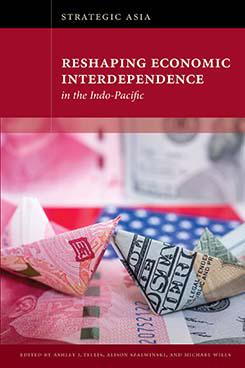
An examination of shifts occurring in the global trading system and their implications for the strategic environment in Asia.
Source: National Bureau of Asian Research
Strategic Asia: Reshaping Economic Interdependence in the Indo-Pacific examines shifts occurring in the global trading system and their implications for the strategic environment in Asia. Each chapter explores developments in goods, services, and finances, assesses the extent to which key countries and regions are decoupling from China, and evaluates the consequences for regional and global politics.
Read the introduction by Ashley J. Tellis for free or order this book.
Ashley J. Tellis holds the Tata Chair for Strategic Affairs and is a senior fellow at the Carnegie Endowment for International Peace and Research Director of the Strategic Asia Program at the National Bureau of Asian Research (NBR).
Alison Szalwinski is vice president of research at NBR.
Michael Wills is executive vice president at NBR.
Former Senior Fellow
Ashley J. Tellis was a senior fellow at the Carnegie Endowment for International Peace.
Alison Szalwinski
National Bureau of Asian Research
Alison Szalwinski is assistant director for political and security affairs at NBR.
Michael Wills
National Bureau of Asian Research
Michael Wills is senior vice president for strategy and finance at NBR.
Carnegie does not take institutional positions on public policy issues; the views represented herein are those of the author(s) and do not necessarily reflect the views of Carnegie, its staff, or its trustees.
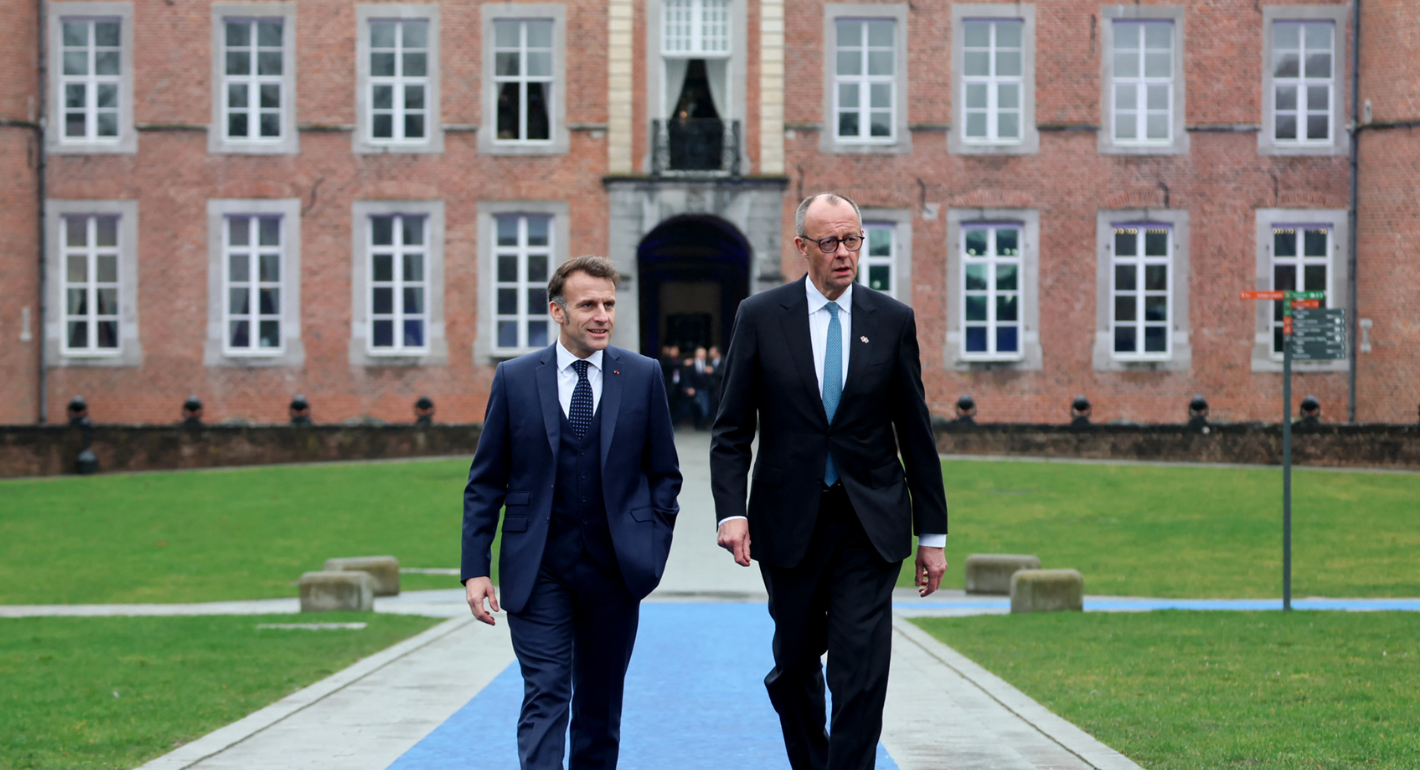
The Franco-German relationship is on the rocks again. But unlike previous moments of tension, the epochal changes on the world stage require that both step up investment in their bilateral ties.

Rym Momtaz

As geopolitical rivalry weaponizes global supply chains, the EU’s true vulnerability lies in emerging-risk imports. For these goods, suppliers are growing more concentrated, substitution more difficult, and political risk is looming.

Sinan Ülgen

The EU is putting together a new security strategy to meet today’s myriad challenges. But for any proposal to be effective, the union needs to grapple with its identity and ambitions.

Pierre Vimont
Three years after the Ohrid Agreement, Kosovo and Serbia remain far from normalization. To revive implementation, the EU should abandon its ambiguity and act as an even-handed arbitrator.



Miloš Pavković, Fitim Gashi, Iliriana Gjoni, …
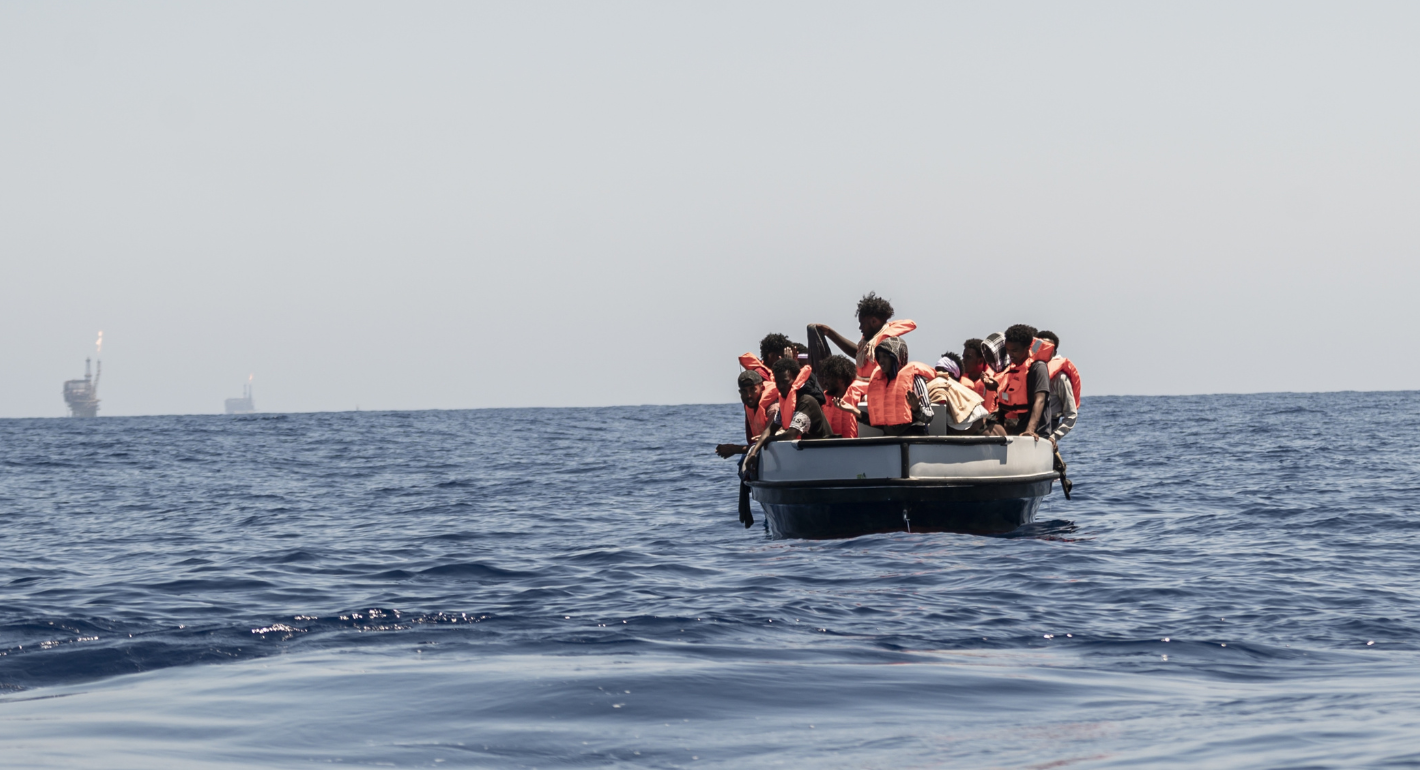
The EU’s new migration policy is not suited to today’s realities. With climate change increasingly becoming a driver of displacement, Europe needs to rethink its deterrence-focused approach.

Shana Tabak