

Paper
Marwa Daoudy, Muzna Dureid, Ethan Mayer-Rich
In the Middle East and North Africa, climate change is exacerbating tensions over water resources, between countries that share a basin or aquifer system and between domestic actors fighting for water access.
Edited by Marwa Daoudy
The importance of water increases substantially in arid and semi-arid regions, such as the Middle East and North Africa (MENA). North Africa is home to key transboundary water basins with significant differences in their rivers’ capacities to cope with drought, rising temperatures, and increasingly limited water supplies. Climate change adds a layer of insecurity, as it is causing protracted droughts, lower yields of food crops, sea-level rises, greater frequency and intensity of sand and dust storms, accelerated desertification, reduced snowpack, and increased human displacement from low-lying coastal areas. All of this has become quite evident in the region. The eastern Mediterranean experienced protracted droughts during the 2000s, and predictions of rising temperatures and decreasing precipitation have been borne out in recent years.
Indeed, extreme summer heat waves were recorded across the eastern Mediterranean and beyond in 2020 and 2021, with Iraq and several Gulf countries experiencing temperatures that surpassed 50 degrees Celsius (122 degrees Fahrenheit). Flooding displaced people and caused damage in Egypt in 2020, and wildfires spread through parts of Lebanon and Syria in 2019 and 2020. As droughts increase in intensity and frequency, water resources, food security, and food production are adversely affected. The problem is exacerbated by unsustainable practices such as wasteful irrigation and the depletion of groundwater aquifers.
To address these issues, the chapters in this compendium examine the experiences of MENA states and populations beset by a combination of climate change, armed conflicts, and territorial occupation. Interactions over several key transboundary waters in the Gulf, the Mashreq (the eastern part of the Arab world), and North Africa are analyzed from the perspective of several countries enduring riparian and aquifer system problems: Iraq, Lebanon, Oman, Palestine, Sudan, Syria, and Yemen. Each of the ten chapters highlight relevant inter-state relations over a shared basin/aquifer system or outline domestic interactions over water and environmental issues. The chapters address different aspects of growing friction between the climate and human security, including water and food insecurity, the spread of infectious diseases, the loss of livelihoods, and displacement. This compendium also shows that an exclusive focus on climate change obfuscates other important empirical drivers of water and food insecurity, including governmental policies regarding food, water, and land, as well as repressive systems in the form of authoritarian regimes, occupying powers, and/or hegemonic neighboring riparian states.
The first three entries in the compendium examine the experience of countries subjected to drastic climate change as well as domestic and or transboundary pressures. Zeinab Shuker argues that the water shortage in Iraq is a reflection of several factors: internal limitations, such as poor infrastructure, apparent corruption, and mismanagement; external pressures in the form of ongoing hydropower projects constructed upstream by Turkey and Iran; and worsening climate conditions. Left untreated, she writes, the Tigris and the Euphrates, the country’s two main rivers and together a primary resource of irrigation and drinking water, will go dry by 2040. Joey Ayoub explores the history of the Save Bisri Valley grassroots campaign in Lebanon, revealing the interplay between environmental concerns and broader sociopolitical movements, as demonstrated by some of the slogans raised during the 2019 protests that took place across the country. Climate change, writes Suad Al-Manji, has a powerful impact on Oman—with its dry climate, extreme temperatures, limited seasonal rainfall, and vast expanse of desert. Under threat are the country’s aquifers, which are also severely depleted by mass consumption; for the country to avoid a significant water crisis in the future, climate-proofing, or the preservation of groundwater through mitigation measures, is imperative.
The next five chapters examine the complexity of climate vulnerability in the context of armed conflict and territorial occupation. Neda Zawahri shows that in Syria, climate change, drought, weak government institutions, and the destruction of critical infrastructure over twelve years of war have contributed to water, food, and energy insecurities that have resulted in enormous human suffering. This dramatic humanitarian crisis was severely aggravated by the February 2023 earthquake in Türkiye and northwestern Syria. Muna Dajani shines a light on another part of Syria, the occupied Golan Heights. She examines the dispossession of the Jawlani community (Syrians who remained in the Golan Heights after it was occupied by Israel in the 1967 War) and reveals the counterinfrastructure strategies the Jawlanis have employed to resist domination and adapt to unfavorable political and climatic realities. Against a backdrop of climate change, Dajani argues, Israel continues to exercise control by promoting renewable energies in occupied territories in the name of green development. Moving on to another conflict, Mohammad Al-Saidi looks into Yemen’s current water scarcity, arguing that it stems from a governance crisis that has its roots in sustainability failures dating to the postindependence era. The country’s armed conflict, which began in 2015 and is ongoing, has exacerbated water and food insecurities and led to the widespread loss of livelihoods. The next two chapters look into the difficult environmental and socioeconomic conditions experienced by Palestinians living under occupation in the West Bank and siege in Gaza. The threat of climate change in Palestine, writes Sharif Elmusa, is particularly alarming, given that Israeli military rule and Jewish settlements leave West Bank Palestinians, who lack real autonomy, unable to adapt. Meanwhile, Palestinians in Gaza, explain Rebhy El Sheikh and Fuad Bateh, suffer from inequitable supply from the coastal aquifer as well as drastic restrictions on their water management and development, all because of Israel’s siege, which impedes their access to power, electricity, and critical rehabilitation materials. In the last decades, Israel has also targeted and destroyed their water and civilian infrastructures. One of the authors of this chapter, Rebhy El Sheikh, wrote his chapter from his hometown city of Gaza and completed it in exile following Israel’s massive onslaught on Gaza.
The final section of the compendium analyzes the role of transboundary negotiations over shared waters on dynamics of mutual conflict or cooperation, revealing different findings. In my chapter, I show how, in the Occupied Palestinian Territories (OPT), Israel has weaponized Palestinian access to the shared Mountain Aquifer as well as wastewater treatment and used the two issues as bargaining chips in negotiations. This weaponization has left Palestinians in the OPT under the triple threat of the loss of water supplies, groundwater contamination by wastewater, and increasing pressure wrought by climate change. In the compendium’s final entry, Mohammed Mahmoud argues that Sudan has the potential to act as an effective mediator between Egypt and Ethiopia over the latter’s dam project in the Nile Basin, but he cautions that Sudan’s current internal conflict together with tense diplomatic relations between the three countries could prevent an agreement over the Nile waters.
Water is an essential part of the story of Iraq, also called the Land of the Two Rivers, where some of the world’s earliest civilizations came into being. The continuation of life and the development of the human saga in these parts of the world were, to a large degree, a product of the availability of abundant water, fertile land, and the ability of the people settling there to harness these resources and form complex societies around them. Yet what was once known as the Garden of Eden is now a barren desert. The resources that allowed people to live and thrive in Mesopotamia/Iraq are disappearing, leaving in their wake not only environmental devastation but also explosive social, economic, and political tensions.
Water shortage in Iraq is the result of several factors: poor infrastructure and limited state capacity; ongoing hydropower projects constructed upstream by Turkey and Iran; and worsening climate conditions that are affecting the Middle East and North Africa, including increased temperatures, severe and prolonged droughts, and a decline in precipitation levels. Some reports have predicted that, if climate threats are left unaddressed, the Tigris and the Euphrates, Iraq’s two main rivers, will run dry by 2040. The rivers, both of which originate in Turkey and pass through Syria before making their way to Iraq, are the source of about 98 percent of the country’s water supply.
That is alarming enough, but the ramifications will not end there. If Iraq’s water crisis is not met with a robust response, domestic turmoil will follow. A destabilized Iraq will have dire social, economic, and political consequences for its neighbors. Thus, immediate measures are required on the part of the Iraqi government as well as international agencies to address the issue of water shortage.
Iraq’s water crisis spans the length and breadth of the country. In 2023, after four seasons of drought in Iraq, water levels at the Mosul Dam, which has a storage capacity ranging from 6 to 11 billion cubic meters, reached their lowest levels since its construction in 1986. Three submerged Yazidi landmarks surfaced for the first time in forty years. Experts believe that if no action is taken, Mosul Lake might soon run dry, leaving the 1.7 million residents of Mosul without power and water for crop irrigation. A 2021 report by the Norwegian Refugee Council (NRC) predicted that in Nineveh Governorate, wheat production could drop by 70 percent.
Meanwhile, the Kurdistan Region of Iraq, which also lies in the north, is not faring well, despite diverse water sources compared to the rest of the country. The region gets its water from the Tigris, the Great Zab, and the Little Zab, as well as from rainfall and groundwater. However, less rainfall and the decline in water levels coming from Turkey and Iran impact water levels in many of the region’s main dams. Reports have found that the Dukan Dam, which provides drinking water for 3 million residents in Sulaymaniyah and Kirkuk and has a capacity of 7 billion cubic meters of water, holds only 2 billion cubic meters. Meanwhile, water levels in Sulaymaniyah’s Darbandikhan Dam have declined by 7 meters, making the dam operate at only a third of its capacity. The decline in water levels has devastated the region and its people, as evidenced by the decline in fishing, tourism, and agricultural production. The 2001 NRC report estimated that water shortages would reduce the region’s wheat production by half in the following year.
Iraq’s south, however, is where the situation is at its worst. While northern parts of the country have multiple sources of water and are close to the starting points of the two rivers and their tributaries, which grants them access to a larger water quantity and better quality, southern Iraq lacks these advantages. Moreover, water quality and quantity significantly diminish as the rivers flow south. Towns and cities in the central and southern parts of the country depend heavily on the Tigris and Euphrates for water—all the more so in recent years, with precipitation levels 40 percent below normal, according to some studies.
Additionally, because Iraq has limited and outdated infrastructure for managing industrial, agricultural, and petroleum waste, often that waste ends up in the rivers themselves, causing major health risks. In 2018, some 118,000 people were hospitalized in Basra city due to symptoms related to water pollution. The Iraqi Observatory for Human Rights found evidence that petroleum and oil pollution, medical waste, and wastewater directly go into the rivers. The decline in water levels and the increase in pollution has led to salinity levels in the Shatt al-Arab River that are ten times higher than acceptable World Health Organization standards.
Depleted water supplies, pollution, and increased salinization have also affected important ecosystems in the country. Efforts to restore the Iraqi marshlands post-2003 were fairly successful despite their destruction at the hands of Saddam Hussein’s regime in the early 1990s. The Marsh Arabs, also called the Ma’dan, are part of one of the world’s oldest living cultures and have lived on the land for generations. And the region’s biodiversity is such that it is home to twenty-two globally endangered species and sixty-six at-risk bird species. In 2016, the United Nations named the marshes a UNESCO World Heritage Site.
However, today, water levels have declined significantly, and seawater from the Gulf has intruded as far as 189 kilometers northward, destroying more than 24,000 hectares of agricultural land and 30,000 trees. The combination of environmental degradation and climate change has once again undermined the way of life of the communities in the area and the rest of southern Iraq, displacing many to the cities, where they have difficulty finding work. The World Bank’s estimate of a water deficit in Iraq of 20 billion cubic meters per year by 2030 could reduce the country’s gross domestic product (GDP) by up to 4 percent, or approximately $6.6 billion. The impact of the water shortage can already be felt on the ground. A study by the International Organization for Migration found that as of March 15, 2023, 12,212 families (about 73,272 individuals) remain displaced across ten governorates in central and southern parts of Iraq, and these numbers are only expected to increase with time if nothing is done.
The outcome of all this is that Iraq could go from being a water-stressed country to a water-scarce one. Both water scarcity and water stress are relative concepts that indicate a perilous condition: demand for water increases while water supply is affected by decreasing quantity or quality. Water stress refers to human-related limitations, such as outdated infrastructure, that undermine water availability and water quality. Water scarcity refers to a lack of freshwater resources. In the case of Iraq, the country used to receive approximately 30 billion cubic meters of water in 1933, which decreased to around 9.5 billion in 2023, with an expected availability per capita of 479 cubic meters by 2030, which would make the country water-scarce. Falkenmark water stress indicator, a country with water supplies below 1,700 cubic meters per person per year is water-stressed.
Iraq’s past and current climate crisis reflects changing global weather patterns and human-induced activities that intentionally and unintentionally destroyed the country’s environment and lowered its environmental resilience. Internally, the country’s decades-long dependency on the oil sector has produced a rentier system whereby, in return for obedience to the political leadership, citizens gain access to resources, a social safety net, and employment. Other sectors of the economy, such as agriculture, were deprioritized, eventually leaving the country with an outdated irrigation system and infrastructure.
These conditions only worsened with economic sanctions, wars, and internal conflict, leaving many water pumping stations that were built in the 1970s run down or even nonoperational and beyond repair. Outdated infrastructure also means that water treatment plants have long been neglected, which increases the pollution of waterways. According to the Environment Ministry, water treatment facilities in Baghdad meet the needs of only 5 million of the capital city’s 8 million residents.
Political actors in Iraq have scant interest in scrapping the rentier system. It is this very system that has since 2003 allowed them to build states-within-the-state, as well as militias and propaganda machines. Though climate change and environmental degradation in Iraq are not new, political elites ignored the issues until they became urgent and even now often seem disinclined to do much about them. For example, Iraq has yet to even begin to diversify its economy; this past decade, oil revenues accounted for around 99 percent of all exports, 85 percent of the country’s budget, and 42 percent of GDP.
The impact of the water crisis is felt mostly by the poor of the country, who are already experiencing limited economic opportunities and social and political marginalization. A 2022 study by the NRC found that 38 percent of the 1,341 households surveyed across five governorates reported increased social tensions over competition for resources and jobs, and many were forced to leave their community in search of job opportunities. These conditions are expected to worsen with time, as more families and individuals will be displaced to overpopulated cities with limited job opportunities and resources.
Many families displaced from rural areas in southern Iraq wind up in Basra, living in informal housing and excluded from the formal water and sanitation network. They tap illegally into the water network, further impacting the water infrastructure, and consume polluted water, thereby impacting their health and well-being. Long plagued by corruption and shoddy infrastructure, Basra is today one of the poorest and least developed cities in the country, despite the massive amount of oil on which it sits. Water infrastructure, as a result, is among the outdated structures in the city. Also, Basra is located at the end and the meeting point of the two rivers, which means that the water there is the lowest in quality and quantity. The temperatures are often exceedingly high, due in part to gas flares that periodically pollute the city skies and also increase water evaporation.
Iraq’s water problems are not only internal. External conditions play a very important role in limiting how much water the country receives. Iraq was considered water-rich until the 1970s, when Turkey began building a series of dams. Ever since, Turkey’s hydraulic projects have been an ongoing problem between the two countries, as they have reduced water flow to Iraq by 30–40 percent. Undeterred, Ankara has forged ahead with its projects—such as the Ilısu Dam, which opened on the Tigris in 2018.
Its hydraulic projects and their adverse effects on Iraq notwithstanding, Turkey itself is a water-stressed country—usable water per capita dropped from 1,652 cubic meters in 2000 to 1,200 cubic meters in 2023. Basically, a combination of mismanagement and worsening climate conditions has hit Turkey hard. In a press conference with Iraqi Prime Minister Mohammed Shia’ al-Sudani over water sharing between Turkey and Iraq, Turkish President Recep Tayyip Erdoğan said that “precipitation in Turkey is at its lowest level in 62 years.” Turkey is likely to experience further water scarcity over the next few decades—which bodes ill for Iraq.
Syria is another country with its own water crisis. Reports found that in 2021, Syria had 40 percent less drinking water when compared to prewar years. The remaining water is highly polluted, which has led to a massive cholera outbreak. Between August 25, 2022, and February 15, 2023, nearly 100,000 suspected cholera cases were reported across all fourteen of the country’s governorates, with at least 100 deaths. Since the Tigris passes through Syria before reaching Iraq, water mismanagement and waste reduces the quantity, and impacts the quality, of what enters the country.
Iran’s water policy is another source of trouble for Iraq. Since the 1979 revolution, Iran has cultivated water-intensive crops such as sugar beet in order to become food self-sufficient and shield itself from Western dependency. To provide water for its increased irrigation needs, the government has constructed poorly planned dams and engaged in random well-digging. In 2021, the combination of such mismanagement of water resources and climate change resulted in one of the worst droughts the country had ever experienced. In 2022, Iranians took to the streets to express their anger over poverty, lack of economic opportunities, the treatment of women, and the water shortage the country is experiencing.
Over the decades, to address its increasing need for water and to calm the anger of its people, Iran has embarked on several projects that have had a detrimental effect on Iraq. Arguably the most harmful of these was construction of the Kolsa Dam to divert the Little Zab to feed Lake Urmia and the Sirwan River, both of which Iran relies on for irrigation. The Kolsa Dam has caused an estimated 80 percent drop in the water levels of the Little Zab. As a result, water levels in the Little Zab and Sirwan, both key tributaries of the Tigris, have dropped significantly. The impact of continued water mismanagement in Iran could be devastating for both Iraq and Iran, given that about two-thirds of Iran’s 10.2 billion cubic meters of water flow across its borders into Iraq.
While the level of the crisis is overwhelming, large- or even medium-scale solutions can arrest and even reverse the impending disaster. Addressing the structural limitations of the regime, such as corruption and inadequate decisionmaking, is essential in responding to the country’s climate and other related crises. For instance, the fragmentation of decisionmaking between state and local authorities on how to address water shortage, together with the main political parties’ uninterest in providing sufficient funding and support to the Ministry of Water Resources and the Ministry of Environment (from which they cannot extract major profits), means that decisions are often less effective when made.
Overhauling Iraq’s infrastructure is also imperative. Some steps have been taken in that direction. For instance, on the outskirts of Basra, the authorities recently completed a $200 million water desalination plant with support and funding from Japan. The project aims to provide water to 400,000 of the city’s 1.5 million inhabitants. A similar project by the U.S. Agency for International Development modernized water infrastructure for up to 650,000 people in Basra, and the United Nations Development Programme led reconstruction efforts for Mosul’s water infrastructure. These projects, most of which are undertaken by the international community, are key to sustaining a decent level of water quality and quantity.
However, efforts to address Iraq’s internal problems must include climate diplomacy with Iraq’s neighbors. In theory, this should not be difficult. A situation of collapse in Iraq is not in the interest of the country’s neighbors, given that instability can spread. Facilitating discussions among Iran, Iraq, and Turkey is an important step on the path to tangible cooperation. Iraq recently became the first country in the Middle East to join the Convention on the Protection and Use of Transboundary Watercourses and International Lakes, which aims “to ensure the sustainable use of transboundary water resources by facilitating cooperation across borders.” Additionally, Iraq signed the Paris Agreement in 2016 and ratified it in November 2021. The Paris Agreement is a legally binding international treaty focused on combating climate change.
More recently, the Iraqi government has increased its efforts to catalyze the conversation about climate change. In March 2023, Iraq hosted the Iraq Climate Conference in Basra. And in 2023, the country’s third international water conference, titled “Water Scarcity, the Mesopotamian Marshes, Shatt al-Arab Environment, Everyone’s Responsibility,” was held in Baghdad to discuss growing threats of drought and water scarcity between Iran, Iraq, and Turkey. However, it remains to be seen whether these conferences’ closing recommendations will translate into action.
In 2021, Turkey and Iraq reached an agreement declaring Ankara’s commitment to fair water flow and determined how much water Turkey must release to both Syria and Iraq. However, a Euphrates-Tigris basin-wide agreement has not yet been reached. Moreover, agreements aside, there remains the issue of implementation. International actors must work with the Iranian, Iraqi, and Turkish governments to ensure the implementation of existing agreements and further commitments to international and regional conventions.
Finally, the international community and the Iraqi state should support civil and political activists on the ground. These activists are the people best placed to spread environmental consciousness among ordinary Iraqis. They are part of the impacted communities and can organize them politically. Community pressure is a means to hound decisionmakers into addressing environmental degradation. At the same time, these activists often require protection. In February 2023, Jassim al-Asadi, a prominent environmental activist in Iraq, was kidnapped and tortured before being released two weeks later. Asadi’s ordeal highlights the threats activists face for bringing attention to climate issues, pressuring decisionmakers, and educating the public.
The water crisis in Iraq is the country’s new major threat. What makes this threat different from previous sources of instability is that it is the product of Iraq’s internal dysfunctions, its neighbors’ own limitations, and the global scourge that is climate change. What makes the water crisis in Iraq dangerous is its ability to drastically change the landscape of the country; impact its economic, political, and social stability; and even make some parts of it unlivable. The consequences of such a series of events would be felt beyond Iraq’s borders and cascade into the region and the world.
Current political and economic conditions show little indication that decisionmakers will take climate and water crises seriously and implement effective long-term plans, since these plans are likely to threaten the existing system and its beneficiaries. Even if decisionmakers do take serious steps to address the crisis at hand, the odds are low that such measures would prove effective, considering institutional limitations. However, this is not to say that Iraq is doomed. The knowledge that if Iraq’s water issues are ignored, then the country will be engulfed by instability may yet galvanize ordinary people and politicians into action.

Zeinab Shuker
Zeinab Shuker is an assistant professor of sociology at Sam Houston State University, Texas. Her research interests revolve around comparative global political economy, democracy, climate change, and theory, with special emphasis on the Middle East in general and Iraq in particular.
On September 5, 2020, the World Bank officially notified the Lebanese government that it had canceled $244 million in funding for the Water Supply Augmentation Project, better known as the Bisri Dam project. The government had failed to meet three conditions: completing an Ecological Compensation Plan to offset biodiversity and ecosystem damage; hiring a contractor for the worksite no later than September 4, 2020; and finalizing the operation and maintenance arrangements for the project no later than August 24, 2020.
Located about 35 kilometers (approximately 20 miles) southeast of Beirut, the Bisri Valley entered the spotlight when, in 2014, the Lebanese government approved World Bank financing for what would prove to be a highly controversial project. Although the project’s cancellation was partly overshadowed by the devastating explosion at the Beirut port a month earlier, it was generally seen as a significant milestone for Lebanon’s environmental activists and residents in and around the valley.
The episode underlined that environmental concerns in Lebanon cannot be decoupled from politics. This may be true everywhere, since the relationship is at the heart of a movement that has gained prominence globally and that ties together environmental issues with justice. This connection was underlined in October 2021 when the United Nations Human Rights Council recognized “that having a clean, healthy and sustainable environment is a human right.” However, in Lebanon this connection had especial resonance because opposition to the Bisri Dam, organized by the Save Bisri Valley (SBV) campaign, took place amid protests against the country’s political class.
Starting in October 2019, Lebanese people went into the streets for several weeks of mass protests against the corruption of their sectarian political leadership. By building on the widespread disgust among the population with politicians and the way they conducted national affairs, the SBV campaign was able to transform a niche environmental issue into a reflection of broader popular discontent. In that way, it brought the Bisri project to the forefront of national attention, at least temporarily. The campaign also underlined that action tends to be more successful when activists manage to link their causes with other cases of contestation.
The Bisri Dam project goes back to the 1950s, when it was initially proposed by the United States Bureau of Reclamation to the then young republic of Lebanon. The idea behind the project was fairly straightforward, as Roland Nassour, the coordinator of the SBV campaign, has pointed out, namely “to funnel water to Beirut and its suburbs from the Bisri reservoir through water transmission lines.” This required the construction of a 73-meter-high barrier, as well as the expropriation of 570 hectares of “mostly agricultural and natural lands from around ten municipalities of the Chouf and Jezzine districts.”
The fact that the Bisri Dam project took decades to materialize did not mean that Lebanon opposed the idea of building a dam. In fact, dams continue to occupy “an almost idealized place” in Lebanon’s national water strategy, in the words of one local environmentalist. This emphasis on dams is true despite the fact that such structures have been criticized for decades because of their negative socioenvironmental impacts. The organization International Rivers summed up the criticism in a November 2022 press release at COP27: “Dams and hydropower schemes create major loss and damage, including producing significant amounts of methane, biodiversity loss, and community displacement.” In 2021, over 350 organizations from seventy-eight countries called on the United Nations to exclude hydropower dams from climate finance mechanisms.
In light of this attitude, the Lebanon Eco Movement, a coalition of over sixty environmental organizations and associations, first made public statements against the Bisri project in 2017, before launching the SBV campaign with other groups the following year. However, it was the October 2019 uprising that served as a catalyst for the campaign, as opponents of the Bisri Dam project made a conscious effort to tie their actions to the wider ferment taking place in the country. This choice contrasted with a similar campaign to stop the Qaisamani Dam project in Hammana, which began in 2013. There, opponents were able to mobilize the local community against the dam, according to Jibal, anongovernmental organization, but they failed to build a broader coalition. That is one reason why the project was able to go ahead.
SBV’s opposition to the Bisri project was prompted by its potentially dangerous repercussions. The authors of a paper published in Engineering Geology wrote that the dam would put “thousands of people and various structures at risk” and had a “high risk for protracted seismicity.” In addition, the SBV campaign pointed out that the dam threatened the Bisri Valley’s role as a habitat for migratory birds protected under the Agreement on the Conservation of African-Eurasian Migratory Waterbirds, to which Lebanon is a party.
However, it was the political impact of the dam that made the country’s leaders push back against the environmentalists. SBV coordinator Nassour explained the politicians’ motivations when he pointed out that dams “carry symbolic political meaning because they are an opportunity for politicians to claim that they are achieving something concrete.” In addition, like so many facets of Lebanese political life, the Bisri Dam project was caught up in sectarian politics. Indeed, the mayor of Mazraat al-Chouf, where the dam was to be located, is a member of the Progressive Socialist Party (PSP), formerly led by the Druze communal leader Walid Jumblatt. The party was an early supporter of the project, but it later reversed itself. This reversal may have been provoked by the fact that Gebran Bassil, who was then the energy minister, is also the head of the Free Patriotic Movement (FPM), with which the PSP has had an adverse relationship.
There was another dimension that was likely just as important. Bassil, the son-in-law of then president Michel Aoun, was a primary target of protesters in the 2019 uprising: one chant that insulted him personally was among the most popular in the streets. It was during his tenure as energy minister in 2010 that Bassil approved a new strategy for Lebanon’s water sector. This strategy included building fourteen dams, including the Bisri Dam, whose construction was ratified by the cabinet two years later; the World Bank promised funding two years after the ratification.
As the protests in October 2019 grew more prominent, the PSP saw an opportunity to withdraw its members from a government dominated by the FPM, Hezbollah, and the Amal Movement, thereby attempting to shield itself from public condemnation. By that time, the SBV campaign had become a part of the protests. Nassour told a journalist that the SBV campaign was a “clear reflection” of the principal slogan of the uprising, killon yaane killon, which in Arabic means “all of them means all of them,” in reference to the corruption pervading society. As the Bisri Dam was by then associated with the FPM and Bassil personally, the PSP sought to gain points by distancing itself from a project the party had once backed, with Jumblatt citing environmental concerns for his change of heart.
There were several lessons from the success of environmental activists in preventing construction of the Bisri Dam. These were all the more valuable in that the political spaces for expression in Lebanon have steadily eroded over the years.
First, the SBV campaign underlined the fundamental link between environmental activism and politics, deriving from the inherent political dimension of many environmental issues in the country. Where political interests have often led to policies damaging to the environment, activists were able to turn the tables and exploit politics to impose their preferences.
The SBV’s successful linking of its campaign with the uprising of October 2019 showed the advantages of drawing on a broader protest movement to impose change. It also emphasized that playing on political rivalries could create valuable openings, since the political class in Lebanon, no doubt hypocritically, often seeks to project itself as being on the side of the public good. The SBV benefited from the PSP’s political divergences with Bassil and the FPM, but also from the PSP’s desire not to be tarred with the same brush as Lebanon’s other political forces, which had been main objects of disparagement by those demonstrating in the streets.
A second lesson of the SBV campaign pertains to the importance of adopting an intersectional and inclusive approach when addressing environmental issues. With global warming, these issues are sure to become ever more intertwined and multifaceted. Eco-friendly activism finds itself at the crossroads of a variety of concerns—environmental challenges that feed into each other, public and private corruption, and political interests that often undermine the well-being of the public. Unless activists can find a way of integrating their responses to such challenges and of thinking strategically, it will be difficult for them to accomplish their aims.
In 2019, Lebanon went through a situation that was a textbook example of how an environmental disaster can feed political contestation, which in turn reinforced environmental activism. Among the triggers of the uprising in 2019 were wildfires that occurred in the days preceding the protests. On October 13, they devastated large parts of the Chouf and Iqlim al-Kharroub regions in the mountains, as well as other localities south of Beirut. The state handled the initial response very poorly, in part because it had failed to adequately maintain firefighting helicopters. The fires were extinguished thanks to foreign assistance, including helicopters sent by Cyprus, Greece, Jordan, and Türkiye, as well as to local efforts to combat the blazes by ordinary Lebanese, Palestinian, and other civilians and, finally, to rain. The state’s response provoked great indignation, which in turn was a contributing factor in the nationwide demonstrations several days later, lending momentum to the SBV campaign in the months that followed.
The SBV campaign also found success in its attempts to appeal to a cross section of Lebanese society. This was not always true of Lebanon’s environmental movement, which was often primarily a middle-class phenomenon. As Karim Makdisi has written, “the main inspiration and impetus for these pioneer environmentalists—mostly professional, middle class, and Western educated . . . was the success of the environmental movement in Europe and North America during the 1960s that culminated in the 1972 United Nations Conference on the Human Environment in Stockholm.”
Why would a heavily middle-class movement be problematic? First, because it is invariably better for activists to pursue their objectives as part of the broadest possible coalition of social forces and categories. Second, climate justice requires that the voice of the most vulnerable groups be heard. Environmentally damaging policies often impact the most defenseless in society most severely. It is important, therefore, that environmental activism include a cross section of the population, so that all sides of the story can be represented.
While it was arguably a middle-class phenomenon initially, the SBV campaign did seek to appeal across social strata when it grasped that opposition to the dam included thousands of people from varied class and sectarian backgrounds in the Chouf, Jezzine, and Sidon regions. This it did by forming WhatsApp groups, which allowed neighbors to learn about one another in ways that were not possible previously and to find common cause against the Bisri project.
As Lebanon’s social environment is changing, the predominantly middle-class nature of Lebanese environmental activism has to be updated. The country’s financial and economic crises have led to the pauperization of an already relatively small middle class, and income and wealth inequalities continue to increase. As living conditions have deteriorated, social disparities will likely widen. It remains to be seen whether future protests and other forms of contestation will bring people from diverse backgrounds together or whether divisions will remain or be exacerbated, thereby weakening the wide appeal of activist networks.
A model to follow can be what was implemented in September 2022 in the Akkar region of northern Lebanon, where at least eighty Lebanese and Syrian women and men from fifteen villages formed a team of volunteer firefighters. Along with the Beqaa Valley, Akkar is Lebanon’s poorest region, and residents there are strongly aware of it. While the Lebanese state and a significant percentage of the population continue to scapegoat Syrian refugees in the rest of the country, in Akkar, time and time again Lebanese and Syrians have cooperated closely. The volunteer firefighters are an example of the “solidarity not charity” principle of mutual aid—when a group from a community sets up to serve that community.
A third lesson learned from the SBV campaign is that environmental activism is greatly reinforced if activists can unite around practical solutions for the issues they are addressing. Otherwise, they only leave space for members of the political class to impose solutions of their own that serve their interests but that are inadequate for protecting the environment and the public. Indeed, SBV as well as independent scientists proposed alternatives to the Bisri Dam, alternatives that would “[harness] Lebanon’s natural and geological advantages.” These included making more efficient use of underground water resources, reducing water loss (which can reach up to 50 percent in some areas) in the distribution network, as well as building “small to medium-sized urban collective storage ponds.” While these proposals were valuable, they were not presented in a cohesive and systematic fashion, leaving room for politicians to propose new water projects that would only benefit themselves.
A good example of the negative outcomes of failing to propose solutions is an environmental campaign that took place in 2015, following the closure of Lebanon’s largest landfill and the consequent accumulation of waste in Beirut and Mount Lebanon. This gave birth to a protest campaign known as You Stink, launched by independent environmentalists and activists. 1 Although the campaign drew large crowds—which were surpassed in size only by the uprising in 2019—it lost momentum after a few months and failed to change the government’s waste disposal model. This was due, at least in part, to the lack of a unified set of demands.
However, the You Stink campaign did have other significant repercussions on civic activism, particularly in potentially bringing to office people who could present policy solutions to environmental and other problems. The campaign is generally credited with having provided the spark for the establishment of the Beirut Madinati (Beirut My City) list in the municipal elections of 2016. Beirut Madinati united a number of civic activists who had no experience of traditional Lebanese politics. While it failed to win a seat on the Beirut municipal council, the list garnered a high number of votes, showing its appeal to many voters. Indeed, it could be argued that Beirut Madinati was the wedge that allowed civic activists to enter Parliament in the general elections of 2018, where they managed to form a sizable legislative bloc.
As Mona Fawaz, one of Beirut Madinati’s founders, noted: “When protesters’ demands weren’t heard [in the You Stink campaign], activists began to debate the next steps, with some suggesting participation in local elections.” However, You Stink’s most active participants were not all immediately in agreement with shifting the focus toward municipal elections, Fawaz continued, and most only came on board after Beirut Madinati was fully established.
There are two main conclusions from the You Stink experience. The first is that any separation between the environment and politics is artificial insofar as environmental justice is concerned. The disposal of solid waste is highly lucrative, and many politicians were partly funded from the revenues derived from this in different Lebanese regions. So, when the landfill was closed, they were keen to find other ways of ensuring they could finance their patronage networks from any new system put in place. This undermined any notion of environmental justice, as the Lebanese state would continue to adhere to an archaic waste management system that still damages the environment and is detrimental to citizens’ health.
This reality has only reaffirmed how Lebanon’s politicians and parties have long reduced the environment to the exploitation of its lucrative resources and an extension of their sectarian political interests. This was especially true in the Bisri Dam case. In the valley where the project was to be located, the political dominance of the PSP devalued the inherent worth of the land—its soil, trees, rivers, and wildlife—fitting it into a more sectarianism-friendly framework. Such dynamics have been repeated time and time again throughout Lebanon.
Separating the environment from politics is better understood as the depoliticization of that which is inherently political. To Lebanon’s politicians, the Bisri Dam project would have unlocked $244 million that could have been diverted to political, or personal, use. The corruption of Lebanon’s political class has long been noted in reports on the country. For instance, a 2022 report from the Reform Initiative for Transparent Economies stated, “Some of the challenges to international funding in Lebanon relate to the country’s known corruption problems and its slow pace of reforms.” (The word “corruption” was mentioned thirty-two times in the eighty-three-page report.) According to the same report, in 2019 an EU Parliament resolution on Lebanon “strongly deplored the extremely high level of mismanagement and lack of financial oversight over funds delivered in the past.” To this day there is no clear understanding of how much international funding enters into private hands.
The SBV campaign, like the You Stink campaign before it, exemplified the inherent relationship between the environment and politics. For this reason, environmental activists would benefit from adopting an environmental justice approach as this might help them to navigate the complex political and economic currents that they will invariably face.
Indeed, the SBV campaign went beyond opposing construction of the Bisri Dam as it sought to appeal to wider grievances directed against the political establishment, blurring the line that separates environmental activism from the public interest and politics. Similarly, You Stink, which emerged from a waste management crisis, linked environmental advocacy with wider political objections. The fact that it drew large crowds and influenced phenomena such as Beirut Madinati affirmed the importance of that intersection. Its short-term gains are often debated, but You Stink had a lasting impact on Lebanon’s political scene.
The Bisri Dam campaign, like the waste management crisis that sparked the You Stink campaign, was a microcosm of the Lebanese sociopolitical system, in particular the perennial race for resource extraction. The abuse of Lebanon’s natural heritage in yet another battle among members of the country’s political elite ignored the apprehensions of affected residents and environmental advocates. Instead, the environment became a proxy battleground for larger political issues, in which the public’s right to have a say in a common concern of all states was disregarded. In light of this, seeking environmental justice is the best path to focus activists on a clear, final objective, making them better able to resist all efforts to derail their actions.
1 The author was one of the organizers of the You Stink movement until September 2015.
Elia J. Ayoub
Elia J. Ayoub is a writer, researcher, and the founder of the podcast The Fire These Times. He holds a Ph.D. in cultural analysis from the University of Zurich and is a contributor to numerous publications. He is also a 2023 Fellow of the Post Growth Institute.
Climatological natural hazards have become a critical problem in arid and semi-arid areas like Oman. Converging factors—including the dry climate, extreme temperatures, limited seasonal rainfall, and vast expanse of desert—have caused various economic losses and social impacts. Prolonged drought, another recurring feature of arid climates, can also affect the water sources that feed aquifers.
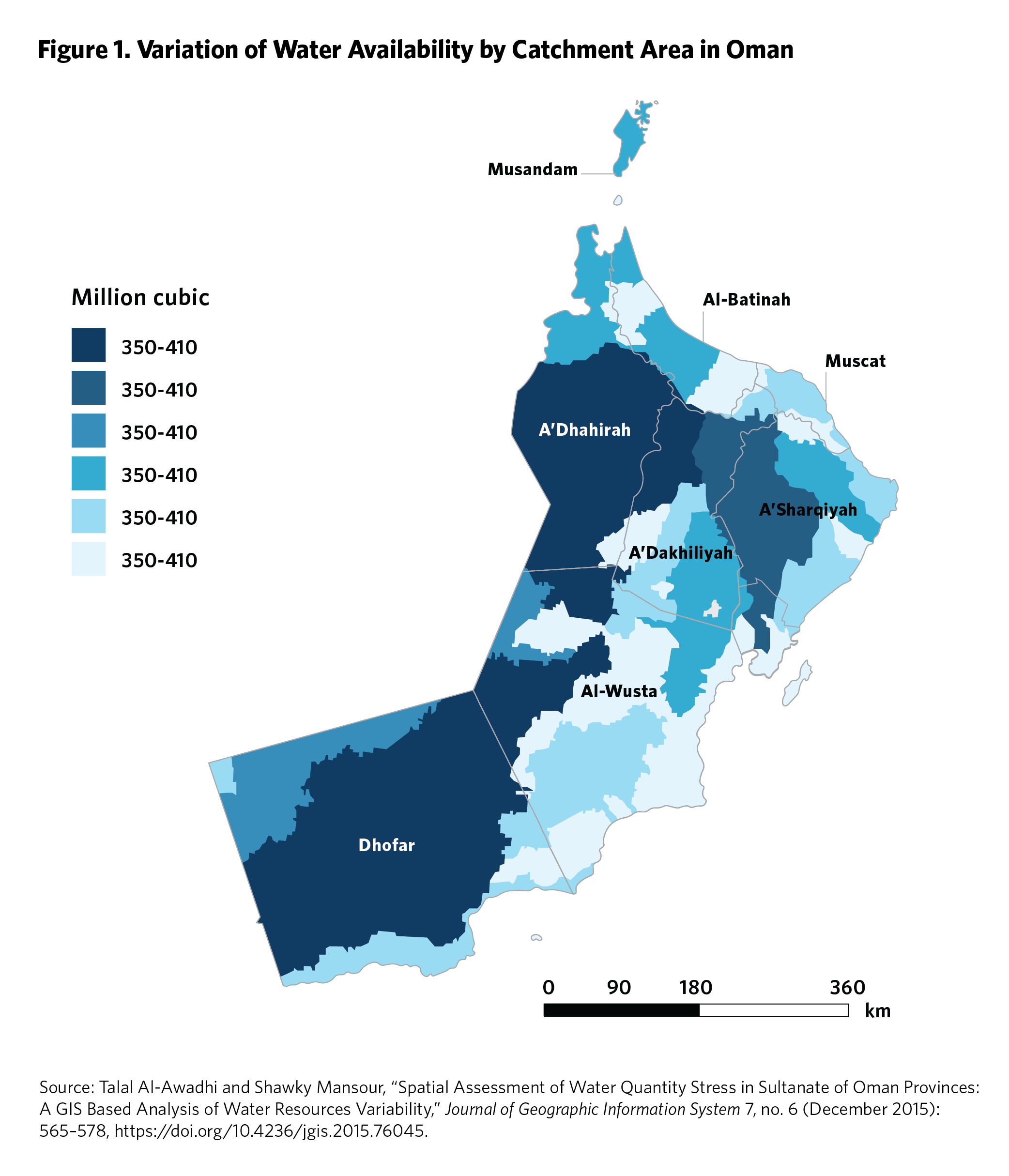
Oman is particularly susceptible to these climate hazards. Large areas of the country lack water resources; in parts of the north, water can only be obtained from traditional man-made water channels known as falaj. The country also has limited freshwater resources, making aquifer water its primary source for irrigation and freshwater. Several aquifer systems—including the carbonate aquifers in the northern and central Hajar Mountains, the sandstone aquifers in the eastern and southern mountains, and the alluvial aquifers in the coastal plains and valleys—are essential water sources for Oman, providing groundwater for domestic, agricultural, and industrial purposes. Unfortunately, the rising demand for groundwater, combined with the effects of climate change, is driving the mass consumption, salinity, and pollution that threaten the country’s vital aquifers. This has raised significant concerns over the ways that climate change will intensify impacts on groundwater. Figure 1 illustrates the variation of water availability per catchment area in Oman.
This chapter explores the impact of climate change on water resources in Oman and the institutional perspectives and policies for managing water resources in Oman.
In its Fifth Assessment Report, the Intergovernmental Panel on Climate Change (IPCC) notes that climate change will reduce renewable surface water and groundwater resources, intensifying competition for water above and beyond other factors like population increase, land-use change, pollution, and inadequate practices of water resources management. Climate change will also increase the risks of submergence, coastal flooding, and coastal erosion in coastal systems and low-lying areas. In its Sixth Assessment Report, the IPCC says, “Groundwater recharge in some semi-arid regions is projected to increase, but worldwide depletion of non-renewable groundwater storage will continue due to increased groundwater demand (medium to high confidence). The IPCC also estimated an increase in the annual global proportion of intense tropical cyclones (rated categories 3 through 5) by roughly 1 to 10 percent, assuming the global temperature rises by 2 degrees Celsius. More severe tropical cyclones will likely occur in the Arabian Sea, although the global frequency will either decrease or remain unchanged. Oman is located in the coastal line of the Arabian Sea and is affected by the Arabian Sea cyclones in two seasons: pre-monsoon and post-monsoon. The records show increased tropical cyclone intensity in the Arabian Sea, with many landfalls in Oman.
Furthermore, since 2007, the number of tropical cyclones categorized from 3 to 5 degrees that made landfall in Oman increased. For example, in 2019, Cyclone Shaheen made landfall in north Oman on a rare track through the Sea of Oman. The last recorded cyclone on the same track was in 1890. The cyclone caused a catastrophic disaster in the affected area because of the severe flash flood. Thehigh recorded rainfall on the day of the landfall was 350 milimeters in ten hours. Cyclone Guno 2007, a category 5 storm, was the only cyclone recorded in the last one hundred years in the Arabian Sea and made landfall in north Oman, causing massive damage in Muscat.
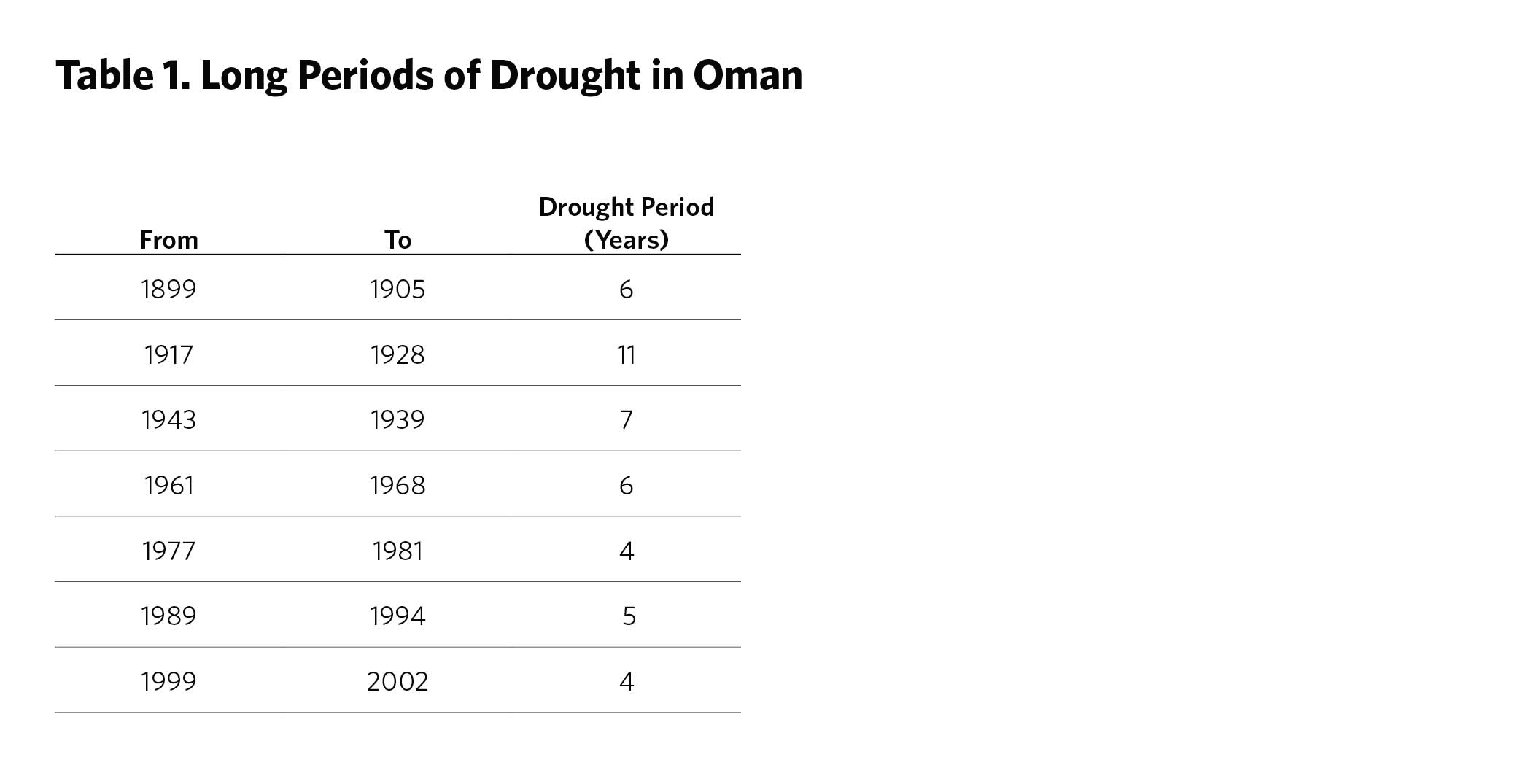
Consequently, climate change can alter precipitation patterns, impacting Oman’s amount, intensity, and rainfall distribution. Decreased precipitation or changes in rainfall patterns reduce recharge and worsen water scarcity issues, affecting groundwater recharge rates and the replenishment of aquifers. Records show that Oman has already gone through prolonged drought seasons several times (see table 1).
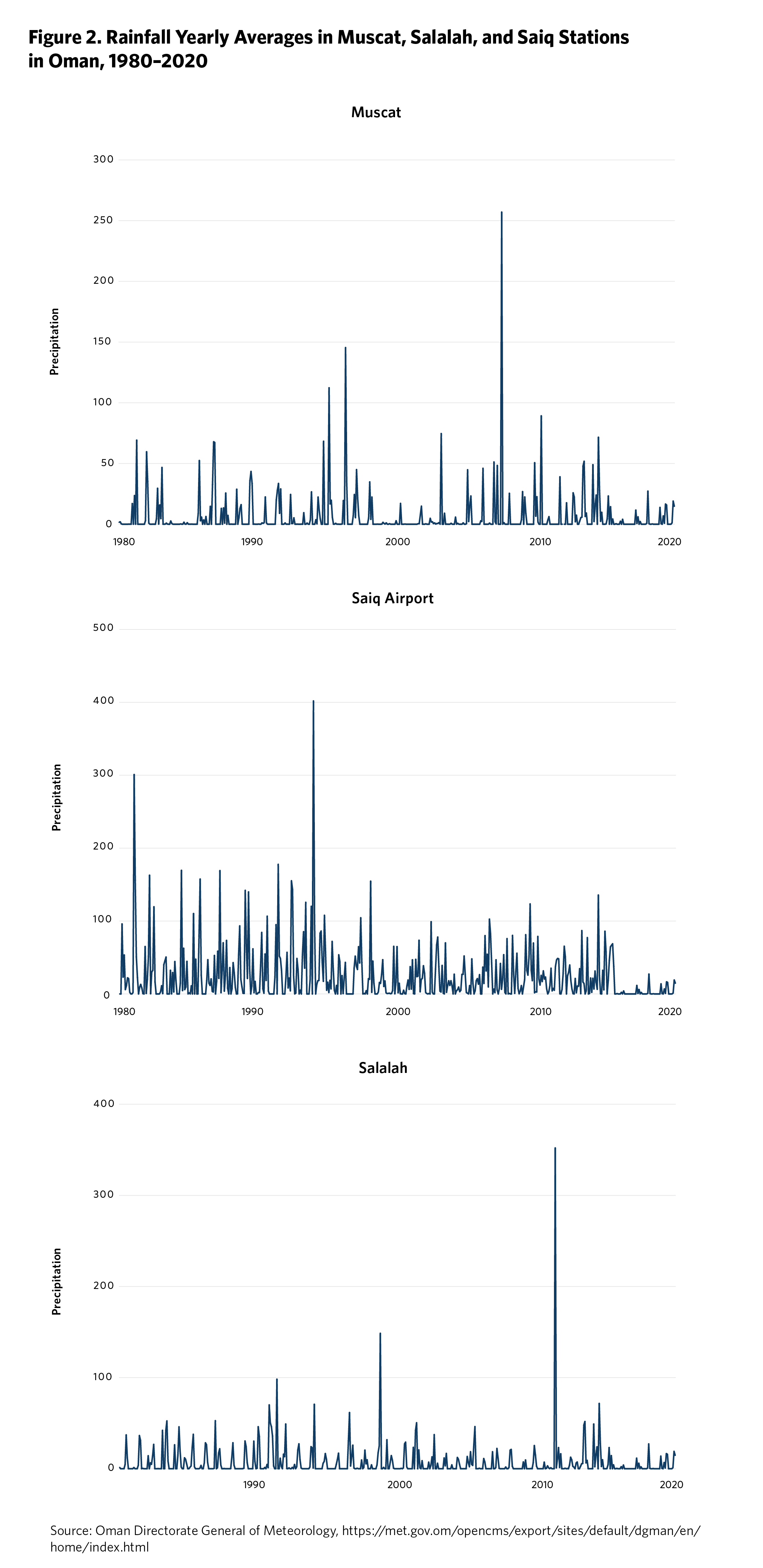
Rainfall in Oman is already unstable and largely limited, with periods of extreme rainfall in some years. Figure 2 illustrates the variability of rainfall at three different stations in Oman (Muscat, Siaq in the eastern Hajar Mountains, and Salalah in the south of Oman). Table 2 summarizes rainfall data from the same three different stations between 1980 and 2020.
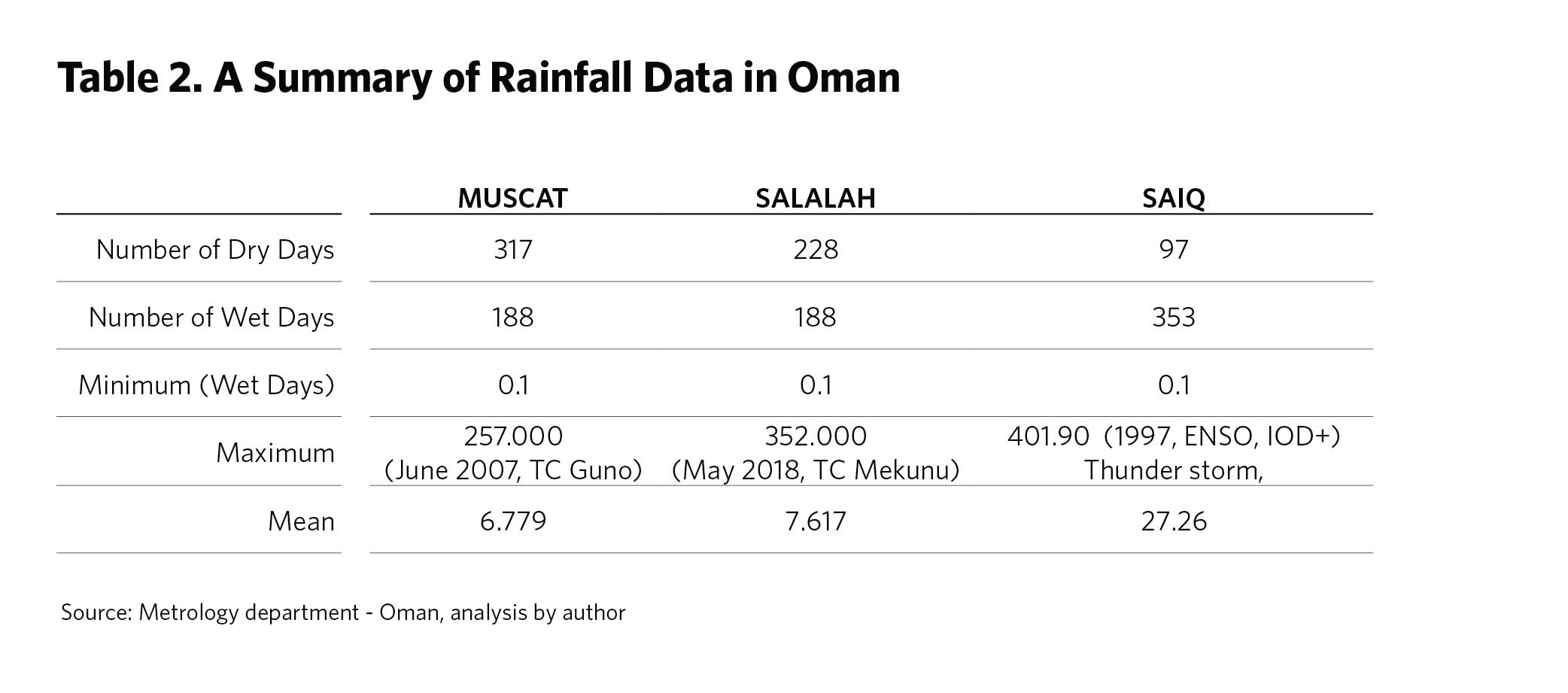
The droughts in Oman have socioeconomic impacts on local people, especially in regard to the irrigation system, farming, and grazing animals in local Omani villages. At the same time, historical records show that the frequency of high-intensity tropical cyclones making landfall in Oman has increased. These tropical cyclones, which can cause severe flash flooding and extreme winds, have wreaked massive damage to Oman’s infrastructure several times. But despite the risk of damage, severe weather events positively impact aquifers in Oman. For example, according to experts, tropical cyclone Shaheen in 2021 increased the amount of groundwater in the Al-Batinah aquifer. Altogether, the groundwater recharge volume may actually be more stable and sustainable.
The groundwater recharge in Oman occurs through rainfall and flood flow infiltration, which refers to flash floodwater that remains on the surface for a few days but eventually seeps back into the ground. However, recharge rates vary widely across the country due to differences in precipitation, geology, and land use. Also, rising temperatures associated with climate change can lead to increased evaporation rates, causing more water to be lost from aquifers. Higher evaporation rates can result in decreased water availability and further depletion of aquifer storage. Aquifer depletion is a significant issue in Oman, particularly in the coastal areas where groundwater is pumped at unsustainable rates. According to a Ministry of Regional Municipalities and Water Resources study, the water table has dropped by 10 meters in some areas over the past few decades.
Salinity is also a critical issue in Oman as a result of the poor management of its irrigation systems. Groundwater from aquifers is extracted through wells for various purposes, including drinking water supply, irrigation for agriculture, and industrial use. However, the overexploitation of aquifers can lead to a depletion of water resources and the intrusion of saline water into freshwater aquifers, making the water unusable. Sea-level rise can also exacerbate saltwater intrusion into coastal aquifers. As sea levels rise, saline water can infiltrate coastal aquifers, making the groundwater unfit for use. This may pose significant challenges for water resource management in coastal areas of Oman. For example, increasing water demand for agriculture and for domestic, industrial, and tourism purposes is the leading cause of the deterioration of the Salalah coastal 'aquifer's water quality. Additionally, the lateral intrusion of salty water from limestone rock on the eastern and western sides of the aquifer has caused salination in the central part of the aquifer.
Oman is classified as a water-scare country with limited freshwater resources and a limited annual average rainfall estimated at 100 millimeters. The sustainable management of aquifers is vital for meeting the country's water needs. The annual renewable freshwater supply is approximately 330 cubic meters per capita. Groundwater is the primary source of approximately 70 percent of total water use in Oman. Limited rain tends to fall only over small areas and does not provide enough water for dryland—or nonirrigation—cultivation. According to the Food and Agriculture Organization of the United Nations, groundwater is the leading and most reliable water source across Oman. However, there are also some significant sources of surface water in wadis, such as Daygah and Quriyat in north Oman, which have an average flow of 60 million cubic meters per year, and Halfayn, which has a large catchment area of over 4,000 square kilometres.
Irrigation water is obtained primarily from shallow aquifers and from the flow of underground dry-flow pathways. But the rising demand for groundwater, combined with the effects of climate change, has strained the country’s aquifers. Underground water, too, is being depleted at an unsustainable rate due to overextraction and lack of regulations.
The recently announced Royal Decree 40/2023 regulates the water and sanitation sector. The law defines eleven activities that are required to obtain prior approval, including water production, transportation, and distribution, as well as sewage collection, transportation, treatment, and disposal. It also aims to improve the waste-disposal system by preventing waste disposal from commercial, industrial, agricultural, or medical activities without prior approval. Other provisions of the law, which apply to producing, transporting, or supplying healthy water, will help improve well water.
In addition, the new law is intended to explore and develop alternative water sources to reduce reliance on vulnerable supplies, enhance water storage to mitigate the impacts of changing precipitation patterns and droughts, and develop measures to protect water quality from pollution and contamination. This may involve implementing best practices for managing agriculture, industry, runoff, water bodies, and ecosystems. The law is also meant to help foster collaboration and engagement with stakeholders, including local communities, water users, and relevant authorities, to raise awareness about climate change impacts on water resources and involve them in decisionmaking. Through robust monitoring systems, authorities will be able to track changes in water resources and the effectiveness of new measures, as well as regularly review and update water management strategies based on new information and changing climate conditions. Finally, the law will strengthen the ability of water-management institutions to integrate climate change considerations into their policies and practices.
Climate-proofing is a new approach to understanding the impacts of climate change on development by identifying the best measurements to reduce climate change vulnerability in a given area. The United Nations Development Programme describes climate-proofing as
“a shorthand term for identifying risks to a development project, or any other specified natural or human asset, as a consequence of climate variability and change and ensuring that those risks are reduced to acceptable levels through long-lasting and environmentally sound, economically viable, and socially acceptable changes implemented at one or more of the following stages in the project cycle: planning, design, construction, operation, and decommissioning.”
In other words, it means integrating the political, social, and economic risks and opportunities in different climate change scenarios directly into infrastructure design, operations, and maintenance.
Climate-proofing water management requires strategies and measures to ensure that water resources and systems can withstand and adapt to the impacts of climate change. Like climate-proofing in general, climate change considerations must be integrated into planning, designing, and operating water-management infrastructure and practices. The process comprises two pillars (mitigation and adaptation) and two phases (screening and detailed analysis).
Climate-proofing water systems in Oman can be done through the following steps.
Oman’s limited rainfall and scarce water resources make it particularly vulnerable to the effects of climate change. The country’s dependence on aquifers has strained the water supply and exacerbated its mounting water crisis. In the face of a changing climate, ensuring the sustainable management of water resources is essential.
Climate-proofing Oman’s water-management strategy is a substantial step toward building resilience. Doing so will require a multifaceted and integrated approach that considers each region’s unique characteristics and water system. But by strengthening water risk assessment tools and stakeholder mapping, the country can design response strategies at the watershed level and shift from only managing risk to seizing opportunities for better water management.
Suad Al-Manji
Head of the Risk Management Department, Ministry of Education, Oman
Suad Al-Manji is the head of the risk management department at the Ministry of Education, Oman. She has a degree in Geography from Sultan Qaboos University. She graduated from the University of Leeds with a PhD in Geography in 2018 and specialized in Disaster Management. From 2019 to 2022, she worked as a part-time researcher at the Environmental Research and Studies Centre at Sultan Qaboos University.
Along with twelve years of war, Syria has experienced climate change, drought, destruction of critical infrastructure, weak government institutions, and a drastic decline in the water level of the transboundary Euphrates River, which flows into Syria from Türkiye. This has led to water, food, and energy insecurities that have caused and continue to cause enormous human suffering. Additionally, food shortages, inflation, and high grain prices on the international market due to the Ukraine war have contributed to the soaring cost of food items. And the earthquake in southern Türkiye and northwestern Syria in February 2023 aggravated the humanitarian crisis and increased the risk of cholera, hepatitis, and norovirus, as well as food insecurity.
Today, 12 million Syrians are food-insecure, an additional 1.8 million are at risk of food insecurity, half the population is water-insecure, and over half a million children suffer from chronic undernutrition. With 90 percent of Syrians living in poverty and 15.3 million people in need of humanitarian assistance, families have withdrawn their children from schools and opted for unhealthy coping skills, such as skipping or severely limiting meals. This perpetuates the cycle of poverty that threatens human capital and weakens any chance of future economic prosperity for the nation. The health, safety, and future of the most vulnerable members of the community—children, girls, and women—are being compromised.
Given these desperate conditions, humanitarian organizations and domestic political institutions must work to enhance Syrian society’s ability to withstand climate change and droughts. Otherwise, millions of innocent civilians will continue to confront food, water, and energy insecurities, along with social and political instability. Indeed, even as Syria attempts to bring an end to the war, efforts at postconflict reconstruction must take into consideration the need to build adaptive capacity to climate change. In addition, the international community should encourage Türkiye, whose dam-building projects along the Euphrates River and increased water consumption have drastically reduced downstream water levels, to comply with its 1987 protocol with Syria regarding the river. Following these steps would help to avert further suffering and increase the possibility of a peaceful future for Syrians.
Syria has experienced climate change for over a century, but the impact is growing. While the country’s temperature increased by 0.8 degrees Celsius (1.4 degrees Fahrenheit) over the past century, climate change models project an additional increase of 3–5 degree Celsius (5.4–9 degrees Fahrenheit) by the end of this century. Precipitation, which has already decreased across Syria, is expected to continue to decline. Drought is already devastating the region and is set to increase in both frequency and duration. And, due to the impact of climate change, the water level of the Euphrates is expected to decrease by 23 percent. Combined, all this means that Syria is projected to experience a 20 percent decrease in its overall water supply by 2050.
The 2020–2022 drought led to water shortages across Syria, especially the breadbasket governorates of Hasakeh, Deir Ezzor, and Raqqa. The drought and erratic weather patterns contributed to a 90 percent failure of rain-fed crops. For example, Syria’s wheat production, which is essential to meeting domestic food security, declined from 2.8 million tons to 1 million tons, a 75 percent drop from precrisis levels. Such crop failure decreases the supply of essential grains and animal feed and increases food prices. It also threatens the livelihood of agricultural workers. The agricultural sector employs 14.6 percent of the population in Syria. And approximately half the population in rural areas depends on this sector for its livelihood, with little opportunity for alternative employment except the security sector, militias, and construction. In their desperate search for jobs and livelihoods, young men, women, and even children provide fertile ground for extremist movements to recruit members.
The combination of repeated crop failure, economic crisis, inflation, and the impact of the war in Ukraine on world grain costs has resulted in a spike in food prices in Syria. Between 2020 and 2022, the cost of food increased by 800 percent, which is the highest rise since 2013. High food prices and poor economic conditions led the Food and Agriculture Organization to classify Syria as a hunger “hot spot” and a place of high and continued concern. In 2019, 36 percent of the population was food insecure; by 2022, this had climbed to 55 percent, about half of them civilians in rural areas. And then the earthquake struck. In northwest Syria, the area most affected by the earthquake, 3.1 million out of 4.1 million people were food insecure prior to its occurrence, a figure that increased significantly afterward.
Years of warfare during which Russia, the Syrian government, and the Islamic State group targeted hydrological infrastructure—including 60 percent of water treatment plants, water towers, and pumping stations—have resulted in the destruction of 50 to 95 percent of Syria’s irrigation systems and consigned half the population to water insecurity. Moreover, when Türkiye’s military entered northeastern Syria in 2019, it took control of the Alouk water station, the primary source of water for 1 million people. The electricity needed to operate the water plant comes from a region under the control of the Kurdish-dominated Syrian Democratic Forces (SDF), and any maintenance or repair of the Alouk station requires the intervention of outside technicians—and therefore international mediation. From August 2021 through March 2022, the station operated at half capacity 80 percent of the time, and between September 2022 and March 2023, it failed to operate. Separately, because of the destruction of wastewater treatment facilities, 70 percent of sewage in Syria is discharged into the environment untreated, contaminating both surface and groundwater.
Desperation for water is driving 52 percent of families to use unsafe water, which contributes to waterborne diseases. The World Health Organization estimated a 50 percent increase in acute diarrhea in Hasakeh and Raqqa Governorates during the first six months of 2021. Unsafe drinking water has also resulted in a cholera outbreak, with 100,000 suspected cases and 100 deaths in the country by April 2023. Across Syria, approximately 6.5 million people are at high risk of contracting cholera. Shortages of electricity and water are also compromising the health system’s ability to function; only 59 percent of hospitals in Syria are fully functioning.
Ineffective and weak governing institutions that fail to respond to increasing domestic poverty and deprivation contribute to political tension and social turmoil. For example, to avert a humanitarian crisis amid climate change and droughts, a stable state could increase subsidies to farmers facing financial collapse and to poor segments of society, and it could also import grain, even if this is costly, to offset domestic shortages. However, a conflict-affected weak state such as Syria, with its limited foreign reserves, confronts significant challenges in its ability to increase grain imports or underwrite the soaring cost of food subsidies for the poor. The government of Syria currently controls approximately two-thirds of the country—mostly in the south, center, and west. Its power is contested in part of the northwest by the Islamist militant group Hay’at Tahrir al-Sham, in the north by Türkiye and its Syrian proxies, and in the northeast by the SDF. Government institutions in these areas are weak, ineffective, and unable to provide residents with much-needed social safety nets.
Predominantly arid and semi-arid Syria is highly dependent on the transboundary Euphrates River for meeting the country’s water and energy needs. Since the 1960s, Türkiye has undertaken extensive development by building dams along the Euphrates and extending irrigation networks throughout southeastern Anatolia. Known by its Turkish acronym, GAP, this multifaceted project also covers the neighboring Tigris River and consists of twenty-two dams, nineteen hydroelectric power plants, and the irrigation of 1.8 million hectares (nearly 4.45 million acres). As of 2023, Türkiye had completed eighteen of its planned dams along the Euphrates and Tigris Rivers and 54 percent of its irrigation projects.
Much of this development is contentious. In 1987, Ankara and Damascus signed the Protocol on Matters Pertaining to Economic Cooperation. The protocol committed Türkiye to discharging 500 cubic meters (654 cubic yards) per second of water into Syria. In the past few years, however, Syria has received only around 200 cubic meters (262 cubic yards) per second. During the 2020–2022 drought, Türkiye met its irrigation needs in southeastern Anatolia by reducing the amount of water flowing downstream, which contributed to crop failure in Syria. Another result was that the Euphrates receded by five meters (5.5 yards), which led to water shortages affecting 5.5 million people in Aleppo, Raqqa, and Deir Ezzor Governorates.
The receding Euphrates has threatened the operation and integrity of dams in Syria itself. As Syria’s reservoirs receded to nearly their dead storage capacity (meaning the volume of water in the reservoir that is below all outlets and spillways and can only be released if the walls of the dam burst), the remaining water quality was compromised, along with the ability to generate the hydropower needed to meet 70 percent of the nation’s electricity consumption needs. During the 2020–2022 drought, Lake Assad, the Tabqa Dam’s reservoir, came within 1 meter (1.1 yards) of its dead storage capacity, threatening damage to the turbines and internal flooding. Should the turbines or dam sustain damage, it would result not only in the dam’s full shutdown but also in the necessity of repairs that are beyond the capacity of local technical teams to undertake, as well as the purchase of parts they would have great difficulty in procuring. In March 2023, the Tishreen Dam was forced to suspend operations—not for the first time—due to the low level of water in the Euphrates, cutting off electricity to some 7 million people.
Two additional noteworthy examples of Türkiye meeting its own water needs and adversely affecting the situation downstream have to do with the Khabur and Balikh tributaries, which originate in Türkiye and then flow through northeastern Syria, where they connect with the Euphrates. Upstream development and dam construction in Türkiye have resulted in the drying up of the Khabur, initially in the summer but recently year-round. Syria has two dams located along the Khabur (the East and West Dams in the northeast) and both are dry. Being politically weak, the Syrian regime simply accepted this situation as a fait accompli and focused all its attention on securing water from the main branch of the Euphrates.
Similar developments in Türkiye have dried up the Balikh. Today, the Balikh receives mostly runoff from the agricultural region in Türkiye’s cities of Urfa and Harran and wastewater from nearby cities. (Wastewater and irrigation water also enter the Balikh from inside Syria.) As a result, the Balikh carries highly polluted water to the Euphrates. During droughts and severe water shortages, the Balikh’s water can make up a significant portion of the Euphrates’ flow.
As the flow of the Euphrates has declined, Syrian farmers have come to rely on well water to irrigate crops. Yet repeated droughts and mismanagement have reduced the recharge capacity of Syria’s groundwater. Ever-declining water tables and high energy prices have meant that many farmers are unable to rely on well water for irrigation. Consequently, the ability of ordinary Syrians to meet their water and food security needs remains uncertain.
To build resilience to climatic vicissitudes, it is necessary to prepare infrastructure, society, farmers, and institutions for droughts and other events, along with establishing a response and recovery plan. Through such adaptation measures, the damage to civilians, the domestic economy, and the environment can be minimized. To achieve these goals, international humanitarian organizations and domestic political institutions need to adopt “no-regret measures,” which are policies that are effective regardless of the severity of climate change in the short or long term. Although the Syrian government has manipulated humanitarian aid by channeling it to its political supporters and away from its enemies, focusing on no-regret measures can mitigate the effects of corruption. Since droughts, climate change, and conflict are devastating Syria’s food, water, and energy security, building resilience is crucial for Syrians to have a viable future.
Humanitarian organizations along with government institutions should invest in the green reconstruction of water infrastructure, irrigation systems, wastewater treatment facilities, and the energy grid, all the while taking into account the impact of climate change. For instance, were Syria’s water-pumping stations to be reconstructed and relocated closer to the banks of the receding Euphrates, this would allow them to operate even in times of drought. It is also essential to repair or upgrade the turbines in Syria’s dams. Doing so would enable millions of people to receive reliable access to electricity and grant 5.4 million people access to water. Additionally, subsidies and parts should be provided to farmers to repair their equipment, so that efficiency and productivity increase, along with their farms’ ability to withstand climate change.
Another important, no-regret measure is monitoring all meteorological hazards, distributing the weather forecast for free to local communities, and establishing an early-warning system for any upcoming droughts. Humanitarian organizations and domestic political institutions must also prepare contingency plans for pre- and post-drought assistance to protect the most vulnerable segments of the population. When it comes to farmers, this plan should consider early distribution of free or highly subsidized high-quality seeds, fertilizers, and pesticides, along with energy subsidies.
Depending on the severity of the next drought and the financial situation of ordinary Syrians, a policy of climate-dependent cash transfers to help poor families cover the rising cost of food, energy, and water needs to be formulated. In order to minimize corruption, which is often rampant in conflict-affected areas, all subsidies and other forms of support should go to poor families directly. To reduce food insecurity at the household level during a drought, Syrians across the country should be given free vegetable seeds to grow their own household vegetable gardens. This measure would improve the nutritional intake of families by diversifying their diet.
Because conflict-affected states suffer from brain drain and must grapple with a shortage of technicians, the Syrian government and humanitarian organizations should launch training programs for farmers. The programs should educate them about the impact of climate change and teach them how to reduce the risk of crop failure, particularly in arid and semi-arid areas. Specifically, the programs should focus on water conservation methods, tilling techniques that allow the soil to retain moisture, water-harvesting practices, and drip irrigation technology.
Also, given that waterborne diseases in Syria are a byproduct of a lack of knowledge about how to secure safe water, an education campaign about water quality should be undertaken. To overcome the significant shortage of relevant data, humanitarian organizations could establish a water institute to research and learn from the best practices on water policies identified domestically. This knowledge would then be disseminated among farmers.
Finally, given the impact of water and energy insecurity on human security, it is essential that the international community persuade Türkiye to comply with its international commitments under the 1987 protocol. In doing so, Türkiye would contribute to minimizing the humanitarian crisis and help to support the building of a stable future state in Syria. Türkiye already hosts 3.6 million Syrian refugees and is keen to prevent any future inflows. Access to safe and sufficient water, food, and electricity in their country, along with physical safety and employment, would mean that fewer Syrians seek refuge in Türkiye and may encourage some of those who left to return. As a result, Türkiye has a national interest in stabilizing the human security of its downstream neighbor and complying with the 1987 protocol.
Given twelve years of protracted war and devastation, Syrian civilians are extremely vulnerable to the impact of climate change and drought. Poverty, weak government institutions, economic crises, and inflation have hampered their capacity to adapt and created a dire situation. In 2023, more than 13 million people desperately needed access to safe water and sanitation systems, along with assistance in securing hygiene products. People continue to slide deeper into poverty, threatening the human security of children, women, and the elderly. With malnutrition and hunger stunting the growth of 25–28 percent of children, the country’s future human capital is at risk. Humanitarian organizations, donors, and the government of Syria must combine efforts to build resilience to climate change and droughts with green reconstruction. Otherwise, Syrians will continue to suffer, and people will resort to any means to escape the suffering.
Neda Zawahri
Professor in the Department of Political Science, Cleveland State University
Neda Zawahri is a professor in the Department of Political Science at Cleveland State University. Her work focuses on adaptation to climate change, the management of transboundary rivers, water and food security, and the role of institutions in facilitating cooperation.
Around the world, 263 river basins and approximately 300 aquifers cross political borders. More than 140 countries rely on these transboundary water systems, providing rich context for policy analysts and academics to explore the ideal approach to transboundary water governance. Yet most analysts have focused their efforts on interstate transboundary relations and management, with an emphasis on negotiations, diplomacy, and infrastructure development. Issues of colonial legacy, indigenous water rights, and gender inclusion continue to be overlooked in dominant water governance mechanisms. The Jordan River Basin—where a complex, overexploited, and unequally divided river basin faces a high degree of climate vulnerability—is a case in point. While most scholars and policymakers focus on international law and riparian countries’ water exploitation in the basin, this analysis examines these conditions as they are experienced by the communities left grappling with political and ecological marginalization.
This chapter aims to expose the following: First, the limitations of existing mainstream transboundary water governance framings and global mechanisms end up reenforcing the dispossession of stateless communities such as the Jawlanis, a community of Indigenous Syrians in the occupied Golan Heights. Second, the strategies used by groups like the Jawlanis to counter domination and adapt to these compounded political and climatic realities offer pathways to transform the status quo vis-à-vis land and water management. Finally, in the context of climate change, Israel wields power by promoting renewable energies in occupied lands, continuing unabated its grip over resources and territories through a narrative of green development that relies on depoliticization and technological advancements in the Golan Heights.
Mediators and observers in transboundary river basins must pay attention to how stateless communities, like those living in the Golan Heights, have adapted to these political, geographic, and climatic changes. With an increasing number of basin inhabitants seeking refuge in neighboring countries, such as Jordan, paying attention to injustices they face when it comes to attaining their water rights is paramount. Therein lie important lessons to advance more equitable and fair policymaking on transboundary water governance.
The Jordan River Basin presents a dynamic set of variables that has attracted academic scholarship, policymaking reports, and international relations experts, particularly regarding issues of interstate cooperation, conflict, and the allocation of flows. The Jordan River Basin is particularly unique because one of the riparian countries, the state of Israel, is an occupying power that uses a range of strategies and tools to exercise its dominance over Arab territories—including the overexploitation of shared water resources. Since its military occupation of neighboring countries’ lands in the 1967 Arab-Israeli War, Israel has enhanced its geostrategic position by maintaining a tight grip over the tributaries of the Jordan River Basin. Through bilateral arrangements, it has resulted in an unjust agreement for Jordan that extends Israeli influence over the utilization of the Yarmouk tributary in addition to the upper tributaries of the Jordan River. As an occupying power, Israel has been systematically denying basic water rights to its marginalized communities (Palestinians and Syrians) while exploiting the shared resources of other riparian countries (Syria, Lebanon, and Jordan). This, in addition to other examples of unilateral water exploitation by the Israeli state, has precluded the possibility of sound river basin management that would actually benefit local communities.
Transboundary water arrangements in the Jordan River Basin—namely the 1987 agreement between Syria and Jordan and the 1994 agreement between Israel and Jordan—and the resulting infrastructure have actually impeded progress toward a more equitable and fairer share of the river basin waters. (Allegedly, U.S.-brokered negotiations between Israel and Syria in 2000 fell apart over Israel’s refusal to recognize the pre-1967 borders, which would have returned access to Lake Tiberias in the south of the occupied Golan Heights, and thus riparian rights to the lake’s water, to Syria.) But while transboundary water governance norms, regulations, and laws may be useful and relevant to nation states and their civilian populations, they remain inadequate to address the existential challenges of communities living in protracted conflicts and under military rule. The Indigenous Jawlani community in the occupied Golan Heights provides an illustrative example of a community that has been adapting to transformative water and political realities.
The Golan Heights, a high, volcanic plateau located at the convergence of borders between Israel, Syria, and Jordan, is a strategic location with immense geopolitical and hydropolitical significance. It is a particularly water-rich area, with the highest level of rainfall in the region. The plateau annually receives between 1,000 millimeters in the north and 1,600 millimeters at Mount Hermon, while the central area receives an average of 800 millimeters and the south receives 500 millimeters. Since 1967, when Israeli forces occupied the Syrian Golan Heights, Israel has further solidified its control over the headwaters of the Jordan River, in addition to controlling the groundwater of the Palestinian West Bank. Israel’s occupation also made it an upstream riparian nation, while relegating Syria to a “no-stream” position. A thriving community of more than 140,000 people in 1966, only 5 percent of the Golan’s population—with control over just 5 percent of the occupied lands—remained after 1967. Out of two cities, 163 villages, and 108 farms, only six villages survived. The rest were completely destroyed. The Jawlanis, who today amount to about 27,000 people, have rejected ensuing attempts to enforce Israeli citizenship. In 1982, Israel declared a de facto—and, in the eyes of the international community, illegal—unilateral annexation of the Golan Heights, sparking riots and a six-month strike by the Jawlani population. The international community’s stance remains clear regarding the illegality of the Israeli occupation, aside from former U.S. president Donald Trump’s decision to recognize Israel’s sovereignty over the occupied Golan.
The Israeli state has invested heavily in exploiting water resources in the Golan Heights, constructing artificial lakes, dams, and reservoirs to harness water for the exclusive benefit of Jewish Israeli settlements, which today amount to thirty-four illegal settlements with 26,250 inhabitants. Settlements had access to land and water to grow crops, breed animals, cultivate vineyards, and attract tourism. The state, alongside settlement water companies, began drilling groundwater wells, which were very limited before 1967. Today, these wells produce around 10 million cubic meters of water per year, exclusively used by the settlements. Since the Water Law of 1959, only the Israeli state is allowed to excavate for groundwater—without express permission from the state, no groundwater wells are permitted.
The most brazen exploitation of water resources in the Golan Heights is the capture of stream runoff. Sixteen large, artificial water reservoirs—constructed by Mey Golan, the settler water company—store a total capacity of 45 million cubic meters, provide water for illegal Jewish settlements, and support their agro-industrial activities. Five of these reservoirs, with a total capacity of 16.5 million cubic meters, collect runoff from the Yarmouk River Basin. These reservoirs are sites of exploitation—that water territorially belongs to Syria and is, in theory, for the Golan Heights’ rightful inhabitants, the Jawlanis.
The transformation that Israeli national policies have had on the Golan Heights tells only half the story. For Israeli settlers, this is their reality. The Jawlanis, on the other hand, contend with a contrasting reality. Israel’s declaration in 1968 that 98 percent of the occupied Golan Heights would be closed military zones, as well as the centralized control of water by the state, have had substantial effects on the agricultural practices of the Jawlani community. In 1966, the Golan Heights, as part of Syria’s Quneitra Governorate, produced a variety of crops including apples, grapes, and wheat. After 1967, the Jawlanis’ farmlands were reduced to a mere 5 percent of the whole occupied territory. Fearing the imminent threat of land confiscation, the Jawlanis pursued intensification of the apple orchards and fruit trees on their remaining land. Restricted access to water has compelled them to develop their own water sources and, ultimately, shaped their agricultural practices. Within their confined geographic area, in a northern point in the occupied Golan Heights, the local community has developed 12,000 dunams (3,000 acres) of irrigated agricultural land in the decades since the 1960s.
Access to water has been an instrumental tool for the Jawlanis as they seek to protect their remaining lands from confiscation by the Israeli state. Water has also helped establish and strengthen the rootedness of local farmers. Amid Israel’s construction of a water reserve in the Golan Heights, its material transformation of the landscape, and its creation of exclusive water infrastructure in most of the region, the Jawlanis have worked to defend and re-root themselves through collective action on what land remained under their control.
After 1967, the Israeli water company Mekorot confiscated a volcanic lake called Birket Ram and began extensive abstraction of its waters to support the newly established Israeli settlements. The Jawlanis, who were denied access to the lake, began undertaking collective efforts to reclaim water through local infrastructure. They started by digging shallow pools to collect runoff water. In the 1980s, they began constructing cylindrical metal tanks to catch rainwater—a low-cost, practical option for the Jawlanis to increase the availability of water for irrigation. Hundreds of these tanks, each holding between 300 and 1,000 cubic meters of water, were built in defiance of Israeli water regulations. Following this so-called reservoir boom, the Jawlanis continued to mobilize against water appropriation by the Israeli state by developing water cooperatives and a community-funded and -developed piped network to deliver water to the agricultural plots. Today, there are seventeen cooperatives that receive around 250 cubic meters of water per dunum. The situation remains highly unequal, however. Israeli settlers receive four times that amount, giving them a stark advantage in terms of the marketability of their agricultural products, especially apples.
The practices developed by the Indigenous Syrian communities over the decades are a case study for countering restrictions imposed on access and control of land and fresh water sources. Their innovative infrastructure, as well as land-use practices and development of local water cooperatives, create space for autonomous action to resist resource domination by the Israeli state and have successfully bypassed discriminatory restrictions on the abstraction, storage, and use of water for agriculture.
While climate change and climate-related vulnerabilities remain a serious and concerning trend, farmers in the occupied Golan Heights have perceived Israel’s occupation as more harmful to the access and availability of water. This exemplifies the theory that political realities foster climate vulnerability and are integral to understanding how climate change is intensifying the precarity of agrarian communities. Climate change will further imperil adaptation measures—such as local water infrastructure or crop selection in the Golan Heights—leaving those communities more vulnerable and lacking any institutional or government support to alleviate such risks.
Indeed, the Israeli state is using climate change as justification to further entrench its grip on the Jawlanis’ land in the occupied Golan Heights through an ongoing wind energy development project. This move perpetuates the idea that climate change can be addressed through supposedly apolitical, technological and market-based mechanisms, like water swaps or energy trading. Israel and Jordan have assumed a highly depoliticized stance toward critical water and energy negotiations under the guise of so-called environmental peacebuilding. This reflects an alarming trend toward the depoliticization of climate change and water injustices—to the detriment of local communities living under military occupation.
This depoliticization is on full display in the occupied Golan Heights. Green energy development projects on Jawlani land have been given the green light by the Israeli government. Under the guise of reducing global greenhouse gas emissions as part of its commitment in the 2015 Paris Agreement, Israel is aggressively pushing for a wind turbine project to be executed in the occupied territory, despite fierce opposition by most of the Jawlanis. This situation exemplifies how, in the context of climate change, Israel continues to wield its power over territory and community. The latest attacks on the Jawlanis, by both the Israeli wind company Energix and the Israeli army, left five people seriously injured and sparked demonstrations from communities across Palestine.
As evidence shows in various geographies, local marginalized communities are not only excluded from green energy development but also often are the ones paying the price. These projects may threaten their livelihood practices, land, and water access, in addition to weakening their struggles for self-determination. Climate policymaking replicates the disregard for local communities—especially stateless ones—seen in transboundary water governance. The depoliticization inherent in addressing water and climate issues as problems that require technological and market-based solutions and approaches is particularly alarming in cases where climate policy clearly contributes to intensifying human rights violations and prolonging military occupation.
The Jawlani community of the Golan Heights, as a community of Syrians stripped away from their citizenship and relegated a status of noncitizens in an occupied land, has actively challenged Israeli hegemony over transboundary water resources. The community’s use of so-called counterinfrastructure to reclaim its rightful resources has shown what practical adaptation strategies and tactics look like beyond established governance mechanisms that have failed to acknowledge Jawlanis’ precarious status as stateless people. This localized approach to transboundary water exploitation demonstrates the need for more inclusive and transformative water governance that considers the needs and aspirations of marginalized communities living under protracted military occupation—particularly their access to water sources.
It also shows why negotiations in transboundary basins must scrutinize issues of justice as they relate to the distribution of water within those countries. By learning from and understanding the Jawlani community’s adaptation strategies to redress water and land injustices, policymakers and academics can advance justice- and human rights–based approaches to transboundary water governance that prioritize communities over corporations and governments by developing co-governance mechanisms, especially in the context of protracted military occupation and conditions of statelessness and exclusion.
Muna Dajani
Muna Dajani is an action researcher with a background in critical political ecology. She holds a PhD from the Department of Geography and Environment at the London School of Economics (LSE). She is a Fellow in Environment at the Geography and Environment Department at LSE.
The water crisis in Yemen did not start with the current conflict. It is a governance crisis stemming from sustainability failures dating back to the post-independence era. Groundwater depletion has been underway for decades, threatening the food security and livelihoods of the Yemeni people who predominantly work in agriculture. From the 1970s until the late 1990s, the state promoted unrestricted use of groundwater and subsidized energy to foster agriculture-based development. In the 1990s and 2000s, Yemen pursued more sustainable management of its water resources by establishing new water institutions and passing reform legislation. However, since the outbreak of conflict in 2015, these critical reforms have been on hold. The only way that Yemen can address the water challenges of the coming years is to recommit to this erstwhile path toward sustainable water management.
The intensifying water crisis in Yemen is manifested in the country’s imbalance between freshwater demand (about 3.9 billion cubic meters per year) and water supply from renewable resources (1 billion cubic meters per year from surface water and another 1.5 billion cubic meters from groundwater), which has resulted in the overabstraction of groundwater. Current water and sanitation services do not even reach all Yemenis, with the ongoing war further exacerbating the situation. The agricultural sector’s inability to provide food security is also related to water inefficiencies and poor crop selection. These water and food security concerns exceed even those related to climate change, which, despite its understudied and inconsistent impacts (for example, on precipitation) will further increase vulnerability and reduce both the crop yields and income of Yemeni rain-fed farmers.
This chapter first examines how Yemen’s current water problems are related to its failure to tackle sustainable water management and then looks for opportunities to restart water reforms. After outlining the legacy of water mismanagement in Yemen, this chapter explores the successes and limitations of past water-sector reforms and, using these efforts as a starting point, argues for building back and updating these reforms through state-led engagement and infrastructure development with the support of the international community.
Even before Yemen’s current conflict, a severe water crisis was mounting. Groundwater is a vital water source, accounting for 70 percent of the country’s water use. It is essential for feeding the Yemeni population, who largely depend on subsistence farming. Yemen’s groundwater aquifers contain reserves of about 35,000 million cubic meters, with an annual recharge of about 1,300 million cubic meters. But withdrawals are estimated to be around 2,500 million cubic meters per year. It is now estimated that, at current the rate, it could only take twenty years to deplete Yemen’s groundwater resources.
As in the rest of the Middle East, Yemen’s water crisis has its roots in sustainability failures dating back to the post-independence era—1962 for North Yemen and 1967 for South Yemen, although the south did not politically stabilize until the 1970s. Between the 1970s and the late 1990s, the state promoted unrestricted use of groundwater and subsidized energy in its pursuit of agricultural development and food security. This resulted in Yemen being pumped dry—a sad departure from its rich tradition of managing water through carefully designed terraces and infrastructure for floodwater-based spate irrigation. Instead, water misuse has led to agricultural abandonment and increased rural to urban migration, inflaming political and social tensions in the country’s fertile highlands.
With the availability of subsidized water pumping technologies, farmers were able to use more water. The amount of irrigated land ballooned by 1,800 percent between 1970 and 2004—from 37,000 hectares to 680,000—with two-thirds of this area depending on groundwater. But the real reason for overabstraction is the state’s failure to govern groundwater through regulation, monitoring, and enforcement. For many decades, drilling groundwater wells did not require a license. Wells still do not cost money to use or even have water meters. Even after the water regulations of the early 2000s, influential tribesmen and powerful officials were often involved in so-called water wildcatting through illegal drilling.
The expanded cultivation of the cash crop qāt can be seen as a direct consequence of the shortsighted groundwater promotion policies of the 1970s and 1980s. Qāt—a mild narcotic now used daily by a majority of the adult population—has grown to dominate irrigated agriculture in Yemen, accounting for about 30 percent of all groundwater withdrawals. This water-intensive crop (which can be grown 3–4 times a year as opposed to coffee, which is less profitable because it only grows once) is linked to groundwater depletion, particularly in the northern regions, whereqāt cultivation is responsible 40 percent of water abstraction from the Sana’a Basin. Qātpresents a complex ecological, economic, and social problem that affects households’ expenditures, decreases work productivity, and contributes to the loss of traditional export crops, such as coffee. It is difficult to solve this problem in the absence of economic opportunity—particularly for youth—but governing water consumption for qātis a necessary step toward combatting this unhealthyphenomenon.
The legacy of mismanaging groundwater resources has also created inequalities between irrigation farmers and traditional rain-fed farmers. Irrigation farming requires up-front investments. This has favored wealthier farmers, who also got state subsidies for purchasing pumping and drilling equipment and benefited from unregulated access to groundwater. Though farming using rainfall or runoff harvesting has decreased significantly—from about 1,285,000 hectares of farmland in 1970 to 507,000 hectares in 2018—it still accounts for 50 percent of the cultivated area in Yemen. The millions of Yemenis who depend on this type of agriculture are more vulnerable than irrigation farmers to climatic effects. Climate change is expected to exacerbate the threats facing the agricultural sector, changing the sowing seasons for rain-fed farming and decreasing yields for irrigated crops such as wheat and sorghum. At the same time, the state has provided little assistance to help rainfall farmers keep or expand their traditional water-harvesting infrastructure.
Dire warnings about Yemen’s water crisis point to two things: wasteful water use practices and the rapidly increasing population. Yemen has one of the world’s highest population growth rates (around 3.34 percent between 2012 and 2021). Its current population of about 32 million could reach 55 million by 2050. But the war that started in 2015 has also affected water resources. Combatants have targeted water infrastructure, and the population is grappling with decreased access to safe sources of water, the rise of water-borne diseases, and deteriorating food security. And the repercussions could last through reconstruction; it may be many years before the state is capable of delivering adequate services. Yemen has a long history of state fragility and protracted conflicts, and the current scale of devastation is arguably the greatest it has ever suffered.
Since the start of the current conflict, only around 60 percent of the population has had access to safe drinking water and just 20 percent to safe sanitation. The war has damaged water infrastructure—both through air strikes and on-ground fighting—and the water supply sector has deteriorated, leading to cascading impacts on other sectors including health and food security. The ongoing cholera outbreak that was triggered in 2017 by collapsing water, sanitation, and health services has been one of the world’s worst health crises. During the conflict, the food sector has also suffered due to the country’s devalued currency and the lack of employment. During the COVID-19 pandemic, a large proportion of the Yemeni population became food insecure. Economic hardship caused by the conflict—for example, the deteriorating financial system—has further exacerbated food insecurity.
With increased water scarcity and the deterioration of state capacities, more local water and land conflicts can be expected. Before the current war, the government estimated that 4,000 people died annually fighting over land and water rights—more than from any internal political conflict at that time. Water-related conflicts are now exceeding the capacities of traditional and tribal lawmaking, through which most local disputes were previously settled. Groundwater aquifers, which have expanded tribal and geographic boundaries, now require formal monitoring and regulatory frameworks. With the weakness of state institutions and the growing demand for water use, competition among groundwater users will only increase.
An unnoticed but significant development for groundwater depletion that has happened during the war is the growing use of solar energy in agriculture. In the absence of fuel and electricity, the use of solar power has been a coping mechanism for the Yemeni population. Due to the lack of viable alternatives, the expansion of solar energy in Yemen—particularly in the war-torn northern regions—has been impressive. Although some reports have estimated that photovoltaic systems reach 50 percent of households in rural areas and 75 percent in urban ones, it will be difficult to know the real scale of the Yemeni solar revolution before the war ends. For the water sector, the availability of solar pumps in agriculture has been associated with groundwater depletion across the world—cheap power means people can pump water around the clock. In Yemen, wealthier farmers are embracing solar energy for water pumping and irrigation—often to grow qāt—in the absence of any rules and restrictions.
In the late 1990s and early 2000s, there was a wave of optimism about the water issue in Yemen. With the support of donors—particularly the German and Dutch governments, as well as the World Bank—Yemen committed to sustainably managing its water resources. The subsequent reforms created national institutions for water management (including groundwater aquifer management), consolidated water policymaking, and decentralized the water suppliers.
The concept of integrated water resources management (IWRM) is key to understanding the ideas that motivated these reforms. At a 1992 conference in Dublin, Ireland, a global group of experts reached a consensus on water management. The so-called Dublin principles acknowledged the economic value of water and proposed that it should be managed holistically using integrated environmental policies and public participation. The resulting paradigm of IWRM was adopted by expert networks and the donor community, who saw it as a way to reform the water sectors of many developing countries. IWRM-based reforms have produced mixed results across the world—particularly due to rushed implementation and a one-size-fits-all approach—but they underscored the need for water sustainability by acknowledging that water, as a finite resource, requires protection and careful management. IWRM has now been incorporated into the UN’s Sustainable Development Goal 6.5.1, prescribing its implementation for all countries and “at all levels.”
In Yemen and many other developing countries, IWRM-based water reforms led to the creation of new water institutions based on the idea of consolidated water policymaking. Integrated water management implies that all aspects of water use should be managed together, at the national or regional levels, and at the level of different water ecosystems (for example, river basins or groundwater aquifers). By the early 2000s, Yemen—with the help of donors—created the Water and Environment Ministry responsible for water policymaking and issued a national water sector strategy and investment program with ambitious expenditures of about $1.5 billion between 2005 and 2009. In 2002, the country established its first national water law (later amended in 2006), which tackled critical issues such as water rights and the licensing of water wells to prevent overpumping. The National Water Resources Authority (NWRA) was created to study and plan groundwater aquifers, as well as to implement the licensing and metering systems for groundwater wells.
These water reforms also created a new generation of water practitioners, who were educated abroad in special university programs based on the ideas of IWRM and sustainable development. Until the early 2000s, most water-related tasks were assigned to officials in the Agriculture and Irrigation Ministry—who tended to favor water development over sustainable water management. The new water institutions received important capacity-building aid, including training, systems for performance monitoring, and water management equipment. The water supply and sanitation sector received the second-largest share of aid flows in Yemen, increasing from about $36 million in 2002 to $53 million in 2009. Additional water-related research institutions were created, such as the Water and Environment Center at Sana’a University initially funded by the Dutch government.
Another key pillar of reform was strengthening investments in the urban water sector. Such investments have a higher social return rate—in comparison to agriculture—since municipal water contributes more to economic output as well as health and education outcomes. Municipal water can also be more effectively treated and reused. The urban water sector received almost half of the envisioned investments in the national strategy. Prior to the reforms, Yemen’s urban water supply was delivered through one national supplier. Many of the national supplier’s branches in major urban areas were transformed into financially and administratively independent local water corporations (although they remained public utilities), which received technical support from donors—especially from Germany. These decentralization reforms proved controversial, due to their fast pace and the choice of decentralized utilities. Some of the decentralized utilities were unprepared; others were created to appease politically unstable governorates. However, decentralization was widely perceived to be necessary due to the resulting benefits of improved services. Thanks to these reforms, some independent water utilities were able to continue functioning during the conflict.
Yemen’s efforts to reform its water management were interrupted by political turmoil in the aftermath of the 2011 revolution and have effectively ground to a halt since the start of the 2015 war. The new state water institutions were weak from the start compared to the powerful agricultural institutions and interest groups who largely opposed, or boycotted, the reforms. Even the most optimistic experts did not expect the reforms to entirely solve the water crisis. But they represented a hopeful start. When the Yemeni state begins reconstruction efforts after the war ends, it will be important to both build on these reforms and learn from the past. This can be done in three ways.
First, water institutions need to be strengthened, both through technical support and law enforcement. For example, the NWRA, established as part of the water reforms, is a key organization for managing groundwater resources in Yemen. The national water law gave it the necessary leverage to monitor and regulate water abstractions by managing drilling permits and abstraction conditions. But the NWRA achieved little beyond quantifying the country’s groundwater resources. Today, due to a weakened central state and several de facto territorial governments, enforcement of the water law is arguably even worse than before. Fierce political will is needed to stop illegal water drilling, whether by strengthening the NWRA and its branches or by creating stronger regional environmental regulators. Uncontrolled drilling has been a major calamity, and the state has seemed complicit—or at least helpless—admitting that 99 percent of extracted water is unlicensed.
The NWRA’s mandate goes even further. It has the authority to establish and support aquifer committees that can develop detailed plans to rehabilitate and protect each groundwater basin. Although this idea of basin-level water management is a core premise of the IWRM reforms, there is much work to be done to implement it in Yemen.
Second, the water issue is central to the future of Yemeni society, and a broad debate over a participatory reform agenda is long overdue. Past reforms have created nascent institutions and actors, with an emphasis on strengthening them in the face of entrenched and powerful agricultural interests. These interests are intertwined with the agribusiness sector, apparently corrupt state officials, and tribal elites. The past reform agenda did not effectively address societal debates, mediation between the interests of different water users, or reform of the agricultural water sector itself.
Future reform efforts can confront the poor environmental and food security performance of the agricultural sector—including the use of incentives to combat the qāt economy. This sector has failed to improve food security in Yemen. In the food emergency that followed the start of the war in Ukraine, seven million Yemenis were suffering from catastrophic or emergency levels of hunger by the end of 2022. For decades, agribusiness and state elites have favored food imports rather than investments in sustainable local agriculture—contributing to the agriculture sector’s failure to meet Yemen’s food needs.
Third, an emphasis on community-level support for resilience and supply security is necessary. The current conflict has shown how communities are embracing self-sufficiency. In the absence of national water and electricity supplies, communities have relied on traditional systems for water harvesting or used solar technologies and improvised infrastructure to integrate energy, water, and food production. If planned well, these community-led adaptations can increase resilience to both protracted conflicts and external aggravators like climate change. Such adaptations represent the building blocks for more decentralized and integrated supply systems based on locally available resources.
With the war coming to an end, Yemen has a chance to finally tackle the issue of sustainable water management and invest more political will and money in its water sector. The necessary reforms should address the underlying causes of the water crisis with the aim of stopping or slowing groundwater depletion by the agricultural sector. But time is of the essence due to the increased overuse of resources, as well as the mounting evidence of climate change’s effects. Yemen needs a strong internal consensus and international support to design a broader water reform agenda while experimenting with solutions at the local level. Recommitting to reform will require public leadership and support from the international community. It may be some time before a water reform agenda takes root at the national level. But there are important short-term investment choices to be made in order to secure the municipal supply.
Although the impacts of climate change on rainfall in Yemen are not consistent, Yemen has more precipitation (about 200 millimeters per year) than other countries in the arid Arabian Peninsula. Therefore, infrastructure for collecting and reusing storm water (such as micro-dams or drainage systems) can be a part of the solution for aquifer recharge or some urban water uses. Infrastructure support to protect and expand indigenous water-harvesting systems—particularly in rural areas—is also necessary. At the same time, every drop of municipal water needs to be valued and reused by expanding the municipal wastewater collection and reuse systems. In the Middle East, many countries are increasingly investing in a circular water economy through water recycling. For example, Jordan is transporting treated wastewater to farms (by mixing it with freshwater in rivers and canals) in order to decrease the freshwater demands of agriculture.
In the costly pursuit of new water sources, the Yemeni state will have to contend with the inadequacy of its regional planning. Major cities such as Sana’a and Taiz will soon have chronic water problems, but they continue to expand rapidly—since 1950, the population of Sana’a has grown from 50,000 to more than 3 million. Some observers argue that the costs of providing additional water supplies through options such as recycling and transfer (such as from other basins or from coastal desalination plants) might be unaffordable for Yemen. With desalination plants being considered for low-lying areas close to the coast—like the solar desalination plant in Seiyun—the Yemeni state should consider putting a greater emphasis on the regional development of its coastal areas, including increasing the distribution of population in these regions.
Mohammad Al-Saidi
Research Associate Professor, Qatar University
Mohammad Al-Saidi is a Research Associate Professor at Qatar University, and currently working on issues ranging from development and the environment to water resources management, and sustainability transitions. He was involved in research projects on Yemen, the Gulf, East Africa, and Jordan. Previously, he worked in research and teaching at the Institute for Technology and Resources Management (ITT) at TH Köln within Arab-German graduate programs, and projects focusing on sustainability issues in the Middle East and Africa.
This analysis was written before Israel launched its war on Gaza in the months following October 7, 2023.
The threat of climate change in Palestine is an assemblage of anthropogenic, natural, political, and technical factors. It is an all-compassing problem caused by forces entirely beyond the control of Palestinians, who hardly possess the liberty or means to adapt to it. While everybody in Israel/Palestine is likely to be harmed by climate change, Palestinians in the occupied West Bank and Gaza will likely feel the damage most acutely—buffeted as they are by Israeli military rule, relentless settlement by Jewish citizens on their land, and restricted access to their water. (The Palestinian communities who are Israeli citizens will also be hardest hit within the state itself, but that is the subject of a separate analysis.)
The effects of climate change will set off chain reactions and travel through pathways that amplify current agricultural and economic hardships and worsen food insecurity—all mediated by Israeli control as the effective sovereign in the West Bank and Gaza. The Palestinian response will, to a large extent, be bound by Israeli decisions. Whether or not that state relaxes its grip will determine whether the Palestinians are able to cope with and adapt to what could be catastrophic droughts, heat waves, and other hydrologically significant events.
Viewed through a global lens, Israel/Palestine is largely a victim of climate change rather than a contributor; data do not even include the Palestinians, as if to underscore their inferior political position. Like many others around the world, the country has already gotten a whiff of the coming impacts—as, for example, in the record-breaking temperatures in Jerusalem (98 degrees Fahrenheit) and Jericho (113 degrees Fahrenheit) registered in 2020. Among other types of damage, the unprecedented heat has already strained the electric supply and triggered wildfires in the Naqab (Negev), a desert and semidesert in the south.
The climate change effects in Israel/Palestine will be similar to other countries in the Eastern Mediterranean region. The average temperature is expected to rise, and precipitation levels will most likely be reduced—perhaps at the rate of 4 percent for each 1 degree Celsius of temperature rise. Precipitation will become more unpredictable, including perhaps shorter rainfall seasons. Long periods of drought will occur more often, as will intense rainfall and flash flood events, and more of the rainfall will evaporate. Climate change will lessen the volume of natural water supply and make it even more variable than it has been. The rising sea level will worsen the salinity of Gaza’s main water supply source, an already brackish and saline Coastal Aquifer. And as the supply of natural water declines, the elevated heat levels and prolonged heat waves will drive up agricultural water demand.
The ramifications of global warming in Israel/Palestine are related to the geography and natural features of the country—its area, topography, climatic zones, and rainfall patterns—as well as the surface and groundwater resources, their boundaries, replenishments, discharges, and extraction. On these is superimposed the political map which, this chapter will demonstrate, is what determines who gets what, from where, and how much. It also determines, to a large extent, how the Palestinians can or cannot respond to the projected climatic effects, especially catastrophic events, such as prolonged droughts, agricultural impacts, and economic hardships, which are the chief drivers of food insecurity.
Israel/Palestine is distinguished by a rich ecology. With a hilly region in the middle, it is flanked by the Mediterranean Sea on the western coast, the Jordan Valley to the east, and the Naqab in the south. The total area of the country is estimated at 28,090 square kilometers (sq km). Israel accounts for 22,070 sq km, or 78.6 percent of the total, of which about 13,000 sq km is the Naqab; the landlocked West Bank makes up 5,655 sq km, and Gaza, 365 sq km. Together, the West Bank and Gaza are just 21.4 percent of the total area of the country. Precipitation, essentially in the form of rainfall, varies widely, spatially, seasonally, and interannually. It averages between 800 and 900 millimeters per year (mm/y) in the northern mountains and plummets to less than 100 mm/y in the far south of the Jordan Valley and the upper Naqab. (Deserts are defined as areas that receive less than 250 mm/y of rainfall.) Droughts, long and short, are not uncommon. In all, the marked oscillation of rainfall may render the often-used notion of “annual average rainfall” of little value for planning purposes.
The natural water sources are usually divided into two: surface and ground. The Jordan River Basin is the chief source of surface water. It is an “international watercourse” according to international water law, common to five riparian parties—Lebanon, Syria, Jordan, Palestine, and Israel, clockwise. It traverses two lakes in the north, Hula and Tiberias, and meanders down south where it empties into the Dead Sea.
The average available flow of the watercourse, prior to its diversion at the entrance to the Dead Sea, was estimated to be 1,287 million cubic meters per year (mcm/y), with extreme variability. This flow would be adequate for 1.5–3 million people. (A person needs between 500 and 1,000 cubic meters per year for domestic use and food production, depending on the state of agricultural technology.) More recent statistics indicate falling recharge rates. Syria provides about half of the Jordan River’s flow, mainly from the Golan Heights, followed by Jordan, Lebanon, Israel, and the West Bank in descending order. In fact, Israel may be a net negative contributor because of the high volume of evaporation—230 mcm/y—from Lake Tiberias.
Groundwater is available in many aquifers, including the Coastal Aquifer (in Israel and Gaza) and the Mountain Aquifer (in the West Bank and Israel), the largest of all. The rest are in Israel. The Coastal Aquifer is charged principally from Israel, whereas the Mountain Aquifer’s recharge comes from the West Bank hills. Between 1973 and 2009, the recharge of the Coastal Aquifer averaged 266 mcm/y and the Mountain Aquifer 686 mcm/y.
The preceding figures ought to be seen as estimates, based in part on observation and, especially for groundwater, on mathematical models. And they vary by the range of years over which the averages are computed. Moreover, Israel—since its capture of the Golan Heights, the West Bank, and Gaza in the 1967 Arab-Israeli War—has assumed a virtual monopoly over data for natural flows. In contrast, their shredded space allows the Palestinians only sporadic measurements in a limited area.
This leads us to the question of control over these water resources—as the driver of their distribution patterns—, which party gets how much water, when, and from which sources? In addition to considering the distribution of the water, these are critical considerations for investigating the potential impact of climate change and whether the Palestinians will be able to adapt.
Water governance is inseparable from overall governance. In the aftermath of its occupation of the West Bank and Gaza in 1967, Israel has effectively become the sovereign of the area between the Jordan River and the Mediterranean Sea. It treats the land and water in the occupied territories, apart from those that are privately owned, as state property belonging to Jews anywhere in the world. In 2022, the Palestinian population in Israel/Palestine totaled more than 7 million: over 1.64 million who hold Israeli citizenship; 3.2 million in the West Bank, including 360,000 in Jerusalem; and 2.17 million in tiny Gaza, which is perhaps the most densely populated polity on the Earth. The Jewish Israeli population in 2022 was 7.1 million.
The West Bank is divided into four zones. East Jerusalem is annexed by Israel, but the native Palestinians are treated as permanent residents, not citizens (whereas the post-1967 Jewish settlers in the city are considered citizens). The rest of the West Bank is divided into elliptically termed areas: A, B, and C. The Palestinian Authority, with its seat in Ramallah, has municipal functions in Area A and nominal security functions in Areas A and B. Area C, which includes more than 60 percent of the West Bank and most of the agricultural land and water that is indispensable for sustainable Palestinian economic growth, is under direct Israeli rule, and more than 450,000 settlers live there. It hermetically seals Areas A and B.
The fragmentation and containment are furthered by a wide assortment of other measures, especially the winding segregation wall that gobbles up large land areas. These measures make Israel the effective gatekeeper of all land and sea ports. Israeli security and settlers monitor and regulate the entry and exit of the Palestinians and their goods. Gaza is blockaded by Israel from the land, air, and sea, as well as by Egypt, and has been cut off from the West Bank. It has been governed since 2007 by the Islamic Resistance Movement (Hamas), which won a majority in parliamentary elections but has been denied the right to form a government. Gaza has since been targeted by Israeli raids that have wreaked destruction on infrastructure and residential buildings, with damaging consequences for the water supply system.
The supply and distribution of water in Israel/Palestine is determined within this matrix of Israeli controls. It is implemented in the West Bank through a purportedly cooperative Joint Water Committee, established by the 1994 Oslo II Accord, and in Gaza by the Hamas government. The joint committee’s proceedings resemble domination or colonization more than cooperation. In many ways, it maintains the pre-Oslo water regime, which vested the Israeli water officer with absolute legal authority through unappealable military orders, making them a true water czar.
Under these restrictions, Palestinians are the only riparian party that does not get a single cup of water from the Jordan River channel. Yet when the West Bank was allocated 215 mcm/y under the U.S.-negotiated 1955 Johnston Plan between Israel and the riparian Arab states, Israel used the plan to legitimize its out-of-basin diversion of the Jordan River from Lake Tiberias to the coastal plain and further south to the Naqab. Today Israel reportedly withdraws from the Jordan River Basin at least 30 percent more than Jordan, twice as much as Syria, and more than seven times more than the Palestinians. (Lebanon, the other riparian country, diverts next to nothing.) The exploitation of the Jordan River has left environmental devastation in its wake. Lake Hula was drained by Israel in the early 1950s to expand arable land; in its lower reaches, the Jordan River is reduced to a polluted water ditch. And the Dead Sea—of which the northwestern quadrant belongs to the West Bank but to which the Palestinians are denied access—has ebbed instead of rising like the rest of the seas. With thousands of sinkholes that are dangerous to humans and other species, it is truly a dystopian sight. A place of historic and religious value for the people in the area and beyond has been utterly ravaged.
The water of the Mountain Aquifer is lopsidedly allocated as well. As of 2014, Palestinians extracted less than 20 percent of its annual recharge. The total water supply in 2021 in both the West Bank (excluding Jerusalem) and Gaza was about 440 mcm. Less than one third of the water supply in Gaza is sustainable, and the rest is an overdraft. In the West Bank, 95 mcm is purchased from the Israeli water company Mekorot—another form of water dependence.
The supply is divided roughly equally between irrigation and the municipal and industrial (M&I) subsector. The M&I provisions amount to an average of about 85 liters per capita per day. Overall, the system is plagued with problems—insufficiency, substantial losses, and intermittency, evidenced by the ubiquitous water tanks on the roofs of houses and inequality among regions and households. The water is almost universally contaminated with coliform bacteria. In Gaza, it is also undrinkable because of its high salinity; drinking water is provided by a few desalination plants via water tankers.
Agriculture is the second major water user. There are about 90,000 hectares of arable or cultivable land in the West Bank and 11,500 hectares in Gaza. Ba’al (dry), or rain-fed, cultivation is the dominant mode, primarily in the West Bank’s hills and in northern Gaza, where rainfall is above 400 mm/y. A rich variety of horticultural crops (including fruits, nuts, vegetables, and flowers) and field crops (like wheat and barley) are grown; olive trees, the backbone of the sector and a major agricultural export, grow on more than half of the cropped area. Irrigation is practiced on only about 3 percent of arable land, equally divided between Gaza and the West Bank, and produces mainly vegetables.
<B> Israel: A Water Powerhouse
In the zero-sum game of resource competition, Palestine’s disadvantages are Israel’s gain. Israel has often defended its refusal to raise Palestinian water withdrawals by alleging that Israel, too, is water scarce; just this year, however, the head of Mekorot boasted that Israel was a “water powerhouse.” The skewed extraction from the Jordan River and the Mountain Aquifer, in addition to smaller sub-basins, avails Israel of much more water than the Palestinians receive. Israel also has the financial resources and technology to desalinate water—an energy-intensive process. The recent discovery of natural gas reserves makes desalination more attractive as an option. Further, Israel has been able to purify large quantities of wastewater to reuse for irrigation. Altogether, Israel consumed 2,240 mcm in 2016: 543 mcm from desalinated water, 360 mcm from wastewater treatment, and 1,337 mcm from surface and groundwater sources. Domestic water use per person hovers around 100 cm/y, or 270 liters per capita per day over many years—more than triple that of the Palestinians. Recycled wastewater is touted as a conservation measure, ignoring the fact that it is diverted from recharging the aquifers. The inescapable conclusion is that the making of Israel into a water powerhouse is achieved in good measure at the expense of Palestine and the other Arab riparian states of the Jordan River Basin.
Agriculture serves several important functions for Palestinians. It is a source of food security and employment, as well as a bulwark against the ever-present threat of Israeli settlements. To fully appreciate the extent of the impact that climate change will have on both food security and political stability in Israel/Palestine, it is helpful to briefly tally the significance of these key functions.
More than 70 percent of Palestinian land holdings are small, less than 1 hectare; those greater than 2 hectares comprise just 13 percent of total holdings, but they account for more than 60 percent of the total land area. More than 90 percent of all holdings are owned by males. Agriculture employs about 5 percent of the labor force, many of whom are part-time. Its share of gross domestic product (GDP) has been trending downward—in 2020, it was just 7.1 percent of GDP, lower than the world average of 11 percent—for reasons largely beyond the control of the sector itself, including hypertrophy in the service sector, the vagaries of Israeli obstructions, and the uprooting of more than 800,000 olive trees, both to open space for Israeli settlements and by the settlers themselves.
The produce grown on this land is meant for both home consumption, particularly on small holdings, and for the market. Out of all Palestinian exports, the proportion of agricultural exports has fluctuated; in 2019, it stood at 15 percent, almost equal to the proportion of agricultural imports. The small Palestinian economy suffers a chronic trade deficit that is both substantial and structural. In 2022, Palestine’s GDP was about $18 billion; its trade deficit was more than $6 billion. This is the outcome of an inefficient archipelago economy that is unable to harness economies of scale and lacks spatial and sectoral linkages. The agricultural sector itself is a product of the Israeli ecosystem of controls and disruptions. Israel is the chief destination of all commodity exports and the origin of imports—88 percent of the former and 55 percent of the latter in 2022—and thus the main beneficiary of all Palestinian trade, including trade related to agriculture.
Food insecurity—the unavailability of water and food in sufficient quantities and diverse nutritional value at affordable prices for all members of society—is intimately linked to agricultural and economic hardships. Evidence indicates that 60 percent “of the world’s hungry live in countries undergoing conflict.” Between 2014 and 2016, approximately 20 percent of people in the West Bank and Gaza experienced moderate forms of food insecurity; 10 percent faced more severe circumstances. More than 7 percent of children also had stunted growth, confirming earlier assessments.
Enter a new, uninvited guest, climate change. The exact behavior of this guest cannot be foretold with any precision and is continually updated depending on how the large and advanced economies manage their emissions, but it could be very destructive. How the affected polities, especially Israel in this case, respond will determine the outcome for both peoples. One problem is how far societies can peer into the future without engaging in wild speculation. Certainly, Palestinian policymakers do not have the political luxury to think of the end of the century, as is done for the globe as whole. Even mid-century, often the other date of climate projections, seems far away if one accounts for the mushrooming of Israeli settlements and the country’s rightward political trend.
Agriculture is the first sector that would adversely feel the effects of climate change. The confluence of more severe weather conditions—including reduced rainfall, higher temperatures, longer and more frequent heat waves, more prolonged droughts, intense storms, and strong winds (khamasin)—would inhibit the planting of crops like wheat and barley, amplify the stress on plant roots, dry up flowers, create fertile ground for pests, and altogether diminish the quantity and quality of crops. Wildfires, too, are already a threat—especially in areas where the Jewish National Fund planted European pines in the belief that they would increase rainfall (and, notoriously, to conceal destroyed Palestinian villages). While the scope and scale of wildfires cannot be predicted, they have the potential to devastate fruit trees and other crops.
The sector most adversely affected would be rain-fed agriculture—the principal method of cultivation in the area, especially for olives, nuts, and grapes. Moreover, Gaza’s saline water supply would rise beyond its already high level, and crop yields would also fall victim. Many families that depend totally or partially on agriculture would have to juggle marketing versus subsistence, incurring economic hardships and/or reduced dietary diversity. The economic hardship could also compromise the purchase of agricultural inputs, further lowering crop yields.
Palestinians already import a large proportion of their food consumption; agricultural reversals, coupled with population growth, would necessitate securing more resources to close the food deficit. This would be possible only if there is sustained economic growth, which has not been the case. Growth rates for both GDP and real gross national product (GNP) per person have exhibited wild upward and downward swings over the last thirty years or so, and the poverty rate surpassed 27 percent in 2021. Remedying Palestine’s large trade and balance of payments deficits depends on stable remittances from Palestinians abroad, as well as income from Palestinians working in Israel and international aid, both of which are unsteady and driven by the political winds. Bridging the food deficit also hinges on the availability of the food supply and prices on the international market, which can be impacted by major weather events or other crises. (For example, the Russian invasion of Ukraine has raised the price of wheat, the main staple in the region.) The net effect is that climate change would worsen food insecurity, especially for the poorer segments of the population in urban areas and refugee camps.
The political consequences of the coming climate effects are likely to be a function of their severity. If there is a catastrophic event that causes both a long period of water shortage and unfavorable weather conditions, driving agricultural and economic hardships and leading to higher levels of food insecurity, will an all-embracing confrontation between the Israelis and the Palestinians come to a head? Will this lead to mass expulsions? Will desperate Palestinians cross the border to neighboring states in search of relief?
Research on the relationship between resource scarcity and violence and exit is inconclusive. For all the talk about water wars in the Middle East, the geostrategic configurations in each river basin have thus far prevented any from happening. And major flows of refugees in and out of the Middle East and beyond have, in recent memory, occurred mainly as a result of ethnic strife, civil wars, and foreign invasions. Since the beginning of the twenty-first century, there have been numerous violent confrontations in Israel/Palestine—for example, the second intifada in 2000 or Israel’s periodic bombardment of Gaza. Despite this, there has been no sizeable exodus of people. Slow outmigration has occurred, but nothing on the scale of the 1948 or 1967 expulsions. Nonetheless, it has been maintained that political upheavals and large population movements could occur.
In a spring 2023 survey of scholars of the Middle East, just one-third of respondents believed a Palestinian state is possible within the next ten years. Moreover, more than two-thirds of those polled described the present political configuration in Israel/Palestine as “one-state akin to apartheid.” This is not unlike statements by major human rights organizations, following in the footsteps of Israel’s B’Tselem. Every passing day consolidates this reality, as demonstrated by the current right-wing government that includes “proto-fascist” cabinet members who seem bent on ethnically cleansing the land of Palestinians. Israel has long been shielded from international censor or sanctions by the European powers and, above all, the United States. Washington’s massive military and political support is best exemplified by more than fifty vetoes cast by the United States at the United Nations Security Council.
Assuming that this current state of affairs will last for many years is not unreasonable. Were a rosier future to materialize, this discussion would certainly be framed differently. In the meantime, it is prudent to follow the precautionary principle—that is, follow the assumption that Israel will not deviate from its disenfranchisement of the Palestinian people, including its exploitation of their water resources.
There is another vital consideration: Where would those who might leave en masse go? Catastrophic climate events will not be limited to Israel/Palestine; the surrounding states will also be reeling. The Palestinians, under any circumstances, will not consider Lebanon. Conditions there are worse than under a climate catastrophe, and those already there would be only too happy to leave if they could. Syria is in dire straits. The process of postconflict reconstruction, if and when it happens, will be long and arduous. Jordan’s water situation is also unenviable. Amid severe climate distress, it could be worse than the West Bank’s. And Egypt, although much better off in terms of water, faces uncertain conditions. The construction of the Great Ethiopian Renaissance Dam threatens its water supply, and large swaths of the Nile Delta, the country’s agricultural heartland, could soon be submerged under seawater.
The opposite situation has been hitherto unthinkable: Could large numbers of people from surrounding Arab countries, especially Jordan, try to cross into Israel/Palestine? How would Israel, a state that mainly welcomes only Jews, respond? At any rate, if the Palestinians find themselves in untenable circumstances and large numbers seek refuge elsewhere, their exit should not be ascribed to climate change (although this is likely what Israel would deploy as an alibi) but to the difficult realities in which they already exist.
The consequences of climate change, like those of other natural disasters, will ultimately be decided through political and social calculus. Those who will reap its bitterest fruits are not the ones responsible for causing it but mostly the poor and the marginalized. Among these are the Palestinians, dispossessed as they have been by Israel—the de facto sovereign in the territory between the Jordan River and the Mediterranean Sea—of their land, water, mobility, and much more.
For the Palestinians to prepare and adapt, Israel must lift its restrictions on their water use—not out of charity but because the Palestinians are entitled to it under all international conventions. But water alone will not enable the Palestinians to create a resilient society that can live with climate change. They also need a viable economy, unhindered mobility, and open borders, among other prerequisites for survival. For these to materialize, Israel has to end either its occupation or its segregationist mindset and learn to equally coexist with Palestinians across the whole country.
Unfortunately, for not just Palestinians but also Israelis, the state seems to be heading in the opposite direction. To shift Israel’s course, the Palestinians need to get their house in order and the United States must cease being Israel’s enabler. Let us not hope for a regional climate disaster to move everyone in the right direction.
Sharif S. Elmusa
Professor Emeritus, the American University in Cairo
Sharif S. Elmusa is a professor emeritus at the American University in Cairo, poet, and Nakba survivor. He is one of the leading hydropolitics and environmental scholars of the Middle East. He has published, among other works, Water Conflict: Economics, Politics, Law and Palestinian-Israeli Water Resources, widely regarded as the definitive volume on this issue.
The 1948 war between Israeli settlers and Arab armies ended with settlers occupying parts of Palestine and establishing the state of Israel. By that time, more than 175,000 Palestinians from over 200 villages in southern historical Palestine—currently part of Israel—had been displaced to the Gaza Strip. This occupation and displacement, in addition to hundreds of thousands of other Palestinians who were forced to leave their ancestral lands, is referred to by Palestinians as the Nakba (or the Catastrophe).
Prior to the conflict, people in the district known as Gaza enjoyed high-quality groundwater, which afforded sustenance and livelihoods. Available water resources provided a good life for the area’s inhabitants. Until the 1940s, less than a decade before the end of the British Mandate in Palestine, Gaza comprised an area of land some three times larger than today’s enclave. But the population was only 151,000 people—a population density of only 137 people per square kilometer. The inhabitants of Gaza used 27 million cubic meters per year (mcm/y) of groundwater.1
Even before Israel’s current military campaign in the strip displaced 85 percent of the population, 2.2 million people lived on just 365 square kilometers. There were more than 5,600 people per square kilometer, especially significant concentrations in refugee camps, making Gaza one of the most densely populated areas in the world. Now, more than 1.7 million people are displaced to the south of the strip, severely overcrowding shelter areas and heightening the risks of communicable diseases. Even before the October 7 war, according to the Palestinian Central Bureau of Statistics, unemployment in Gaza in 2021 was 46.9 percent. The ongoing restrictions imposed by Israel on the movement of people and goods to and from the Gaza Strip are key factors in its dire economic situation.
The environment in Palestine has been subjected to severe harm from armed conflict and territorial occupation. This is especially evident in the degradation of groundwater, on which the population of Gaza depends. Inequitable utilization of the Coastal Aquifer, restrictions facing Palestinian resource management and development, and Israel’s stifling siege of Gaza since 2007 have all negatively impacted the area’s access to and use of groundwater. Meanwhile, the Palestinian population is growing at a rapid rate. The protracted political conflict between Israel and the Palestinians has made it impossible to develop a long-term Palestinian-Israeli strategy to deal with these environmental challenges. But until such an arrangement is reached, the livelihood of Gaza’s rapidly growing population will face increasing risks.
The main source of water in Gaza is groundwater from the Coastal Aquifer, which runs from Mount Carmel in northern Israel to the Sinai Peninsula in Egypt. As a shared water resource, it is managed under international water law, which emphasizes the “equitable and reasonable utilization” and further prioritizes “vital human needs.” But the aquifer needs rainfall to recharge. In the 2015–2020 period, the average annual rainfall in Gaza fell by 20–30 percent; the average recharge volume also decreased by 10–20 percent. Even worse, growing demand and the overabstraction of groundwater by an estimated 200 million cubic meters per year (mcm/y) have increased the salinity of the Coastal Aquifer—an ecological catastrophe for Gazans who rely on it for domestic and agricultural purposes.
Despite having other natural water resources, Israel consistently draws an overly large portion of the sustainable groundwater amount each year from the Coastal Aquifer—almost certainly exceeding its fair share under international water law. Israel has over 1,500 wells in the Coastal Aquifer Basin, with a total annual abstraction of 400 to 480 mcm, or 66 percent of total abstractions in 2013. About 45 percent of this water (200 mcm) was used for agriculture. The other 55 percent (243 mcm) was for domestic or industrial purposes. After drilling thirty-five new boreholes northeast of Gaza, near Ashdod and Sderot, Israel began drawing an additional 40 mcm/y in 2009, increasing its abstraction level by about 10 percent.
The abstractions by Israeli consumers maintained a so-called safe yield of under 55 mcm/y—equal to or less than the average rate of replenishment—from the section of the Coastal Aquifer that underlies Gaza. With the Coastal Aquifer providing the only endogenous water source, the overpopulated Gaza Strip is forced to pump excess groundwater each year beyond the safe yield. Gaza’s citizens rely on just 300 municipal wells, distributed over twenty-five municipalities, for their domestic water. In 2021, Gaza received over 113.3 mcm of domestic water.
According to Palestinian Water Authority publications, the deteriorating water quality in the Coastal Aquifer presents another danger in addition to the aquifer’s diminished levels. Seawater and highly saline groundwater intrusion, as well as pollution from wastewater and fertilizers, threatens Gaza’s supply of potable water from the aquifer. Running out of potable water would result in a large-scale humanitarian disaster, making Gaza’s already dire straits even worse. In an attempt to address the looming problem, most Gazans already depend on private desalinated water vendors for their drinking water supply. But improper handling and storage practices carry the risk of deadly biological contamination. And private vendors charge exorbitant prices—50 Israeli new shekels per cubic meter (about $14 per cubic meter)—for water used for drinking and cooking.
The following graphs illustrate the extent to which water quality has been impacted in the Gazan portion of the Coastal Aquifer:
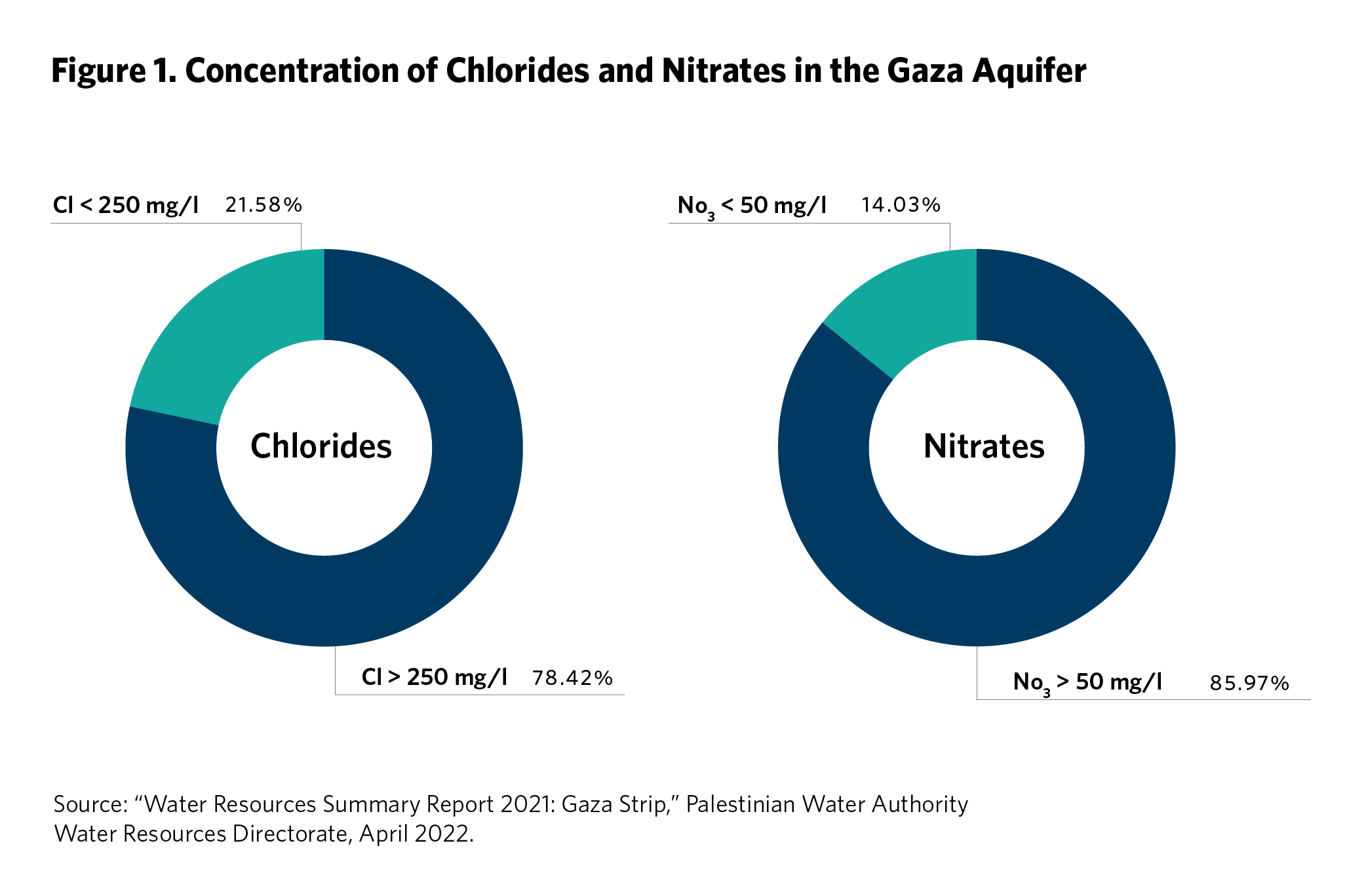
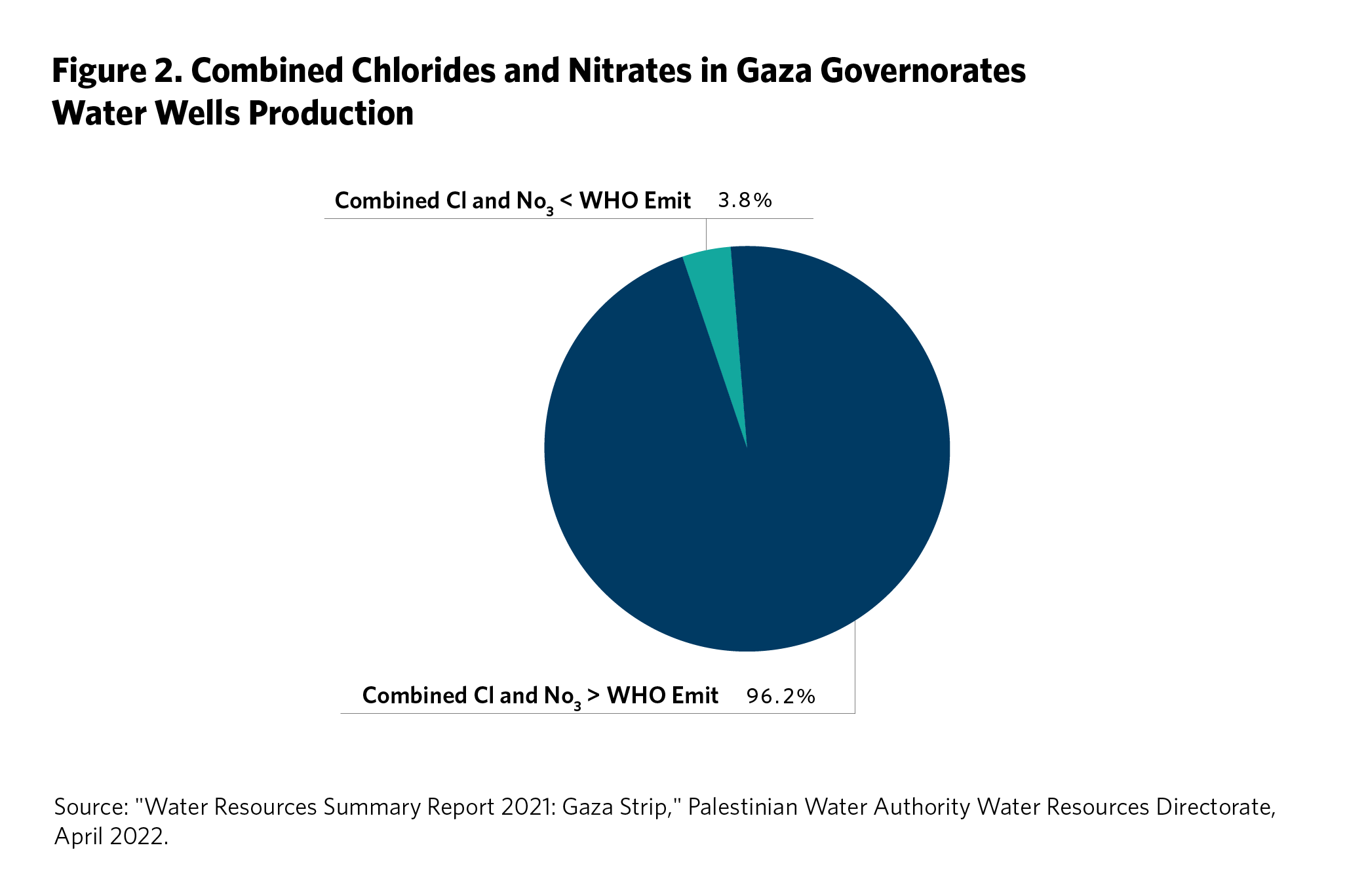
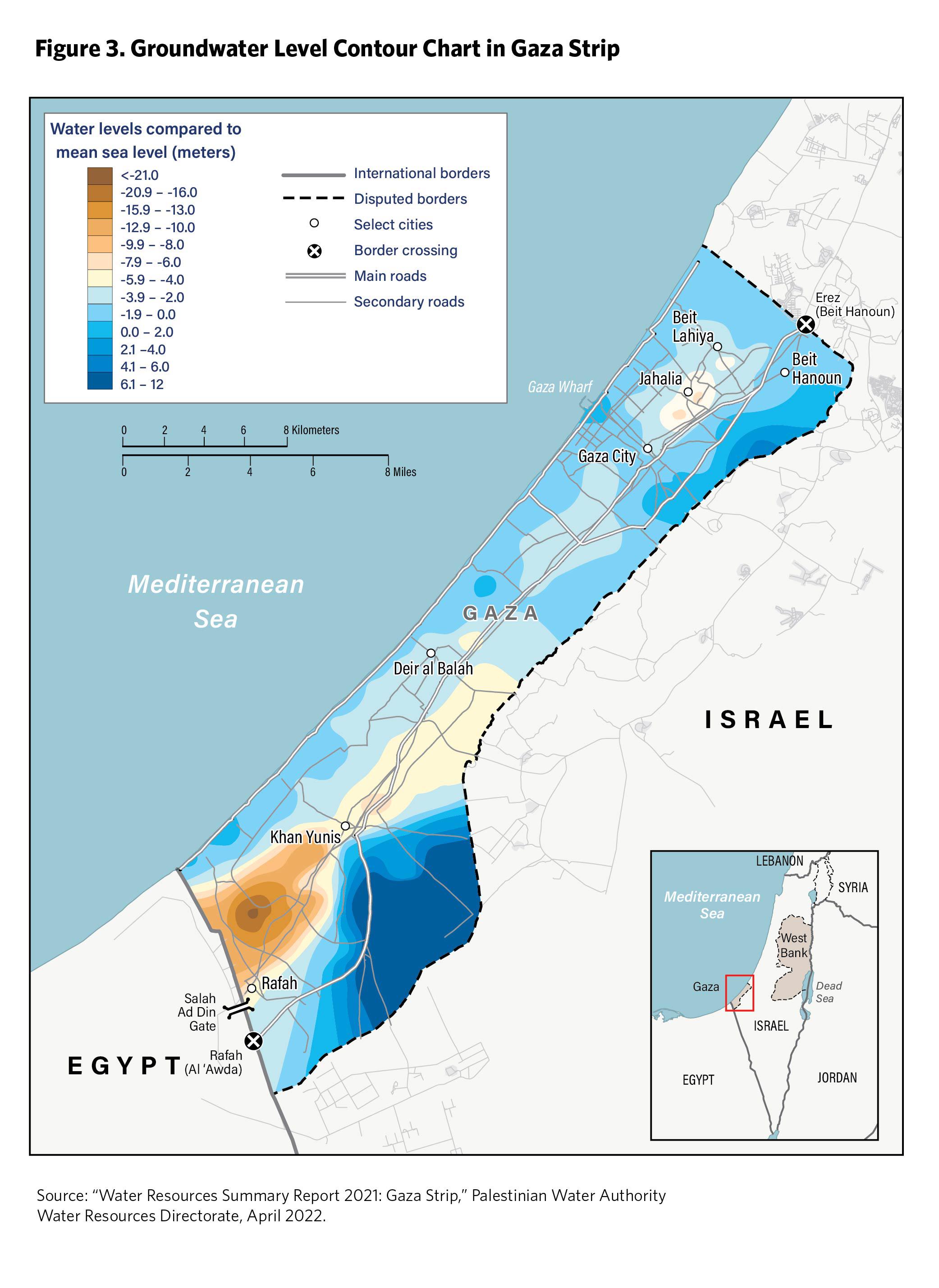
Chloride concentration is especially high in three large areas affected by seawater intrusion: areas west of Gaza City; southwest of Rafah; and west of Deir El-Balah. Nitrate concentration presents another significant problem (see figure 1). Most of the well water in the Gaza Strip far exceeds the World Health Organization’s limit of nitrate per liter, especially in wells located beneath residential areas affected by wastewater from the sewerage system.
Considering the combined concentrations of chloride and nitrate, the authors found that only eleven wells—with a total of 3.63 mcm/y—meet the World Health Organization’s standards. That is just 3.8 percent of the total amount of water from wells in the Gaza Strip. The remaining 96.2 percent of well water is too contaminated to qualify as safe (see figure 2).
Due to overabstraction, there is a continuous decline in groundwater level (see figure 3), which varies from 21 meters above seawater level in the southeastern part of the Gaza Strip to about 21.5 meters below seawater level in the southwestern part of the Gaza Strip (the Rafah area). This decline has resulted in the deteriorated water quality described earlier.
Gaza faces a serious water shortage and quality crisis. Rapid population growth is driving increased demand for water, but the limited natural water resources located downstream from Israel are under strain. With limited alternative sources of water, the Gaza Strip is forced to pump more groundwater each year than is ultimately sustainable.
Climate change will continue to have severe impacts on the life of Gazans, threatening their food and water security as well as energy, health, and environmental needs. According to the World Bank, Gaza and the West Bank are at high risk of natural hazards, including drought and extreme heat. The International Panel on Climate Change has predicted that by the year 2100 the region’s annual average temperatures for all seasons will increase even more than the global average, which is estimated to be between 2.2 to 5.1 degrees Celsius. The frequency and intensity of droughts is expected to increase as well. Since the beginning of the century, rainfall has reached levels below the historical average—a trend that is expected to continue through 2050.
Decreased rainfall and higher evaporation rates due to extreme heat will negatively impact the replenishment of the Coastal Aquifer, leading to increased water shortages. This will directly impact the agriculture sector: more droughts and worsening desertification mean increased water requirements for crops, higher food prices, and greater soil degradation. Energy demand—and therefore energy costs—will inevitably increase to cope with temperature extremes and water shortages. And public health systems will be strained, with water shortages causing diarrhea, cholera, and dehydration among the population.
Higher rainfall variability—another effect of climate change—will also increase the number and intensity of flash floods. Gaza has already witnessed the effects of damaging floods. In January 2014, the United Nations declared a state of emergency in the Gaza Strip after two days of heavy rain led to severe flooding. Hundreds of people were evacuated and dozens of schools were closed in Gaza City. More rain at the end of November 2014 also caused flooding in multiple areas across the Gaza Strip, displacing people from their homes. But Israeli obstruction has prevented Gazans from developing resilient water and sanitation infrastructure and effective operation management practices, leaving the area ill-prepared for large-scale weather events.
In addition to the threat of climate change, Gaza has had to grapple with a series of consecutive wars—in 2008–2009, 2012, 2014, 2021, and 2023. Regular bombardment has damaged the area’s water and sanitation infrastructure, in addition to paralyzing service provision. The conflicts have also forced Gazans to prioritize emergency maintenance and resilience capabilities, rather than further developing their infrastructure.
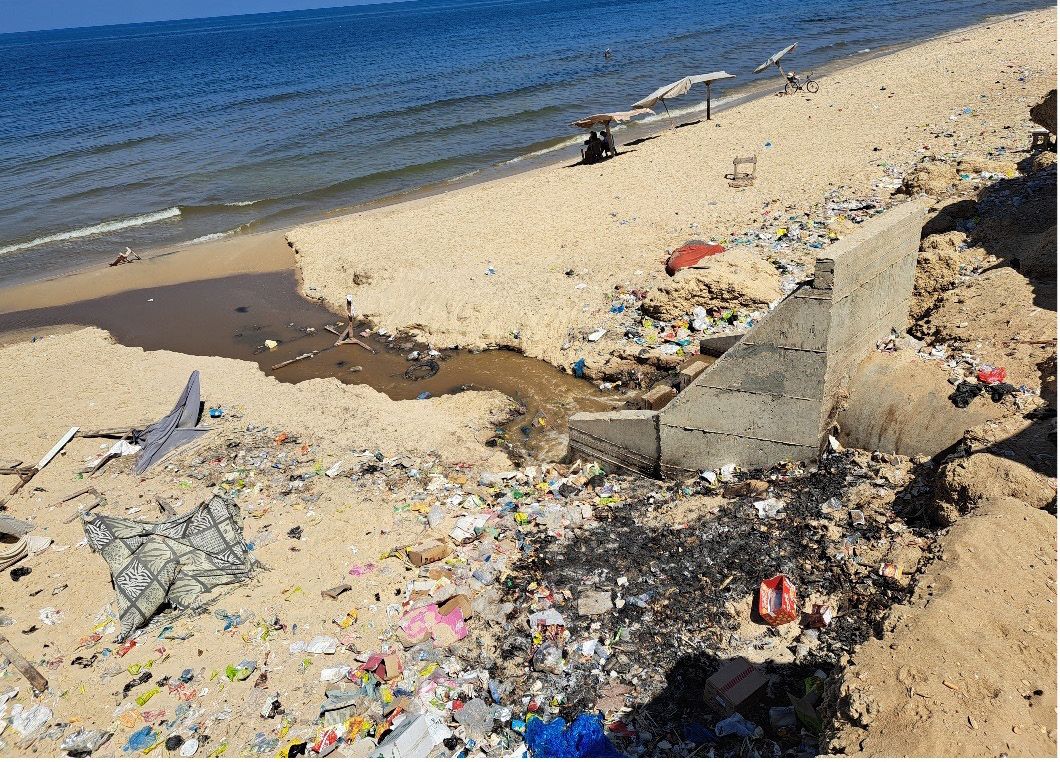
Many major water and sanitation facilities, especially wastewater treatment plants, have become virtually impossible to operate because they are located close to the border line with Israel. The modern North Gaza Wastewater Treatment Plant, for example, serves more than 400,000 people in Gaza, according to the authors. The plant is entirely inaccessible during times of war. Even though the facility can be operated remotely, the main pressure line transporting wastewater from north Gaza to the treatment facility has been damaged during conflict. When operations at the facility cease, more than 30,000 cubic meters per day of raw sewage are diverted to lakes in the Beit Lahia area, contaminating the groundwater and increasing the risk of floods.
Since 2007, when Hamas assumed governance, Israel has imposed a blockade on the Gaza Strip. Construction materials and equipment needed to develop water and sanitation infrastructure—including water pumps, steel pipes, telecommunications equipment, and machines like backhoes—have been classified as so-called dual-use materials by the Israelis, so they are restricted from reaching Gaza. In some cases, such materials may take a very long time to be granted entry; in other cases, they are prohibited outright.
A byzantine approval process requires the Palestinian Authority and Gazan contractors to specify the amount, purpose, and intended place of installation for materials or equipment, as well as details about the companies under contract, to various departments in Israel. In some cases, the Israeli authorities have even asked implementing agencies to alter specifications in their contracted projects, flying in the face of technical requirements and international standards applied everywhere in the world, including Israel.
Donors and agencies who support such activities in Gaza are extremely careful to ensure that their financial support goes through the official Palestinian Authority channels, requiring long assessment processes and monitoring the use of supplies. In addition, the use of such materials and equipment must be monitored by the United Nations Office for Projects Services.
Renewable energy presents an opportunity to tackle the water and energy crises in Gaza, as well as the urgent need to increase food security. The Gaza Strip could benefit from renewable solar energy year-round. Gaza receives an average of 2,861 hours of sunshine a year, with an average solar radiation of 5.46 kilowatt hours per square meter per day (kWh/m²/day).2 This amount varies seasonally, from 2.63 kWh/m2/day in December to 8.4 kWh/m2/day in June. Gaza could generate large amounts of energy from renewable and clean sources, which in turn would enable more uninterrupted operation of water and wastewater infrastructure.
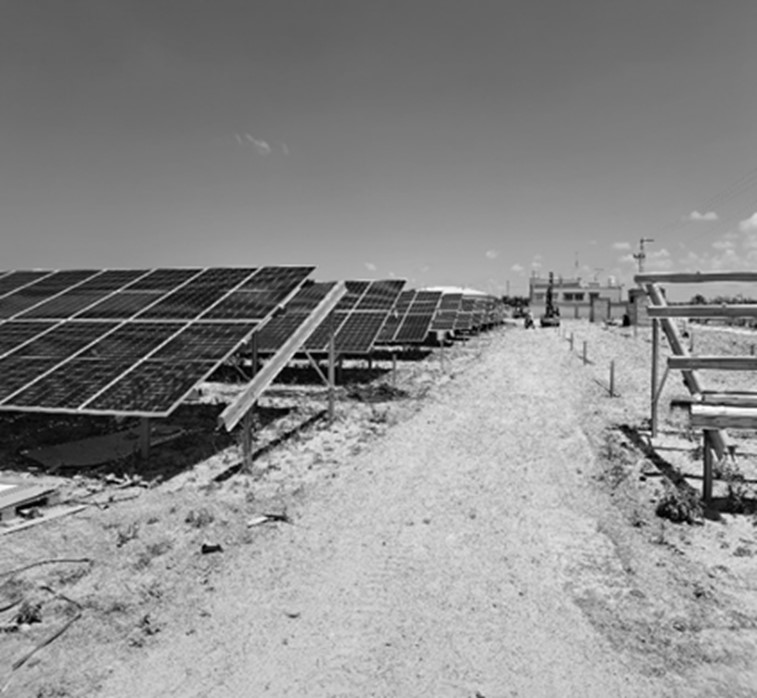
At the same time, Gaza faces another problem: restrictions on its land use. East of the Gaza Strip, access is entirely prohibited in the 100-meter area around the fence with Israel. The next 200 meters can be accessed, but development activities are currently forbidden with no end in sight. Although this may seem like little land, it is a considerable amount for Gaza. Should the political environment improve and cooperation seem feasible, this 300-meter zone along the 40-kilometer-long Gaza Strip could be used to develop the area’s green economy, build clean energy facilities, and enhance water production and agricultural activities.
In response to Gaza’s water crisis, the Palestinian Water Authority in 2012 developed a rolling program of nine interventions: (1) establishing a Gaza Program Coordination Unit, (2) introducing an integrated water and health monitoring project, (3) upgrading and/or reprovisioning the domestic water distribution and supply network, (4) enhancing levels of water imports from Israel to Gaza, (5) introducing short-term low-volume desalination of sea water in Gaza, (6) phasing in higher levels of sea water desalination, (7) introducing and/or extending pilot schemes for the reuse of treated wastewaters, (8) accelerating completion of the major wastewater treatment plants, and (9) completing a high-quality review of the use of water in Gaza’s agricultural sector.
But more than a decade later, much of the plan remains stalled. Some progress has been made toward the so-called Gaza desalination program, through the construction of large-diameter water carriers and the reconfiguration of the water-distribution system. But while certain aspects have indeed been implemented, several of the main interventions related to additional water resources are yet to materialize.
Most importantly, progress remains limited with regard to the generation of new water sources—a critical part of the Palestinian Water Authority’s plan. Three newly constructed short-term low-volume desalination plants, for example, have produced less water than expected due to operational challenges, including the lack of available electricity, limited revenue collection, and inconsistent financing. Significantly, the procurement process of the large-scale seawater desalination plant had been canceled due to the withdrawal of funding commitments, according to the authors. Resuscitating this project is essential to supplying domestic water to Gaza. Without such a water source, large-scale infrastructure projects, like water carriers and giant pumping stations, will be useless.
Efforts to reuse wastewater have also run into difficulties. The authors’ research has revealed Gaza has been able to build three wastewater treatment plants. One of those, the North Gaza Wastewater Treatment Plant, is already overloaded, receiving more than 7,000 cubic meters per day over its actual capacity of 35,600 cubic meters per day. The overflow is impacting lakes in northern Gaza, polluting groundwater and threatening the lives of local people. The Green Climate Fund, Irish Aid, and the French Agency for Development have committed financing for a project to utilize about 13 mcm/y of treated wastewater for irrigation. But challenges are mounting, including Israel’s restrictive policies on procuring materials and equipment. The project is unlikely to be operational anytime soon.
At the time of writing, the massive war launched by Israel on Gaza is still ongoing, with tragic consequences for the strip’s population and infrastructures. While it is still too early to assess the extent of the damages and destructions, 95 percent of Gazans have lost access to clean water, and major water infrastructure projects have been destroyed.
Until a political settlement recognizes the Palestinians’ right to their land and to free access and mobility for people and materials, Gaza will continue suffering consecutive humanitarian crises. Water, sanitation, and food will remain limited. Poverty rates will continue to climb. And people will remain depressed and frustrated—especially the 70 percent of young university graduates who, with no job or prospects, are fixated on immigrating to Europe. The region is a hostage to restrictive policies and politics.
Major investment will be needed to rebuild Gaza. Developing additional water sources and energy resources remains the prime mover for Gaza’s economy. The Gaza desalination project and the recovery and reuse of treated wastewater for irrigation need funding, as well as facilitation by the Israeli side. But even these forward-looking projects will be useless if the repeated wars on Gaza do not stop. Social and economic development in Gaza is essential. Allowing access in and out of Gaza—for people as well as goods—will help the economic sector flourish. Developing more agriculture, industry, and tourism can improve affordability, enabling Gazans to pay their water and electricity bills. This, in turn, will help the area achieve greater water, energy, and food security.
The perspective of any positive future for the repeatedly displaced refugee population inhabiting Gaza appears bleak. At the Gaza Reconstruction Conference in Cairo convened in October 2014, the Palestinian Authority estimated the needed funding for the relief, early recovery, and reconstruction of the Gazan water, wastewater, and sanitation sector at $236 million, according to the authors. But in retrospect, Israel’s 2014 bombing of the besieged Palestinian coastal district was much more localized. Given the breadth and intensity of Israel’s 2023 campaign of annihilation against the children, women, and men of Gaza, the international community should anticipate a the sector´s reconstruction to cost, conservatively, more than twenty times the 2014 estimation. Even if the funds are sourced and the reconstruction is undertaken in an unhindered manner, it is impossible to believe that the extent of environmental harm will be remediated. The human right to a clean environment for Gazans is another in the laundry list of human rights violated in the ongoing Israel-Palestinian conflict. Global superpowers do not appear motivated to compel a peaceful transformation that would restore water rights in Gaza. And until they do, Gaza’s humanitarian outlook remains bleak.
1 Population figures come from a 1940 British census. Gaza was 1,100 square kilometers at the time.
2 According to the Meteonorm database consulted by authors. See: https://meteonorm.meteotest.ch/en/meteonorm-features.
Rebhy El Sheikh
Rebhy El Sheikh is an engineer who served from 2005 to 2018 as the Gaza-based deputy head of the Palestinian Water Authority (PWA). Between 2016 and 2018, he was an advisor to the Prime Minister of the State of Palestine on water, energy and development of crossing borders and he managed Gaza Reconstruction. He holds an MSc. in Engineering from the University of Liverpool and has worked as a lecturer at the Faculty of Engineering-Birzeit University between 1983-1994. He has published a number of articles and papers related to the water sector management, including desalination works.
The conflict over land in Palestine has often been framed in water imaginaries: from the early days of Zionist thought, including ideologue Theodor Herzl’s early writings1 to head of the Zionist Organization Chaim Weizmann’s letter to UK prime minister David Lloyd George about how Palestine’s economy depends on its water supply and from former Israeli prime minister David Ben-Gurion’s concept of mamlakhtiyut, or national-territorial water development, to later prime minister Shimon Peres’s claims of technical achievements in exploiting water resources. In Israel’s discourse, access to water matters as a “measure of absorptive capacity” linked to long-term viability. Palestinians, however, view water resources as an integral part of their property and territorial rights.
Both parties share the Mountain Aquifer Basin, which is located in the West Bank and divided into three sub-basin aquifers, namely the Western Aquifer, the Northeastern Aquifer, and the Eastern Aquifer. In the 1967 War, Israel conquered East Jerusalem, the West Bank, and Gaza, which together constitute the Occupied Palestinian Territories (OPT). In doing so, Israel not only expanded its domination over the territory of historic Palestine but also took control of the recharge areas of the West Bank’s Western and Northeastern Aquifers. The Western Aquifer is the most productive water basin in Israel and Palestine, yielding the highest-quality water. Yet according to recent forecasts by the Intergovernmental Panel on Climate Change, an international organization that assesses climate change, the Middle East and the Mediterranean regions are particularly vulnerable to groundwater aquifer depletion. This forecast highlights the necessity that governing authorities manage resources competently and prevent irreversible changes.
Increasing temperatures and decreasing precipitation matter when it comes to water vulnerability. Vulnerability and resilience, however, are also phenomena that reveal how structural factors and inequalities threaten human life through the inability of natural systems to cope with unexpected change. In the case under discussion, the impact of Israel’s occupation of the West Bank since 1967 has created an additional vulnerability that can be assessed in terms of disruptions to patterns of daily life, such as chronic water insecurity, land degradation, electricity and water shortages, food insecurity, forced displacement, and loss of income. Ultimately, Palestinians link the current degradation of their natural resources to their lack of sovereignty. In the words of Samer Alatout, who writes on water and state-making in historic Palestine, sovereignty is an “essential prerequisite for any nation to achieve sustainable development and sound environmental management.”
In the immediate aftermath of the June 1967 War, the Israeli government declared West Bank water resources to constitute a military matter under Military Order 92 (June 1967) and Military Order 158 (November 1967). These orders stipulated that authority and management over all water resources in the West Bank be transferred to the Israeli army and that any new project planned by the Palestinians over their groundwater resources required prior authorization by the Israeli army. Military Order 418 (March 1971) placed decisionmaking in the hands of an Israeli High Planning Council, which later capped Palestinian consumption of West Bank water resources at 125 million cubic meters (mcm) of the Mountain Aquifer. Ever since, Israel has instrumentalized and weaponized Palestinian access to the shared aquifer as well as to wastewater treatment. This has left Palestinians in the OPT under the triple threat of the loss of clean and dirty waters, groundwater contamination by wastewater, and increasing pressure of climate change. In the end, the thirty-year-old interim agreement, rather than pave the way for equitable water access for both parties, has institutionalized Israeli domination.
Israel’s dominant position in the West Bank has allowed it to shift the focus away from the parties’ stated water “rights” and toward their “needs.” The clearest example of this is the Israeli-Palestinian Interim Agreement on the West Bank and Gaza (known as the Oslo II Accord), which was signed on September 28, 1995—the only agreement over water remaining in force today. The Oslo II Accord was supposed to evolve into a permanent settlement by 1999, one that would resolve crucial yet pending issues relating to Jerusalem, the Palestinian refugees, Jewish settlements, security arrangements, and borders. Yet that permanent settlement never came about, and total water allocation for the Palestinians has remained largely the same even as the Palestinian population has grown by 75 percent since 1995.
Oslo II addresses water and wastewater uses in Article 40 of Annex III, Appendix 1. The difference in water allocation is stark. Israel is to receive 483 mcm per year. This is the bulk of the annual recharge of the Mountain Aquifer, which the document estimates at 679 mcm/year. The Palestinians are to receive just under 200 mcm per year, only a slight increase from the 125 mcm/year capped by Israel’s Military Order 418 of 1971. Despite Oslo II’s new provisions, military orders issued by Israel in 1967 over the West Bank’s waters remain in force.
The terminology is also problematic. Paragraph six of Article 40 states that “both sides have agreed that the future needs of the Palestinians in the West Bank are estimated to be between 70–80 mcm/year.” Paragraph seven addresses the matter of how to “meet the immediate needs of the Palestinians in fresh water for domestic use” and recognizes “the necessity to make available to the Palestinians during the interim period a total quantity of 28.6 mcm/year.” As such language makes clear, it is the Palestinians’ needs, as opposed to their rights, that matter.
Additionally, Oslo II makes it mandatory for Palestinians to submit the blueprints of proposed water projects to a newly created Joint Water Committee (JWC). The JWC, which consists of an equal number of Israeli and Palestinian members and requires consensus for decisions, was given the task of approving new water and wastewater projects for Palestinian communities in the West Bank, as well as maintenance work on existing infrastructure. Several other committees were also established, such as the Joint Supervision and Enforcement Teams and the Joint Palestinian-Israeli Environmental Expert Committee.

In the late 1990s, meetings between Israeli and Palestinian leaders became irregular, and the joint committees turned into platforms for mutual accusations of violations. The decisionmaking process was officially referred to as equal and mutual, as decisions required consensus, but Israel retained veto power over any request made by Palestinians for new projects, including in Areas A and B of the West Bank, whereas Palestinians had no means of opposing unilateral Israeli projects despite the Palestinian Authority (PA) enjoying varying degrees of autonomy in those two areas. This veto power prevented Palestinians from gaining access to additional water resources and constructing wastewater treatment plants in the West Bank. For any new water project submitted by Palestinians in Area C, the Oslo II Accord requires approval by an entirely Israeli-staffed body within the JWC, the Israeli Civil Administration, which represents the civilian branch of the Israel Defense Forces (the Israeli military) and is subordinate to the Defense Ministry. The Israeli Civil Administration includes thirteen subcommittees, which in turn include representatives of the Jewish settlements (see figure 1 above), all of which are illegal under international law. Israeli human rights organization B’Tselem estimates the number of Jewish settlers in the West Bank at over 413,000, in addition to some 200,000 in East Jerusalem.
It is worth noting that Area C includes all Jewish settlements other than those located in East Jerusalem. Representing 61 percent of the West Bank, Area C has been kept under Israel’s full administrative and security control, including access to and use of water resources. All major water projects take place in Area C and require connection to Areas A and B for efficiency, as Sharif Elmusa’s chapter outlines. Moreover, despite the Oslo Accords’ stipulation that the PA would govern civil and security affairs in Area A and civil affairs in Area B, water and sewage projects in these areas are also subject to an Israeli permit system through the JWC.
Table 1 outlines the institutional arrangements negotiated and developed between Israel and the Palestinians since the Oslo peace process, identifying patterns of domination and respective interests.

These measures have meant that only one-third of the additional volume of water promised to the Palestinians has been released. The Palestinian strategy has been to increase water supplies to meet the population’s increased needs by submitting demands for the licensing of additional wells. In the decade that followed Oslo II, only 30 percent of the projects submitted to the JWC were approved. However, the majority of these approved projects (146 out of 154) concerned the rehabilitation of existing wells, with only four new and four substitute projects approved since 1996. In the same period, while the Palestinian Water Authority approved all Israeli projects for new water supply facilities for West Bank settlements, Israel almost systematically opposed Palestinian requests for new wells. In parallel to constraining Palestinian access to the shared water resources, the Israeli occupying forces made the population dependent on water purchases at increasing costs from Israel’s main private water provider, the Mekorot Water Company, in order to meet their daily needs. Following the 1982 “purchase” of the West Bank water supply and infrastructure by Mekorot, the corporation was granted a license to supply the Jewish settlements as well as Palestinians, “essentially forcing Palestinians to buy back stolen water,” as Palestinian human rights organization Al-Haq has described the arrangement.
In 2013, Israel controlled 100 percent of the Mountain Aquifer and abstracted 94 percent of its water, while Palestinians abstracted only 6 percent. Today, Palestinians control only about 10 percent of the Mountain Aquifer. In 2010–2017, the Palestinians’ supply of water from wells and springs from the Mountain Aquifer was 92.4 mcm/year, less than the 118 mcm/year accessed in 1995 and much less than Israel’s obligation under Oslo II to provide 200 mcm/year to Palestinians in the West Bank . An additional supply of about 95 mcm of water is purchased annually by Palestinians from Mekorot.
According to the World Health Organization, the minimum amount of water each person requires daily is 100 liters. At 250 liters, Israeli settlers consume three times more water per person per day than Palestinians in the West Bank, who have access to only 82.4 liters. In some rural communities, Palestinians survive on barely 20 liters per day, the minimum amount recommended for domestic use in emergency situations. In 2009, a fact-finding mission by Amnesty International found that between 180,000 and 200,000 Palestinians living in rural communities had no access to running water. And in 2023, B’Tselem reported that more than 600,000 Jewish settlers in the West Bank and East Jerusalem consume more than ten times the amount of water as Palestinians, who number approximately 2.9 million.
Jewish settlements are also located in strategic hydrological areas. The settlement of Ariel, for example, lies within the “security wall,” which Palestinians refer to as the “segregation wall” or “apartheid wall.” This wall was built by Israel in an apparent attempt to guarantee the settlers the territorial gains the state acquired through war and provide them with direct access to the underlying aquifer. The International Court of Justice issued an opinion on this matter in which it stated that the construction of the wall violated international law and noted specifically the daily detrimental impacts of the wall on Palestinians living in the occupied territories, particularly in terms of water access.
Although the JWC permits Palestinian drilling in the Eastern sub-basin of the Mountain Aquifer, which straddles Areas A, B, and C, construction projects for wells are virtually impossible to implement. Permits for the construction of wells have been mainly allocated for areas where water is poor in terms of both quantity and quality. These projects must undergo an arduous approval process. From January to May of 2021, for example, only five of the one hundred plans submitted for Area C were approved. Moreover, with repeated droughts, half the Palestinian wells in the West Bank have dried up over the past twenty years. Recent estimates by the UN Office for the Coordination of Humanitarian Affairs show that, as a consequence, roughly 14,000 Palestinians in approximately one hundred communities in Area C have no connection to a water network, are without water infrastructure, and are considered at high risk for water scarcity.
The agreements born out of the Oslo peace process have therefore failed to induce a change of behavior on the part of the dominant party, Israel, in its control of 80 percent of the available common water resources. Indeed, Israel’s policies have been described by experts as “domination dressed up as cooperation,” as well as “unilateral environmentalism” and “a war crime of pillage.” In parallel, water-related infrastructure is also regularly “subject to confiscation and demolition by Israel.” In 2020, 84 of 849 structures that Israel destroyed in the West Bank were related to water and sanitation. In 2021, Israel demolished forty additional such structures in the West Bank. In recent years, the water situation in the OPT has deteriorated drastically under the impact of an additional explosive factor: the gradually eroding sewage systems in the West Bank due to Israel’s occupation and imposed restrictions.
Appropriate treatment of wastewater has been neglected throughout the OPT, both prior to and during the “peace negotiations.” Israel has neglected to invest in repairing failing facilities that it built in the West Bank cities of Jenin, Tulkarem, and Hebron in the 1970s. The facility in Ramallah remains operational but is incapable of properly processing growing quantities of wastewater. In Gaza, the situation has been aggravated by a strict embargo imposed by Israel since 2006, which impedes the importation of disinfectants such as chlorine and the spare parts necessary for upgrading or even properly managing existing facilities. In the West Bank, the discharge of untreated wastewater from Jewish settlements has been seeping directly into the areas inhabited by Palestinians.
Israel has stated that most of the wastewater from settlements is treated, but this claim was refuted by B’Tselem. Only 81 out of 121 settlements in the OPT are connected to wastewater treatment facilities; waste from the others makes its way into West Bank streams and valleys. In addition, raw wastewater from Israelis in West Jerusalem and Palestinians in East Jerusalem is channeled to the West Bank. Only 20 percent of Palestinian homes are connected to wastewater treatment systems, often heavily deteriorated, and 90–95 percent of Palestinian wastewater is not treated at all.
Sewage and effluents from overloaded treatment plants that are discharged directly into the environment percolate into the ground and pollute the Mountain Aquifer in the West Bank, a phenomenon referred to by Israeli experts as “a seeping time bomb” owing to its severe impact on public health and the agricultural sector. Israel has used such pollution to induce concessions by the Palestinians and enforce their collaboration with Jewish settlements in the West Bank. The strategy is twofold: to force the PA to treat wastewater from the settlements, prompting their de facto recognition by the Palestinians, and to exploit Palestinian wastewater.
In the early years of the JWC, Israeli and Palestinian leaders signed three agreements for the construction of regional wastewater treatment plants and the treatment of water in Nablus, Tulkarem, and Hebron, with funding from the international community. Yet Israel conditioned the construction of such plants on their being connected to the Jewish settlements. This strategy was employed during the negotiation process to force Palestinians to accept the settlements, something that was rejected by the head of the Palestinian Water Authority.2
In response, Israel resorted to what Israeli analysts have called “unilateral downstream solutions” by capturing and treating, on its side of the Green Line, the “dirty” water originating from the Palestinian side. In doing so, Israel secured water for its needs in agricultural irrigation and the rehabilitation of streams. Israel would then charge the Palestinians for expenditures incurred in operating, maintaining, and treating these dirty waters. This was done by deducting refunds for Palestinian taxes and customs duties, which are collected and controlled by Israel. In just over a decade following the Oslo Accords, the sum in question amounted to more than $34 million.
Cooperation between Israeli and Palestinian authorities is in theory beneficial to water extraction and distribution—all the more so in the face of the changing climate. Yet international calls for this type of cooperation should be accompanied by an investigation into the nature and application of institutional arrangements that maintain an inequitable status quo. Furthermore, these negotiations must address both territorial and resource concerns. Otherwise, they will continue to result in agreements that facilitate further colonization and domination by Israel. Although the Palestinians have been forced to reckon with a weakened negotiating position since Oslo, they could and should continue to leverage international law and its status at the UN General Assembly to garner international awareness and support regarding access to their resources.
Recent negotiations have perpetuated the dynamics initiated during the 1990s. In January 2017, Israel and the PA signed an agreement to renew engagement through the JWC, pledging to restart “cooperation” after not meeting for over six years. The deal was facilitated by then U.S. President Donald Trump’s Middle East envoy, Jason Greenblatt, as a part of the larger Red Sea to Dead Sea desalinization project, which was abandoned in 2021 when Jordan protested a lack of genuine Israeli interest in the project. While the 2017 agreement was meant to allow Palestinians to construct new water pipelines without Israeli approval, it still required them to receive Israeli approval before receiving water.
Moreover, this agreement—like those before it—did not allow the PA to have control over water resources and infrastructure in the West Bank. As such, the underlying power imbalance present since Oslo remains in place. Palestinian access to water is determined by unequal relations, which new agreements have done little to change. Throughout the negotiations leading to the agreements, Israeli authorities utilized delay tactics and strategies of conditionality to maintain control over key water resources for settlements. And Israel reserves the right, seemingly in perpetuity, to approve or deny Palestinian projects.
The United States has frequently facilitated talks between Palestinian and Israeli authorities, and subsequently announced any agreements resulting therefrom with much fanfare. Yet it has been unwilling to serve as an equitable and assertive adjudicator. This is ironic because the United States, more than any other country, has the capacity to make Israel meet the agreed-upon stipulations regarding water-sharing. These stipulations already favor the Israeli side heavily, but they are made even more detrimental to the Palestinians when Israel is not held accountable for violating their letter or spirit.
Even more importantly, the United States has the ability to disrupt the pattern of asymmetric domination that Israel has maintained for decades. For example, over and above Israeli-Palestinian water agreements, Washington could have pressured Israel to halt settlement construction, which furthers the colonization of Palestinian land and threatens any chance at equitable access to resources. As the long-standing mediator in the conflict, the United States could also have acted more forcefully to ensure compliance with the terms of agreements negotiated under its auspices. One way to do this would be for the United States to take its cue from former secretary of state James Baker, who, during the administration of president George H. W. Bush, threatened to suspend annual financial aid to Israel if the latter continued to resist joining the 1991 Madrid peace negotiations with the Arab countries—which ultimately led to the Oslo Accords. A reliable mediator would secure post-agreement compliance on fair access to shared waters, the dismantlement of the illegal Jewish settlements (or at the minimum a permanent halting of their expansion), and a range of other issues.
The recent, tragic turn of events in Gaza has introduced new stakes. In retaliation for an attack by Hamas and the Palestinian Islamic Jihad on October 7, 2023, which led to the deaths of over a thousand Israelis and the capture of hundreds in southern Israel, the Israeli government has launched yet another major war on Gaza, resulting in the collective punishment of its inhabitants. At the time of writing, Israel’s indiscriminate and relentless bombardment had killed over 25,000 Palestinians, including more than 10,000 children; destroyed entire civilian infrastructures, hospitals, schools, universities, and cities; and deliberately starved half of Gaza’s population. The Gaza City municipality reported damage by Israeli strikes to a major pumping station for sewage, resulting in raw sewage flooding the streets and increasing the risks of communicable diseases. Israel has also restricted all Gazans’ access to basic resources, such as water and food, by cutting off all supplies. Total siege, forced displacement of civilians, and the use of white phosphorus bombs in civilian areas, all of which Israel is engaging in, are considered war crimes. In the West Bank, Jewish settlers and the Israeli army have killed hundreds of Palestinians and wounded thousands since the start of the events in Gaza.
For the moment, U.S. President Joe Biden’s administration has waived any pretense at acting as a mediator and sided unconditionally with Israel. But the extremely high civilian toll in Gaza will most likely put a halt to the success of U.S.-led efforts at normalization between Israel and the Arab Gulf countries in the foreseeable future. Having remained cautious about alienating its public, which is supportive of the Palestinian cause, Saudi Arabia will likely not be able to formalize its recent rapprochement with Israel. In such a context, the PA will regain momentum to bring the world’s focus back to Israel’s long-standing encroachment on Palestinian territory and water resources and to mobilize allies to end Israel’s asymmetrical water exploitation, territorial expansion, and violation of Palestinian rights.
Over the past three decades, the asymmetry institutionalized by the Oslo Accords, and the JWC that these agreements brought into existence, have damaged the health, safety, and security of Palestinians. Oslo and subsequent agreements have failed to address or recognize the core issue threatening both environmental and human security: the Israeli occupation of land and of resources. In this regard, the so-called peace processes habitually promoted by the West often become the mechanism through which domination is institutionalized. The negotiations and subsequent, depoliticized agreements are touted as technical, as though their failure to address or even recognize the root cause of the issue at hand is some sort of achievement. They have also contributed to institutionalizing the international community’s disregard for Palestinian rights.
As a consequence, the situation in Palestine has deteriorated considerably and may soon reach the point of no return. A combination of intensive resource extraction, deprivation through lack of access and technology, and pollution and contamination in the context of increased climate change will bring Palestinians to the point of acute thirst and agricultural collapse. In September 2023, thirty years after the signing of the Oslo Accords, a poll released by the Palestinian Center for Policy and Survey Research showed that most Palestinians considered their current living conditions to be worse than they were prior to Oslo; the majority advocated an end to the peace agreement. The recent Hamas and Palestinian Islamic Jihad attacks and the ensuing massive bombardment of Gaza by Israel have placed the Palestinian question back on top of international concerns. Today, after years of conducting deadly military operations against the Palestinians, in addition to capturing their land and resources under the guise of peace, negotiations, and cooperation, Israel faces mounting threats of instability and conflict.
1 Theodor Herzl, Altneuland = Old-New Land (Haifa, Israel: Haifa Publishing Company, 1960), 241.
2 Author interview with Dr. Shaddad Attili, then head of the Palestinian Water Authority, April 2010, West Bank.
Former Nonresident Scholar, Malcolm H. Kerr Carnegie Middle East Center
Marwa Daoudy was a nonresident scholar at the Malcolm H. Kerr Carnegie Middle East Center and is a professor of political science and Middle East politics at Georgetown University whose research focuses on climate, human security, and environmental politics in the Arab world.
Recent Work
Marwa Daoudy, Muzna Dureid, Ethan Mayer-Rich
Marwa Daoudy
The Nile River and its Blue and White tributaries hold significant value as a natural source of water for the countries that share them. This value steadily increases as the Nile flows downstream. Beyond the headwaters where the river is generated—Lake Tana and the Ethiopian Highlands for the Blue Nile, and Lake Victoria for the White Nile—the basin shifts into more arid terrain in Egypt, Sudan, and northern Ethiopia.
The Nile’s two furthest downstream riparian countries, Egypt and Sudan, withdraw the most water annually, at a respective 57 percent and 31 percent of total water withdrawal from the river. This high level of dependency on water from the Nile is particularly acute along the Blue Nile, where more than 80 percent of total Nile water flow comes from. Consequently, from a hydrological perspective, the transboundary relations among the three basin countries downstream of the Blue Nile—Sudan, Egypt, and Ethiopia—have taken on greater importance.
This trilateral relationship has been put to the test with the construction and filling of the Grand Ethiopian Renaissance Dam (GERD). The GERD is primarily intended to be a hydropower dam for Ethiopia. As the dam nears completion, tensions between the three nations have steadily mounted, especially between Egypt and Ethiopia. Egypt’s dependence on the Nile as its critical water supply source puts it at odds with Ethiopia’s aspirations to develop expanded energy reliability through the dam’s sizable hydropower generation capacity (which will affect the flow of the Blue Nile and, consequently, impact the timing and volume of Egypt’s water supply).
The Nile River Basin has also been feeling the effects of climate change, which has caused more variability and extremes in the basin’s hydrological and climatic conditions. In recent years, the basin has experienced both sustained drought (coupled with warmer temperatures) and extreme floods (brought on from short-duration intense rainfall). Projected impacts of climate change moving forward threaten to exacerbate transboundary water disputes on the Nile, as the riparian nations continue to vie for the river’s benefits, including water supply, hydropower, and irrigation. The basin is expected to see a combination of sea level rise and wildfires along its coastal boundary on the Mediterranean (putting at risk Egypt’s agriculturally active Nile Delta region) as well as intense rainfall events that can translate into increased flooding (especially in flood-prone Sudan).
Amid the tense standoff between Egypt and Ethiopia over the GERD, the priorities of their riparian neighbor, Sudan, have been relegated to an afterthought. Situated at the confluence of the Blue and White Niles, as well as at the site where the Atbara River (the Nile’s third major tributary) merges with the main stem of the river, Sudan frequently experiences devastating floods brought about by heavy precipitation during the intense rainy season. Enhanced flood control along the Nile remains imperative for Sudan. Its energy sector, which often fails to meet domestic electricity needs, also requires large-scale improvements, including upgraded electricity infrastructure and access to additional power sources.
These dual priorities—better flood control and expanded access to electricity—make the advent of the GERD more palatable to Sudan than to Egypt. If Ethiopia and Sudan can come to an agreement on the operation of the GERD, then such an agreement has the potential to mitigate flooding in Sudan and provide additional electricity generated by the dam’s hydropower facilities. Yet Sudan also shares, to a certain extent, Egypt’s concerns. The dam may reduce the availability of water downstream, which could directly impact both countries’ irrigation production and food security.
These conflicting concerns shared with both Egypt and Ethiopia place Sudan in an awkward position vis-à-vis the GERD. However, Sudan also has the opportunity to play a prominent role as an agent of transboundary cooperation between its upstream and downstream riparian neighbors. Acting as a central partner, Sudan can facilitate the exchange of water for energy between itself and Ethiopia (along with flood control benefits) and water for food between itself and Egypt. These mutually beneficial resource exchange agreements with both Ethiopia and Egypt would address their respective needs from the river while also ensuring greater water, food, and energy security for Sudan.
The viability of this role is threatened, however, by a number of potential disruptions—including Sudan’s current internal conflict, tense diplomatic relations between Egypt and Ethiopia, and the cost of necessary infrastructure investments—and could be impacted by the availability of funding for climate adaptation. This chapter expands on the transboundary implications of the GERD and considers how Sudan can play a key role in bridging the current divide between Egypt and Ethiopia.
Construction of the GERD project began in earnest after 2011, when Ethiopia moved forward with its designs for a large-scale hydropower dam along the Blue Nile. Right from the start, the project faced opposition from Egypt and Sudan. A series of proposals and attempts to mediate between Ethiopia and its riparian neighbors on the GERD’s potential downstream effects on hydrological, environmental, and socioeconomic conditions yielded no results. Following this lack of consensus on how to integrate the dam into existing Nile operations, Ethiopia began diverting the flow of the Blue Nile into the GERD. With negotiations among the three countries at a standstill, Ethiopia began filling the dam in July 2020. A series of additional fillings in 2021 and 2022 coincided with completed phases of the GERD’s construction.
The initial divide separating Ethiopia, Egypt, and Sudan deepened in 2013 when Ethiopia ratified the Entebbe Agreement. Also known as the Nile Basin Cooperative Framework Agreement, the agreement justified Ethiopia’s subsequent, unilateral actions on the Blue Nile and the GERD. It was signed and endorsed in 2010 by six upstream Nile River riparian nations as a replacement of the earlier Nile Basin treaties (mainly the 1929 Nile Water Agreement and the 1959 Nile Waters Treaty) that only considered water rights for Egypt and Sudan. In retaliation, Egypt and Sudan signed an agreement that reaffirmed their historical water rights as prescribed by the 1959 treaty.
The key point of disagreement between these three countries is the GERD’s downstream implications on the water supply available to Egypt and Sudan. While the GERD will have the capacity to store up to 74 billion cubic meters of water (second to only the Aswan High Dam in the basin), its primary function is to serve as a hydropower-generating dam. Hence, dam operations are expected to prioritize water releases over water storage. In fact, the dam’s proximity to the border with Sudan (just 20 miles away) means that Ethiopia cannot use the water stored in the dam to meet any of its water consumption needs, such as for irrigation or residential water use. But concerns over how the filling and operation of the GERD will affect the continuity of the downstream water supply are valid. Studies estimate that dam fillings could reduce flow in the Blue Nile by 30 percent, requiring downstream dams in Sudan to reconfigure their operations.
This prospect of reduced water supply from the Nile is especially worrisome for Egypt. Egypt is vastly dependent on the Nile, which satisfies 93 percent of its water needs. Including shared groundwater aquifers, 98 percent of Egypt’s water resources originate from beyond its borders. But rapid population and economic growth mean that Egypt’s demand for water from the Nile has outpaced the available supply. The vast majority of the water that Egypt diverts from the Nile (approximately 85 percent) goes toward irrigating agricultural lands to help meet the food production needs of its large and growing population.
For similar reasons, Sudan has supported Egypt’s position on the GERD. The Nile’s water supply is also critically important to Sudan’s own agricultural food production. Egypt and Sudan have been historically aligned on issues of the Nile. The 1929 Nile Water Agreement and the 1959 Nile Waters Treaty, which gave water rights only to these two most downstream countries, formed the basis of their joint opposition to any water development projects upstream on the river. But Sudan’s recent elevated vulnerability to floods due to climate change and its need for flow regulation as a means of flood control have warmed Sudan up to the prospective benefits that the GERD may offer.
The current impasse over the GERD is a byproduct of how the operation of the dam has created a zero-sum game between Ethiopia and Egypt when it comes to managing river flow. Simply put, Egypt needs the river to run downstream, unimpeded by the dam, to continue meeting its high demand for water; Ethiopia needs the dam to intercept river flow and generate hydropower.
Sudan has the opportunity to step up as a collaborative partner that can help mitigate this transboundary conflict through a series of mutually beneficial resource exchange agreements. The success of this approach is contingent on Sudan brokering a win-win scenario among the three riparian nations by offering desired resources that Egypt and Ethiopia, for now, cannot directly offer each other. This is the cornerstone of Sudan’s potential to move Nile relations from conflict toward cooperation.
Sudan has long served an important role as a regional food producer and exporter, due to its large tracts of arable land and access to water from both the Blue and White Niles. The Gezira Scheme in Sudan is one of the world’s largest irrigation development projects, spanning an area of approximately 850,000 hectares. The size of the Gezira Scheme can enable it to be a significant source of supplemental food production for Egypt, which already accounts for an estimated 80 percent of all water withdrawn from the Nile for the purpose of irrigation. By partnering with Sudan on expanded food imports, Egypt can enhance its future food security with an alternative and additional agricultural production source that is not at risk of land loss due to sea-level rise and wildfires caused by climate change (both of which threaten Egypt’s fertile and heavily irrigated Nile Delta).
To facilitate this partnership, Sudan would need one of two things from Egypt: either access to a portion of Egypt’s water allocation from the Nile to offset increased irrigation needs or assistance in securing investments to improve the agricultural water-use efficiency of the Gezira Scheme (which is known to have poor water distribution and suffers from irrigation mismanagement). Irrigation efficiency improvements in Sudan—such as better distribution of irrigation water and sediment removal—could generate greater crop yields with a smaller irrigation water footprint.
Unlike Egypt, Sudan can directly realize benefits from the GERD, chief among them being increased flood control and the opportunity to purchase hydropower-generated energy. Sudan’s vulnerability to floods brings with it a host of detrimental concerns—the loss of infrastructure, businesses, arable land, and lives, as well as myriad health, sanitation, and environmental issues. In coordination with Ethiopia, GERD water releases could help mitigate the perennial impacts of flooding in Sudan. Furthermore, Sudan could reach an arrangement with Ethiopia to acquire hydropower generated by the GERD to help shrink its own energy deficit. Sudan desperately needs a reliable source of electricity generation. Ethiopia could share the GERD’s 6,000-megawatt-generating capacity with Sudan. In exchange, Sudan might allow Ethiopia to use a part of its Nile water allocation for GERD storage to offset the water releases necessary to generate additional power. Sudan may even be able to do this with the water conserved by potential irrigation efficiency improvements to the Gezira Scheme. Alternatively, Sudan could negotiate a direct energy purchase deal with Ethiopia.
These proposed bilateral arrangements between Sudan and Egypt (over food security) and Sudan and Ethiopia (over energy security and flood mitigation) could, if successful, pave the way for a trilateral framework between the three nations. Though difficult to envision in this current moment of riparian disagreement regarding the GERD, technical cooperation is mutually beneficial to all three Nile Basin nations. Optimizing GERD operations to maximize hydropower generation, ensure reliable water supply for downstream users, and improve flood control could help meet the priorities of each country.
A number of challenges stand in the way of Sudan’s potential role as a transboundary conciliator in the Nile Basin. The most apparent is the current conflict in Sudan between rival military factions that has thrown the country into complete chaos. The open warfare between the Sudanese Armed Forces and the Rapid Support Forces since April 2023 has been heavily centered around the capital, Khartoum, and has brought to a standstill the country’s public administration. The absence of civil stability and lack of basic human services (including food, water, electricity, and healthcare) has forced civilians to flee the war-torn nation at their own peril. As these hostilities bring about a collapse in Sudan’s economy and governance, they all but ensure a long road of recovery ahead when the war comes to some form of conclusion.
Even if Sudan stabilizes, further obstacles remain. Prior to these developments, economic conditions in Sudan had severely declined (with the inflation rate reaching as high as 318 percent at the end of 2021). The country’s economy will likely be even more devastated by the time a potential resolution to the conflict is reached. The proposed resource exchange agreements and cooperation arrangements involving Sudan, Egypt, and Ethiopia would still need substantial investments in several areas, such as upgrading Sudan’s energy infrastructure and transmission lines to receive electricity from Ethiopia, water-efficiency improvements in Sudan’s agricultural sector to expand food production capacity, and technical coordination and forecasting tools to support downstream flood control integration into GERD water operations. The investments required to upgrade the energy-transmission infrastructure and irrigation efficiency in Sudan could be quite cost prohibitive. Indeed, just the necessary maintenance and restructuring of Sudan’s energy sector were recently estimated to cost $3 billion.
A less technical impediment to Sudanese-led regional cooperation is the task of compelling Egypt to participate in this arrangement. Egypt is the most vulnerable of the three nations when it comes to the water resources of the Nile, especially once the GERD becomes fully operational. Asking Egypt to also put its food security partly into Sudan’s hands may be seen as a considerable risk for the Nile’s most downstream nation. However, the combined effects of the GERD’s impending full-scale operations and the impacts of climate change on the Nile Delta may soften Egypt’s stance and compel it to explore alternative pathways to resolve the dispute with Ethiopia. Yet, the political landscape has become increasingly challenging to navigate. The diplomatic chasm between Egypt and Ethiopia has continued to devolve, with Egypt indirectly threatening Ethiopia with the prospect of military intervention.
Conversely, there remain opportunities that may help push these three countries toward transboundary cooperation. The connection between the basin’s increasing hydrological variability and climate change is difficult to deny. This opens the door to new sources of funding and investment from global climate-resilience initiatives. Sources like the Green Climate Fund, the Adaptation Fund, and the Loss and Damage Fund (which was recently announced at COP27 in Egypt) can be leveraged to support climate adaptation solutions in the Nile River Basin, including the proposed resource exchange agreements anchored by Sudan’s role as facilitator.
The disagreements between Sudan, Egypt, and Ethiopia over the GERD are deeply entrenched. Conflated issues of historical water-use allocations, climate change, and concerns over food production, energy generation, and water reliability all contribute to the current impasse. But a conciliatory path forward is possible. Each of these nations can still achieve their primary goals for Nile water utilization.
Sudan’s unique position gives it an opportunity to play a central role in facilitating cooperation among the three riparian nations to meet their goals through mutually beneficial resource exchange agreements. This approach is not without its hurdles, but it could offer a reasonable level of food security to Egypt, energy security to Ethiopia, energy security and flood control to Sudan, and water security to all.
While the suggested approach of positioning Sudan as the key partner to encourage transboundary cooperation between Egypt and Ethiopia has merits, the motivation behind the approach underscores an important point. Given the dire stakes posed by climate change and socioeconomic challenges in the region, transboundary cooperation has to happen—preferably sooner rather than later—because there truly is no other sensible alternative available.
Mohammed Mahmoud
Director of the Climate and Water Program, the Middle East Institute
Mohammed Mahmoud is a water resources management and climate adaptation policy expert and the founding director of the Climate and Water Program at the Middle East Institute. He regularly provides expert analysis on climate change and water security issues in the Middle East and North Africa.

The EU’s new migration policy is not suited to today’s realities. With climate change increasingly becoming a driver of displacement, Europe needs to rethink its deterrence-focused approach.

Shana Tabak
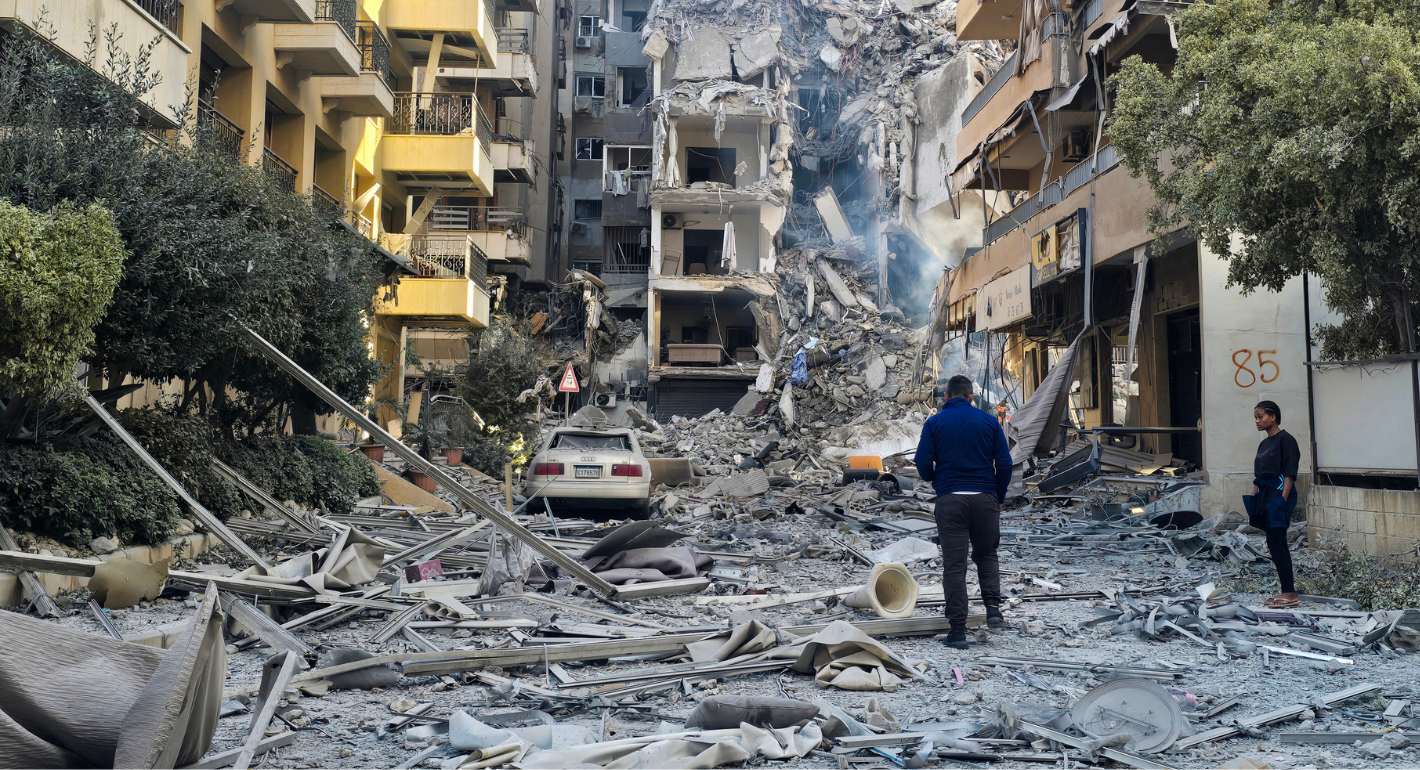
Europe seems to have accepted its sidelining in the Middle East. The EU must reassert its support for the international rules-based order and step up engagement.

Rym Momtaz

Amid uncertainty caused by the Iran war, the global drive for nonproliferation has stalled. With Europe diplomatically marginalized and countries reassessing their nuclear options, efforts to curb the spread of nuclear weapons risk becoming irrelevant.

Jane Darby Menton

Five countries staged the biggest political boycott in Eurovision history over Israel’s participation. With the FIFA World Cup and other sporting or cultural touchstones on the horizon, are boycotts effective?
Rym Momtaz, ed.
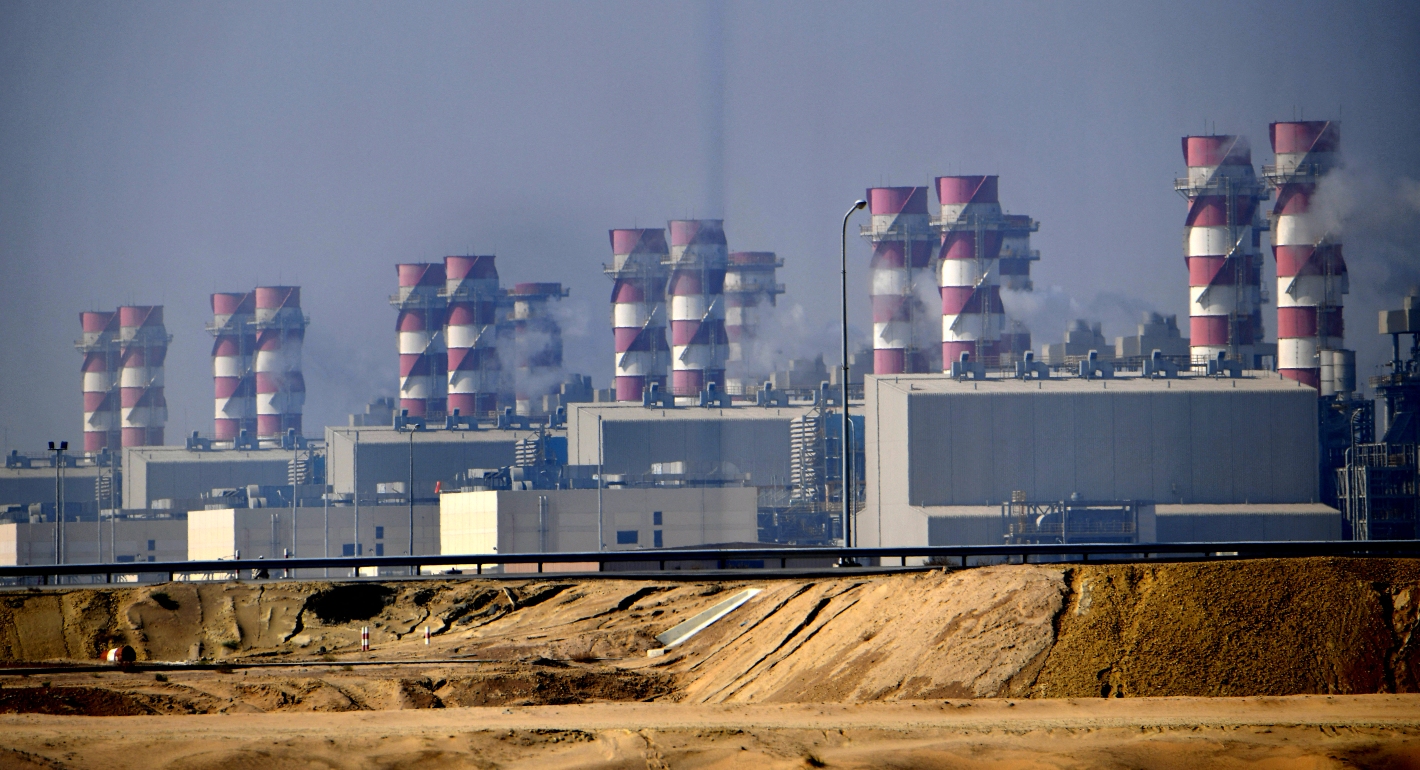
The U.S.-Iran war has crossed a dangerous threshold: water infrastructure in the Gulf is now a target. Ecological statecraft is no longer peripheral to security, it's part of its foundations.


Olivia Lazard, Ali Bin Shahid