

Commentary
Judy Dempsey
{
  "authors": [
    "Judy Dempsey"
  ],
  "type": "commentary",
  "blog": "Strategic Europe",
  "centerAffiliationAll": "",
  "centers": [
    "Carnegie Endowment for International Peace",
    "Carnegie Europe"
  ],
  "collections": [],
  "englishNewsletterAll": "",
  "nonEnglishNewsletterAll": "",
  "primaryCenter": "Carnegie Europe",
  "programAffiliation": "",
  "programs": [],
  "projects": [],
  "regions": [
    "Europe",
    "Asia"
  ],
  "topics": [
    "Climate Change",
    "EU"
  ]
}
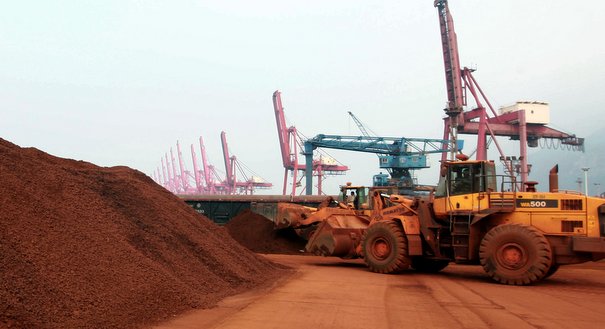
Source: Getty
Consumer awareness and the flow of information in the globalized economy could help shape a Europe-wide rare earth strategy that could have a positive impact on authoritarian regimes.
Best not to wait for the European Union’s institutions to decide how to deal with Europe’s ever-growing dependence on China for rare earth metals. At least that seems to be what Germany and other countries are thinking. Europe’s high-tech companies, particularly those involved in the renewable energy and electric vehicle sectors, need guaranteed supplies of rare earth metals. As a result, industry and governments are taking matters into their own hands.
With China accounting for 95 percent of global rare earth production, European companies are urgently seeking alternative sources. They saw what happened last year when Beijing curbed export quotas for rare earth metals. The European Commission, the EU’s executive, is working on a Europe-wide long-term rare earth strategy. But German industry is impatient.
BASF, Daimler, and ThyssenKrupp, among others, recently established an “Alliance for Securing Raw Materials.” Each of the companies will become a shareholder, contributing money into a special fund to invest in raw materials projects. The Alliance is also working with the ministries of finance , foreign affairs, and development. The chancellery under Angela Merkel is playing a prominent role. Once reluctant to cozy up to industry when she first entered the Chancellery in 2005, CEOs now accompany her to China and Central Asia.
Last October Mrs. Merkel, with industry bosses in tow, travelled to Mongolia, the first ever such visit by a German leader. Then this February, Mrs. Merkel rolled out the red carpet for President Nursultan Nazarbayev of Kazakhstan, who rules his country with an iron hand. In both cases, lucrative contracts were signed, some of them giving Germany access to rare earth metals. France and other countries are trying to do the same.
That’s all very well and good for industry, for jobs, and for reducing the dependence on China. But do such bilateral approaches hinder or help Europe adopting a long-term strategy for rare earth metals?
It is understandable that European industry does not want to wait for the European Commission to act. But that does not mean that they are free to behave badly. Instead of government regulation, consumer awareness and the flow of information in the globalized economy are providing ever stronger incentives for businesses to act responsibly to protect their reputation. They could help shape a Europe-wide strategy that could have a positive impact on authoritarian regimes.
Take Mongolia.
It is undergoing huge political, economic, and social change. But there is concern among reformers in Ulan Bator that the discovery and exploration of rare earth metals could be a mixed blessing: quick wealth could increase corruption and slow the pace of democratization. In that case, the German government and industry could work with the Mongolian authorities and local non-governmental organizations to ensure transparency over how the investments are made and spent and how the environment is protected.
This is something the Soros Foundation’s office in Kazakhstan would dearly wish, after German industry signed € 3 billion worth of contracts between Germany and Kazakhstan in February. There, Mr. Nazarbayev has over the past twenty years in power built up a cult of personality, entrenched corruption, and violated human rights. Last December, Kazakhstan’s riot police killed 17 oil industry workers during a strike. Human rights activists say Western companies should think hard about how to export good corporate governance to this and other authoritarian countries.
“The defense of human rights and economic interests of European Union member states are not mutually exclusive issues,” said Aida Aidakulova of the Soros Foundation’s office in Kazakhstan. “Partnership agreements should have conditions on human rights as well as social and environmental obligations attached to them. Otherwise there is a high risk of compromising human rights to economic interests,” she added.
Besides, it is in the interests of business to adopt such standards. “Business should be, as much as civil society, interested in governance on the rule of law, transparency and accountability, Ms. Aidakulova argued . “This sets the environment in which business interests will be effectively protected.”
But is that feasible, given that many Western companies are reluctant to embrace such standards or raise human rights concerns, such as workers’ rights, fearing they might lose a contract?
Western companies say they are coming under increased scrutiny from shareholders and customers over how they do business with authoritarian regimes. Think of the controversy engulfing Apple over working conditions for its I-Phone and I-Pad in China.
“It is a false debate: trade or human rights“ Markus Löning, the German government’s commissioner for human rights, told Carnegie Europe. “Companies can do business and at the same time promote decent working conditions. Actually, their reputation with the customers is damaged if they do not uphold the values they practice back home,” Mr. Löning added.
The European Parliament is also pushing for such a link between exploration and corporate governance. Last September, with the Greens taking the lead, it passed a resolution on “an effective raw materials strategy for Europe.” It proposes establishing transparent partnerships to ensure that profits earned from the sales of rare earth metals would be earmarked for infrastructure, education, and healthcare projects in partner countries and not channeled into the coffers of a few. Of course, one-party states can always reject such ”conditionality”, especially if they are in the enviable position of possessing rare earth metals.
But Mr. Löning, for one, says European governments and companies must not shy away from defending their principles and values. “Confrontation and cooperation is possible,” Mr. Löning said. Indeed, when Mrs. Merkel hosted the Dalai Lama in the Chancellery back in 2007, there was an outcry from the Chinese authorities—and from German industry. China threatened to curtail contracts. But in the end, not a single contract was broken.

Nonresident Senior Fellow, Carnegie Europe
Judy Dempsey is a nonresident senior fellow at Carnegie Europe
Recent Work
Judy Dempsey
Judy Dempsey
Carnegie does not take institutional positions on public policy issues; the views represented herein are those of the author(s) and do not necessarily reflect the views of Carnegie, its staff, or its trustees.
Closer EU-UK ties could help address urgent European concerns. But is the EU ready for rapprochement with the United Kingdom?

Rym Momtaz, ed.
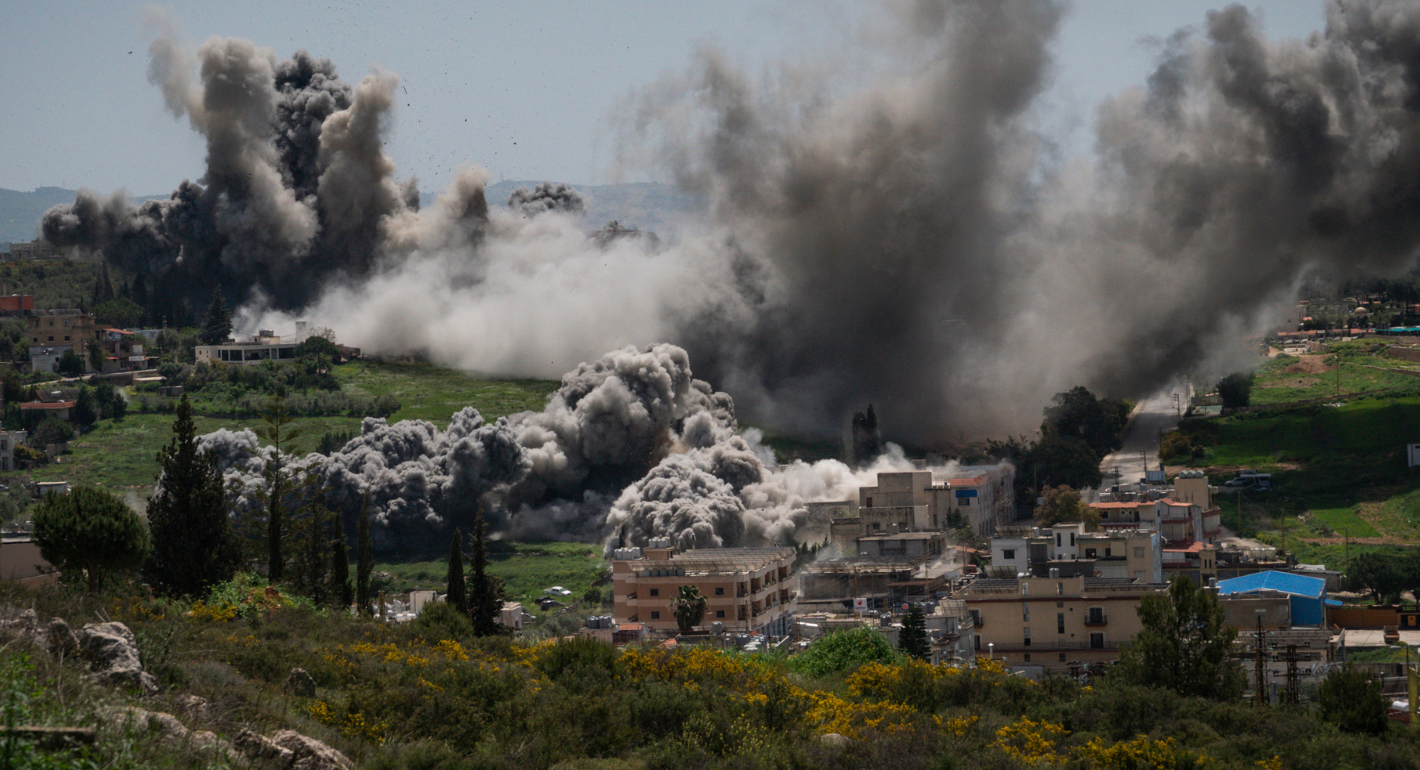
Europe has been standing by while its Southern neighborhood is being redrawn by force. To establish a path to peace between Israel and Lebanon, it’s time for Europeans to get involved with hard power.
Rym Momtaz
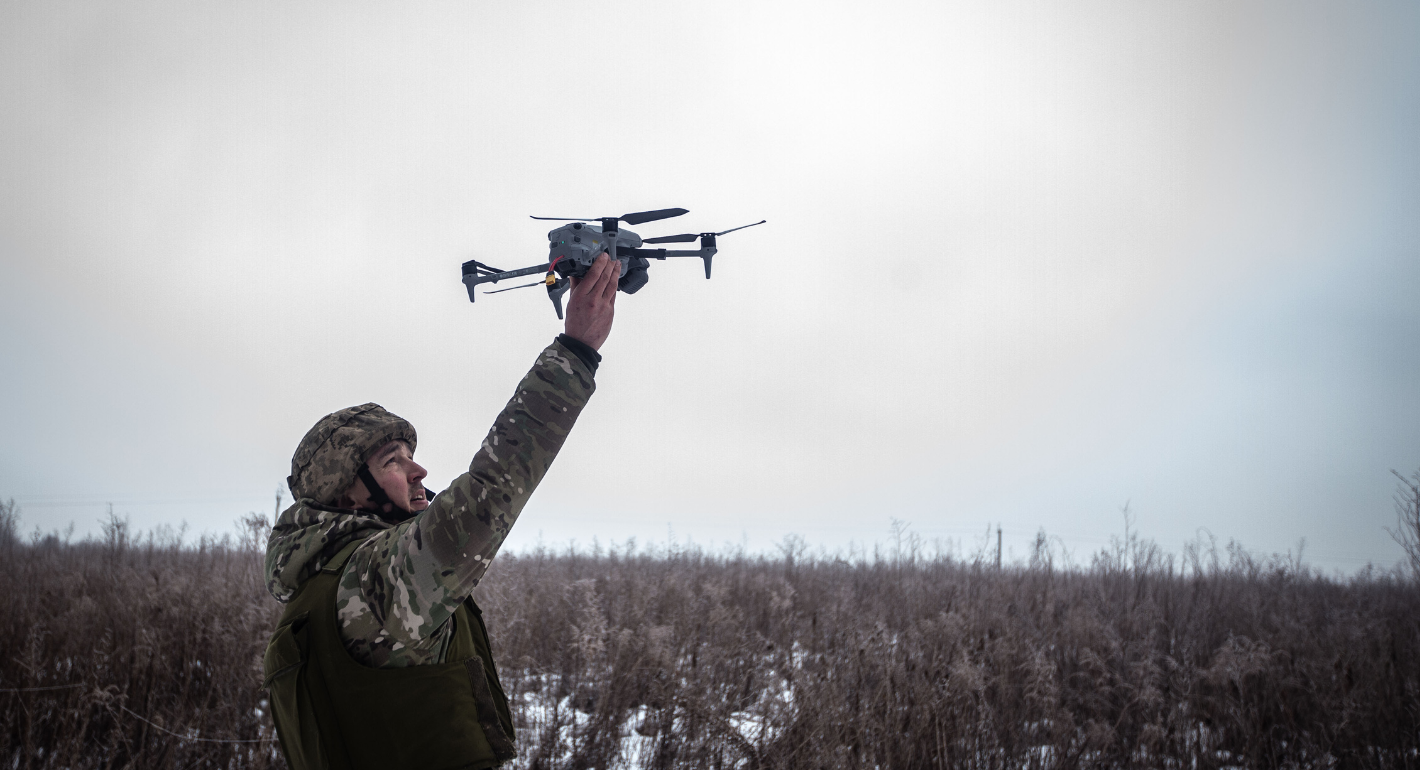
In Ukraine, Gaza, and Iran, AI warfare has come to dominate, with barely any oversight or accountability. Europe must lead the charge on the responsible use of new military technologies.

Raluca Csernatoni
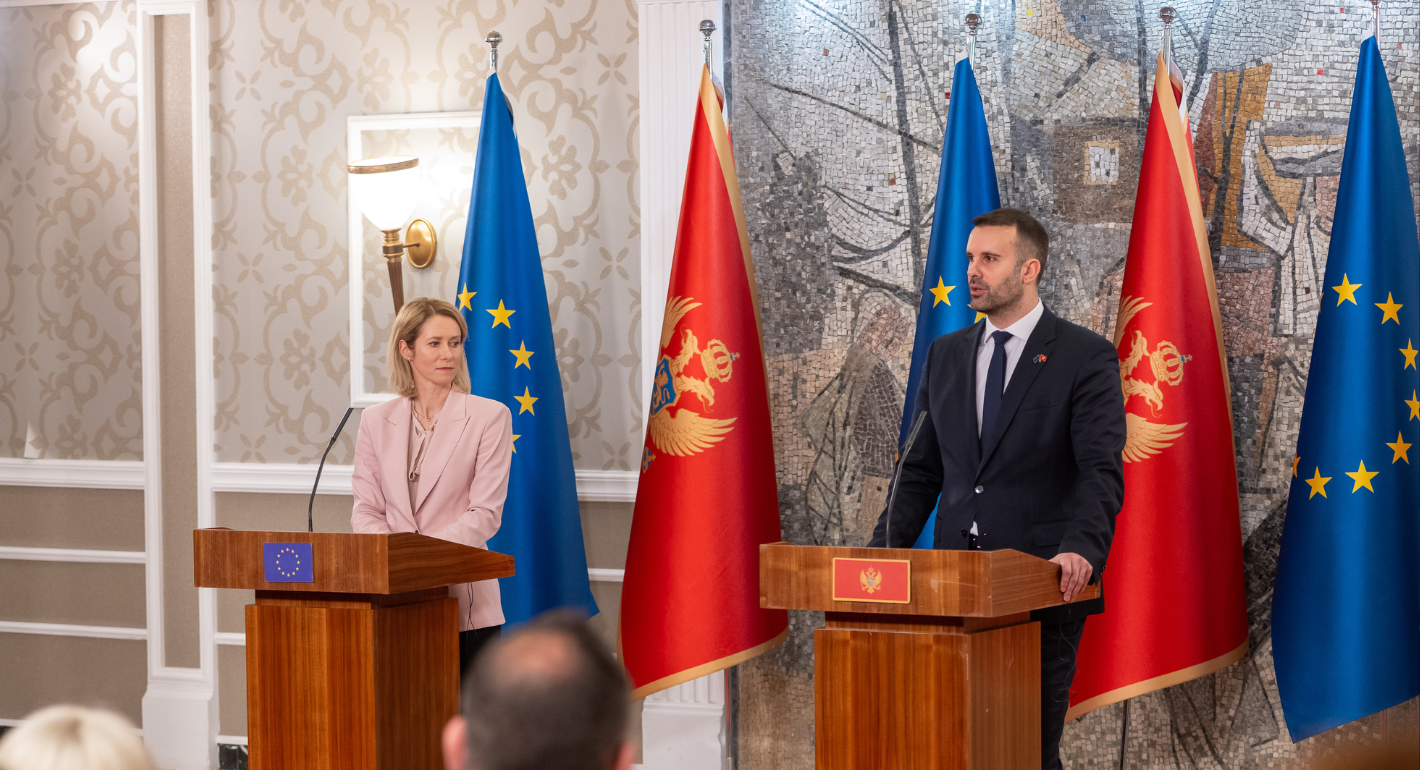
Montenegro and Albania are frontrunners for EU enlargement in the Western Balkans, but they can’t just sit back and wait. To meet their 2030 accession ambitions, they must make a strong positive case.


Dimitar Bechev, Iliriana Gjoni
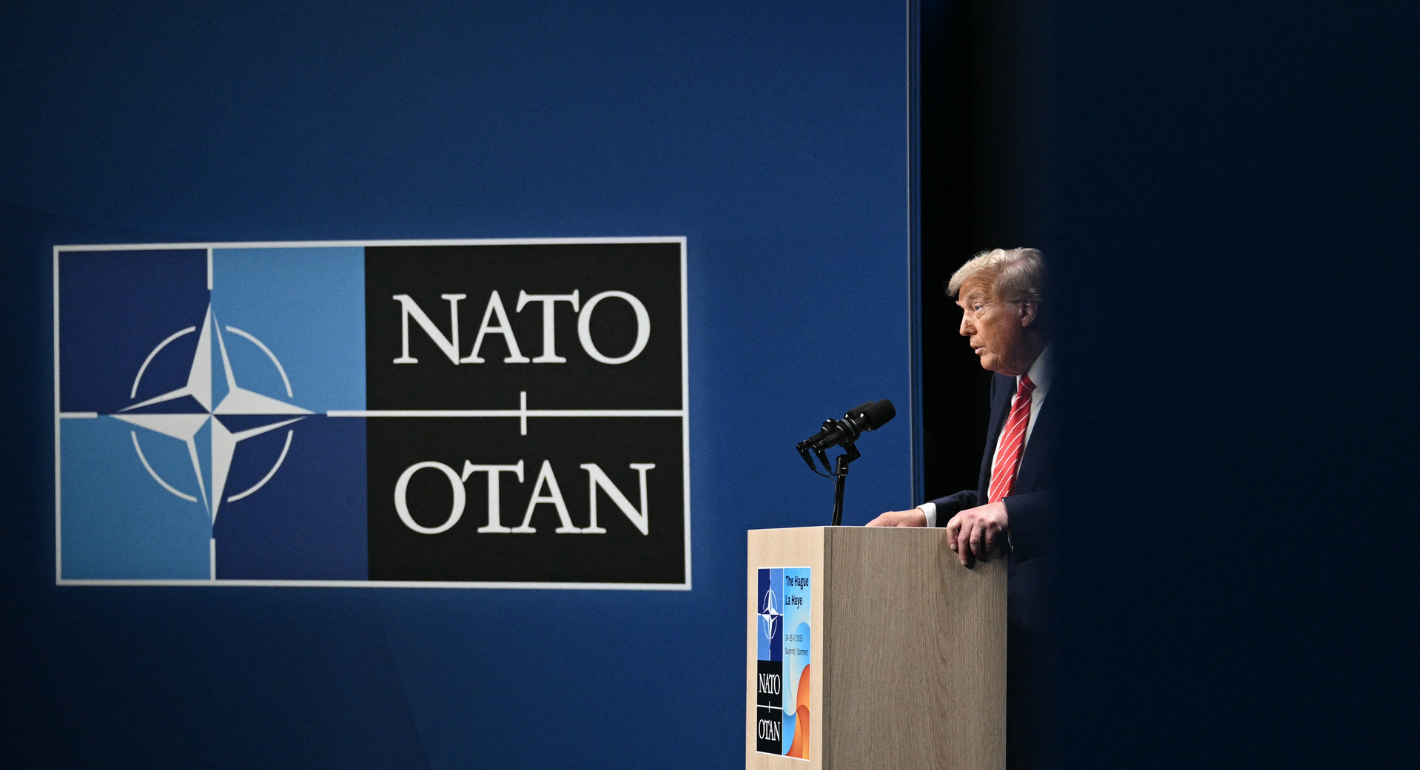
Donald Trump has repeatedly bashed NATO and European allies, threatening to annex Canada and Greenland and deploring their lack of enthusiasm for his war of choice in Iran. Is this latest round of abuse the final straw?
Rym Momtaz, ed.